Tigranakert Fortress
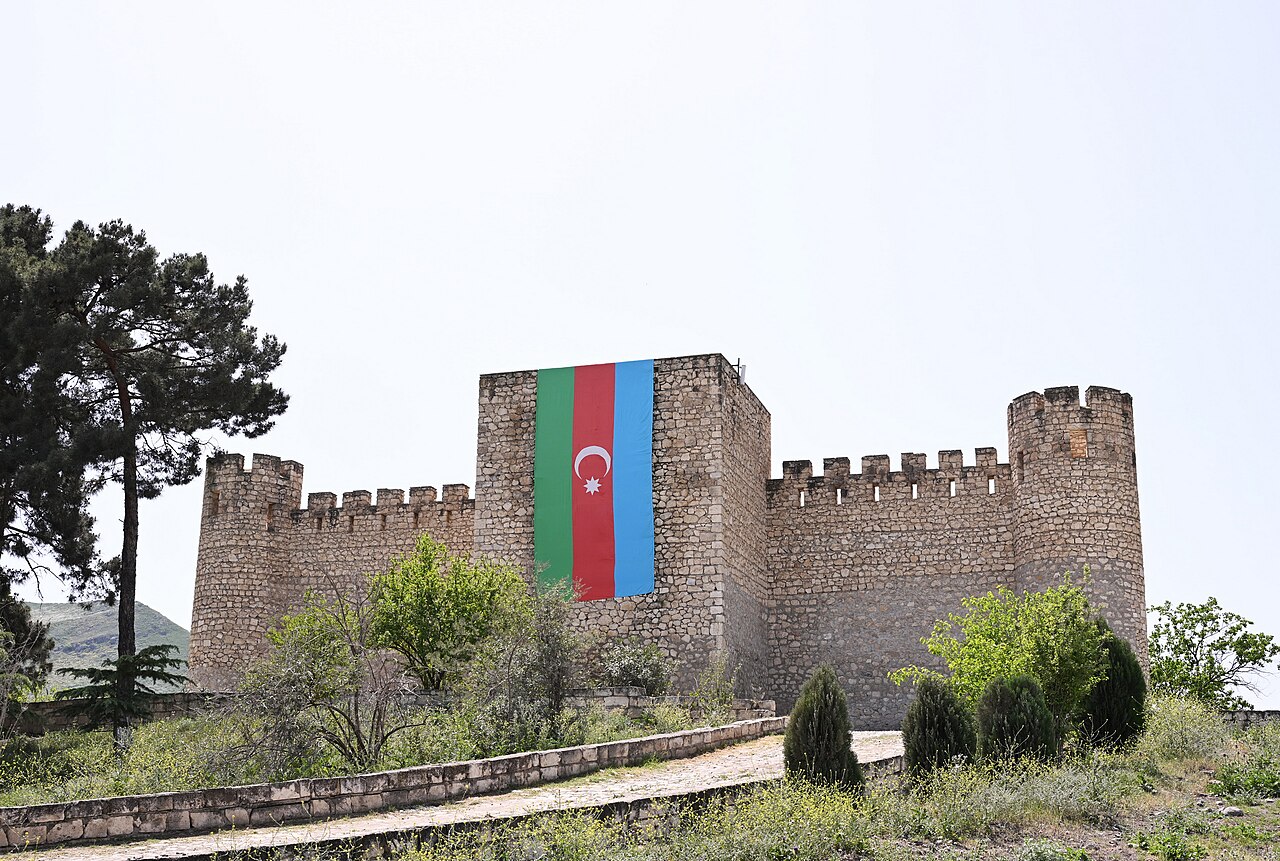
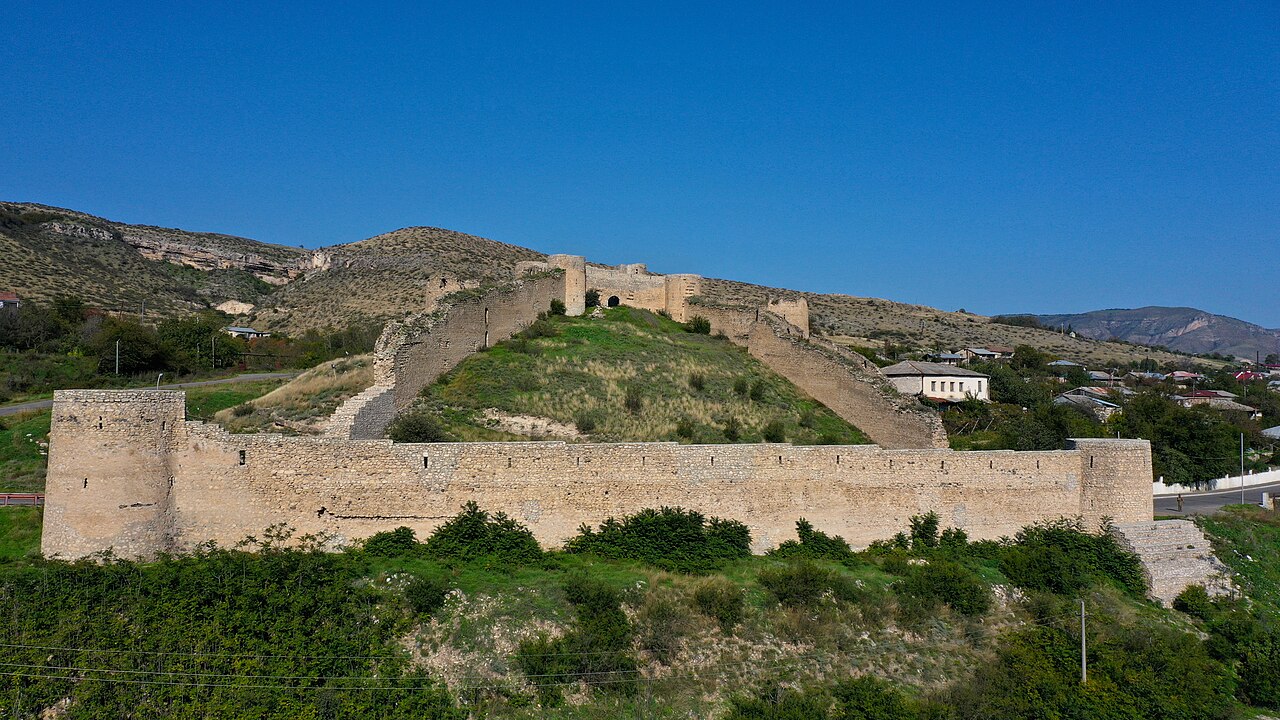
Tigranakert fortress is a significant bastioned fortress located in the region of Azerbaijan. This fortress is an important example of military architecture designed to withstand artillery attacks, characteristic of the bastioned style that emerged in the late medieval to early modern periods. Although the exact city location within Azerbaijan is not definitively documented, the fortress holds a key place in the historical defensive network of the area.
Historical context and strategic importance
The fortress is named after the ancient city of Tigranakert, which was established during the reign of Tigranes the Great in the 1st century BCE, reflecting the region's long history of fortification and settlement. While the current fortress structure likely dates from a later period, its location corresponds to a historically strategic site that controlled important trade and military routes in the South Caucasus.
As a bastioned fortress, the design incorporates angular bastions projecting from the curtain walls, allowing defenders to cover all approaches with overlapping fields of fire. This architectural style was developed to counter the increasing use of gunpowder artillery, marking a transition from medieval fortifications to early modern military engineering.
Architectural features and design elements
The fortress's layout typically includes thick, sloped walls designed to absorb and deflect cannon fire. The bastions are positioned at intervals around the perimeter, providing vantage points for artillery and infantry. The walls are constructed from local stone materials, carefully cut and fitted to create a robust defensive barrier.
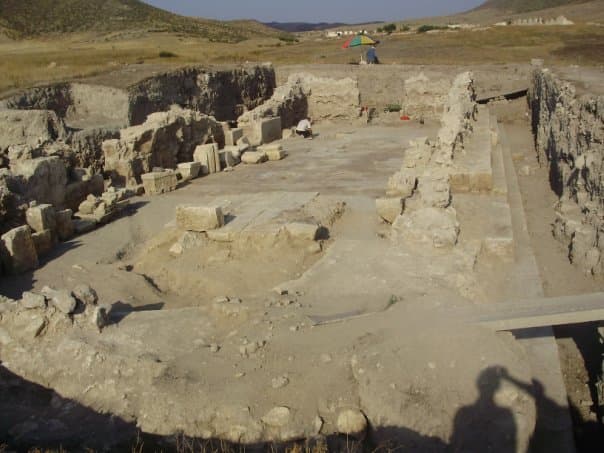
Within the fortress, there would have been essential military facilities such as barracks, armories, and storage rooms, although detailed archaeological studies are limited. The presence of a moat or other defensive water features is not well documented for this site.
Defensive innovations
The bastioned design represents an evolution from traditional medieval castles by emphasizing low, thick walls and angular bastions instead of high towers. This adaptation was crucial in the era of gunpowder warfare, allowing defenders to repel sieges more effectively. The fortress's design reflects these principles, indicating its construction or significant modification during the late medieval to early modern periods.
Current condition and preservation
The current state of the Tigranakert fortress is generally considered to be partially preserved. Some walls and bastions remain standing, providing valuable insight into the fortress's original scale and defensive capabilities. However, much of the structure has suffered from the effects of time and possible neglect, with portions in ruins or heavily eroded.
Efforts to study and preserve the fortress are ongoing, highlighting its cultural and historical importance in Azerbaijan's heritage. The site attracts historians and archaeologists interested in the evolution of military architecture in the Caucasus region.
Visiting and cultural significance
While detailed visitor information is limited due to the fortress's remote location and preservation status, Tigranakert fortress remains a point of interest for those exploring Azerbaijan's rich historical landscape. Its bastioned design offers a tangible example of the region's adaptation to changing military technologies.
The fortress serves as a reminder of the strategic importance of the South Caucasus throughout history, reflecting the complex interactions between various empires and local powers.
Frequently asked questions (FAQ)
- What is the historical significance of Tigranakert fortress?
- Tigranakert fortress is historically significant as a bastioned fortress reflecting military architectural advances in the South Caucasus region during the late medieval period.
- Can I visit Tigranakert fortress in Azerbaijan?
- Visiting information is limited due to the fortress's remote location and preservation status, but it remains accessible to visitors interested in historical sites.
- What architectural style does Tigranakert fortress represent?
- The fortress exemplifies bastioned fortress design, characterized by angular bastions and thick walls adapted for defense against artillery.
Photo gallery

Information
Loading map...
Visitor reviews
No reviews yet. Been here? Write the first review and help other travelers!
Write the first reviewVisited this castle? Share your experience
Your review helps other travelers and adds first-hand knowledge to our encyclopedia.