Torres de Katej — Azerbaijan castle

Torres de Katej

Torres de Katej castle in Azerbaijan

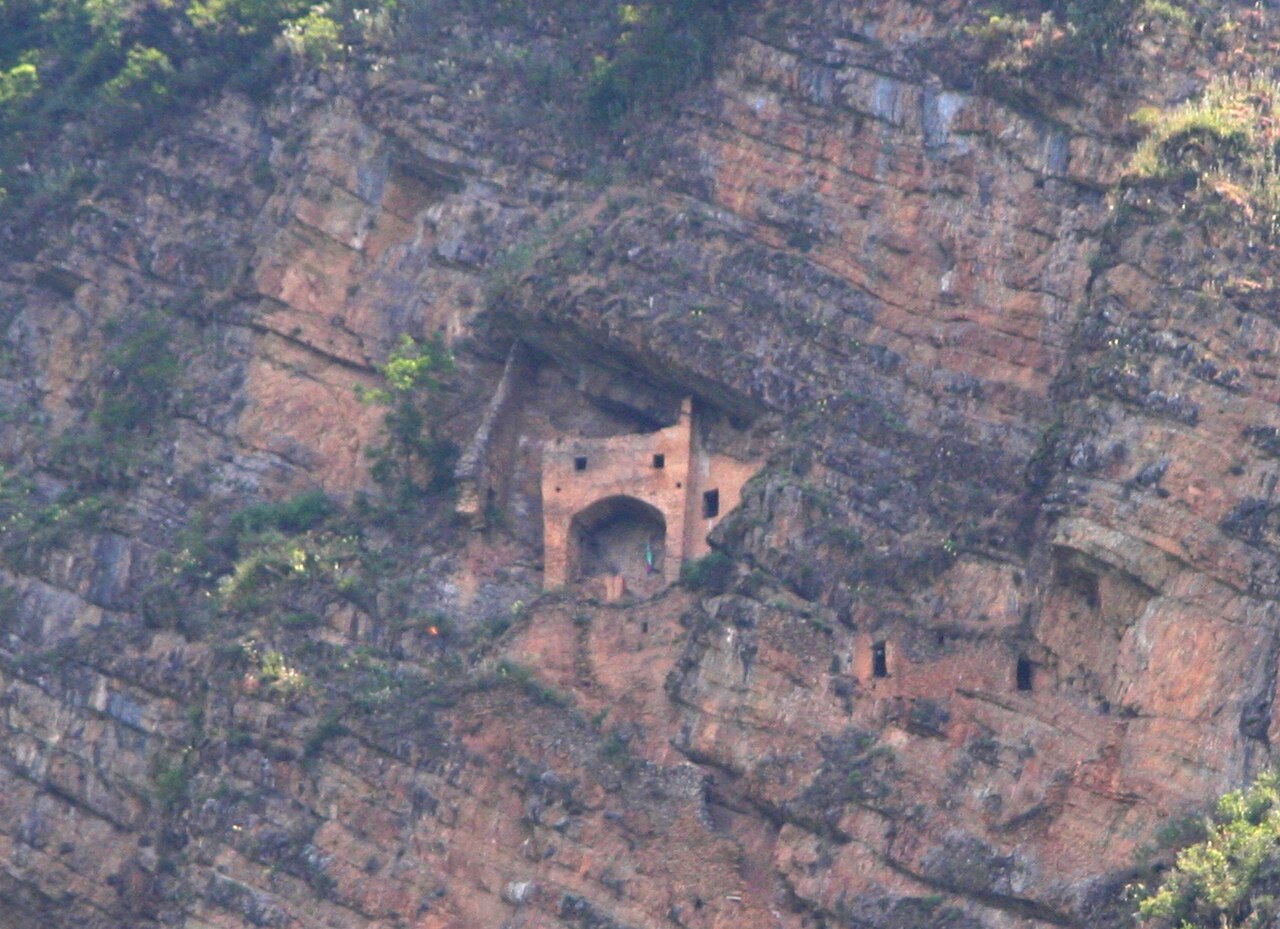
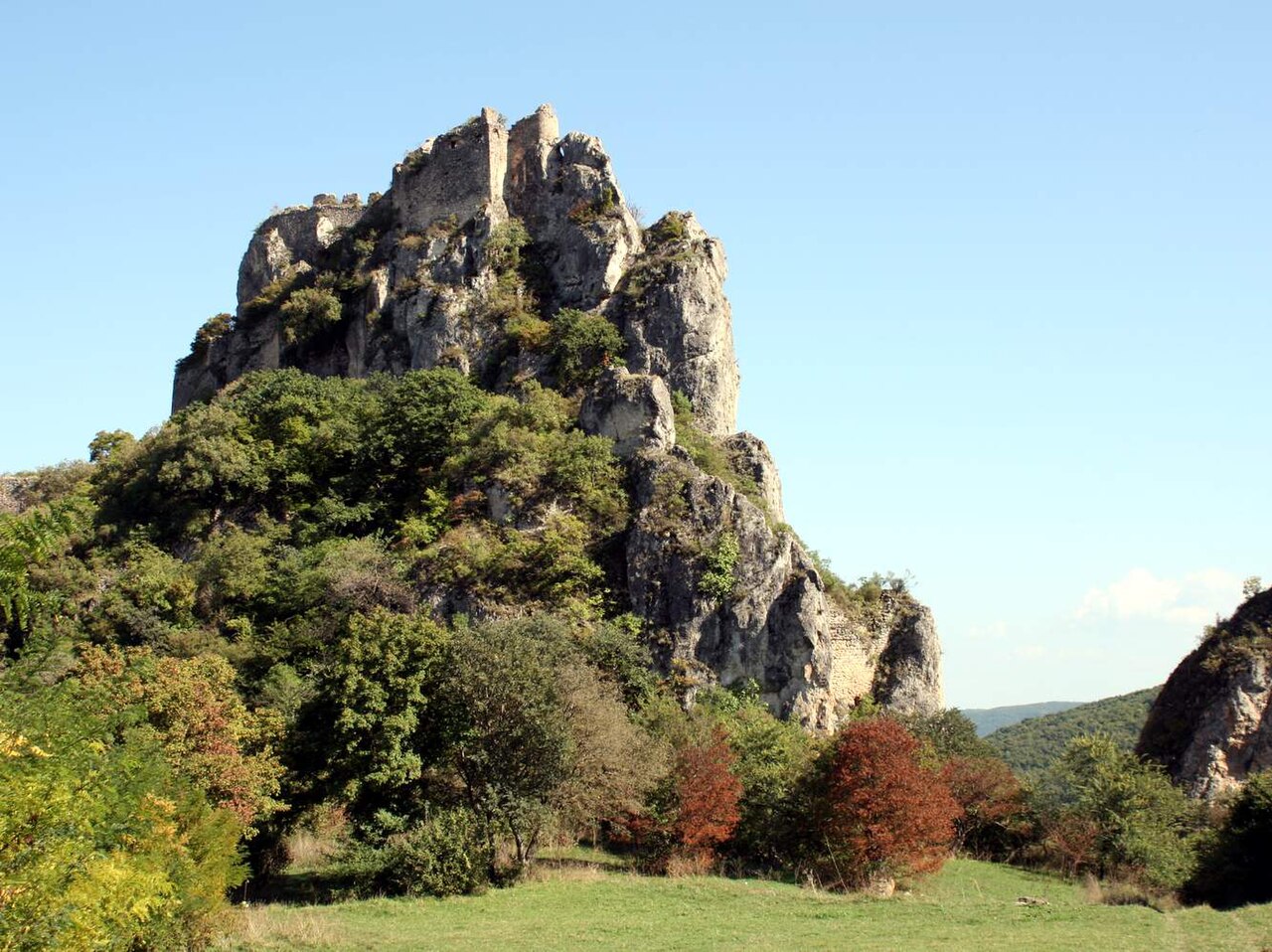
Torres de Katej is a historic hill castle located in Azerbaijan. Although the exact city of its location remains uncertain, the castle's elevated position on a hilltop highlights its strategic importance in controlling surrounding territories. This type of castle, classified as a hill castle, was typically constructed to take advantage of natural elevations for defense and visibility against potential invaders.

Historical context and significance

The castle dates back to the medieval period, reflecting the architectural and military traditions of the region during that era. Hill castles like Torres de Katej were often built between the 10th and 15th centuries to serve as fortifications and administrative centers for local rulers. The exact construction date of Torres de Katej is not precisely documented, but its style and location suggest it played a role in regional defense and control during turbulent periods in Azerbaijan's history.

Architectural features and layout

Torres de Katej exhibits typical characteristics of a hill castle with fortifications adapted to the natural terrain. The castle likely includes stone walls that follow the contours of the hill, providing a strong defensive perimeter. Defensive features such as battlements, watchtowers, and possibly a gatehouse would have been integral to its design, allowing defenders to monitor and repel attackers effectively.

The internal layout probably consists of a courtyard surrounded by residential and service buildings, including storerooms and living quarters for the garrison. The elevated location would have provided commanding views over the surrounding landscape, crucial for early warning and defense.

Construction materials and techniques

The castle was likely constructed using locally sourced stone and mortar, materials common in medieval Azerbaijani fortifications. The use of robust stonework would have ensured the castle's durability against both natural erosion and military assaults. The masonry techniques used would have reflected the regional craftsmanship traditions of the time.

Current condition and preservation

Today, Torres de Katej stands as a ruin, with remnants of its walls and structural elements still visible. The castle's preservation state allows visitors and researchers to appreciate its historical significance and architectural style, although much of the original structure has been lost to time and environmental factors.

Visiting Torres de Katej

While detailed visitor information is limited due to the castle's remote location and uncertain city placement, Torres de Katej remains an important cultural and historical site in Azerbaijan. Visitors interested in medieval architecture and history may find the castle's ruins a compelling destination for exploration and study.

Accessibility and tourism potential

Access to the castle may require travel through rural or mountainous terrain, typical for hill castles. Efforts to improve tourism infrastructure could enhance visitor experiences, but currently, the site is best suited for adventurous travelers and those with an interest in historical fortifications.

Nearby attractions

Depending on its exact location, Torres de Katej may be near other historical sites and natural landmarks in Azerbaijan, offering additional opportunities for cultural and outdoor activities.

Frequently asked questions (FAQ)

What is the historical significance of Torres de Katej?
Torres de Katej is a medieval hill castle in Azerbaijan that served as a strategic fortification for regional defense and control during turbulent periods.
Can I visit Torres de Katej?
Yes, visitors can explore the ruins of Torres de Katej, though detailed visitor information and facilities are limited due to its remote location.
What architectural features does Torres de Katej have?
The castle features typical hill castle elements such as stone walls, battlements, watchtowers, and a courtyard adapted to the natural terrain.
Is Torres de Katej well preserved?
Torres de Katej is currently in a ruined state, with visible remnants of its walls and structures that reflect its medieval origins.
How do I get to Torres de Katej?
Access may involve travel through rural or mountainous areas. Visitors should prepare for a potentially challenging journey due to the castle's hilltop location.

Photo gallery

Torres de Katej
Click to view

Photo by Elshanh•CC BY-SA 4.0

1 photo • Click any image to view in full screen

Information

Hill Castle

Loading map...

Visitor reviews

No reviews yet. Been here? Write the first review and help other travelers!

Write the first review

Visited this castle? Share your experience

Your review helps other travelers and adds first-hand knowledge to our encyclopedia.
Write a review

(5/5)

0/2000 characters

Your review will be visible after admin approval

Nearby castles

10.2 km
Chingizgala — Azerbaijan castle

Chingizgala

, Azerbaijan

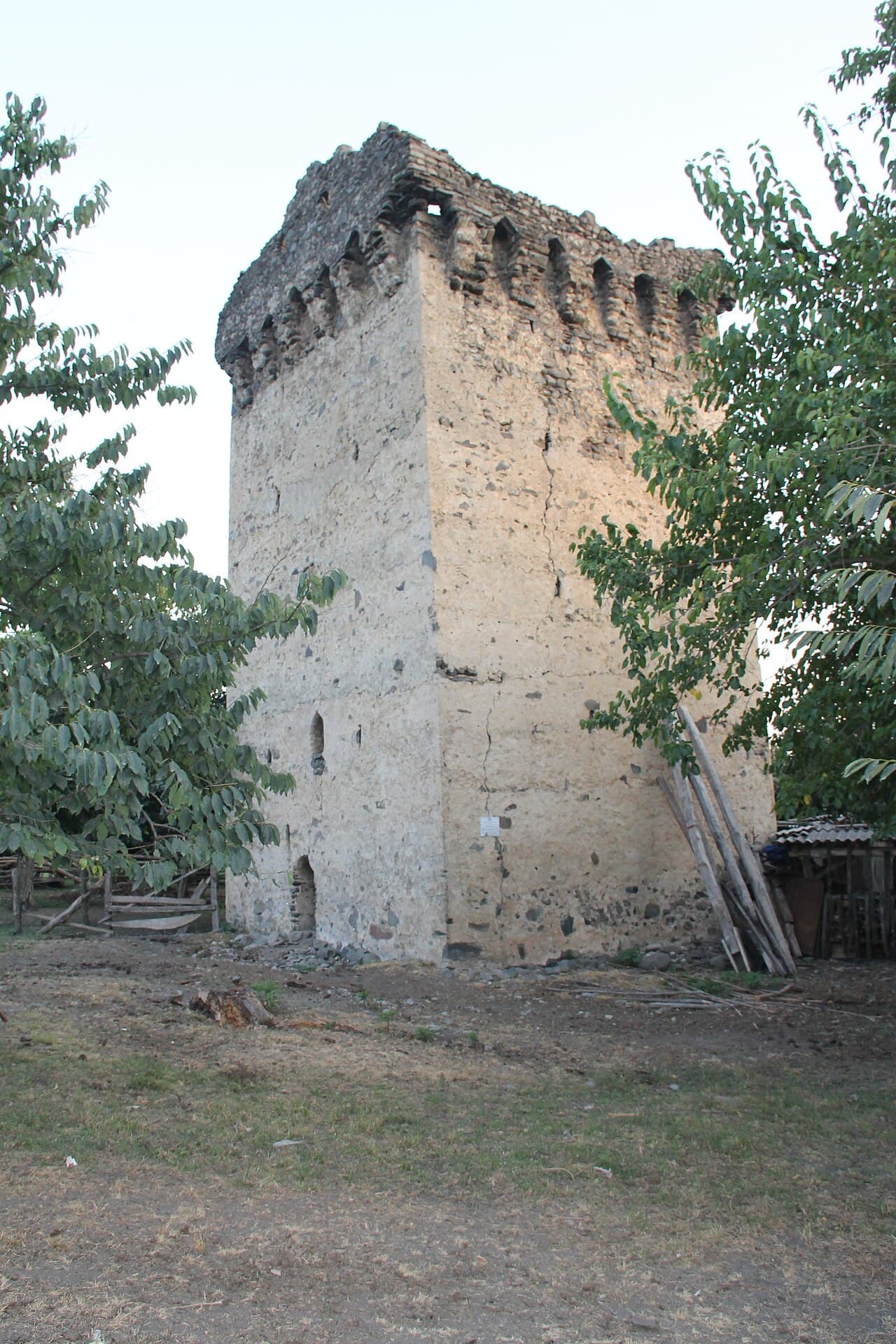
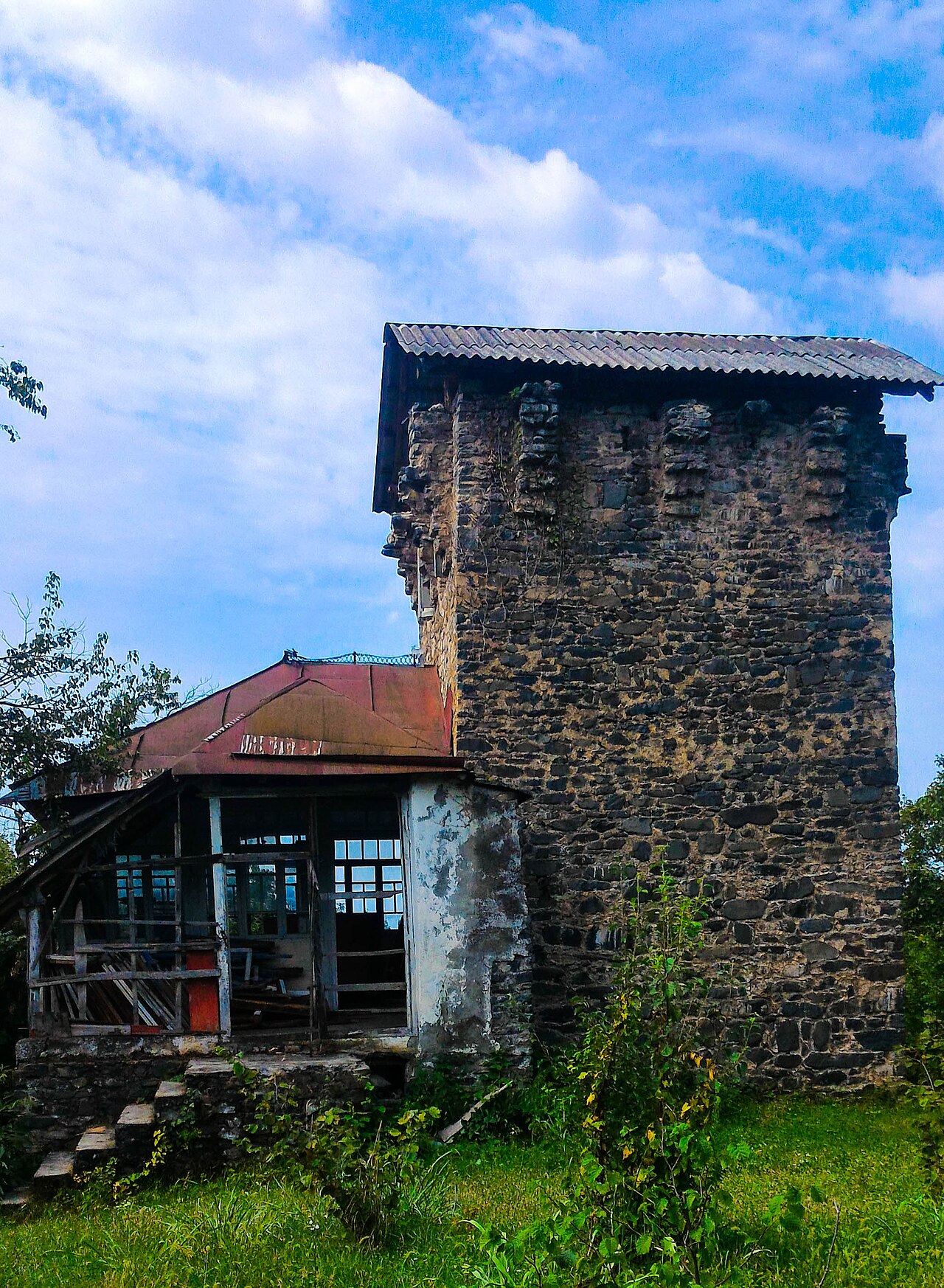
Chingizgala, also known as Jingozgala, is a notable hill castle tower situated in the Jar village within the Zagatala District of Azerbaijan. This tower dates back to the 16th century, placing it within the Renaissance period of architectural development in the region. The structure exemplifies the defensive needs and architectural responses of the time, reflecting the harsh life and turbulent history of the local society that constructed it. Architectural features and fortification layout The tower itself represents the best-preserved element of what was once a larger fortified complex. Though much of the surrounding walls have been lost, the remnants suggest that the site was not merely a solitary tower but part of a small fortification. The surviving sections of the walls reveal a defensive perimeter that enclosed the adjacent area, indicating strategic considerations for protection and control. The tower's design emphasizes strength and stability, with robust masonry and a commanding presence overlooking the surrounding landscape. Its location near a road would have provided both a vantage point for surveillance and a means to control movement through the area. Historical context and significance Chingizgala's construction in the 16th century places it in a period marked by regional conflicts and shifting powers in the Caucasus. Fortifications such as this tower were essential for local communities to defend themselves against invasions and raids. The architecture reflects practical military needs rather than ornamental design, focusing on durability and defensive capability. The tower and its adjacent fortification walls illustrate the typical defensive strategies employed in Azerbaijani hill castles during the Renaissance period. These structures served not only as military strongholds but also as symbols of control and territorial presence in a contested landscape. Later alterations and preservation challenges During the 20th century, the tower and a nearby house were inhabited, which unfortunately led to some distortion of the original architectural features and the destruction of certain parts of the structure. These modifications have complicated efforts to fully understand and preserve the tower's original form. Despite these challenges, Chingizgala remains a valuable cultural and historical landmark. Its partially preserved walls and tower provide insight into the defensive architecture of the period and the lifestyle of the communities that relied on such fortifications. Location and accessibility Located in the Zagatala District, a region known for its diverse cultural heritage and historical sites, Chingizgala is accessible via local roads. The tower's proximity to the road suggests it was strategically placed for oversight and control of movement through the area. Visitors to the site can observe the remaining structure and gain an understanding of the military architecture typical of the Renaissance-era hill castles in Azerbaijan. The site offers a tangible connection to the region's historical defensive networks. Architectural style and typology Chingizgala is classified as a hill castle, a type of fortress built on elevated terrain to maximize defensive advantage. Its architectural style aligns with the practical and functional characteristics of the Renaissance period fortifications in the Caucasus, focusing on solid construction and strategic positioning rather than elaborate decoration. The tower's robust masonry, limited openings, and commanding height are typical features designed to withstand sieges and provide surveillance capabilities. These elements reflect the military architecture trends in Azerbaijan during the 16th century. Preservation status and cultural importance Currently, Chingizgala is in a partially preserved state, with significant portions of the surrounding walls lost or damaged. The tower itself remains the most intact part of the complex, serving as a key monument for understanding the region's defensive architecture. Its survival offers valuable insights into the construction techniques and strategic considerations of the time. The site holds cultural importance as part of Azerbaijan's historical heritage, representing the resilience and adaptability of local communities in a historically volatile region.

Renaissance (15th–17th c.)
Details
18.8 km
Parigala — Azerbaijan castle

Parigala

, Azerbaijan

Parigala, meaning "Fairy Castle" in Azerbaijani, is a remarkable and enigmatic fortress perched high on a limestone cliff in the foothills of the Caucasus Mountains near the village of Chardaghlar in northwest Azerbaijan. This remote site is one of the country's lesser-known archaeological treasures, notable for its dramatic location and unusual construction. Built approximately 300 metres above the ground, the fortress clings to the cliffside, offering a unique example of ancient defensive architecture adapted to a challenging natural environment. Historical context and period The fortress is believed to date from the Caucasian Albanian period, roughly between the 4th and 8th centuries AD. Caucasian Albania was an ancient kingdom situated in the area of modern Azerbaijan and parts of southern Dagestan. Parigala's construction during this era places it within a significant historical context when the region was a crossroads of various cultures and empires, including influences from the Roman, Persian, and early Islamic worlds. While the exact purpose of Parigala remains uncertain, its strategic cliffside position suggests a defensive role, possibly serving as a refuge or watchpoint against invaders. The fortress's isolation and difficult access may have contributed to its preservation and the mystery surrounding its original function. Architectural features and construction Parigala is built primarily from limestone bricks carefully fitted to the natural rock face. The structure consists of three interconnected rooms, each featuring a window, which indicates the importance of natural light and ventilation despite the fortress's precarious location. The rooms are arranged linearly along the cliff, maximizing the use of limited space. Access to the fortress is one of its most striking features. Visitors must ascend a forty-metre stairway carved into the rock and reinforced with oak beams for stability. Additionally, a covered walkway provides some protection from the elements. Due to the site's inaccessibility, local guides have installed a ladder to aid climbers, but reaching Parigala still requires considerable physical effort and mountaineering skill. The top of the stairway has suffered some damage, likely from an earthquake, which has caused it to separate from the rock face. Despite this, the overall condition of the fortress is well preserved. The wear on the limestone bricks and the structure itself suggests that Parigala was inhabited for an extended period, indicating its importance to the people who built and used it. Significance and cultural heritage Parigala holds a special place in Azerbaijani cultural heritage due to its unique location and historical background. The name "Fairy Castle" reflects local folklore and the mysterious aura surrounding the site. Its remote position has limited tourism, preserving its authenticity but also making it less accessible to the general public. The fortress exemplifies the ingenuity of ancient builders who adapted their construction techniques to the natural landscape, creating a defensible position that leveraged the steep cliff for protection. Its survival through centuries of natural and human challenges adds to its archaeological and historical value. Visiting Parigala Due to its remote location and the physical demands of the ascent, Parigala is visited mainly by experienced hikers and those interested in archaeology and history. The climb requires a strong level of fitness and mountaineering skills, as well as caution due to the exposed nature of the stairway and ladder. Visitors are advised to arrange visits with local guides familiar with the terrain to ensure safety. The site offers striking views of the surrounding Caucasus foothills and a rare glimpse into the region's ancient past.

Early Medieval (5th–10th c.)
Details
40.4 km
Khornabuji Castle — Georgia castle

Khornabuji Castle

Dedoplistsqaro, Georgia

Khornabuji Castle, also known as the Fortress of Tamar, is a significant archaeological and historical site located in the eastern Georgian region of Kakheti, near the town of Dedoplistsqaro. Situated on the commanding heights of the Tsiv-Gombori Range, this castle overlooks the fertile valleys of the Iori and Alazani rivers, which made it a strategic defensive position from ancient times. The origins of Khornabuji Castle trace back to the end of the 1st millennium BC, making it one of the oldest known fortifications in the region. Its initial construction aimed to control the vital river valleys and protect the settlements that developed in the area. Extensive archaeological excavations conducted in the 1970s uncovered evidence of a thriving settlement beneath the castle, revealing continuous occupation from the pre-medieval period through the medieval era. Early history and archaeological significance The earliest written records mentioning Khornabuji date to the reign of Vakhtang I of Iberia (also known as Vakhtang the Wolf Head) in the 5th century. At that time, Khornabuji was one of the largest settlements in the Kakheti region and held ecclesiastical importance, as Vakhtang appointed a bishop there following the construction of the Svetitskhoveli Cathedral in Mtskheta. This highlights the castle's role not only as a military stronghold but also as a center of religious and administrative authority. In the late 5th or early 6th century, the castle and its surrounding town fell under the control of the Sasanian Empire. Historical accounts suggest that while the town was destroyed during this period, the fortress itself survived, continuing to serve as a defensive bastion. Over the subsequent centuries, the town was reestablished on the flatlands south of the castle rock, indicating the resilience and strategic importance of the location. Medieval reconstruction and historical events During the 13th century, some historical sources attribute the rebuilding of Khornabuji Castle to the reign of Queen Tamar of Georgia, a prominent medieval monarch known for her architectural patronage and military campaigns. However, there is scholarly debate about whether these references pertain specifically to Khornabuji or to other fortifications constructed during her reign. The castle and its township experienced significant upheaval in the mid-13th century. Around 1264, according to one interpretation of historical records, the area was devastated by Mongol invasions led by Berke Khan. Survivors reportedly relocated to the town of Sighnaghi, resulting in the abandonment of the settlement outside the castle walls. An alternative historical perspective suggests that the decline of the township occurred in the 17th century during invasions by Iranian forces under Shāh Abbās, which led to widespread destruction in the region. Reconstruction under Heraclius II The fortress saw restoration efforts under Heraclius II of Kartli-Kakheti in the 18th century. While the castle itself was rebuilt to serve defensive purposes during his reign, the surrounding township was not reestablished, leaving the fortress isolated on its rocky outcrop. This restoration reflects the continued military significance of the site even as regional political dynamics shifted. Architectural features and defensive structures Khornabuji Castle is classified as an archaeological ruin today, with remnants of its medieval fortifications still visible. The castle's location on a steep rocky hill provided natural defense, enhanced by man-made fortifications such as thick stone walls, towers, and battlements designed to repel invaders. The strategic position allowed control over the adjacent river valleys, crucial for monitoring trade routes and military movements. The castle's layout includes remains of defensive walls that once enclosed the fortress, as well as foundations of towers that would have served as lookout points and platforms for archers. The rocky terrain limited the size of the fortress but increased its defensibility. Archaeological findings also suggest the presence of residential quarters, storage facilities, and possibly a chapel within the castle precincts, indicating its role as both a military and administrative center. Khornabuji in the context of Georgian history Khornabuji Castle holds a notable place in the history of eastern Georgia, reflecting the region's turbulent past marked by invasions, religious developments, and shifting political powers. Its connection to prominent figures such as Vakhtang I and Queen Tamar underscores its importance in Georgian cultural heritage. The castle's endurance through centuries of conflict and reconstruction highlights the resilience of Georgian fortification architecture. Today, Khornabuji is a valuable site for historians and archaeologists studying medieval Georgian fortifications and settlement patterns. Its ruins offer insights into the military strategies and architectural techniques employed in the Caucasus region during the High medieval period. The site also attracts visitors interested in Georgia's ancient history and the dramatic landscapes of Kakheti. Visiting Khornabuji Castle While the castle remains are in a state of ruins, the site is accessible to visitors who can explore the rugged terrain and observe the stone remnants that hint at the fortress's former grandeur. The location provides panoramic views of the surrounding valleys, making it a point of interest for both history enthusiasts and nature lovers. Visitors should prepare for uneven ground and limited facilities, as the site is primarily an archaeological preserve rather than a fully restored tourist attraction.

High Medieval (11th–13th c.)
Details