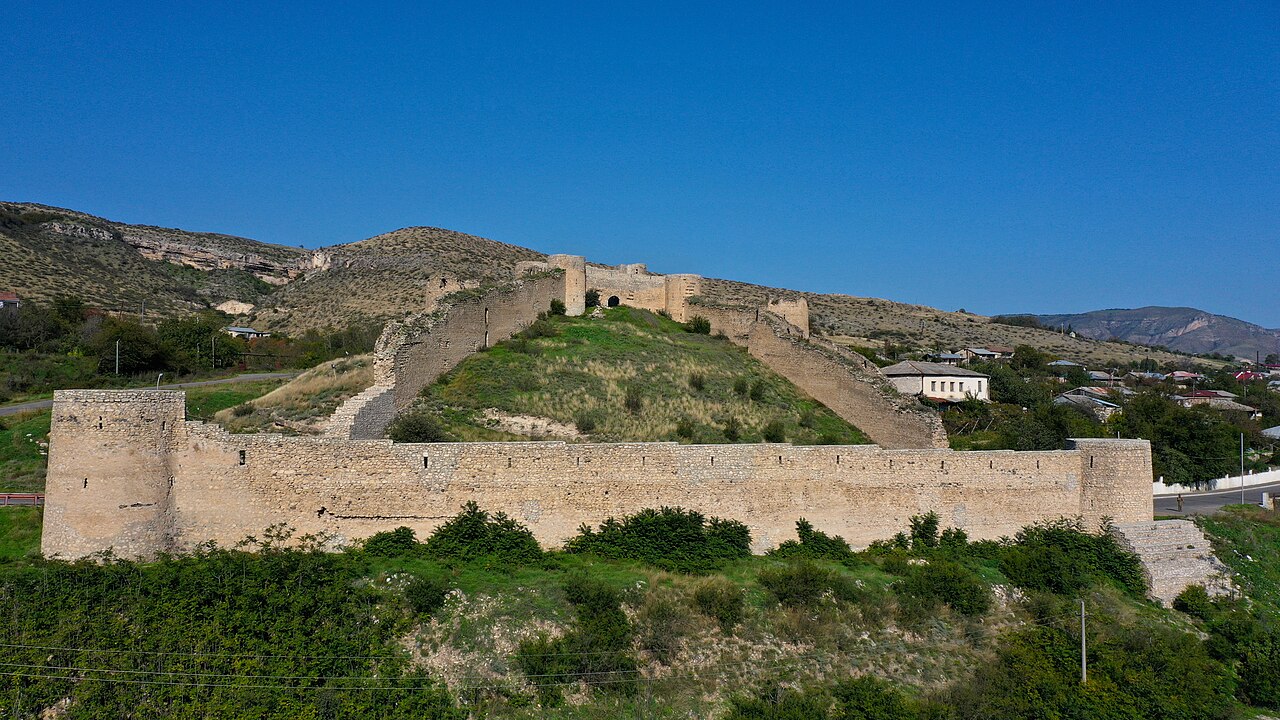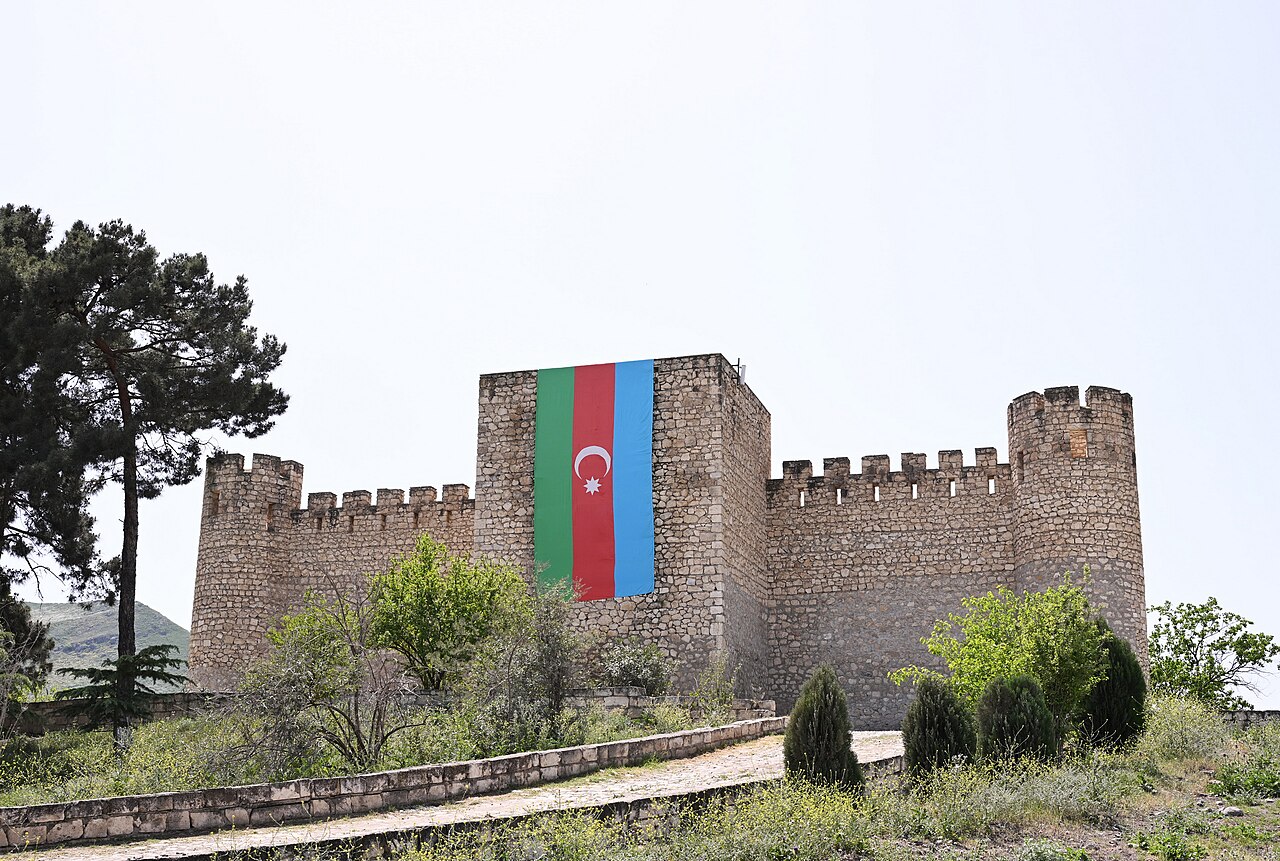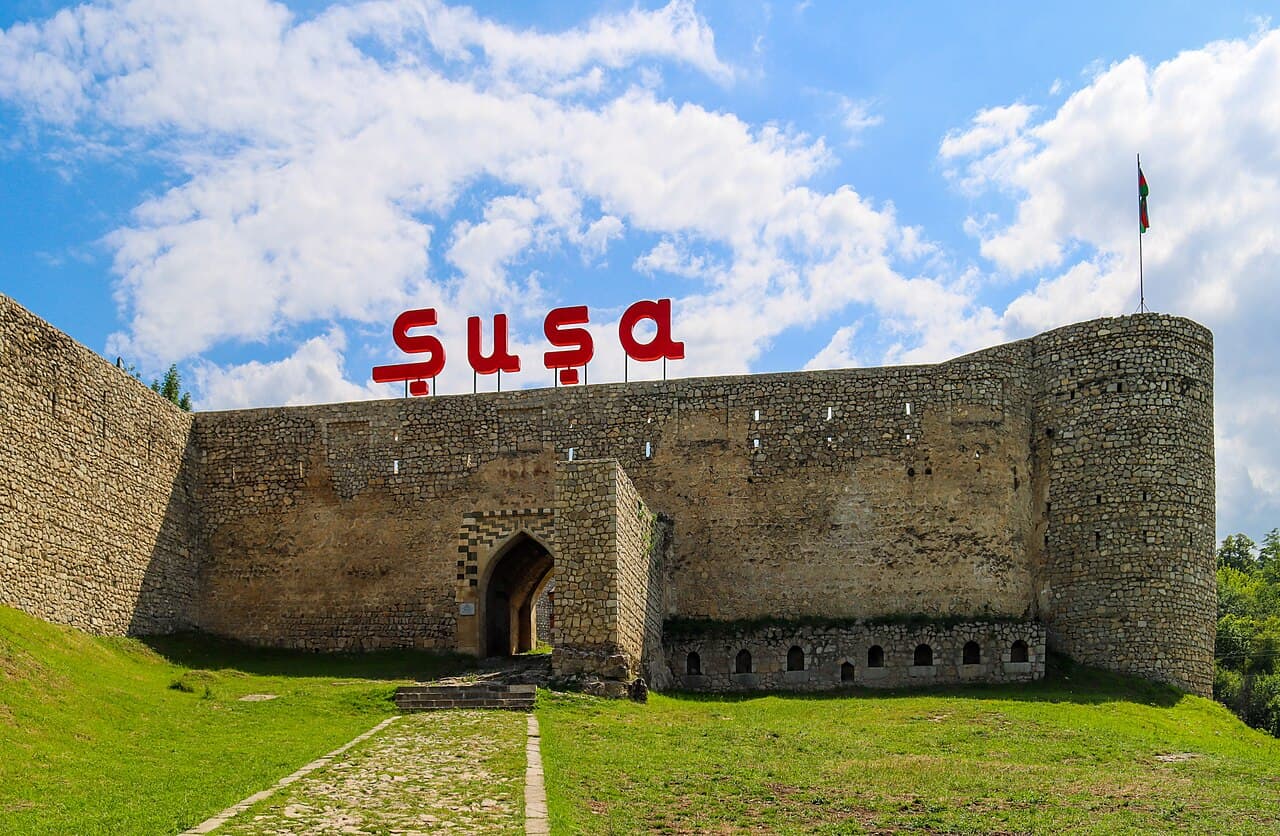
The Shusha fortress (Azerbaijani: Şuşa qalası, Persian: قلعه شوش, Armenian: Շուշիի բերդ) is a bastioned fortress that encloses the historical center of Shusha city in Azerbaijan. Constructed in the 18th century during the post-Renaissance period, this fortress was originally known as the Panahabad fortress, named after its founder Panah Ali Khan. Alongside Melik Shahnazar, Panah Ali Khan established this fortification as a strategic stronghold. Over time, the settlement became commonly referred to simply as the "Fortress."
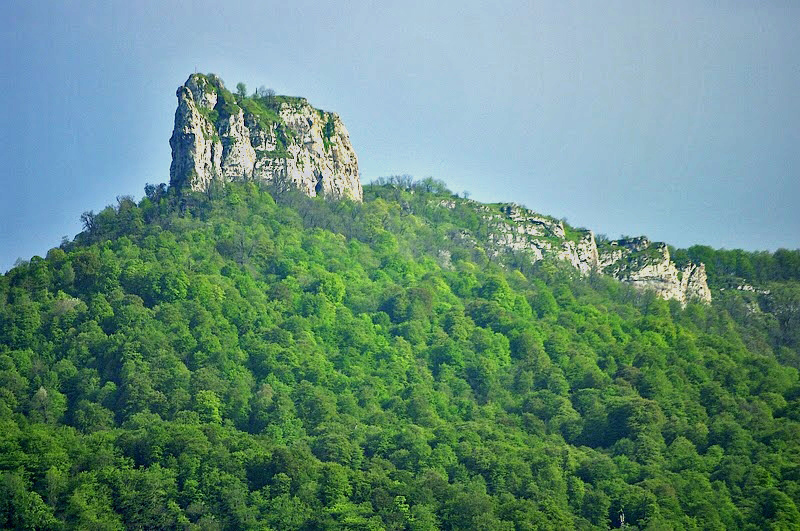
The earliest record of a settlement in the area dates back to a 15th-century illustrated Armenian gospel, which mentions the "Shushu village," indicating the longstanding historical significance of this location. The fortress itself is situated on a mountainous plateau that forms a natural amphitheater on its western side, characterized by numerous hills and rifts. The elevation ranges from 1300 to 1600 metres above sea level, with the highest point located centrally along the length of the plateau.
Strategic location and terrain
The choice of location for the Shusha fortress reflects typical feudal architectural principles, emphasizing natural defense advantages. The fortress commands a dominant position on the plateau, surrounded by steep slopes and natural barriers that enhance its defensive capabilities. The central hill running lengthwise through the plateau provides a vantage point for surveillance and control over the surrounding region.
Architectural features and fortifications
The fortress is a prime example of bastioned fortress design, a style that became prominent in the post-Renaissance era, incorporating angled bastions to provide overlapping fields of fire and improved defense against artillery. The walls of Shusha fortress are constructed to adapt to the uneven terrain, with fortifications following the natural contours of the plateau.
The fortress had three main gates, each named after significant nearby cities or regions: the Ganja Gate, the Iravan Gate, and the Aghoghlan Gate. These gates are frequently mentioned in historical records and appear in the 19th-century plans of Shusha, underscoring their importance for access and defense. The gates were fortified and likely equipped with defensive towers and mechanisms to control entry and exit.
Defensive structures and layout
The fortress walls are punctuated by bastions and towers positioned to maximize defensive coverage. The bastions allowed defenders to cover adjacent walls with crossfire, a significant advancement over earlier medieval fortifications. The layout of the fortress integrates natural features such as cliffs and steep slopes, reducing the need for extensive artificial defenses on certain sides.
Historical context and significance
Shusha fortress played a crucial role in the regional power dynamics of the Caucasus during the 18th century. Founded by Panah Ali Khan, a prominent figure in the Karabakh Khanate, the fortress served as both a military stronghold and an administrative center. It was designed to protect the newly established city of Shusha from external threats and to assert control over the surrounding territories.
The fortress witnessed various conflicts and sieges throughout its history, reflecting the turbulent political landscape of the Caucasus region. Its strategic position made it a focal point in military campaigns and power struggles between local khanates and neighboring empires.
Urban development and cultural heritage
The fortress encircles the historical core of Shusha, which developed into a vibrant urban center with cultural, religious, and commercial significance. Within the walls, the city contained residential quarters, mosques, caravanserais, and public spaces that reflected the diverse cultural influences of the region.
The architectural style of the fortress and the city combines functional military features with aesthetic elements characteristic of the feudal period. The integration of the fortress into the natural landscape demonstrates a sophisticated understanding of terrain and defensive architecture.
Current condition and preservation
Today, the Shusha fortress remains a prominent historical monument in Azerbaijan. While parts of the fortress have suffered damage over time due to conflicts and natural decay, significant sections of the walls and gates are still preserved. Restoration efforts have been undertaken to maintain the fortress as a cultural heritage site and to promote its historical importance.
The fortress continues to attract visitors interested in the rich history and architecture of the Caucasus region. Its commanding location offers panoramic views of the surrounding landscape, enhancing its appeal as both a historical and tourist destination.
Frequently asked questions (FAQ)
- What is the historical significance of Shusha fortress?
- Shusha fortress was founded in the 18th century by Panah Ali Khan as a military stronghold and administrative center for the Karabakh Khanate, playing a key role in regional defense and politics.
- How is the fortress designed to take advantage of its location?
- The fortress is built on a mountainous plateau with natural amphitheater features, using steep slopes and elevation between 1300 and 1600 metres to enhance defense and surveillance.
- What are the main gates of Shusha fortress?
- The fortress has three main gates: Ganja Gate, Iravan Gate, and Aghoghlan Gate, which are well-documented in historical sources and 19th-century plans.
- Can visitors see the fortress today?
- Yes, significant parts of Shusha fortress remain preserved and accessible to visitors, with ongoing restoration efforts to maintain its cultural heritage.
- What architectural style does Shusha fortress represent?
- Shusha fortress exemplifies the bastioned fortress style typical of the post-Renaissance period, incorporating angled bastions for improved defense against artillery.

Information
Loading map...
Visitor reviews
No reviews yet. Been here? Write the first review and help other travelers!
Write the first reviewVisited this castle? Share your experience
Your review helps other travelers and adds first-hand knowledge to our encyclopedia.