Shaki Fortress — Azerbaijan castle

Shaki Fortress

Shaki fortress in Azerbaijan
Shaki, Azerbaijan
Post-Renaissance (17th–18th c.)
Well Preserved

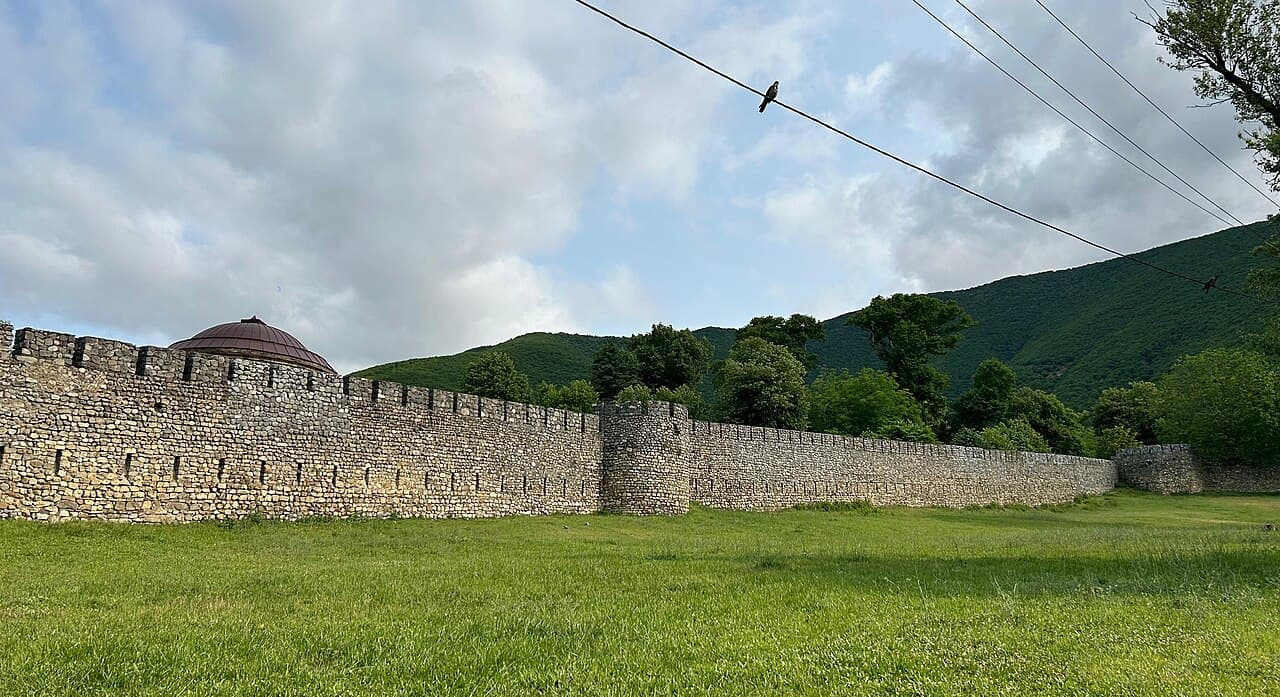
Shaki fortress is a prominent 18th-century bastioned fortress located in the city of Shaki in northern Azerbaijan. This fortress served as the fortified citadel of Shaki Khan Haki Celebi, reflecting the military and political significance of the region during the post-Renaissance period. The fortress complex notably includes the Shaki Khan’s palace, which stands as a remarkable example of the architectural and cultural heritage of the time.

Historical context and significance

The construction of Shaki fortress in the 18th century coincided with a period of regional conflicts and the need for strong defensive structures. The fortress was built to protect the city of Shaki and serve as a secure residence for the ruling Khan. Throughout its history, the fortress played a crucial role in the defense against invasions and internal strife within the Caucasus region.

Shaki was historically a significant center of governance and culture, and the fortress symbolized the authority of the Shaki Khanate. The fortress’s strategic location in northern Azerbaijan allowed it to control important trade routes and maintain political influence.

Architectural features and design

The fortress is classified as a bastioned fortress, a type of fortification that emerged prominently in the post-Renaissance era, characterized by angled bastions designed to provide overlapping fields of fire and improved defensive capabilities. This design reflects the military architectural advancements of the time, aimed at countering artillery threats.

Shaki fortress features robust stone walls and bastions that form a defensive perimeter around the central complex. The bastions are strategically placed to cover all approaches, allowing defenders to repel attackers effectively. The fortress walls are punctuated by gatehouses and watchtowers, which enhanced surveillance and control over the surrounding area.

Within the fortress, the Shaki Khan’s palace stands as an architectural jewel. The palace exhibits traditional Azerbaijani design elements, with intricate woodwork, ornamental decorations, and spacious halls. It served both as the residence of the Khan and as a place for administrative and ceremonial functions.

Defensive structures

The bastions of the fortress are designed with angled faces to deflect cannonballs and provide enfilading fire along the walls. The thick walls are constructed from local stone, ensuring durability and resistance to siege weapons. The fortress also includes a moat in some sections, adding an additional layer of defense against attackers.

Palace architecture

The Shaki Khan’s palace within the fortress complex is notable for its harmonious blend of defensive and aesthetic features. The palace’s interior includes decorative frescoes, stained glass windows, and finely carved wooden ceilings. These artistic elements highlight the cultural sophistication of the Shaki Khanate during the 18th century.

Preservation and current status

Today, Shaki fortress is recognized as an important historical monument in Azerbaijan. It is well preserved and accessible to visitors, offering insight into the region’s military and cultural history. Conservation efforts have focused on maintaining the structural integrity of the fortress walls and restoring the palace’s decorative features.

The fortress remains a popular tourist destination, attracting visitors interested in Azerbaijani history, architecture, and heritage. Its location in the city center of Shaki makes it an integral part of the urban landscape and cultural identity.

Visiting information and cultural importance

Visitors to Shaki fortress can explore the extensive defensive walls, bastions, and the richly decorated palace interior. The site often hosts cultural events and exhibitions that celebrate the history of the Shaki Khanate and Azerbaijani traditions.

The fortress’s combination of military architecture and artistic design provides a comprehensive understanding of the region’s historical context during the 18th century. It stands as a testament to the strategic importance and cultural achievements of the Shaki Khanate.

Frequently asked questions (FAQ)

How do I get to Shaki Fortress?
Shaki Fortress is located in Shaki, Azerbaijan, which is accessible by car or public transport from major cities like Baku. The journey takes approximately 5-6 hours by road. Once in Shaki, the fortress is a short walk from the city center, making it easy to visit.
What is the historical significance of Shaki Fortress?
Shaki Fortress, dating back to the 18th century, played a crucial role in the defense of the region against invasions. It showcases the rich history of Shaki as a trade hub and its strategic importance in the Caucasus. The fortress is also a symbol of the local architectural style and cultural heritage.
When was Shaki Fortress built?
Shaki Fortress was constructed in the mid-18th century, specifically around 1762, during the reign of the Karabakh Khanate. It was built to protect the city and its inhabitants from external threats. The fortress's construction reflects the military architecture of the time.
Can I enter Shaki Fortress?
Yes, visitors can enter Shaki Fortress and explore its impressive walls and towers. The site is open to the public, allowing guests to appreciate both the architecture and the panoramic views of the surrounding landscape. Be sure to wear comfortable shoes for the best experience.
Why is Shaki Fortress a popular tourist attraction?
Shaki Fortress is popular for its stunning historical architecture and breathtaking views of the surrounding hills and valleys. Visitors are drawn to its rich history and the opportunity to experience Azerbaijani culture. The fortress also serves as a picturesque backdrop for photography enthusiasts.
Is it possible to visit Shaki Fortress year-round?
Yes, Shaki Fortress is open year-round, though it is advisable to check local weather conditions before your visit. The best time to visit is during the spring and autumn months when the weather is mild and the scenery is particularly beautiful. Summer can be hot, while winter may bring some snow.
What are the opening hours for Shaki Fortress?
Shaki Fortress typically opens at 9 AM and closes at sunset, allowing ample time for exploration. Hours may vary slightly depending on the season, so it's recommended to check ahead of your visit. Visitors can enjoy the site during daylight hours for the best experience.
Are there any nearby attractions to visit?
Yes, after visiting Shaki Fortress, you can explore the nearby Shaki Khan's Palace, known for its stunning stained glass and intricate architecture. Other attractions include the local bazaar and the scenic landscapes of the surrounding region, which offer great opportunities for hiking and photography.
What are the ticket prices for Shaki Fortress?
As of now, the entrance to Shaki Fortress is generally free, making it an accessible attraction for all visitors. However, there may be small fees for guided tours or additional services. It's a great opportunity to explore Azerbaijani history without a significant cost.

Photo gallery

Shaki Fortress
Click to view

Photo by Rəcəb Yaxşı•CC BY-SA 4.0

1 photo • Click any image to view in full screen

Information

Bastioned Fortress

Loading map...

Visitor reviews

No reviews yet. Been here? Write the first review and help other travelers!

Write the first review

Visited this castle? Share your experience

Your review helps other travelers and adds first-hand knowledge to our encyclopedia.
Write a review

(5/5)

0/2000 characters

Your review will be visible after admin approval

Nearby castles

7.1 km
Galarsan-Gorarsan — Azerbaijan castle

Galarsan-Gorarsan

Shaki, Azerbaijan

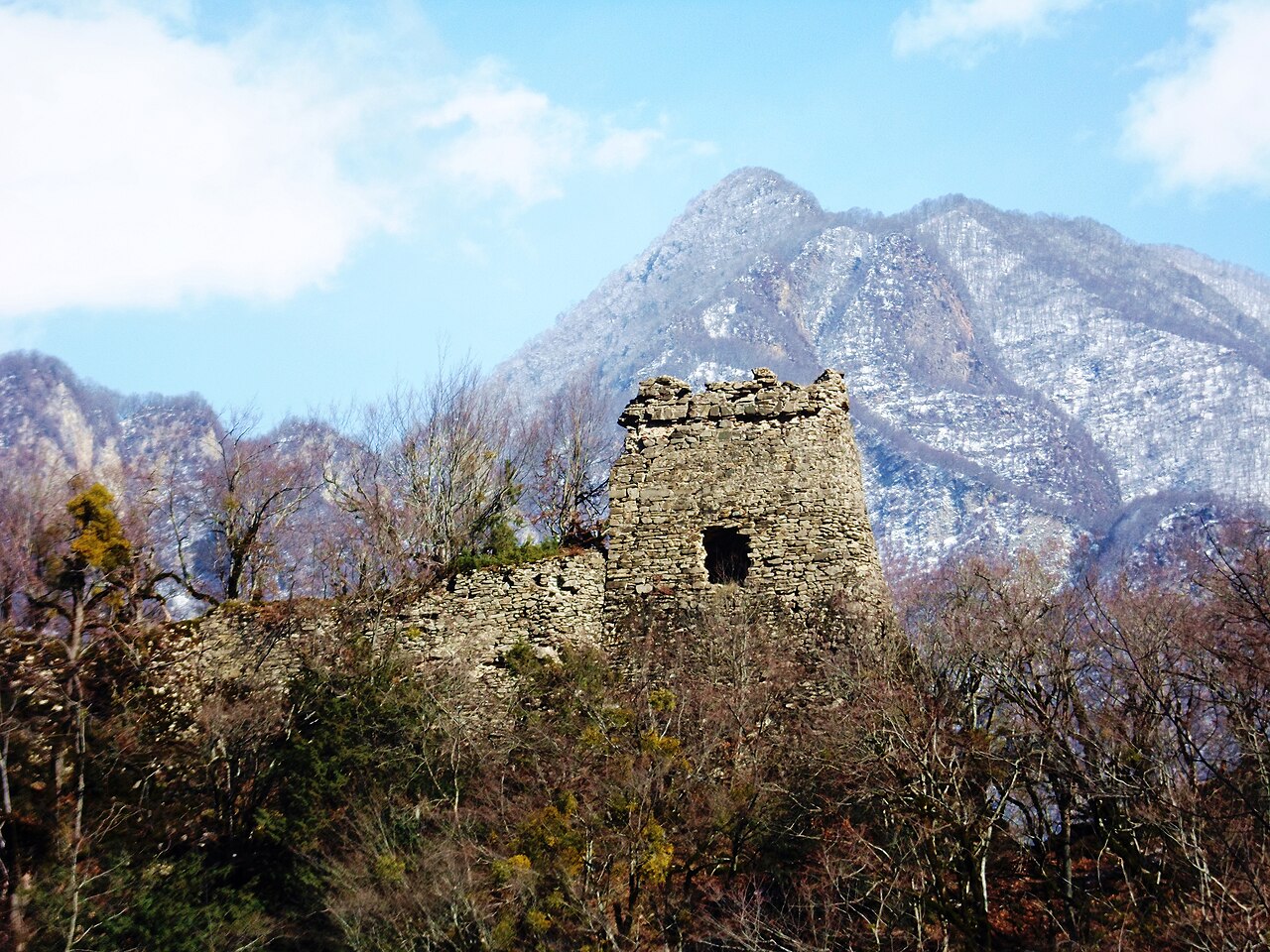
Galarsan-Gorarsan fortress is a notable medieval stronghold located in Azerbaijan, perched on the summit of Garatepe Mountain overlooking the Kish River. This hill castle dates back to the 12th century during the high medieval period and stands approximately 4 kilometres from the historic city of Shaki. Though now in ruins, the fortress remains an important cultural and historical monument reflecting the region's medieval defensive architecture. Historical context and strategic location The Galarsan-Gorarsan fortress was constructed during a time when the Caucasus region was a crossroads of various empires and local powers. Its position atop Garatepe Mountain provided a commanding view of the surrounding landscape, particularly the Kish River valley, allowing for early detection of approaching enemies and control over the vital river route. The fortress's strategic location was crucial for defense and regional control in the turbulent political environment of the high medieval era. Architectural features and design The fortress is classified as a hill castle, characterized by its elevated position which naturally enhances its defensive capabilities. The ruins indicate a complex layout adapted to the mountainous terrain, with remnants of thick stone walls constructed from local materials. The walls were likely reinforced with towers at key points to provide overlapping fields of fire and to strengthen the defense against sieges. Though detailed architectural plans are scarce due to the ruinous condition, the fortress probably included typical medieval features such as battlements, gatehouses, and possibly a keep or central stronghold area. The use of natural rock formations integrated into the walls would have added to the fortress’s resilience. Defensive adaptations The elevated site of Galarsan-Gorarsan made it difficult to assault directly. The steep slopes surrounding the castle acted as natural barriers. The fortress walls would have been designed to maximize the defensive advantage provided by the terrain. Access routes to the fortress were likely limited and heavily fortified to control movement and resist enemy advances. Historical significance and cultural heritage Galarsan-Gorarsan is an important example of medieval military architecture in Azerbaijan, representing the defensive needs and construction techniques of the period. It reflects the historical dynamics of the Caucasus region during the 12th century, when local rulers fortified their domains amidst competing regional powers. Today, the fortress ruins are a cultural heritage site that attracts historians, archaeologists, and visitors interested in Azerbaijan’s medieval past. The site provides valuable insights into the military strategies and architectural styles of the time. Preservation and current condition Currently, Galarsan-Gorarsan exists as ruins, with only fragments of its walls and structures remaining visible. The fortress has not been fully restored, and its preservation depends largely on natural conditions and limited conservation efforts. Visitors to the site can explore the remains and enjoy panoramic views of the surrounding landscape, which enhance the historical atmosphere of the location. Visiting information The fortress is accessible from Shaki, with a short journey to Garatepe Mountain. Due to its ruinous state and mountainous terrain, visitors should be prepared for a moderate hike and take care when exploring the site. The area offers opportunities for photography and historical exploration but lacks extensive visitor facilities.

High Medieval (11th–13th c.)
Details
31.4 km
Jinli Qala — Azerbaijan castle

Jinli Qala

İlisu, Azerbaijan

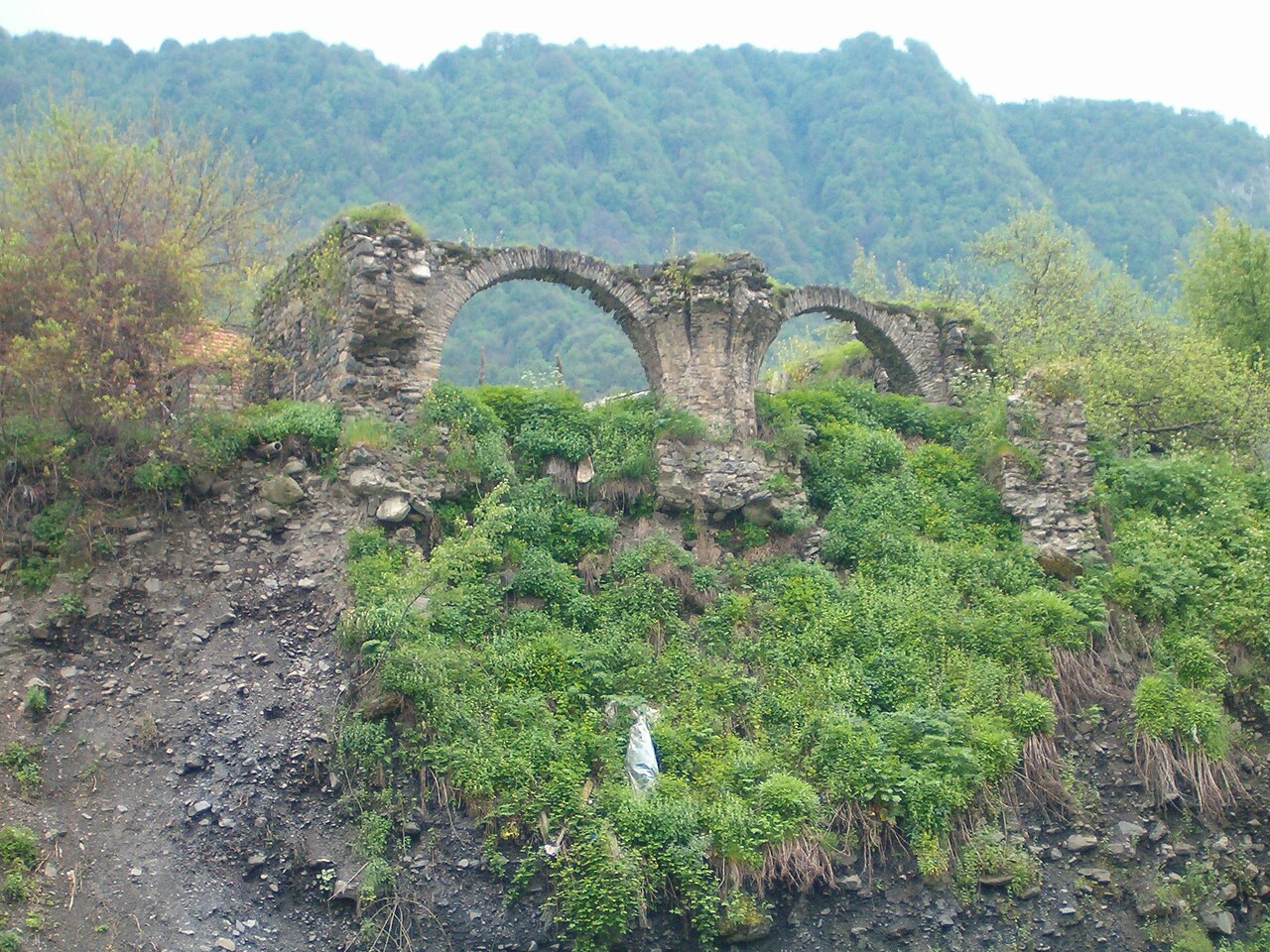
Jinli Castle, also known as Jinli-Gala (Azerbaijani: Cinli qala), is a historic fortress situated near the village of İlisu in the Gakh region of Azerbaijan. This bastioned fortress is recognized as an architectural monument of local importance by the Cabinet of Ministers of the Republic of Azerbaijan. Although there is some debate regarding its exact period of construction, the fortress is generally believed to have been built during the Early Medieval period, specifically between the 7th and 9th centuries. Some sources propose a later date in the 18th century, possibly linked to the era of frequent invasions and internal conflicts in the region, while others suggest the fortress saw use in the early 19th century amid clashes between Russian forces and local mountain populations. Historical context and significance The Gakh region where Jinli Qala is located has historically been a strategic area in the Caucasus, often contested due to its mountainous terrain and position along important trade and military routes. The fortress likely served as a defensive stronghold to protect local communities and control access through the region. Its construction during the early medieval centuries corresponds with a period of frequent regional conflicts and shifting powers, necessitating fortified structures for defense. Later historical events, including the expansion of the Russian Empire into the Caucasus in the 18th and 19th centuries, may have led to the fortress's reuse or refurbishment, reflecting its ongoing military importance. The fortress's endurance through these centuries highlights its robust construction and strategic placement. Architectural features and design As a bastioned fortress, Jinli Qala exhibits key defensive architectural elements typical of fortifications designed to withstand sieges and attacks. The bastion design incorporates projecting parts of the fortress walls, allowing defenders to cover adjacent walls with crossfire, reducing blind spots. This design was a significant advancement in military architecture, improving the fortress's defensive capabilities against artillery and infantry assaults. The fortress is constructed primarily from local stone, with thick walls designed to resist battering and provide shelter for defenders. Though detailed architectural surveys are limited, the fortress likely included towers, gates, and possibly moats or natural defensive barriers afforded by the mountainous landscape. The positioning near İlisu village suggests a commanding view of the surrounding terrain, critical for early warning and defense. Structural layout The layout of Jinli Qala would have been influenced by the natural topography, integrating the fortress into the hillside or rocky outcrop to maximize defense. Bastions placed at key points along the walls would provide overlapping fields of fire. The interior space would have accommodated garrison quarters, storage rooms, and possibly a central courtyard for assembling troops and supplies. Cultural and heritage importance Jinli Qala is recognized as an important cultural monument within Azerbaijan, reflecting the region's complex history of defense and settlement. Its designation as an architectural monument of local importance underlines its value for understanding medieval military architecture and regional history. The fortress contributes to the cultural landscape of Gakh, attracting scholars and visitors interested in Azerbaijan's historical fortifications. Preservation efforts, though limited, aim to maintain the fortress's structural integrity and promote awareness of its historical significance. Its location near İlisu village makes it accessible for cultural tourism, offering insight into the defensive strategies employed in the Caucasus across centuries. Current condition and preservation Today, Jinli Qala stands as a partially preserved fortress, with some sections of its walls and bastions remaining intact while others have succumbed to natural decay and time. The fortress's mountainous setting has helped protect it from extensive damage, but exposure to the elements and lack of comprehensive restoration have left parts in ruins. Ongoing interest in the site by local authorities and historians supports its conservation, though detailed restoration projects have been limited. Visitors to the site can observe the fortress's defensive features and appreciate its historical context within the rugged landscape of the Gakh region. Visiting jinli qala While Jinli Qala is not a major tourist destination with extensive visitor facilities, it offers a unique glimpse into Azerbaijan's medieval fortifications. Access is generally possible from İlisu village, with visitors advised to prepare for hiking and uneven terrain typical of mountain fortresses. There are no formal visiting hours or entrance fees, reflecting the site's status as a local heritage monument rather than a fully developed tourist site. Visitors should respect the fragile state of the ruins and the surrounding natural environment during their visit. Frequently asked questions When was Jinli Qala built? The fortress is believed to have been constructed between the 7th and 9th centuries, though some sources suggest later use or rebuilding in the 18th or early 19th centuries. What type of castle is Jinli Qala? It is a bastioned fortress, designed with projecting bastions for improved defense. Is Jinli Qala open to visitors? Yes, it is accessible to visitors, though there are no formal facilities or entrance fees. Where is Jinli Qala located? It is located near the village of İlisu in the Gakh region of Azerbaijan. What is the current condition of Jinli Qala? The fortress is partially preserved, with some walls and bastions still standing while other parts are in ruins.

Early Medieval (5th–10th c.)
Details
31.6 km
Fortress ruins in Ilisu — Azerbaijan castle

Fortress ruins in Ilisu

, Azerbaijan

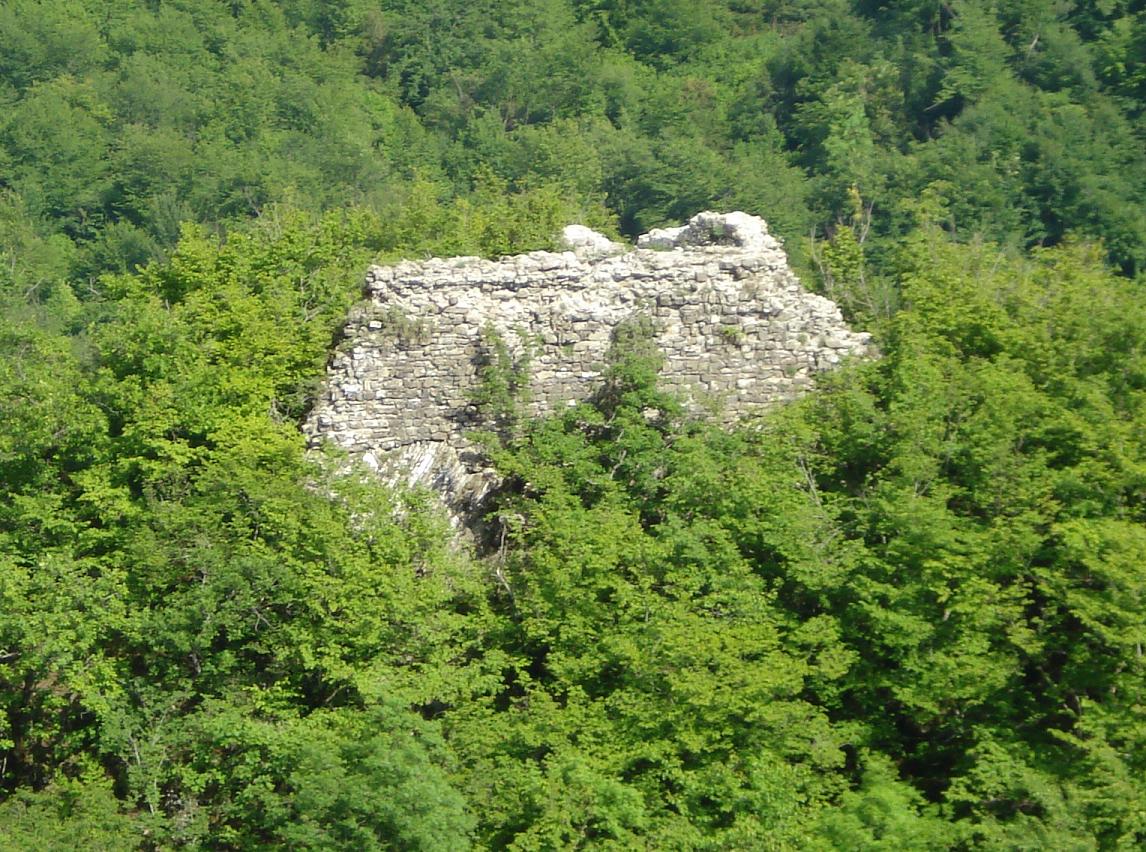
The fortress ruins in Ilisu stand as a significant archaeological site in Azerbaijan, reflecting the region's medieval military architecture and strategic importance. Located in the mountainous terrain of the Greater Caucasus range, this fortress was part of a network of defensive structures designed to control key trade routes and protect local populations from invasions. Historical context and strategic significance Ilisu fortress dates back to the medieval period, a time when the Caucasus region was a crossroads of various empires and cultures. The fortress played a crucial role in the defense system of the Ilisu Sultanate, which emerged in the 18th century but whose roots trace back to earlier fortifications on the site. The location was chosen for its natural defensive advantages, perched on a rocky outcrop overlooking the Ilisu Gorge and controlling access through the surrounding valleys. The fortress was part of a broader network of strongholds that included other nearby castles and watchtowers. These fortifications were essential for monitoring movement along the Silk Road routes that passed through the Caucasus, facilitating both trade and military control. Architectural features and construction The ruins reveal a fortress that was constructed primarily from local stone, utilizing the natural rock formations to enhance its defenses. The walls, though now partially collapsed, were originally thick and high, designed to withstand sieges and attacks. The fortress likely included towers at strategic points for observation and defense, as well as a gatehouse controlling the main entrance. Within the fortress, there would have been courtyards and possibly living quarters for the garrison, although much of these structures have not survived intact. The layout would have been compact and functional, optimized for defense rather than comfort. Current condition and archaeological importance Today, the fortress is classified as ruins, with significant portions of the walls and structures collapsed or eroded. However, the site remains an important archaeological and cultural heritage location, offering insights into the military architecture and regional history of the Caucasus. Ongoing archaeological efforts aim to preserve what remains and uncover more details about the fortress's construction phases and historical usage. The site attracts researchers interested in medieval fortifications and the history of the Ilisu region. Visiting the fortress ruins While the fortress ruins are accessible to visitors, the site is remote and requires careful planning to reach. The rugged terrain and limited infrastructure mean that visitors should be prepared for a hike and bring appropriate gear. There are no formal visitor facilities on site, so it is advisable to arrange guided tours through local agencies familiar with the area. Visiting the ruins offers a unique opportunity to explore a less-touristed but historically rich site, with panoramic views of the surrounding Caucasus mountains and valleys.

Details