
Algeria
Historical background and medieval period
Algeria's castle heritage is deeply rooted in its rich and diverse history, shaped by various civilizations that occupied the region over millennia. From the indigenous Berber kingdoms to the Roman Empire, and later Islamic dynasties, each era contributed to the development of fortifications across the country. The medieval period, in particular, saw a rise in the construction of castles and fortresses as centers of military, political, and administrative control.
During the Middle Ages, Algeria was a crossroads of cultures and empires, including the Zirid and Hammadid dynasties, and later the Almohads and Hafsids. These powers built numerous fortifications to defend strategic locations, trade routes, and urban centers. The castles from this period often served as bastions against rival factions and external invasions, reflecting the turbulent political landscape of medieval North Africa.
Continue reading below — scroll for the full article.
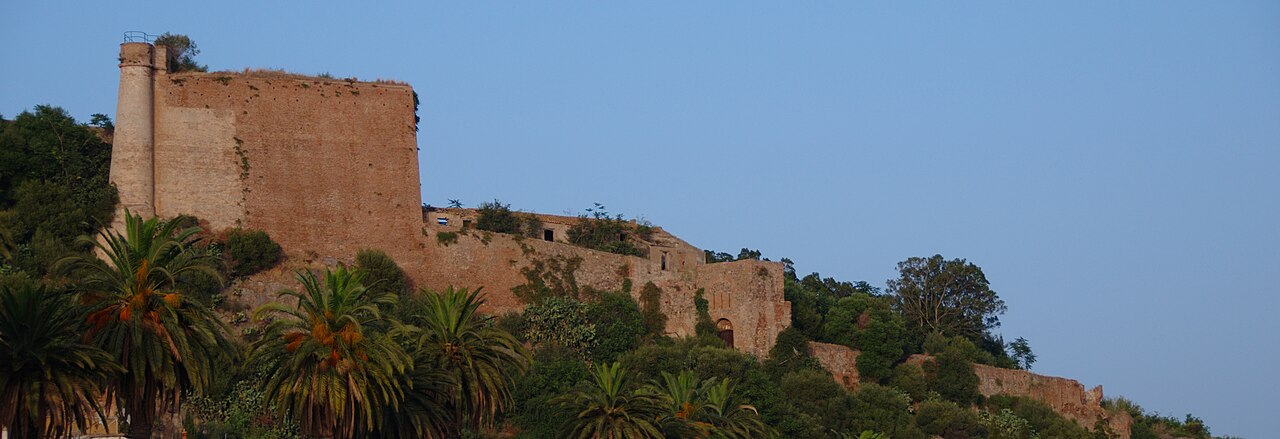
Best castles to visit in Algeria
Our editors' picks and the castles visitors save most, ranked. See all 11 castles
- 1
- 2
- 3
- 4
- 5
- 6
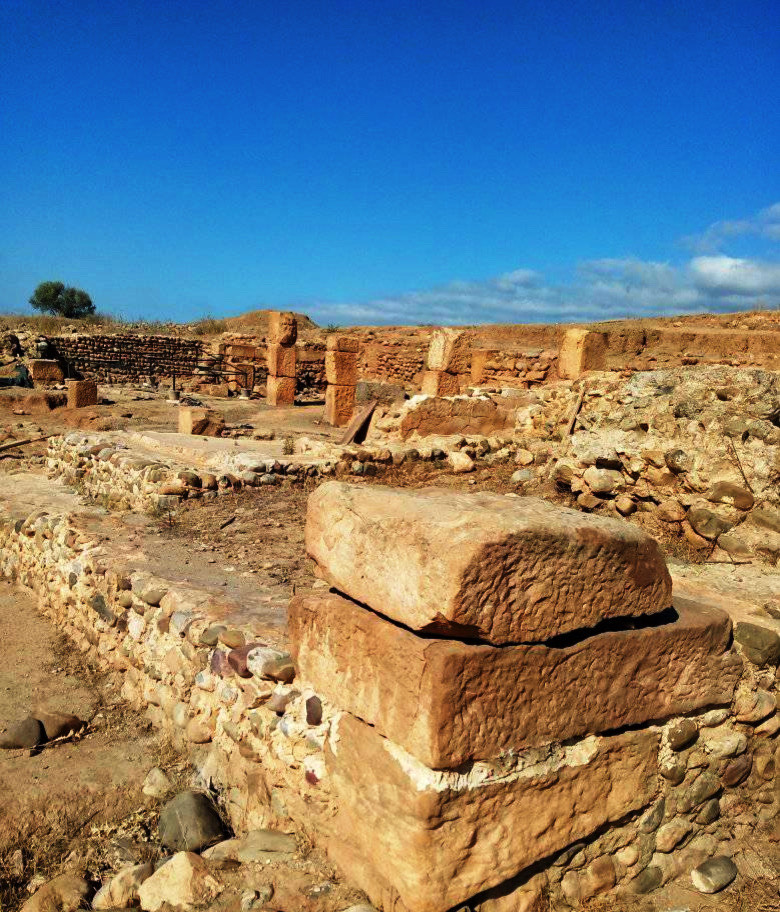
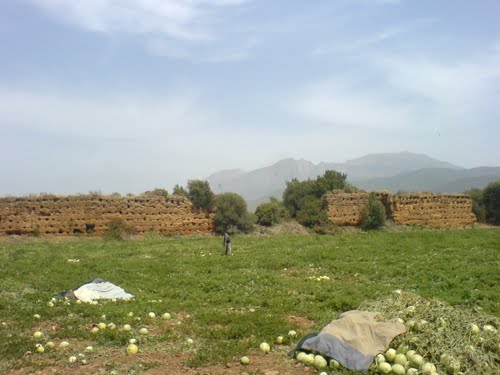
Types of fortifications in Algeria
Algeria's fortifications encompass a wide range of structures designed for defense and control. These include castles, fortresses, citadels, and extensive defensive walls. Many of these were built on elevated terrain or near key trade routes to maximize their strategic advantage.
Castles and fortified citadels
Castles in Algeria often functioned as fortified residences for ruling elites as well as military outposts. For instance, the Kasbah of Algiers is one of the most famous fortified citadels, combining defensive walls with residential quarters and administrative buildings. Its labyrinthine streets and high walls exemplify the dual purpose of protection and governance.
Fortresses and military strongholds
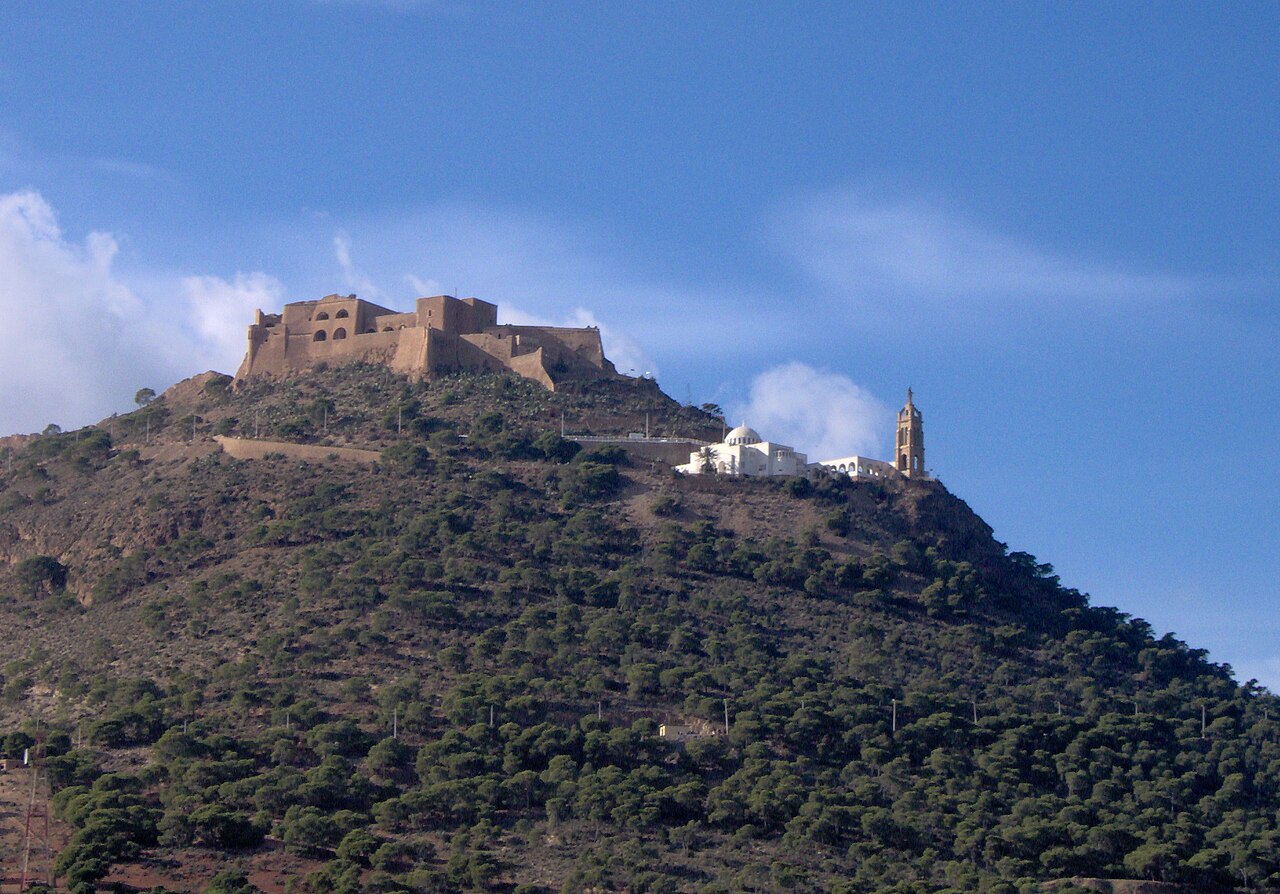
Fortresses such as the Fort Santa Cruz in Oran showcase the military architecture brought by European powers during their incursions. These strongholds were typically positioned to control ports and coastal areas, reflecting the importance of maritime defense in Algeria's history.
Defensive walls and city barriers
Many historic cities in Algeria were surrounded by robust defensive walls to protect inhabitants from invasions and raids. The walls often featured towers and gates, serving both as physical barriers and symbols of urban strength. These structures reveal a long tradition of urban fortification that is integral to Algeria's heritage.
Architectural styles and influences
The architecture of Algerian fortifications reflects a fusion of indigenous, Islamic, and European influences. This blend resulted from centuries of cultural exchanges, conquests, and trade across the Mediterranean.
Islamic architectural elements
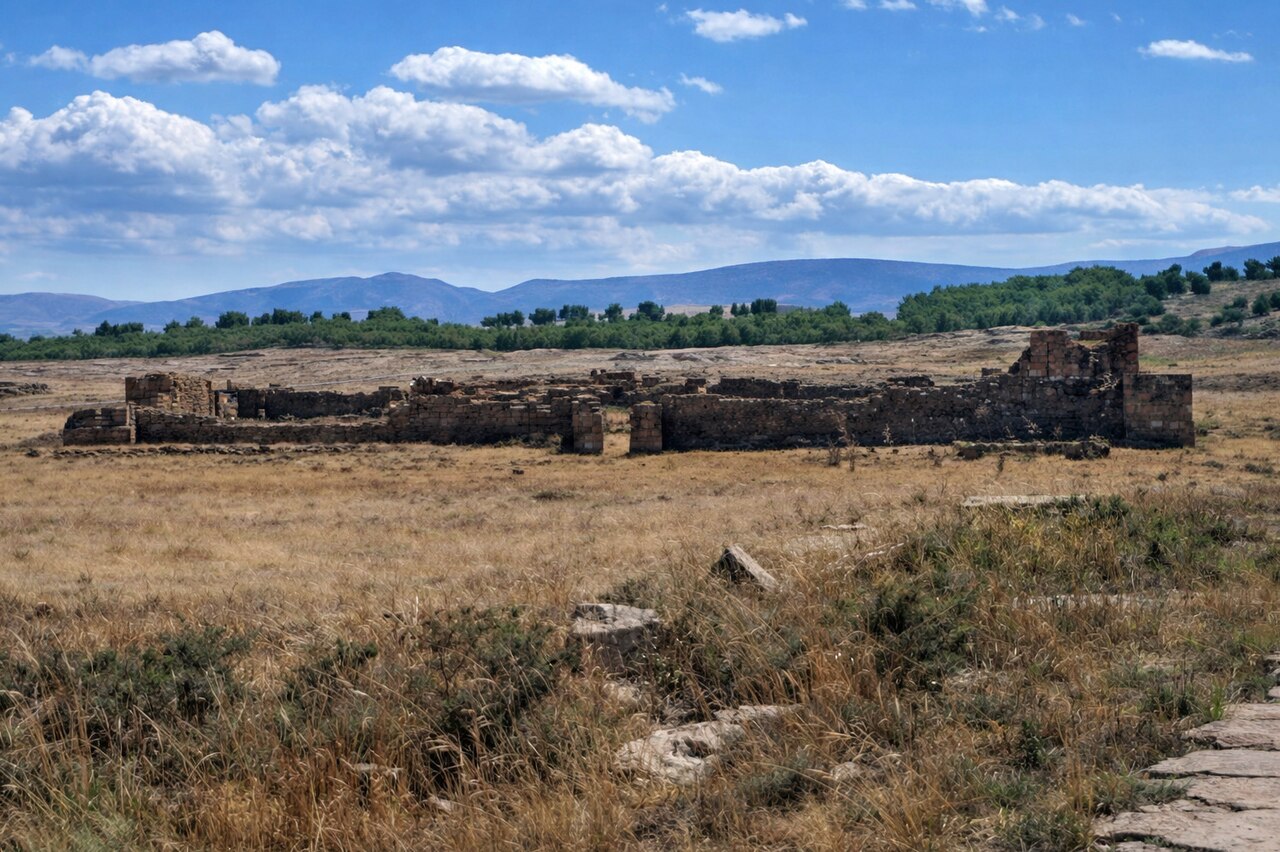
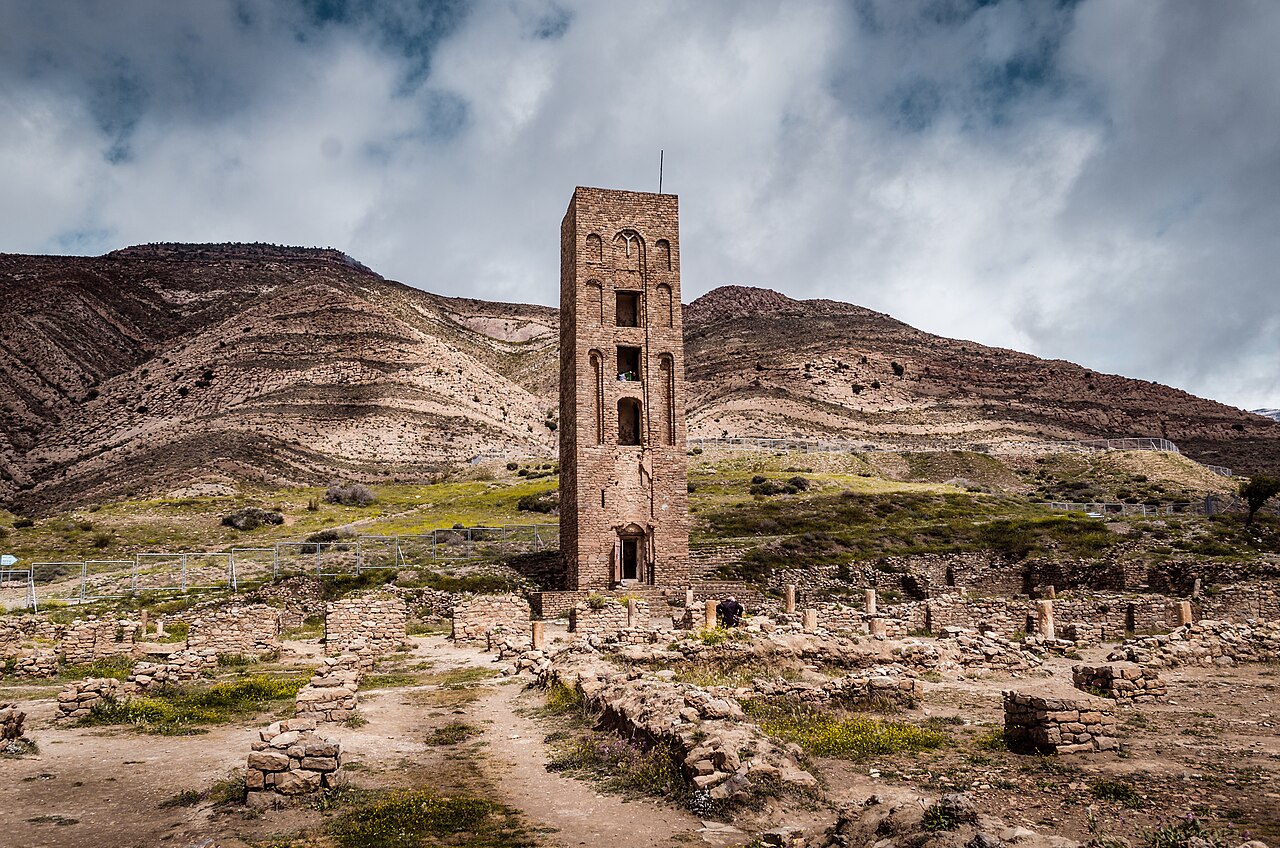
Islamic design principles are evident in many Algerian castles, particularly in the use of geometric patterns, horseshoe arches, and fortified gateways. The Qasr of Beni Hammad, a UNESCO World Heritage site, exemplifies early Islamic military architecture with its elegant yet functional design, including thick walls and intricately decorated interiors.
Berber and indigenous contributions
Berber architectural traditions contributed to the construction techniques and layout of many fortifications. The use of local stone, adobe, and strategic siting on hills or rocky outcrops demonstrates a deep understanding of the natural environment and defensive needs.
European and Ottoman influences
From the 16th century onwards, European powers such as Spain and later the French introduced new fortification styles, including bastion forts and star-shaped layouts. The Ottomans also left their mark with the construction of mosques and military buildings that combined Islamic motifs with practical military design, visible in the coastal defenses around Algiers and Oran.
Regional variations in castle heritage
Algeria's vast and varied geography has led to significant regional differences in the style and function of its fortifications. From the Mediterranean coast to the Saharan interior, castles and fortresses adapted to local climate, terrain, and strategic priorities.
Coastal fortifications
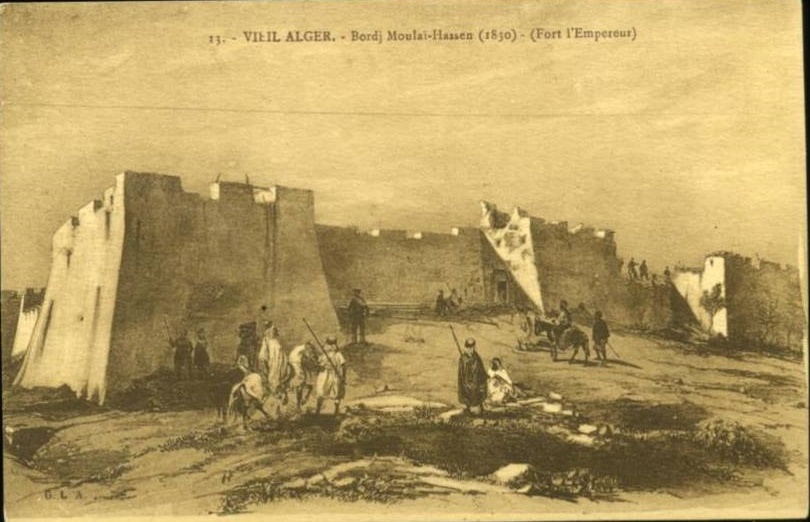
The northern coastal regions, including cities like Algiers, Oran, and Jijel, contain numerous castles and forts designed to defend against naval attacks. These structures often have thick walls and artillery placements to repel invasions from the sea. The Fort Santa Cruz in Oran is a prime example, perched on a hill overlooking the harbor.
Saharan and desert defenses
Further south, fortifications served different purposes, such as controlling caravan routes and protecting oases. The desert castles, known as ksars, are fortified villages that blend residential and defensive functions. These reflect adaptations to harsh climates and the need for communal protection.
Highland and mountainous castles
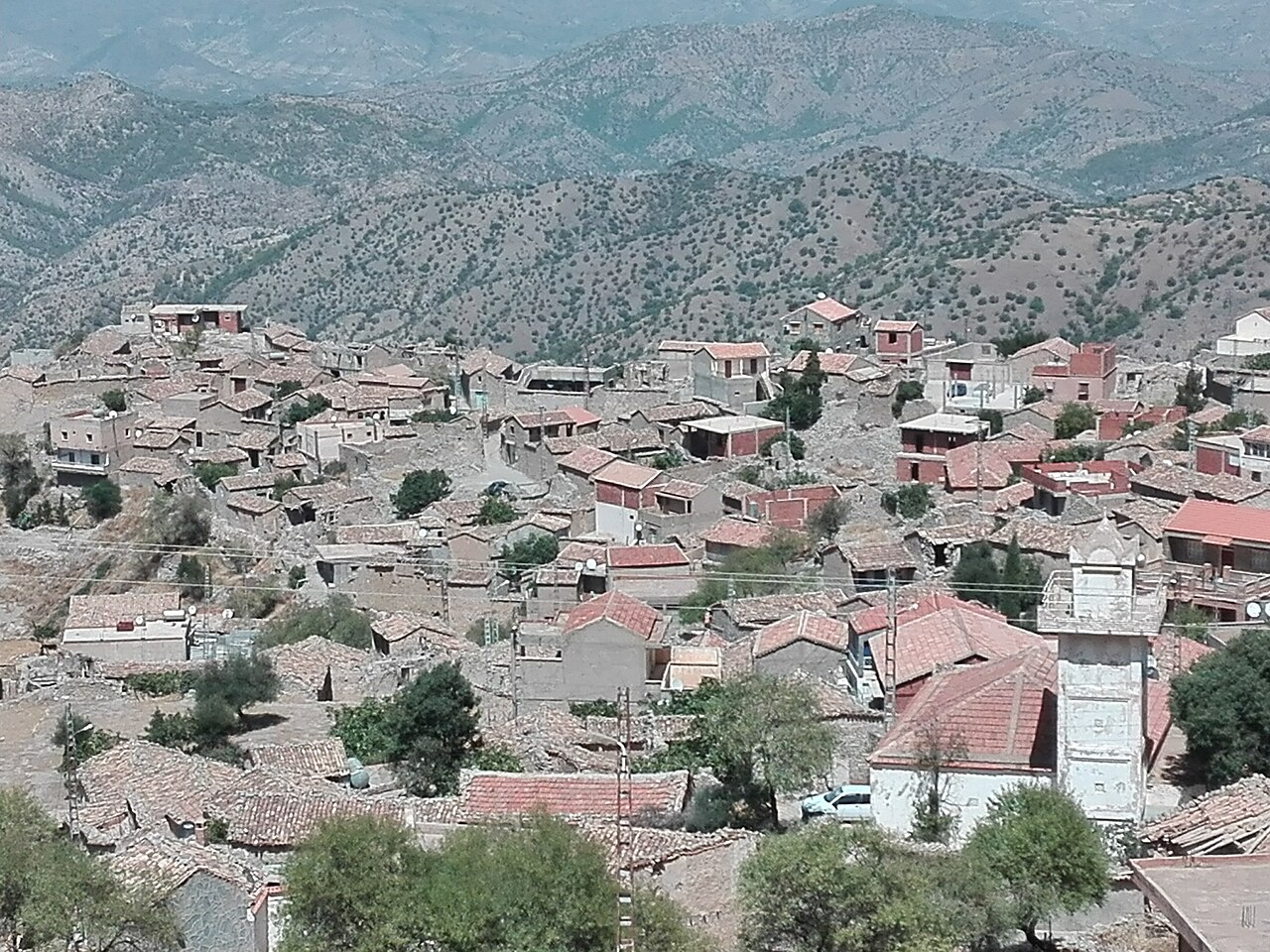
In the Kabylie mountains and other highland areas, castles were often built on rugged terrain, using natural rock formations as part of their defenses. These fortifications were crucial in resisting invasions and maintaining autonomy for local groups.
Notable periods of castle construction
Castle building in Algeria can be broadly divided into several significant periods, each marked by distinctive architectural and strategic trends.
Early Islamic period (7th–11th centuries)
This era saw the establishment of many forts and castles as new Islamic dynasties consolidated power. The Qasr of Beni Hammad, constructed in the 11th century, represents one of the earliest and most important examples of Islamic military architecture in the region.
Medieval period (12th–15th centuries)
The rise of the Almohad and Hafsid empires corresponded with increased fortification efforts. Castles from this period often combined military and residential functions, reflecting the complex sociopolitical environment of the time.
Ottoman and european periods (16th–19th centuries)
During Ottoman rule and subsequent European colonization, many existing fortresses were renovated or expanded to meet new military technologies and threats. The construction of bastioned forts, such as those in Algiers and Oran, illustrates this shift toward modern fortification styles.
Preservation and current state of fortifications
Many of Algeria's castles and fortresses have survived in varying conditions, from well-preserved sites to ruins. Preservation efforts face challenges due to environmental factors, urban development, and limited resources.
UNESCO recognition, such as for the Qasr of Beni Hammad, has helped raise awareness and promote conservation. However, several historic sites require ongoing restoration to prevent further deterioration. Local and national initiatives aim to balance heritage preservation with contemporary needs.
Castle tourism and accessibility
Algeria's fortifications attract tourists interested in history, architecture, and culture. Sites like the Kasbah of Algiers and the Qasr of Beni Hammad are accessible to visitors and offer insight into the country's castle heritage.
Tourism infrastructure varies by region, with coastal castles generally easier to access than those in remote desert areas. Guided tours, interpretive centers, and cultural events enhance the visitor experience, contributing to local economies and heritage appreciation.
Cultural significance and heritage
Castles and fortifications in Algeria are more than military relics; they are vital symbols of identity, resilience, and historical continuity. They embody the layered history of the region, reflecting the interactions of indigenous peoples, Islamic empires, and European powers.
These structures also serve as focal points for community memory and cultural expression, often featuring in local traditions, folklore, and art. Their preservation and study provide valuable insights into Algeria's complex past and contribute to a shared sense of heritage across generations.
Castles in Algeria
Discover 11 magnificent castles across the country


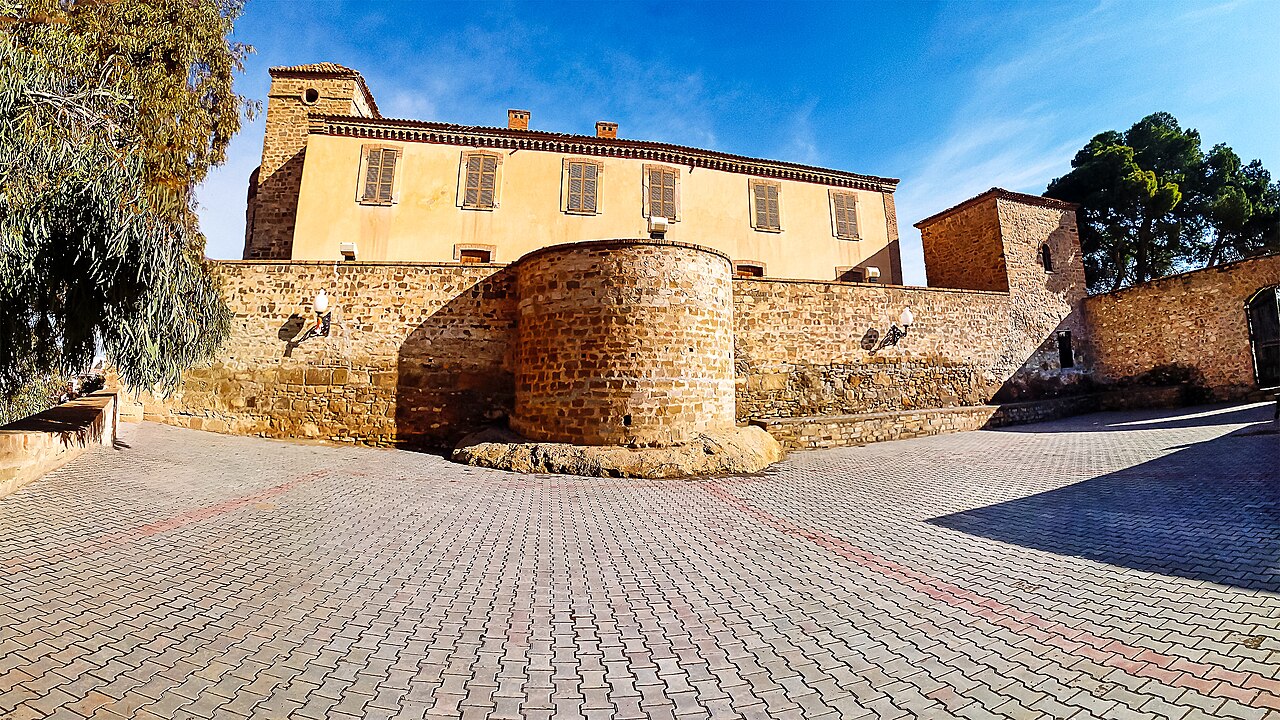
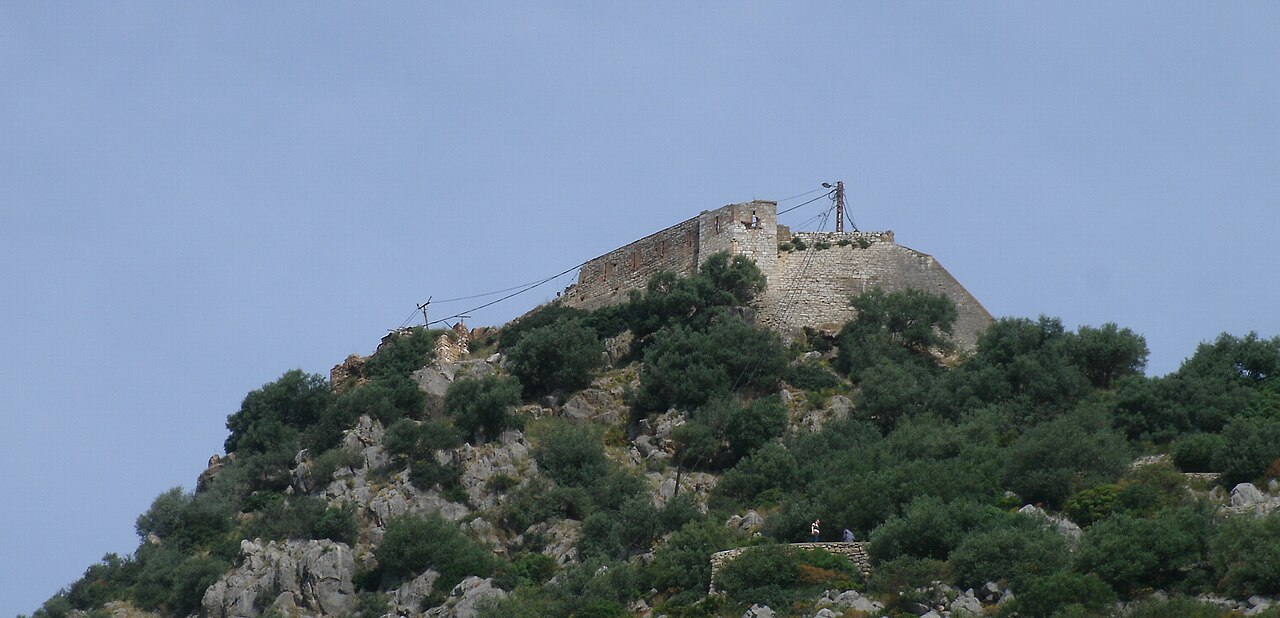
Castle Locations in Algeria
Explore all castle locations on an interactive map
Loading castle locations...