Architectural features and design
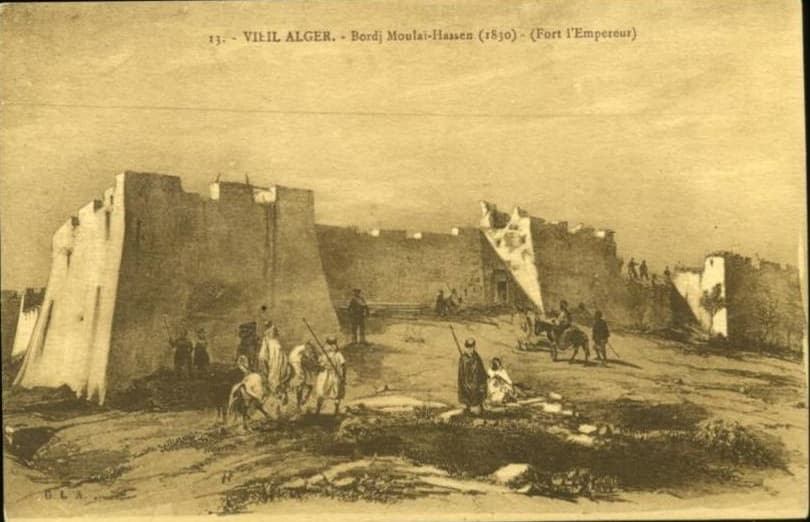
The Fort of the Emperor is characterized by its bastioned fortress design, a style that emerged in response to the increasing use of gunpowder artillery in warfare. Its walls are thick and angled to deflect cannonballs, with protruding bastions at the corners providing overlapping fields of fire. This design minimized blind spots and allowed defenders to cover the walls and approaches effectively.
The fortress includes several key architectural components typical of Renaissance military engineering: curtain walls connecting the bastions, a central courtyard that served as a muster and logistical area, and fortified gatehouses controlling access. The use of stone masonry and careful geometric planning reflect the influence of European military architects who adapted Italian bastion designs to local conditions.
Historical context and significance
Constructed in the 16th century, the Fort of the Emperor was built during a time when Algeria was a contested region between local powers and European forces, particularly the Spanish and Ottoman empires. The fortress played a role in the defense of the territory against naval and land-based attacks, serving both as a military stronghold and a symbol of authority.
Its name suggests a connection to imperial authority, possibly reflecting the ambitions or claims of its builders or occupants. While specific historical records about the fort's commanders or events are limited, its architectural features align with broader trends in Mediterranean fortifications of the Renaissance era.
Preservation and current condition
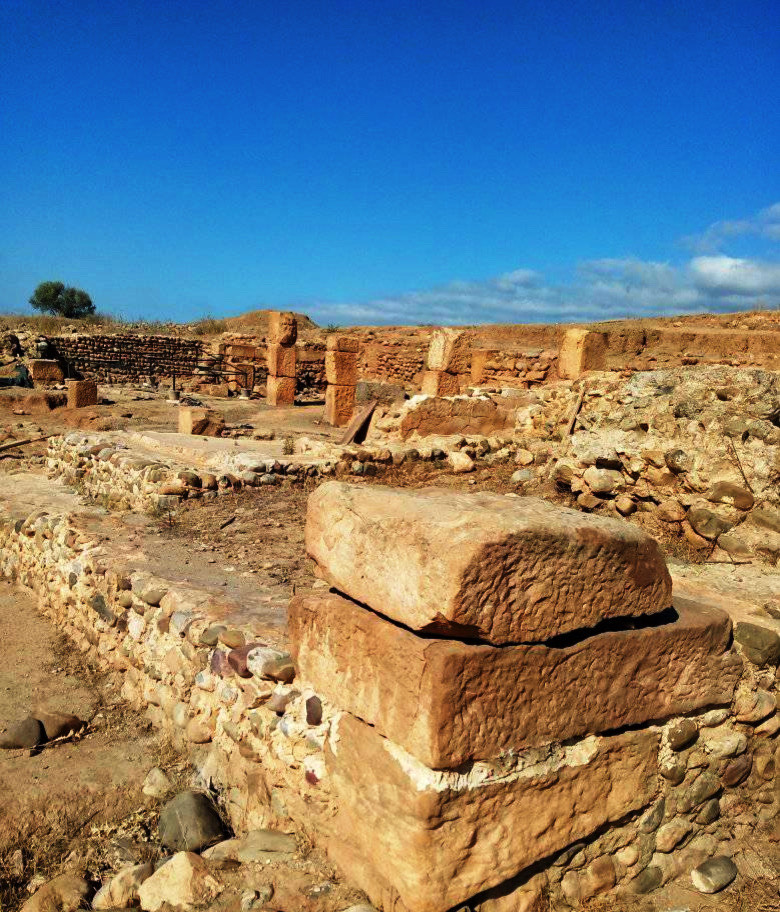
The Fort of the Emperor remains a well-preserved example of a Renaissance bastioned fortress in Algeria. Its structural integrity allows visitors and scholars to study the defensive strategies of the period. The preservation of the bastions and curtain walls provides insight into the construction techniques used to resist artillery bombardment.
While the fort may not be widely known internationally, it holds local cultural and historical importance. Efforts to maintain and possibly restore parts of the fortress contribute to the appreciation of Algeria's military heritage and its role in Mediterranean history.
Visiting and cultural relevance
Although detailed visitor information is scarce, the Fort of the Emperor is potentially accessible to tourists interested in military architecture and North African history. Its location in Algeria offers a unique opportunity to explore Renaissance fortification styles outside Europe, highlighting the cross-cultural exchange of military technology.
The fort's imposing bastions and strategic design continue to attract historians, architects, and enthusiasts of fortifications, contributing to a deeper understanding of the region's complex past.
Frequently asked questions (FAQ)
- What is the architectural style of the Fort of the Emperor?
- The Fort of the Emperor is designed as a bastioned fortress typical of the Renaissance period, featuring thick angled walls and protruding bastions for artillery defense.
- When was the Fort of the Emperor built?
- The fortress was constructed in the 16th century during the Renaissance era, reflecting advances in military architecture to counter artillery threats.
- Is the Fort of the Emperor open to visitors?
- While specific visiting hours are not widely published, the fort is generally accessible to tourists interested in historical military sites in Algeria.
- Why is the Fort of the Emperor historically significant?
- The fort played a key role in regional defense during the 16th century, representing the adaptation of European bastioned fort designs in North Africa.
- What are the main defensive features of the fort?
- Its bastioned design includes thick curtain walls and angled bastions that provide overlapping fields of fire, minimizing blind spots against attackers.
Photo gallery

Photo by Inconnu (XIXe siècle)•Public domain
Information
Loading map...
Visitor reviews
No reviews yet. Been here? Write the first review and help other travelers!
Write the first reviewVisited this castle? Share your experience
Your review helps other travelers and adds first-hand knowledge to our encyclopedia.