El Mokrani Fort
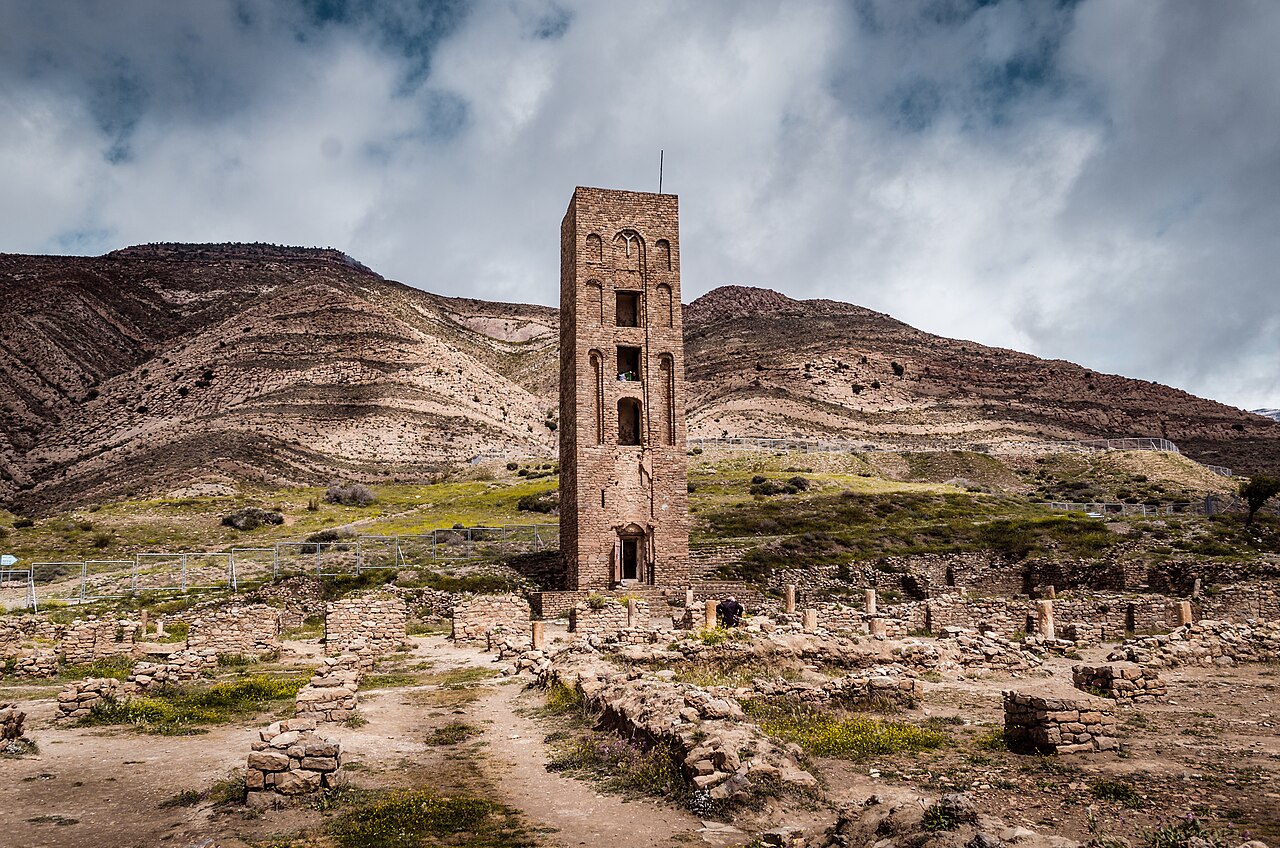
El Mokrani Fort stands as a notable example of 16th-century bastioned fortress architecture in Algeria. Constructed during the Renaissance period, this fortification reflects the military innovations of its time, particularly the adaptation of fortresses to withstand artillery fire. Its strategic location in Algeria highlights its role in regional defense during an era marked by frequent conflicts and the expansion of European influence in North Africa.
Architectural features of El Mokrani Fort
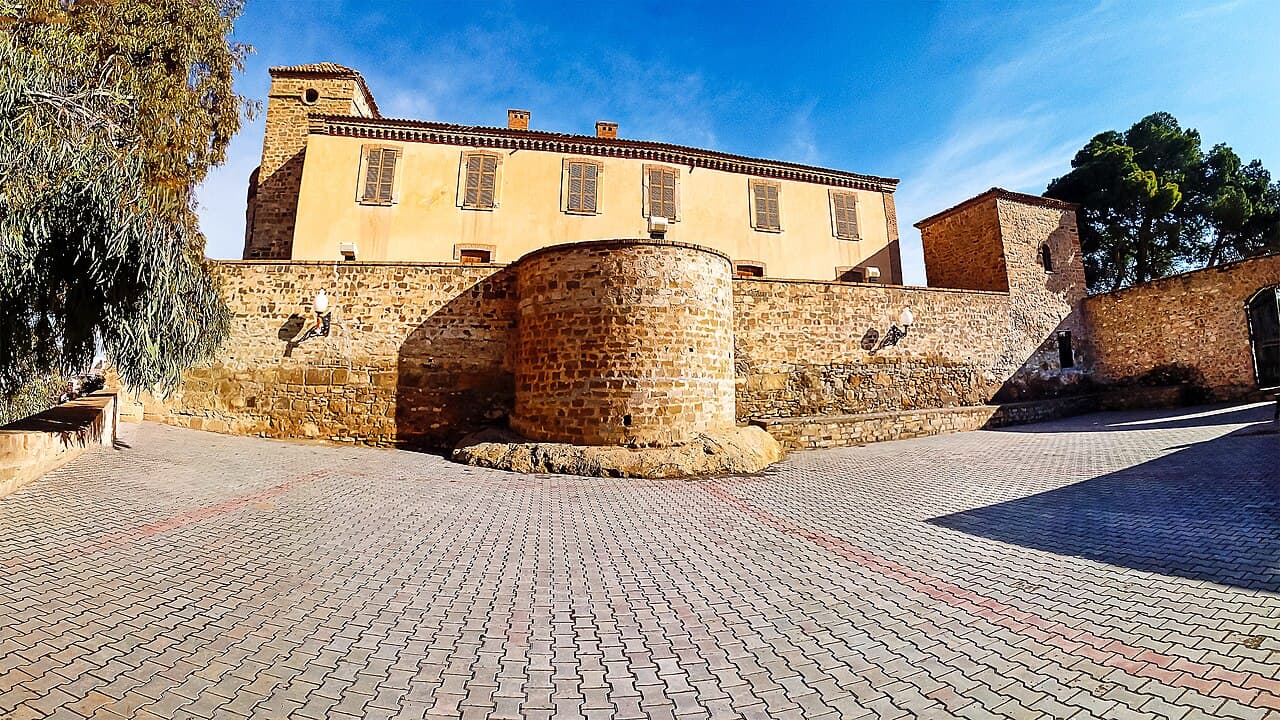
The fort is classified as a bastioned fortress, a design that emerged in response to the development of gunpowder artillery. This architectural style is characterized by angular bastions projecting from the walls, allowing defenders to cover adjacent walls with cannon and musket fire, eliminating blind spots. The bastions typically have low, thick walls to absorb and deflect cannonballs, a significant departure from the high medieval curtain walls vulnerable to artillery.
El Mokrani Fort's layout likely includes a polygonal or star-shaped plan, common in bastioned fortifications, which maximizes defensive coverage. The walls are constructed from robust masonry, designed to resist bombardment. The fort would have included embrasures and platforms for mounting cannons, as well as defensive ditches or moats to hinder attackers.
Defensive structures and materials
The use of thick stone walls combined with earthen ramparts was typical for bastioned forts of the Renaissance. These materials helped absorb the impact of cannon fire. The bastions themselves were designed to be mutually supportive, enabling crossfire. The main gate of El Mokrani Fort would have been heavily fortified, possibly with a drawbridge or a reinforced gatehouse to control access.
Historical context and significance
Constructed in the 16th century, El Mokrani Fort was built during a period when the Mediterranean and North African regions were hotly contested by various powers, including the Ottoman Empire and European states such as Spain and France. The fort's design reflects the military architectural trends introduced by the Italian Renaissance, which spread across Europe and into North Africa.
Algeria's strategic position along the Mediterranean coast made it a focal point for trade, military campaigns, and piracy. Fortifications like El Mokrani were essential for protecting key settlements and controlling important routes. The fort likely played a role in regional defense against both European incursions and local conflicts.
Military function and legacy
As a bastioned fortress, El Mokrani Fort was intended to serve as a stronghold against artillery-equipped enemies. Its construction marks a shift from medieval fortifications to early modern military engineering. The fort's robust design would have allowed it to withstand sieges and bombardments that older castles could not.
Though specific historical events associated with El Mokrani Fort are not widely documented, its architectural style and period of construction place it within the broader narrative of Renaissance military architecture in North Africa. It represents the adaptation of European defensive innovations to local conditions in Algeria.
Preservation and current condition
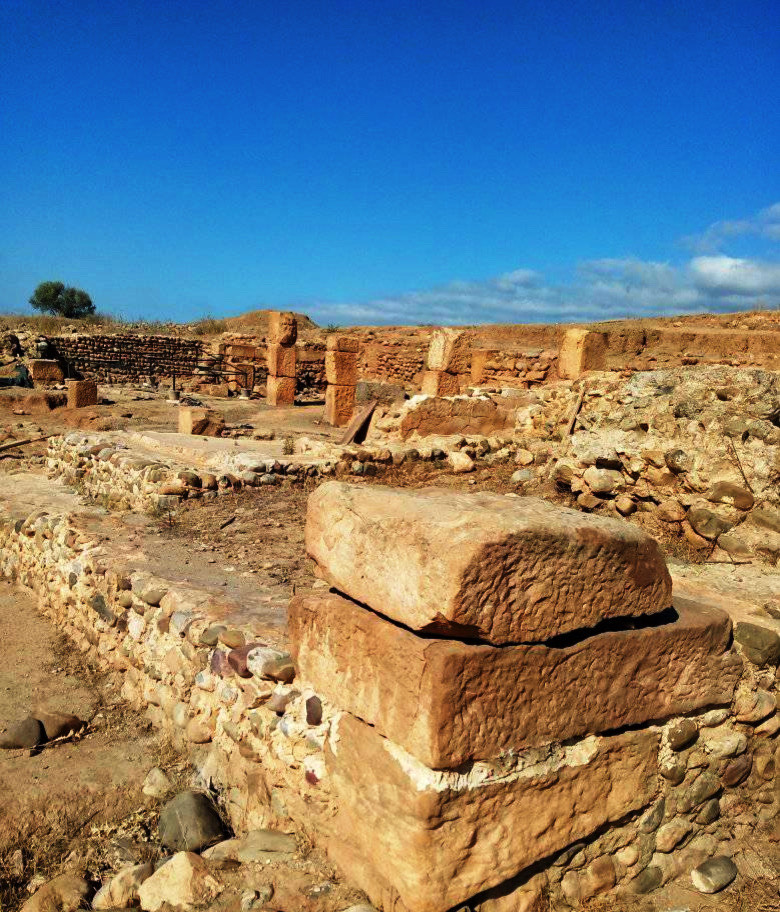
The current condition of El Mokrani Fort is not extensively documented, but as a bastioned fortress dating from the 16th century, it may exist in a state ranging from partially preserved to ruins. Many similar fortifications in Algeria have suffered from neglect, weathering, and the passage of time.
Preservation efforts, if any, would focus on stabilizing the masonry, preventing further decay, and possibly restoring key structural elements to maintain the fort's historical and architectural value. The fort remains an important cultural heritage site, illustrating the military history of Algeria during the Renaissance.
El Mokrani Fort in the context of Algerian heritage
El Mokrani Fort contributes to Algeria's rich tapestry of historical fortifications that span from ancient to modern times. It exemplifies the influence of Renaissance military architecture beyond Europe, showcasing how local builders incorporated advanced defensive concepts to protect their territories.
The fort is part of a network of coastal and inland fortifications that illustrate the strategic importance of Algeria throughout history. Its bastioned design reflects a period of significant military and technological change, marking the transition into the early modern era.
Visiting and cultural significance
While detailed visitor information for El Mokrani Fort is limited, such sites typically attract historians, architects, and tourists interested in military history and Renaissance architecture. The fort's location in Algeria makes it a valuable destination for those exploring North African heritage.
Efforts to promote awareness and preservation of El Mokrani Fort would enhance appreciation of Algeria's historical landscape and the evolution of fortification architecture.
Frequently asked questions (FAQ)
- What is the architectural style of El Mokrani Fort?
- El Mokrani Fort exemplifies the bastioned fortress design typical of the Renaissance period, featuring angular bastions and thick walls adapted for artillery defense.
- When was El Mokrani Fort built?
- El Mokrani Fort was constructed in the 16th century during the Renaissance, reflecting military innovations of that era.
- Where is El Mokrani Fort located?
- El Mokrani Fort is located in Algeria, though specific city or town details are not widely documented.
- Can I visit El Mokrani Fort?
- Visitor information for El Mokrani Fort is limited, so it is advisable to check local sources before planning a visit.
- What was the purpose of El Mokrani Fort?
- The fort served as a military stronghold designed to defend against artillery-equipped enemies during the Renaissance period.

Information
Loading map...
Visitor reviews
No reviews yet. Been here? Write the first review and help other travelers!
Write the first reviewVisited this castle? Share your experience
Your review helps other travelers and adds first-hand knowledge to our encyclopedia.