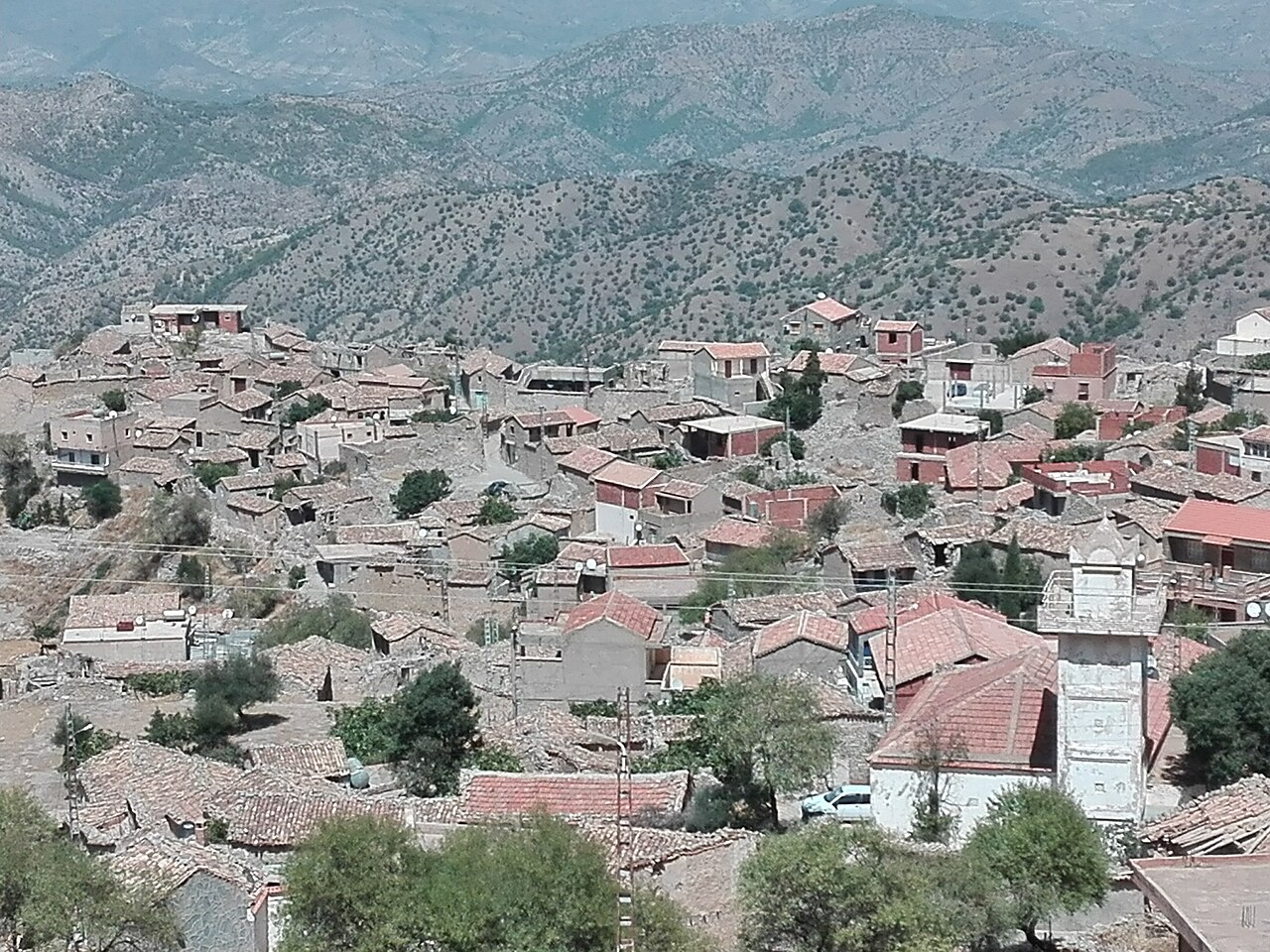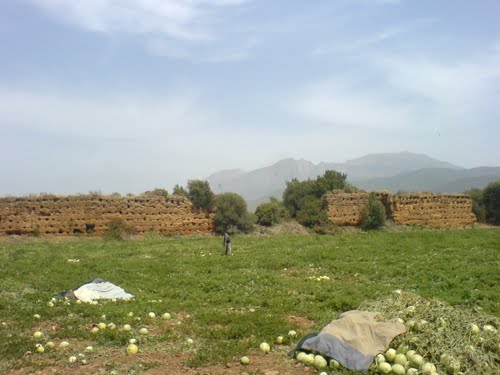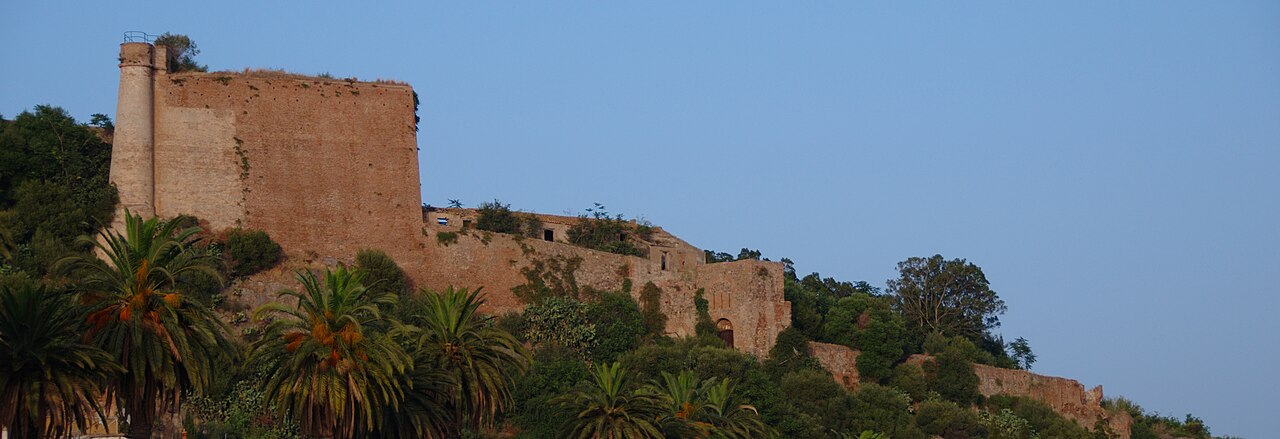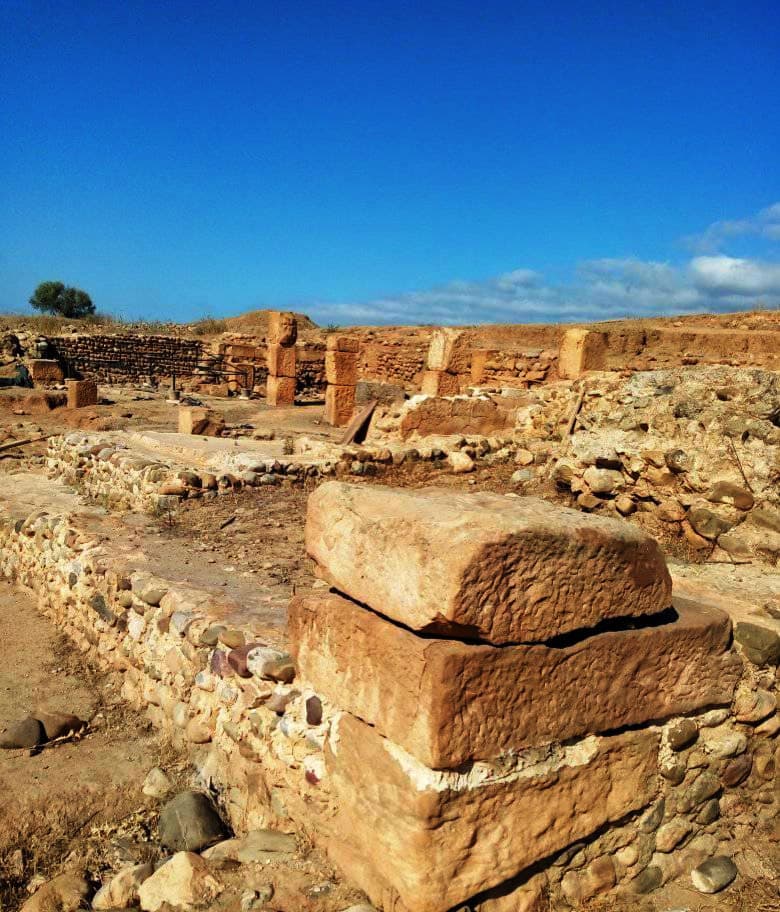
Petra Mlakou Castle
Petra Mlakou Castle, also known simply as Petra Castle or Mlakou, is an ancient hill castle located near the city of Béjaïa in Algeria. This historical fortress served as the royal residence of the Quinquegentian King Nubel and his lineage during the Late Antiquity period. The castle is a significant archaeological site that offers insight into the fortified settlements of the Berber kingdoms prior to Roman domination.
The castle's strategic position atop a hill provided natural defenses and commanding views over the surrounding landscape, characteristic of hill castles built for both military and residential purposes. Petra was notably described by the Roman historian Ammianus Marcellinus as being "the size of a city," indicating its substantial scale and importance as a fortified urban center.
The historical context of Petra Mlakou Castle
Petra was the seat of power for the Berber royal family, particularly King Nubel and his son Zammac, who played pivotal roles in the region's history during the 4th century. The castle was part of the kingdom of the Quinquegentian Berbers, a confederation of five tribes that held significant influence in North Africa.
During the Roman campaigns to assert control over the Berber territories, Petra became a focal point of conflict. The Roman general Theodosius the Elder led a campaign against the rebellious Berber leader Firmus and his allies, including forces loyal to the Quinquegentian kings. In this context, Petra was destroyed in the mid-4th century, marking the end of its prominence as a royal stronghold.
Role in the war against Firmus
The war against Firmus (circa 374 AD) was a significant conflict where the Roman Empire sought to suppress Berber resistance in the region. Petra's destruction by Theodosius was part of a broader Roman strategy to dismantle the power bases of local rulers who challenged imperial authority. This military action effectively ended the castle's function as a royal residence and symbol of Berber autonomy.
Architectural features and layout
Although much of Petra Mlakou Castle lies in ruins today, archaeological evidence and historical accounts suggest that it was a large fortified settlement with complex defensive structures. The castle likely featured high stone walls, towers, and gates designed to withstand sieges and provide refuge for the royal family and their retainers.
The castle's urban scale, as noted by Ammianus Marcellinus, implies the presence of multiple buildings within its walls, including residential quarters, administrative buildings, and possibly religious structures. The layout would have been adapted to the hilly terrain, incorporating natural rock formations into its defenses.
Defensive advantages of the hilltop location
Petra's location on a hill was a deliberate choice to maximize its defensive capabilities. Elevated positions allowed for early detection of approaching enemies and made direct assaults more difficult. The natural steep slopes combined with man-made fortifications created a formidable barrier against invaders.
Cultural and historical significance
Petra Mlakou Castle represents a key example of Berber fortifications during a transitional period when Roman influence was expanding in North Africa. The castle embodies the complex interactions between indigenous Berber kingdoms and the Roman Empire, highlighting themes of resistance, adaptation, and cultural exchange.
As the residence of King Nubel and his son Zammac, Petra is linked to important historical figures who shaped the political landscape of the region. The castle's destruction marked a turning point in Berber-Roman relations, illustrating the challenges faced by local rulers in maintaining autonomy under imperial pressure.
Legacy and archaeological importance
Today, Petra Mlakou Castle is an archaeological site that offers valuable information about the architecture, society, and history of the Berber kingdoms in Late Antiquity. Excavations and studies continue to shed light on the castle's structure and the lives of its inhabitants, contributing to a broader understanding of North African history.
The site also attracts interest for its connection to the broader history of Algeria and the Mediterranean, serving as a tangible link to the region's ancient past.
Frequently asked questions (FAQ)
- What is the historical significance of Petra Mlakou Castle?
- Petra Mlakou Castle is a remarkable example of medieval military architecture in Algeria. It played a crucial role in the region's defense against invasions and has been a witness to various historical events that shaped the local culture and heritage.
- When was Petra Mlakou Castle built?
- The construction of Petra Mlakou Castle dates back to the 12th century during the height of the Almohad dynasty. Its strategic location was chosen to oversee trade routes and protect the surrounding areas from external threats.
- Can I visit Petra Mlakou Castle?
- Yes, Petra Mlakou Castle is open to visitors who wish to explore its rich history and stunning architecture. Guided tours are available to enhance your experience and provide deeper insights into the castle's significance.
- What are the opening hours for Petra Mlakou Castle?
- Petra Mlakou Castle is typically open to visitors from 9 AM to 5 PM daily. However, it's advisable to check in advance for any seasonal changes in opening hours or special holiday closures.
- Is it possible to access Petra Mlakou Castle by public transport?
- Yes, Petra Mlakou Castle is accessible via public transport, with several local bus routes operating nearby. Additionally, taxi services are available for a more convenient option to reach the castle.
- What is the best time to visit Petra Mlakou Castle?
- The best time to visit Petra Mlakou Castle is during the spring and fall months when the weather is mild and pleasant. These seasons offer a comfortable climate for exploring the castle and its surroundings.
- Are there any nearby attractions to visit after Petra Mlakou Castle?
- Yes, after visiting Petra Mlakou Castle, you can explore nearby attractions such as the historic town of Timgad and the scenic landscapes of the Aurès Mountains. These sites provide additional insight into Algeria's rich cultural heritage.
- What are the ticket prices for Petra Mlakou Castle?
- Ticket prices for Petra Mlakou Castle are generally affordable, with discounts available for students and seniors. It is recommended to check the official website or visitor center for the most current pricing information.
Photo gallery

Information
Loading map...
Visitor reviews
No reviews yet. Been here? Write the first review and help other travelers!
Write the first reviewVisited this castle? Share your experience
Your review helps other travelers and adds first-hand knowledge to our encyclopedia.