Qal'at Bani Hammad
Qal'at Bani Hammad (Arabic: قلعة بني حماد), also known as Qal'a Bani Hammad or the Qal'at of the Beni Hammad, stands as one of the most significant medieval fortified palatine cities in North Africa. Founded in the 11th century, it was the first capital of the Hammadid dynasty, a Berber dynasty that ruled parts of the Maghreb region. Located in the Hodna Mountains northeast of M'Sila, Algeria, at an elevation of approximately 1,418 metres (4,652 ft), the site benefits from abundant natural water sources supplied by the surrounding mountains, a vital factor in sustaining its population and lush gardens.
Historical background and significance
The establishment of Qal'at Bani Hammad as a fortified city in the early high medieval period marked a pivotal moment for the Hammadid dynasty. The dynasty, an offshoot of the Zirids, sought to create a stronghold that combined administrative, military, and residential functions. The city served as the political and cultural center of the dynasty from its founding until its abandonment in the late 12th century due to invasions and the shifting political landscape of the Maghreb.
Its designation as a UNESCO World Heritage Site in 1980 recognizes its outstanding value as "an authentic picture of a fortified Muslim city". The site provides rare archaeological evidence of Islamic urban planning and architecture in the Maghreb during the medieval era.
Architectural layout and fortifications
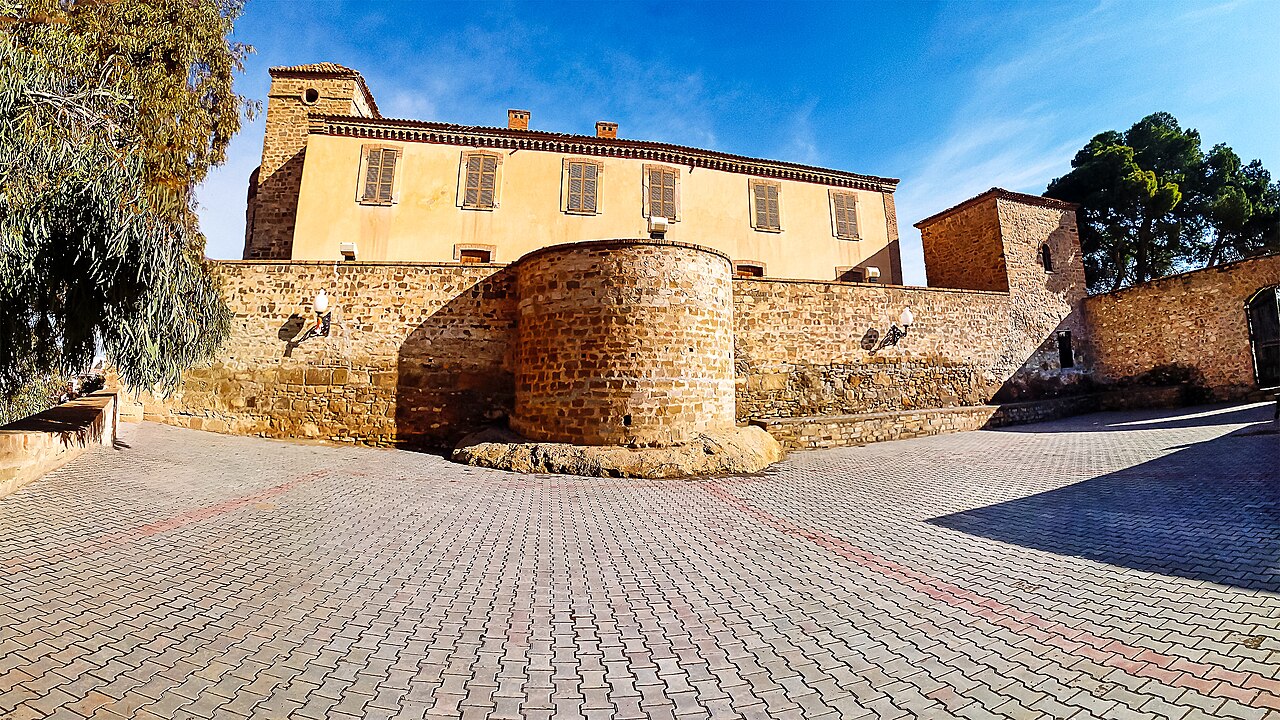
The city is enclosed by a formidable line of walls stretching approximately 7 kilometres (4 miles), which served as robust defensive fortifications against external threats. These walls incorporate numerous towers and gates strategically placed to control access and enhance defense. The fortifications reflect the military architecture of the period, emphasizing both protection and control.
Within the walls, the urban layout includes four distinct residential complexes, each likely housing members of the ruling elite and their retinues. The complexes are arranged with gardens and open spaces, demonstrating an advanced understanding of urban design and the integration of nature within the city.
The great mosque and religious architecture
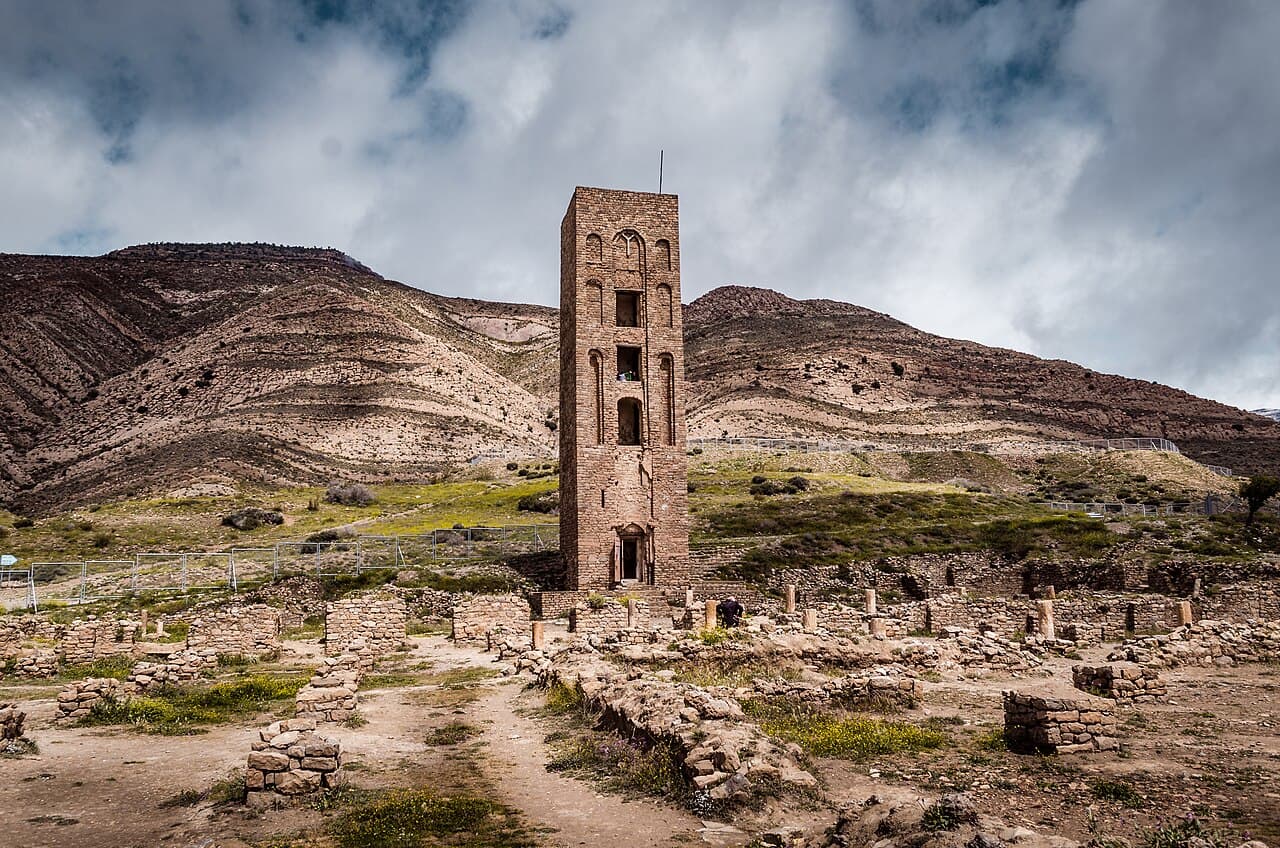
One of the most prominent structures within Qal'at Bani Hammad is the largest mosque built in Algeria after that of Mansurah. This mosque shares architectural similarities with the Grand Mosque of Kairouan, particularly in its design and spatial organization. A defining feature is its tall minaret rising to about 20 metres (66 feet), which served both religious and symbolic functions.
The mosque's prayer hall and courtyard reflect traditional Islamic architectural elements, including horseshoe arches and intricately decorated mihrabs. This religious complex was central to the spiritual life of the city and also served as a social and educational hub.
Palatial structures and urban features
The remains of the emir's palace, known as Dar al-Bahr, reveal a complex of three separate residences divided by gardens and pavilions. This layout indicates the importance of privacy, luxury, and leisure in the lives of the ruling class. The palace complex is an outstanding example of medieval Islamic palatial architecture, combining functional living spaces with ornamental gardens.
Archaeological excavations have uncovered numerous artifacts including terracotta objects, jewels, coins, and ceramics, which attest to the city's prosperity and the high level of craftsmanship under the Hammadid dynasty. Notably, decorative fountains featuring the lion motif were discovered, highlighting the artistic influences and the symbolic use of animal imagery in the city's ornamentation.
Water management and gardens
The city’s location in a mountainous area with abundant water allowed the development of sophisticated water management systems, including channels and reservoirs that supplied the palaces, gardens, and public fountains. These waterworks supported lush gardens that were integral to the city's aesthetic and environmental design, providing shade and cooling in the arid climate.
Archaeological importance and current condition
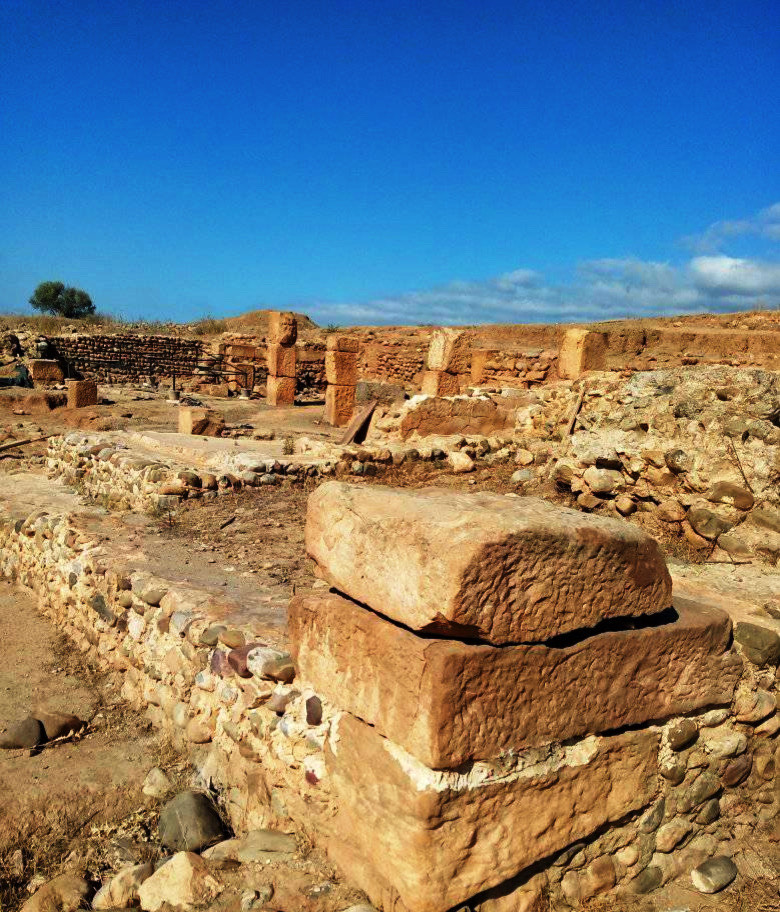
Today, Qal'at Bani Hammad exists as archaeological ruins, offering invaluable insights into the urban planning, architecture, and daily life of a medieval Islamic city in North Africa. The site’s extensive walls, mosque, palatial remains, and artifacts have been the subject of numerous archaeological studies and conservation efforts.
Despite the passage of centuries and exposure to natural and human-induced deterioration, the ruins retain significant portions of their original structures, allowing visitors and scholars to appreciate the scale and sophistication of this fortified city. The site is accessible to visitors, who can explore the remains and gain an understanding of the Hammadid dynasty’s legacy.
Visitor information and cultural heritage
Located near the town of Maadid (also spelled Maadhid), about 225 kilometres (140 miles) southeast of Algiers, the site is part of Algeria’s rich cultural heritage. It attracts historians, archaeologists, and tourists interested in Islamic architecture and medieval history.
Visitors to Qal'at Bani Hammad can witness the impressive scale of the fortifications, the mosque’s remains, and the palatial complexes, all set against the dramatic backdrop of the Hodna Mountains. The site provides a tangible connection to the medieval Islamic world and the Hammadid dynasty’s role in shaping the Maghreb region.
Frequently asked questions (FAQ)
- What is the historical significance of Qal'at Bani Hammad?
- Qal'at Bani Hammad is a UNESCO World Heritage Site, recognized for its importance as the first capital of the Hammadid dynasty in the 10th century. This castle complex showcases the architectural advancements of the time and provides insight into the region's history and culture.
- When was Qal'at Bani Hammad built?
- Qal'at Bani Hammad was established in 1007 AD and served as a royal residence and a strategic fortification. Its construction marked the beginning of the Hammadid dynasty, reflecting the political and cultural aspirations of its rulers.
- Can I visit Qal'at Bani Hammad?
- Yes, Qal'at Bani Hammad is open to visitors who wish to explore its historical and architectural significance. Visitors can walk through the ruins, admire the stunning views, and learn about the site’s rich history.
- What are the opening hours for Qal'at Bani Hammad?
- Qal'at Bani Hammad is typically open to visitors from 9:00 AM to 5:00 PM daily, but it is advisable to check for seasonal variations. Closing times may vary, especially during holidays or special events.
- Is it possible to access Qal'at Bani Hammad by public transport?
- Accessing Qal'at Bani Hammad by public transport can be challenging, as it is located in a rural area. However, visitors can take a bus or taxi from nearby towns to reach the site, and it is recommended to plan the trip in advance.
- What are the ticket prices for entering Qal'at Bani Hammad?
- The entrance fee for Qal'at Bani Hammad is relatively affordable, typically ranging from 200 to 500 Algerian Dinar for adults. Discounts may be available for students and children, so it's worth inquiring at the entrance.
- When is the best time to visit Qal'at Bani Hammad?
- The best time to visit Qal'at Bani Hammad is during the spring and fall months when the weather is mild and pleasant. Visiting during these seasons allows for a more enjoyable exploration of the site without the extreme heat of summer.
- Are there any nearby attractions to Qal'at Bani Hammad?
- Yes, nearby attractions include the historic town of Algiers and the picturesque mountains of Kabylie. Visitors can also explore other archaeological sites in the region, making it a rich destination for history enthusiasts.
Photo gallery

Information
Loading map...
Visitor reviews
No reviews yet. Been here? Write the first review and help other travelers!
Write the first reviewVisited this castle? Share your experience
Your review helps other travelers and adds first-hand knowledge to our encyclopedia.