Casbah of Algiers
The Casbah of Algiers, also known simply as the Casbah (Arabic: القصبة, Al-qaṣabah, meaning "citadel"), is a historic medina and fortress complex that forms the old town of Algiers, the capital of Algeria. Founded in 944 AD by the Zirid dynasty, the Casbah is a prime example of Islamic urban planning and Arab-Berber architecture. It is situated on a hill overlooking the Mediterranean Sea, giving it strategic military importance as a fortified citadel throughout its history. The Casbah has been recognized as a UNESCO World Heritage Site since 1992, underlining its cultural and historical significance.
Historical origins and urban development
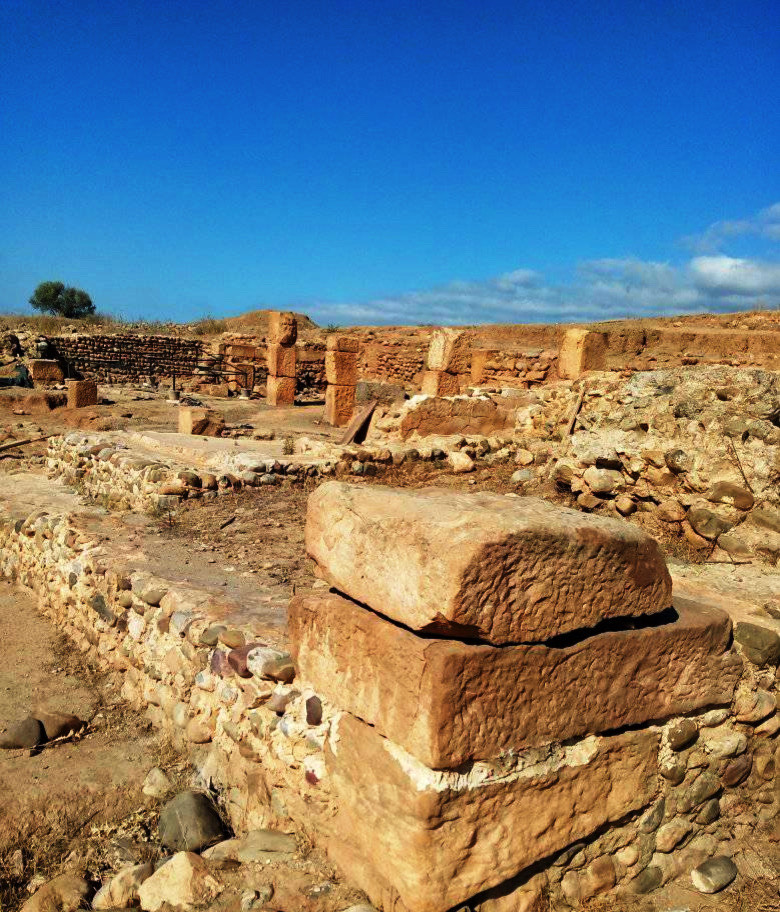
The site of the Casbah has likely been inhabited since the Neolithic period, as archaeological evidence suggests human presence in the Algiers Sahel region dating back thousands of years. Historically, the area was initially a Phoenician port in antiquity, later inhabited by Berbers and incorporated into the Roman Empire. The modern urban form of the Casbah was established in the 10th century under the Zirid dynasty, a Berber ruling family that laid out the dense network of narrow streets, alleys, and stairways characteristic of the medina. This layout was designed for both defense and communal living, with houses built closely together and often featuring inner courtyards.
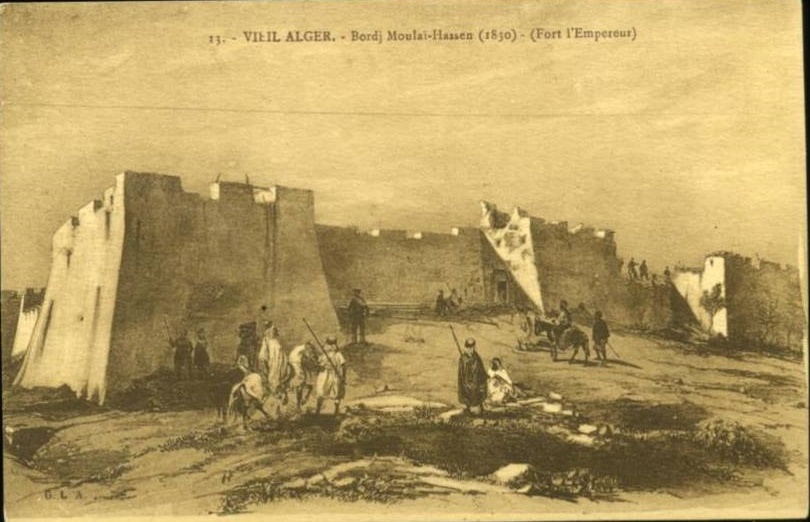
Over subsequent centuries, the Casbah was further developed and embellished by other Berber dynasties and rulers of the central Maghreb region. It became the political and administrative center of Algiers, especially during the period of the Regency of Algiers (16th to 19th centuries), when the city was an important base of Ottoman power in North Africa. The Casbah's fortifications were enhanced with bastions, walls, and gates to protect against both land and sea attacks.
Architectural features and urban fabric
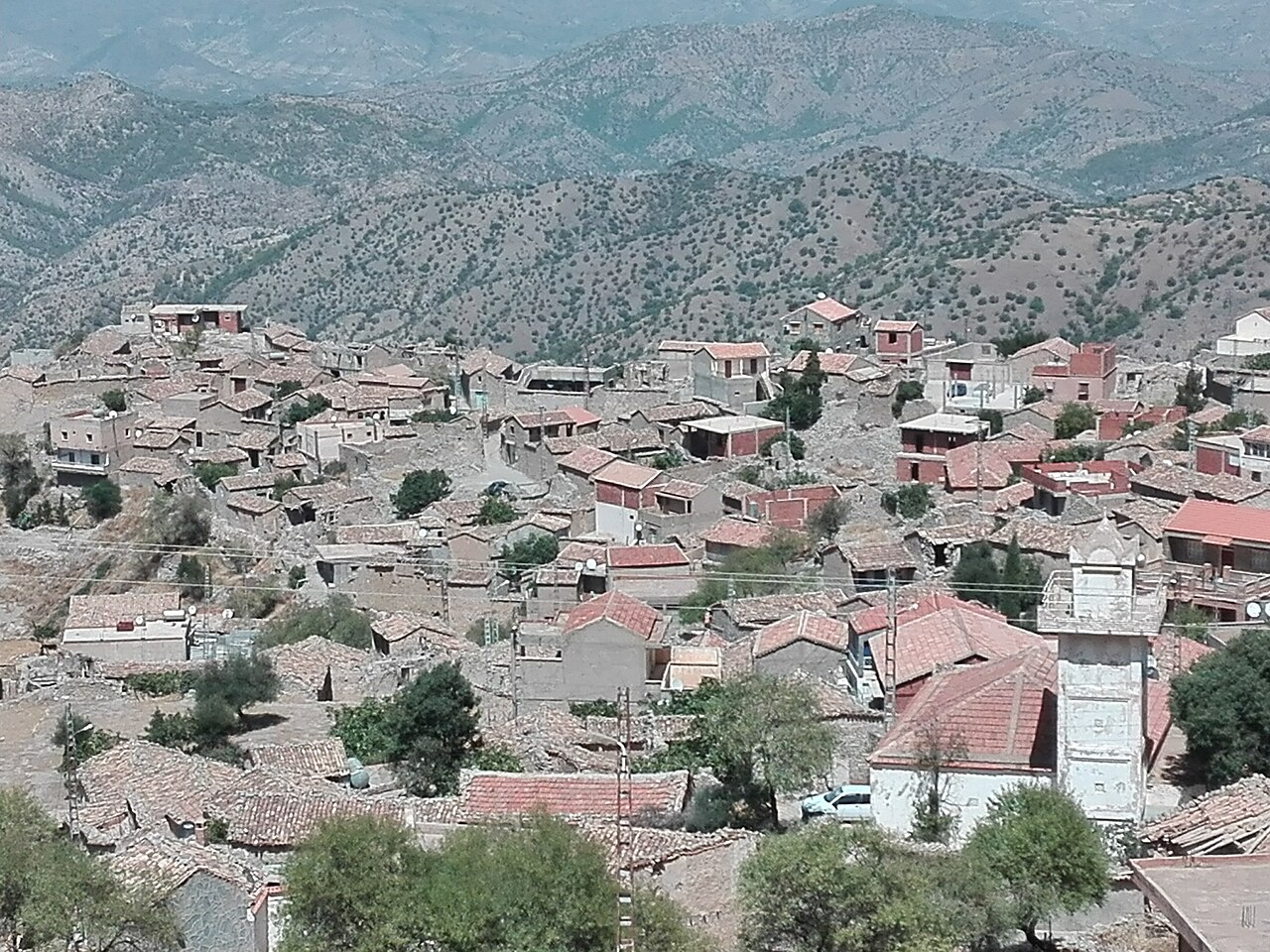
The Casbah exemplifies Islamic architecture with its bastioned fortress elements combined with traditional medina residential structures. The fortress includes defensive walls, bastions, and towers that were adapted over time to meet evolving military needs. The residential quarters consist of tightly packed houses with whitewashed walls, flat roofs, and intricately decorated doorways and windows reflecting Arab-Berber artistic traditions.
The medina's layout is labyrinthine, with narrow, winding streets designed to provide shade and protection from the hot Mediterranean sun. The urban fabric includes courtyards and communal spaces that foster social interaction. Key architectural landmarks within the Casbah include the Ketchaoua Mosque, which blends Moorish and Ottoman styles, and the Palace of the Dey, a former seat of Ottoman governors.
Historical significance and modern challenges
During the French colonization of Algeria starting in 1830, the Casbah was gradually marginalized as new administrative and commercial centers were developed in the European-style city of Algiers. Despite this, it remained a vibrant cultural and social hub for Algerians. The Casbah gained renewed prominence during the Algerian War of Independence (1954-1962), serving as a critical stronghold and operational base for the National Liberation Front (FLN) fighters. Its narrow streets and dense urban fabric made it difficult for French forces to control.
Following Algeria's independence in 1962, the Casbah did not regain its former political or economic centrality. It has since faced numerous challenges, including urban decay, overcrowding, and damage from neglect. Preservation efforts by local communities and heritage organizations aim to sustain the Casbah's tangible and intangible heritage, including its traditional crafts, architecture, and cultural identity.
Cultural heritage and preservation efforts
The Casbah remains a symbol of Algerian identity and cultural resilience. It is a source of inspiration for artists, writers, and historians. Its designation as a UNESCO World Heritage Site highlights the importance of preserving its unique Islamic and Berber architectural heritage. Various restoration projects have been undertaken to stabilize and rehabilitate key structures, though challenges persist due to limited funding and urban pressures.
Local artisans continue traditional crafts such as pottery, weaving, and metalwork, maintaining the area's artisanal heritage. Community initiatives focus on engaging residents in preservation and promoting sustainable tourism to support the Casbah's future.
Frequently asked questions (FAQ)
- How do I get to the Casbah of Algiers?
- The Casbah of Algiers is easily accessible by public transport, including buses and trams that connect various parts of the city. You can also reach it by walking from the city center, which allows you to enjoy the vibrant streets of Algiers. For those driving, parking is available nearby, although it's advisable to arrive early due to limited parking spaces.
- What is the historical significance of the Casbah of Algiers?
- The Casbah of Algiers is a UNESCO World Heritage site, renowned for its rich history and cultural heritage. It has served as the heart of Algiers since the Ottoman era and played a pivotal role during the struggle for independence from French colonial rule. Its narrow alleys and traditional architecture reflect the blend of various cultures that have influenced Algeria over centuries.
- When was the Casbah of Algiers built?
- The origins of the Casbah date back to the 16th century when it was established as a fortress. Over the years, it evolved into a residential area and a center of trade and culture. Many of its structures have been preserved, showcasing architectural styles from different periods, including Ottoman and Moorish influences.
- Can I take guided tours of the Casbah?
- Yes, guided tours of the Casbah are available and highly recommended for an enriching experience. Local guides can provide insights into the history, architecture, and hidden gems of the area that you might miss on your own. It's best to book a tour in advance, especially during peak tourist seasons.
- Why is the Casbah of Algiers considered an architectural marvel?
- The Casbah is celebrated for its unique blend of architectural styles, including Islamic, Ottoman, and Berber influences. Its labyrinthine streets, white-washed houses, and historical mosques create a picturesque landscape that is both functional and aesthetically pleasing. The preservation of its original structures adds to its charm and makes it a significant example of traditional Mediterranean architecture.
- Is it possible to visit the Casbah at night?
- While the Casbah is primarily a daytime attraction, some areas may be accessible at night. However, it's advisable to visit during daylight hours for safety and to fully appreciate the surroundings. Evening tours may be available through certain tour operators, allowing you to experience the ambiance of the Casbah under the stars.
- What are the opening hours for the Casbah of Algiers?
- The Casbah is open to visitors every day, typically from 9 AM to 5 PM. However, some specific sites within the Casbah, such as museums and mosques, may have different hours of operation. It's recommended to check in advance to plan your visit accordingly.
- What are the ticket prices for visiting the Casbah?
- Access to the Casbah itself is generally free, allowing visitors to explore its streets and alleys without an entry fee. However, some specific attractions within the Casbah may charge a small admission fee. Always check for any updates on prices or guided tours that may have additional costs.
- What is the best time to visit the Casbah of Algiers?
- The ideal time to visit the Casbah is during the spring (March to May) and fall (September to November) when the weather is mild and pleasant. Summer can be quite hot, while winter may bring cooler temperatures and occasional rain. Visiting during these shoulder seasons allows you to enjoy the sights with fewer crowds and more comfortable weather.
- What nearby attractions can I visit after the Casbah?
- After exploring the Casbah, you can visit the nearby Bardo National Museum, which showcases a vast collection of artifacts and exhibits related to Algerian history. The picturesque waterfront area of the Algiers port is also within walking distance, offering beautiful views and a chance to relax at local cafes. Additionally, the Martyrs' Memorial is a short distance away and provides insight into Algeria's struggle for independence.
Information
Loading map...
Visitor reviews
No reviews yet. Been here? Write the first review and help other travelers!
Write the first reviewVisited this castle? Share your experience
Your review helps other travelers and adds first-hand knowledge to our encyclopedia.