
Ghana
Historical background and medieval period
Ghana's castle heritage reflects a complex history shaped by trade, colonial ambitions, and cultural exchanges along the West African coast. From the late 15th century onwards, European powers established numerous forts and castles primarily to control trade routes and assert territorial influence. These structures were integral during the period of the transatlantic trade, including the tragic legacy of the slave trade.
Before European contact, the region that is now Ghana was home to various powerful kingdoms and trading states, such as the Akan polities. While indigenous fortifications existed, the most prominent surviving castles and forts were built or significantly modified by the Portuguese, Dutch, British, and Danes. These buildings served as trading posts, military bases, and administrative centers, reflecting a blend of European architectural styles adapted to local conditions.
Continue reading below — scroll for the full article.
Types of fortifications in Ghana
Ghana’s coastal heritage includes several forms of fortifications that served different strategic purposes. The most visible and enduring are the castles and forts, which were often constructed near the shore for easy access by ships and to control trade activities.
- Castles: Large fortified structures designed to house administrators and serve as commercial hubs. They often included living quarters, warehouses, chapels, and dungeons.
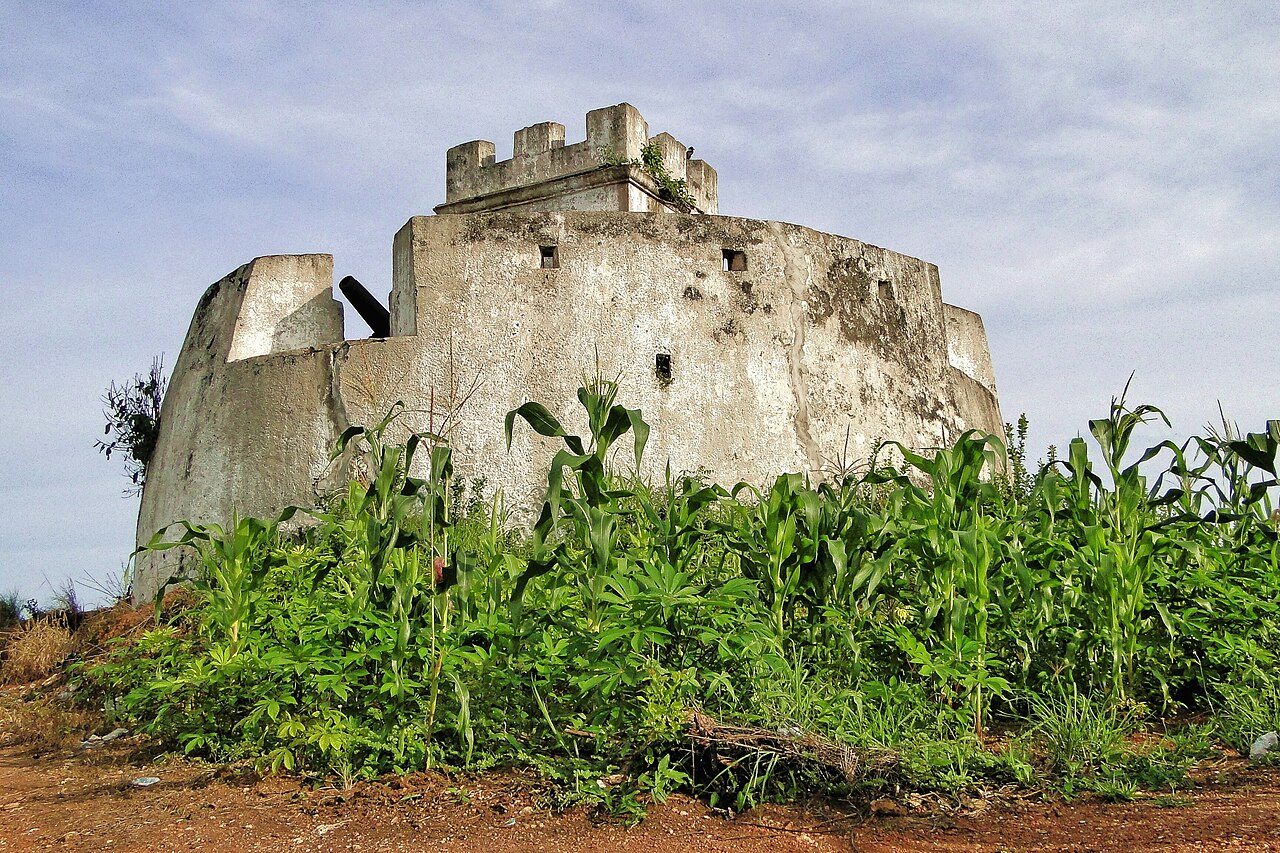
- Forts: Smaller than castles, these were primarily military installations with defensive walls and artillery placements to protect against rival powers or local resistance.
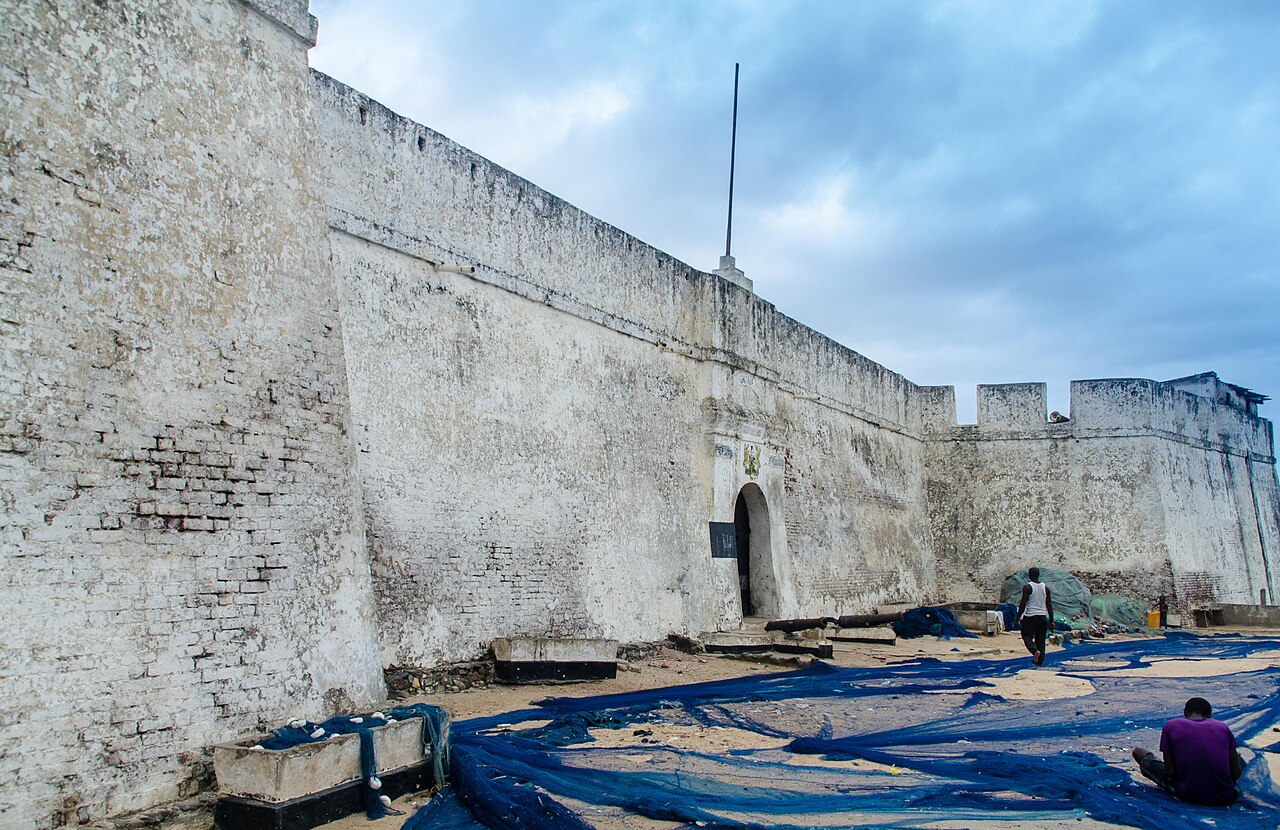
- Defensive walls and bastions: Many castles incorporated thick walls, bastions, and watchtowers to provide defense against attacks and sea invasions.
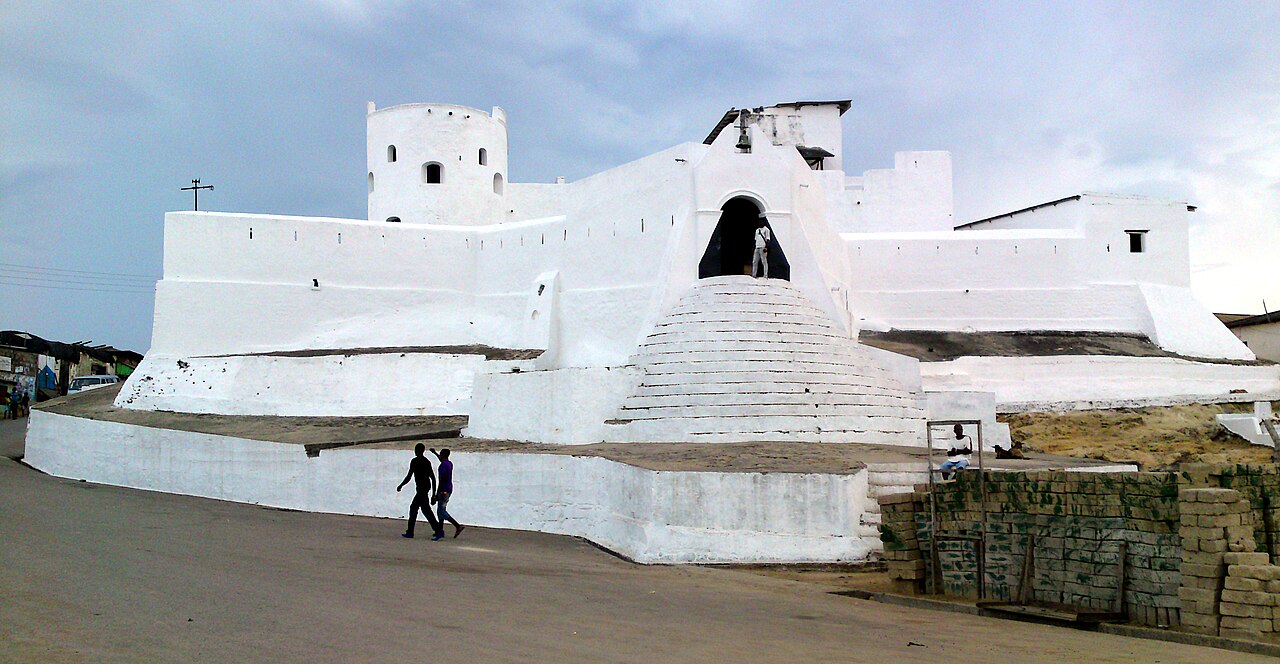
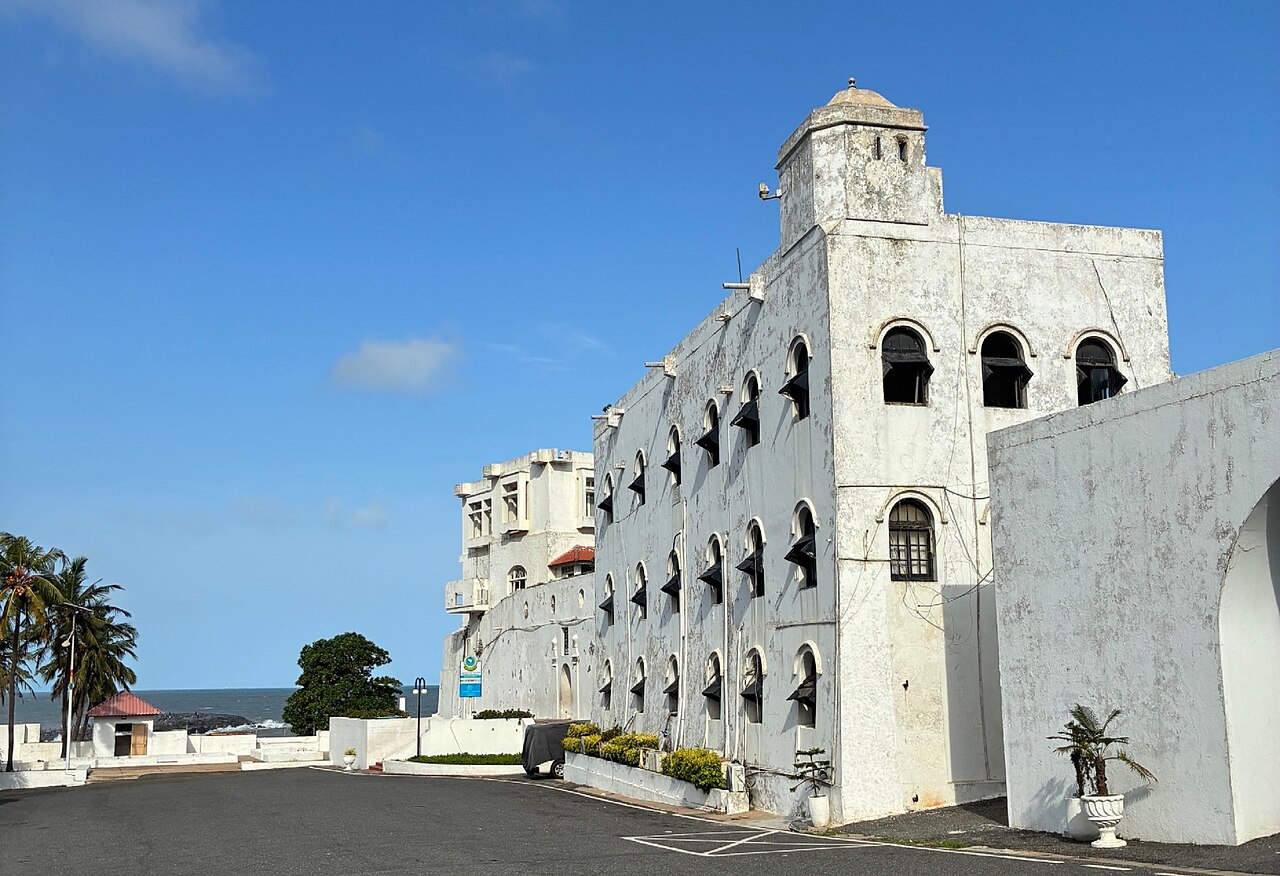
Examples such as Elmina Castle and Cape Coast Castle illustrate these fortification types. These castles combined residential and military functions, featuring imposing walls and multiple levels designed to withstand sieges and serve as centers for trade and governance.
Architectural styles and influences
The architecture of Ghana’s castles is a testament to the fusion of European military engineering with local materials and climatic adaptations. The earliest structures, such as Elmina Castle, were built by the Portuguese in the late 15th century and display characteristics typical of Iberian military design, including thick stone walls, rectangular layouts, and internal courtyards.
Later modifications by the Dutch and British introduced additional elements like bastions, angled walls for cannon defense, and more complex internal arrangements. The castles often included armories, dungeons, and chapels, reflecting the dual nature of the sites as military and administrative centers.
Local influences can be found in the use of indigenous stone and mortar techniques, as well as adaptations to the tropical environment—such as large windows and high ceilings for ventilation. Cape Coast Castle, for example, features a blend of Dutch and British elements with adaptations to suit the coastal climate and the needs of the trading empire.
Notable periods of castle construction
The construction of Ghana’s castles primarily occurred between the late 15th century and the 18th century, coinciding with the height of European maritime exploration and the expansion of the transatlantic trade network. The initial wave began with the Portuguese in the 1480s, who established Elmina Castle in 1482 as the first European structure of its kind on the West African coast.
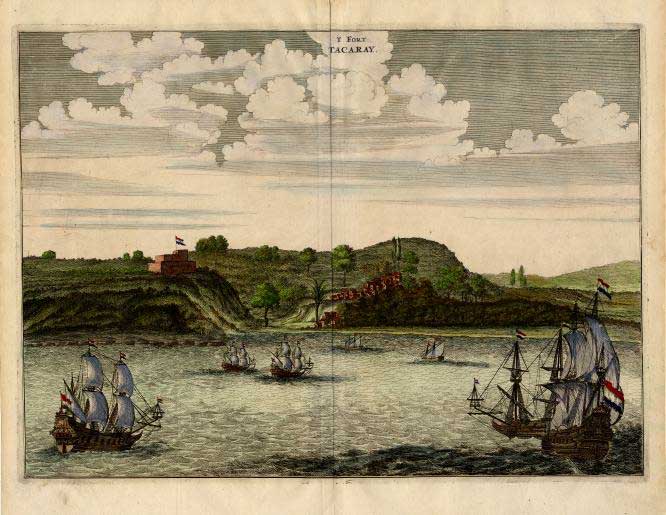
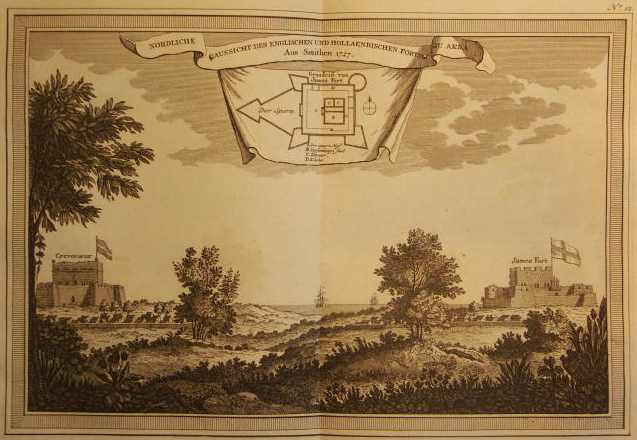
During the 17th century, the Dutch and British intensified castle building and expansion efforts to assert dominance. This period saw the renovation of Elmina Castle under Dutch control and the construction of Cape Coast Castle, which became one of the most important British trading posts by the 18th century.
The 18th century marked the peak of castle use related to the slave trade, with many fortifications serving as holding stations for enslaved Africans before their forced transport across the Atlantic. The decline of the trade by the 19th century led to shifts in the function and maintenance of these buildings.
Preservation and current state
Today, many of Ghana’s castles and forts are preserved as significant cultural heritage sites. Organizations and the Ghanaian government have invested in restoration efforts to maintain these structures and promote their history. Elmina Castle and Cape Coast Castle, both UNESCO World Heritage Sites, are among the best-preserved examples.
Despite preservation efforts, some sites face challenges due to environmental factors such as coastal erosion, humidity, and the impact of tourism. Conservation work continues to focus on maintaining the structural integrity and historical authenticity of these forts while making them accessible and informative to visitors.
Castle tourism and accessibility
Ghana’s castles are major attractions for both domestic and international tourists interested in history, architecture, and cultural heritage. Elmina Castle and Cape Coast Castle are particularly prominent, offering guided tours that include detailed explanations of their role in trade and the transatlantic slave trade.
These sites are generally accessible year-round, with visitor centers and museums providing historical context. Tourism infrastructure around the castles includes interpretive panels, audio guides, and educational programs that highlight the architectural features and historical significance of the fortifications.
The castles also serve as venues for cultural events and commemorations, reinforcing their role as living heritage sites that connect Ghana’s past to its present identity.
Cultural significance and heritage
The castles of Ghana hold profound cultural importance as symbols of a complex and often painful history. They represent the interactions between African societies and European powers, the realities of the transatlantic slave trade, and the resilience of local communities.
These fortifications are central to Ghana’s national identity and heritage, serving as reminders of the country’s role in global history. They also play a vital role in education and reconciliation efforts, fostering awareness about the atrocities of slavery and the importance of cultural preservation.
Community engagement around the castles includes storytelling, historical research, and cultural celebrations that honor both the suffering and strength of those connected to these sites. This ongoing relationship ensures that Ghana’s castle heritage remains a dynamic and meaningful part of the country’s historical landscape.
Castles in Ghana
Discover 31 magnificent castles across the country


Castle Locations in Ghana
Explore all castle locations on an interactive map
Loading castle locations...