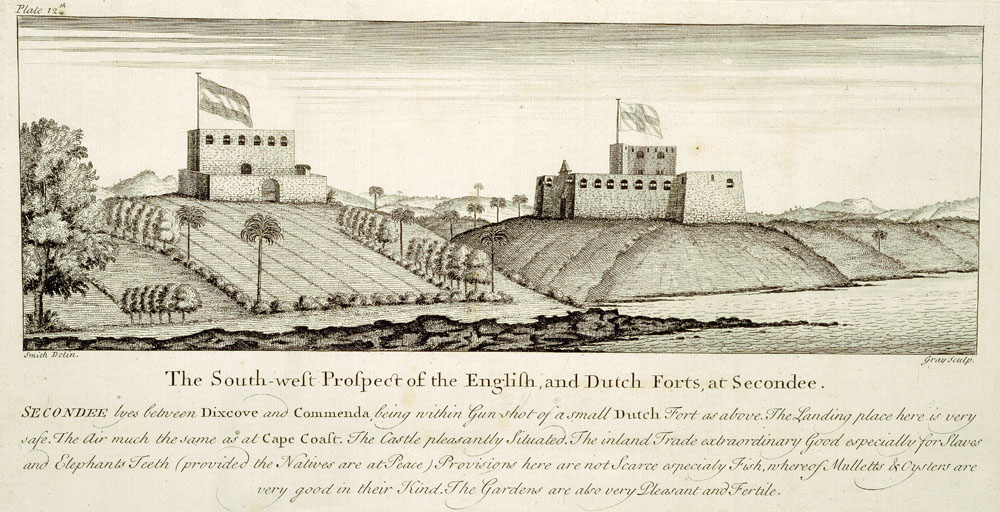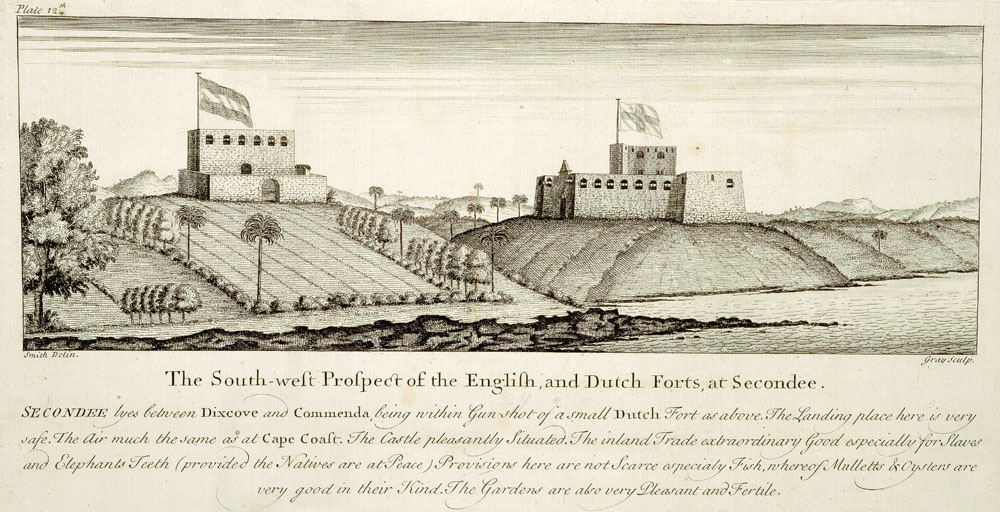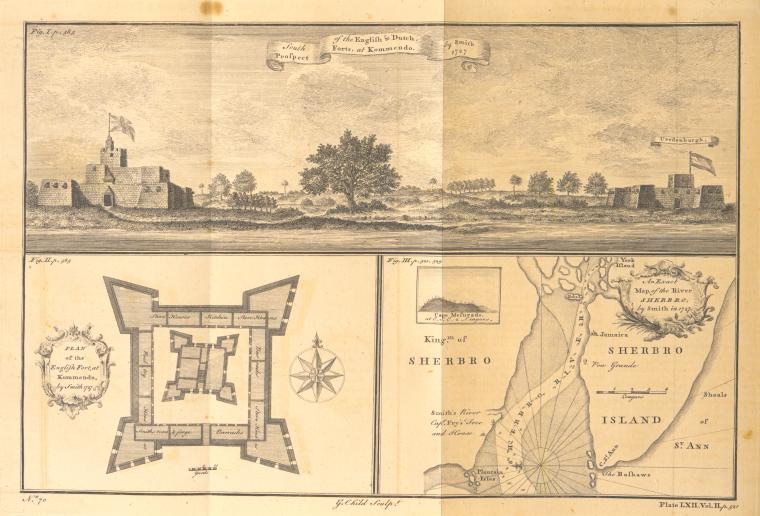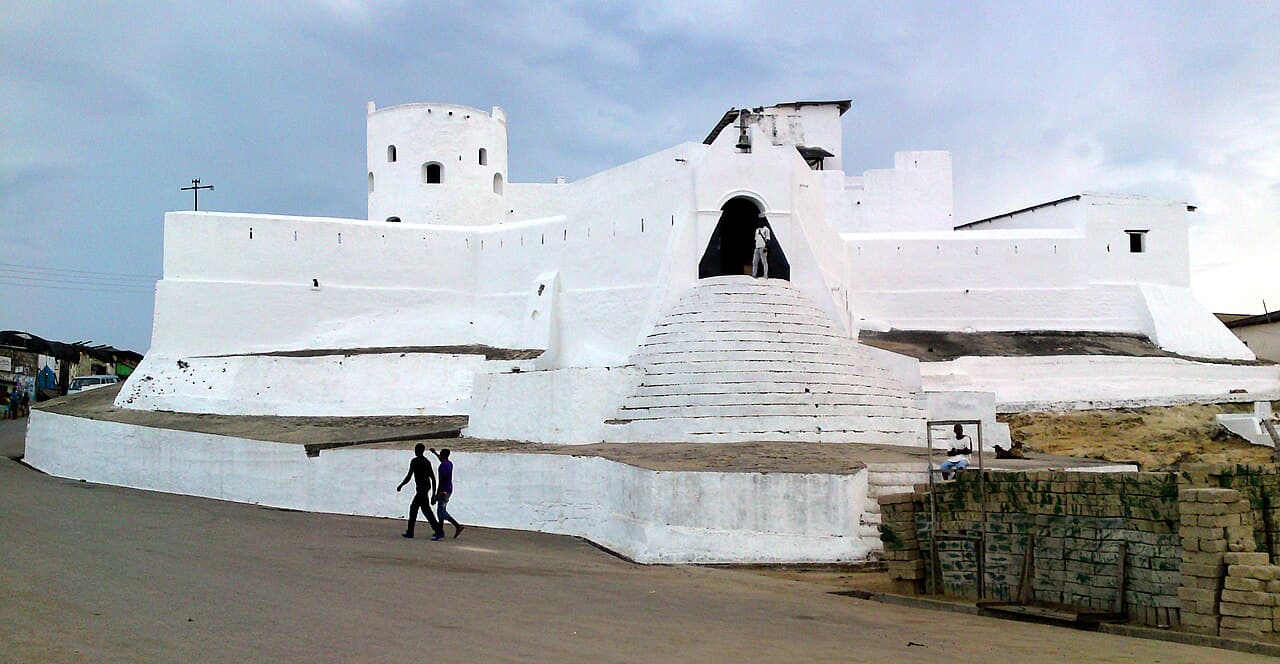
Fort São Sebastião de Xama
Fort São Sebastião de Xama, also known as Fort San Sebastian, is a significant historical fortress located in Shama, Ghana. Constructed in 1523, it ranks as the third oldest fortification in Ghana, representing a crucial chapter in the European colonial and trading history along the West African coast. The fort is an enduring symbol of the Portuguese presence in the region during the Renaissance period and serves as a testament to the complex interactions between European powers and African societies during the era of exploration and trade.
Historical context and construction
The fort was built by the Portuguese as part of their strategic efforts to control trade routes and establish a foothold in West Africa. Its construction in the early 16th century coincided with the height of Portuguese maritime exploration. Fort São Sebastião was intended to protect Portuguese interests against rival European powers and local resistance, serving both as a military stronghold and a trading post.
The fort's location in Shama was chosen for its strategic coastal position, allowing control over maritime access and trade along the Gulf of Guinea. The Portuguese named it after Saint Sebastian, a common patron for military fortifications of the time.
Architectural features and design
Fort São Sebastião is classified as a bastioned fortress, a style that emerged during the Renaissance to improve defensive capabilities against artillery. The fortress features angular bastions projecting from the main walls, designed to provide overlapping fields of fire and eliminate blind spots. This design reflects the adaptation of European military architecture to the challenges of coastal defense in a colonial context.
The fort's walls are constructed from local stone and mortar, with thick ramparts designed to withstand cannon fire. Inside, the layout includes a central courtyard, barracks, storage rooms, and a chapel, typical of Portuguese fortifications of the period. The fortress also includes gun emplacements positioned to cover the approaches by sea and land.
Role in regional trade and colonial history
Throughout its history, Fort São Sebastião played a pivotal role in the trans-Atlantic trade networks. Initially, it facilitated Portuguese trade in gold, ivory, and other local commodities. However, it later became involved in the trans-Atlantic slave trade, serving as a holding point for enslaved Africans before their forced transport to the Americas.
The fort changed hands multiple times, reflecting the shifting colonial powers in the region. After the Portuguese, the Dutch and later the British controlled the fort, each modifying it to suit their defensive and administrative needs. These changes illustrate the fort's continued strategic importance over several centuries.
Preservation and UNESCO designation
Today, Fort São Sebastião is recognized as part of the UNESCO World Heritage List since 1979, included among several Ghanaian castles and forts that collectively testify to the history of European trade, colonization, and exploitation in West Africa. Its well-preserved bastioned walls and structures provide valuable insights into 16th-century military architecture and colonial history.
The fort is currently in a well-preserved state, maintained as a cultural heritage site open to visitors. It serves as a museum and educational center, offering guided tours that explore its architectural features and historical significance.
Visiting Fort São Sebastião
Visitors to Fort São Sebastião can explore its courtyards, bastions, and internal chambers, gaining a tangible sense of the fort's defensive capabilities and colonial past. The site provides interpretive displays detailing the fort's role in regional history and the broader context of European-African interactions during the Renaissance.
Its coastal location offers scenic views of the Gulf of Guinea, enhancing the visitor experience. Access to the fort is typically available during daylight hours, with local guides available to provide historical context and architectural explanations.
Frequently asked questions (FAQ)
- How do I get to Fort São Sebastião de Xama?
- Fort São Sebastião de Xama is located in the coastal town of Anomabo, Ghana. You can reach the fort by taking a taxi or a private vehicle from major cities like Accra or Cape Coast. Public transportation options, such as buses, are also available but may take longer.
- What is the historical significance of Fort São Sebastião de Xama?
- Built by the Portuguese in the 16th century, Fort São Sebastião de Xama played a crucial role in the transatlantic slave trade and served as a military stronghold against other colonial powers. The fort is a testament to the colonial history of Ghana and provides insight into the region's past interactions with European powers. Today, it stands as a symbol of resilience and cultural heritage.
- When was Fort São Sebastião de Xama built?
- The construction of Fort São Sebastião de Xama began in 1680 and was completed in the early 18th century. It served the Portuguese until it was taken over by the Dutch in the late 17th century, reflecting the shifting powers in colonial West Africa. The fort's architecture and design showcase the military strategies of that era.
- Can I take guided tours of the fort?
- Yes, guided tours of Fort São Sebastião de Xama are available for visitors. These tours provide in-depth information about the fort's history, architecture, and its role in the Atlantic slave trade. It's recommended to book a tour in advance, especially during peak tourist seasons.
- Why is Fort São Sebastião de Xama an important architectural site?
- Fort São Sebastião de Xama is an excellent example of 17th-century military architecture, featuring thick stone walls and a strategic position overlooking the coast. Its design reflects the European influence on coastal defenses in West Africa and the need to protect trade routes during the colonial period. The fort's preservation allows visitors to appreciate its historical and architectural significance.
- Is it possible to access Fort São Sebastião de Xama year-round?
- Yes, Fort São Sebastião de Xama is accessible to visitors throughout the year, although hours may vary by season. It's advisable to check the opening hours before your visit, as they can change based on local events or maintenance. Always plan ahead to ensure a smooth visit.
- What is the best time to visit Fort São Sebastião de Xama?
- The best time to visit Fort São Sebastião de Xama is during the dry season, from November to March, when the weather is cooler and more pleasant for exploration. This period typically sees fewer rain showers, making it ideal for outdoor activities. However, the fort is open year-round for visitors.
- What are the ticket prices for visiting the fort?
- Ticket prices for Fort São Sebastião de Xama are generally affordable, making it accessible for most visitors. Prices may vary for local residents and international tourists, so it’s a good idea to check the fort's official website or local tourism information for the most current rates before your visit.
- Are there any nearby attractions to visit along with the fort?
- Yes, there are several attractions near Fort São Sebastião de Xama, including Anomabo Beach and other historical sites like Cape Coast Castle and Elmina Castle. These locations offer additional insights into Ghana's rich history and beautiful coastal scenery. Visiting multiple sites can enhance your understanding of the region's cultural heritage.
Photo gallery

Information
Loading map...
Visitor reviews
No reviews yet. Been here? Write the first review and help other travelers!
Write the first reviewVisited this castle? Share your experience
Your review helps other travelers and adds first-hand knowledge to our encyclopedia.