Osu Castle
Osu Castle, also referred to as Fort Christiansborg or Christiansborg Castle, stands prominently in the Osu neighborhood of Accra, the capital city of Ghana. Situated on the coast of the Gulf of Guinea, this castle is a significant historical landmark that reflects the complex colonial history and the transatlantic slave trade in West Africa.
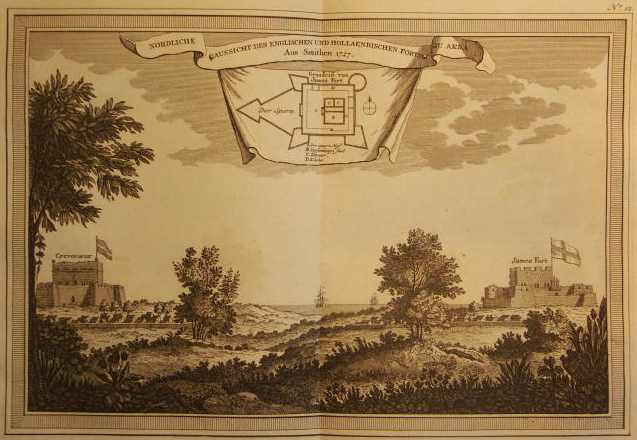
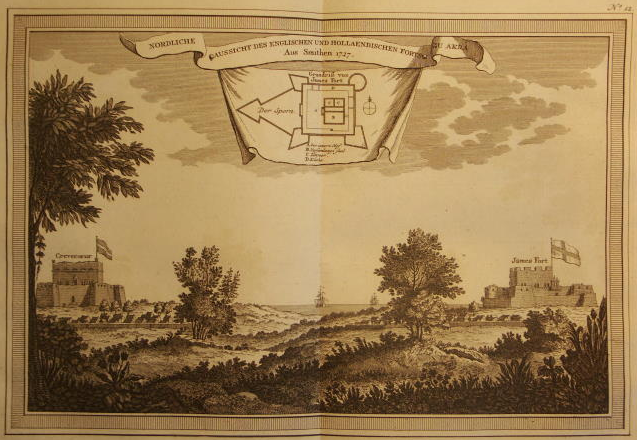
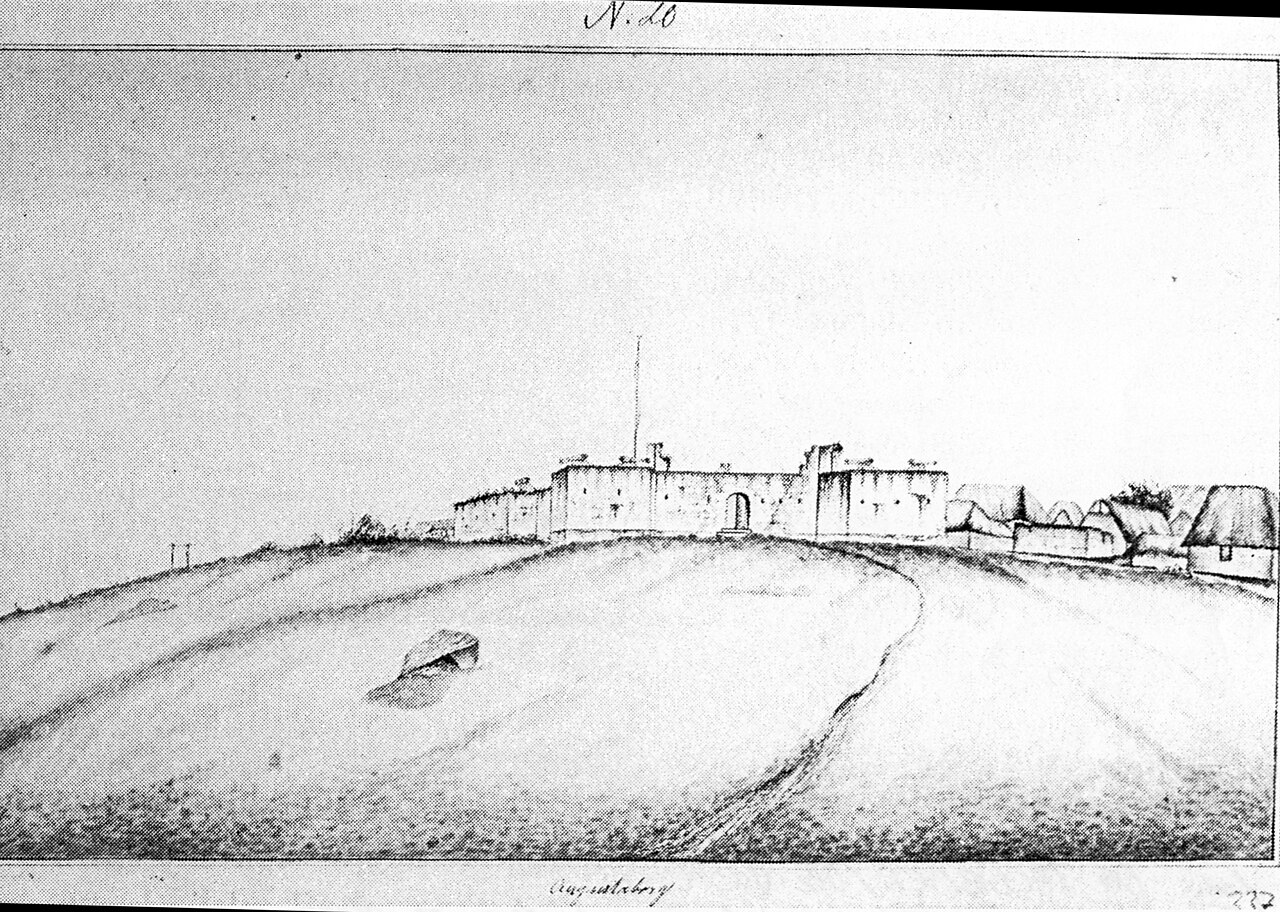
The castle was originally constructed in the 1660s by the Danish-Norwegian colonial powers as a substantial fortification. It served as the administrative center and capital of the Danish Gold Coast. Over the centuries, Osu Castle changed hands multiple times, reflecting the turbulent colonial competition in the region. It was controlled at various points by the Portuguese, the local Akwamu people, the British, and eventually, after Ghana's independence, by the Ghanaian government.
Historical significance and colonial transitions
The castle's role as a key site in the Atlantic slave trade is a critical aspect of its history. Under Danish rule, it functioned as a holding and dispatch point for enslaved Africans who were forcibly transported across the Atlantic. The fort's strategic coastal location made it an essential hub for European powers vying for control over trade and territory in West Africa.
In 1902, the castle became the official seat of government for the Gold Coast colony, symbolizing colonial administrative authority. This status continued until the establishment of modern Ghana, when the government seat was relocated to the Jubilee House. Despite this, Osu Castle remains a potent symbol of Ghana's colonial past and its journey to independence.
Architectural features and style
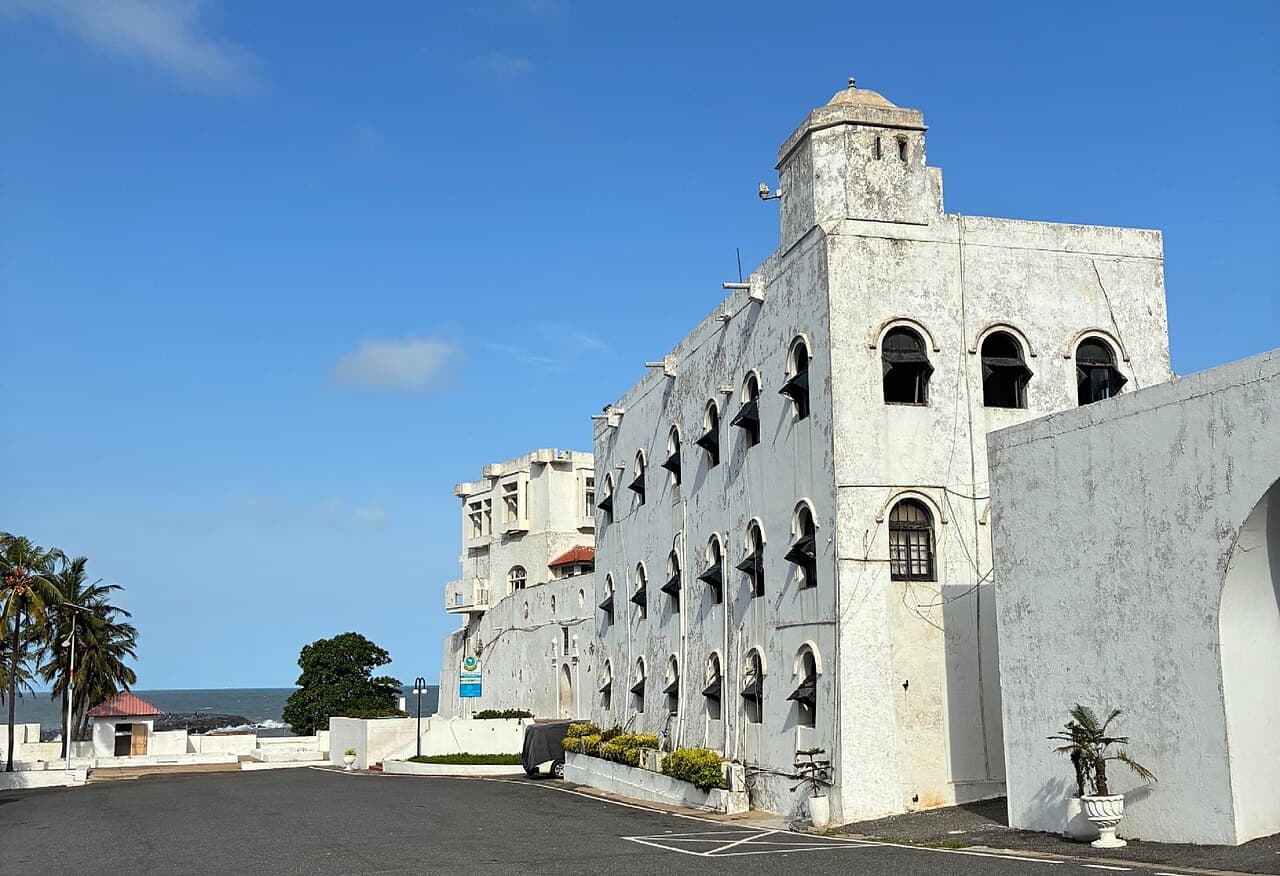
Osu Castle exemplifies Renaissance-era military architecture adapted to West African coastal conditions. The castle's design includes thick defensive walls, bastions, and a complex of buildings within the fortification walls. Its construction reflects European fortification principles of the 17th century, with adaptations for local materials and climate.
The castle's layout includes battlements, gun ports, and watchtowers designed to defend against naval and land attacks. Inside, the castle housed administrative offices, living quarters, and holding cells for enslaved people. The structure's robust stone and mortar construction has allowed it to endure centuries of coastal weathering.
UNESCO World Heritage status and preservation
In recognition of its historical importance and as a testimony to European colonial influence and the transatlantic slave trade, Osu Castle was inscribed on the UNESCO World Heritage List in 1979. It was listed alongside several other castles and forts in Ghana that collectively represent this dark chapter of global history.
Preservation efforts have focused on maintaining the castle's structural integrity and promoting its role as a cultural and historical site. The castle today serves as a museum and a reminder of Ghana's colonial past, attracting visitors interested in history, architecture, and heritage tourism.
Location and accessibility
Located in the heart of Accra, Osu Castle is accessible to visitors and scholars alike. Its coastal position offers views of the Gulf of Guinea, adding to its strategic and aesthetic significance. The castle's proximity to the city center makes it a key destination for those exploring Ghana's history and cultural landmarks.
Visiting Osu Castle
Visitors to Osu Castle can explore its historic fortifications and learn about its role in the transatlantic slave trade through exhibits and guided tours. The site provides educational opportunities about the colonial era and Ghana's path to independence.
Efforts to balance preservation with public access continue, ensuring that Osu Castle remains a vital link to Ghana's past while serving contemporary cultural and educational functions.
Frequently asked questions (FAQ)
- What is the historical significance of Osu Castle?
- Osu Castle, also known as Fort Christiansborg, holds immense historical importance as it served as a major trading post for Europeans in the transatlantic slave trade. Built in the 17th century, it has witnessed significant events in Ghana's history, including its role during colonial times and its transformation into a presidential palace.
- When was Osu Castle built?
- Osu Castle was originally constructed by the Danish in 1661 and has undergone numerous modifications over the centuries. Its architecture reflects various European styles, showcasing the influence of colonial powers in Ghana.
- Can I visit Osu Castle?
- Yes, visitors are welcome to explore Osu Castle, which offers guided tours to provide insight into its rich history and architectural features. It is advisable to check in advance for any specific visitor requirements or restrictions.
- What are the opening hours for Osu Castle?
- Osu Castle is typically open to visitors from Monday to Saturday, with tours available during the day. However, it’s best to confirm the current opening hours before your visit, as they may vary due to special events or holidays.
- What is the ticket price for visiting Osu Castle?
- The ticket prices for Osu Castle are generally affordable, allowing both local and international tourists to enjoy the experience. Prices may vary, so it's a good idea to check the official website or contact them directly for the latest information.
- Is Osu Castle accessible to all visitors?
- Yes, Osu Castle is designed to be accessible to a wide range of visitors, though some areas may have limited access due to their historical structure. It's recommended to inquire about specific accessibility options when planning your visit.
- What is the best time to visit Osu Castle?
- The best time to visit Osu Castle is during the dry season, from November to March, when the weather is more pleasant for sightseeing. This period allows visitors to fully appreciate the castle and its surroundings without the disruption of rain.
- What nearby attractions should I visit after Osu Castle?
- After visiting Osu Castle, you can explore the vibrant Osu neighborhood, known for its shops, restaurants, and cultural sites. Nearby attractions include the Independence Arch and the Kwame Nkrumah Mausoleum, which are both rich in history and worth a visit.

Information
Loading map...
Visitor reviews
No reviews yet. Been here? Write the first review and help other travelers!
Write the first reviewVisited this castle? Share your experience
Your review helps other travelers and adds first-hand knowledge to our encyclopedia.