Fort Witsen
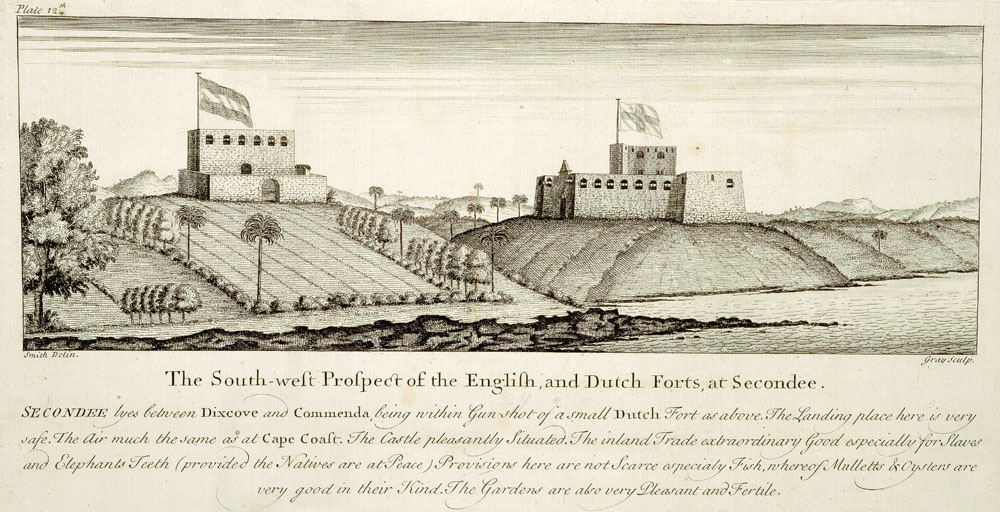
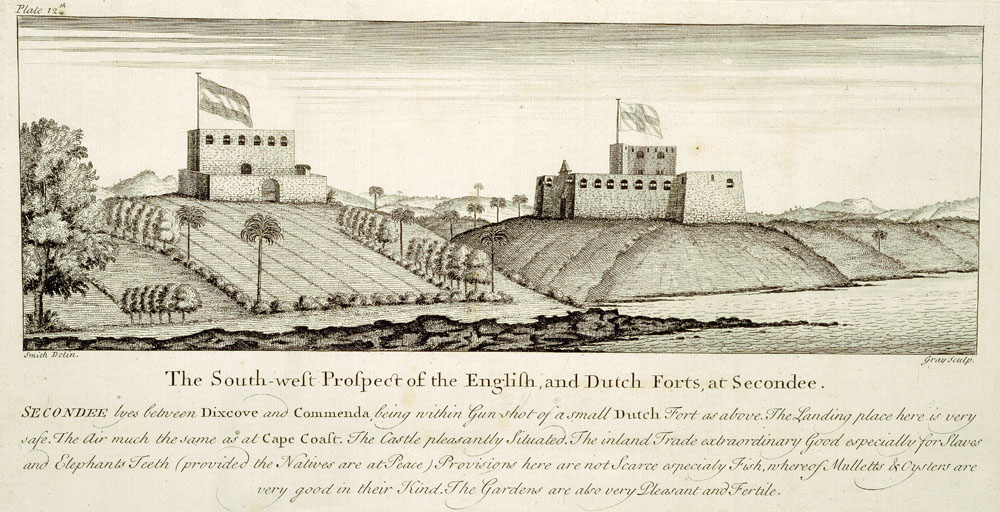
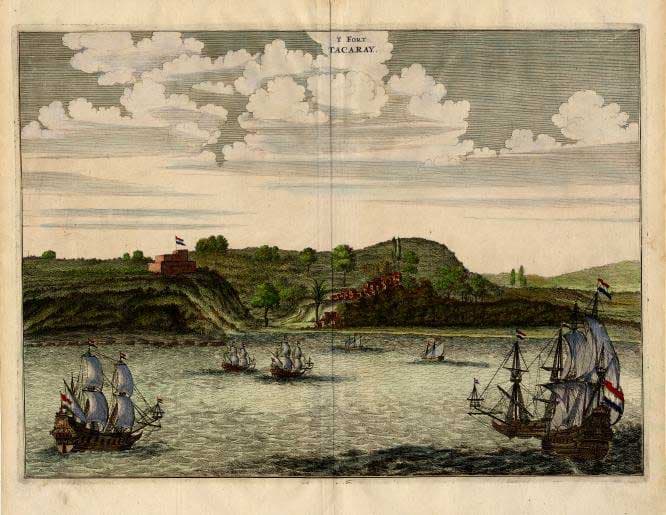
Fort Witsen, also known as Fort Tacaray, was a significant bastioned fortress established by the Dutch on the Gold Coast of West Africa in 1665. Located near the modern city of Takoradi, Ghana, this fort was part of a network of coastal strongholds constructed by European powers during the 17th century to control trade routes and resources, especially gold and slaves.
Historical background and strategic importance
The establishment of Fort Witsen occurred during the Renaissance period of European exploration and colonial expansion. The Dutch West India Company, seeking to strengthen its position against Portuguese and British rivals, built the fort as a bastioned fortress—a style that featured angled bastions designed to withstand cannon fire and improve defensive capabilities.
Fort Witsen's location near Takoradi was strategic for controlling access to inland trade routes and the lucrative gold mines of the region. The fort served as a trading post where goods such as gold, ivory, and enslaved Africans were exchanged. Its role was not only military but also commercial, facilitating Dutch dominance in the area.
Architecture and design features
The fort's bastioned design reflected military architectural advances of the 17th century. Its layout included angular bastions projecting from the walls, enabling defenders to cover adjacent walls with gunfire and eliminate blind spots. The fort likely had thick stone walls, a moat or ditch for added defense, and facilities such as warehouses, soldiers' quarters, and storehouses for trade goods.
While detailed architectural plans of Fort Witsen are scarce, its classification as a bastioned fortress aligns it with other Dutch forts on the Gold Coast, which combined European military engineering with adaptations to local conditions.
Decline, abandonment, and later history
Despite its initial importance, Fort Witsen was destroyed after only a few years of use, leading to its abandonment in 1684. The reasons for its destruction are not fully documented but may have involved conflicts with local populations or rival European powers.
Interestingly, a map from 1791 indicates that the Dutch renewed their presence at the site, suggesting some level of reconstruction or reoccupation. However, the fort never regained its former prominence.
In the late 19th century, the entire Dutch Gold Coast, including Fort Witsen, was transferred to British control under the Anglo-Dutch Treaties of 1870-1871. The handover took place on 6 April 1872, marking the end of Dutch colonial ambitions in the region.
Legacy and current status
Today, Fort Witsen exists only as archaeological ruins near Takoradi. Its remains offer insights into the European colonial military architecture and the complex history of the transatlantic trade on the Gold Coast. The site contributes to understanding the interactions between European powers and West African societies during the colonial period.
While not as well-preserved or famous as some other forts on the Gold Coast, Fort Witsen's history reflects the turbulent shifts in control and the strategic importance of coastal fortifications in West Africa.
Fort Witsen in the context of the Gold Coast forts
Fort Witsen was part of a broader network of forts and castles established by the Dutch and other European nations along the coast of present-day Ghana. These forts served as centers for trade, military defense, and administration. The Dutch forts often featured bastioned designs, which were state-of-the-art military architecture of the time, reflecting the Renaissance innovations in fortification.
The fort's history of destruction, abandonment, and reoccupation illustrates the contested nature of the Gold Coast during the 17th and 18th centuries, with frequent conflicts among European powers and local African kingdoms.
Architectural influences and adaptations
The design of Fort Witsen incorporated European bastioned principles adapted to the tropical climate and local materials. The use of thick walls and angled bastions was intended to protect against artillery and infantry attacks. The fort's layout would have included a central courtyard, gun platforms, and living quarters, typical of Dutch coastal forts.
Trade and military functions
Fort Witsen functioned both as a military stronghold and a commercial hub. Its location enabled control over maritime access and inland trade routes, facilitating the export of gold and other resources. The fort's garrison would have maintained security and enforced Dutch interests in the region.
Visiting and archaeological significance
Although Fort Witsen is largely in ruins, it remains an important archaeological site for scholars studying the colonial history of Ghana and the transatlantic trade. The site offers valuable material culture evidence of Dutch colonial presence and fortification techniques.
Visitors interested in the history of the Gold Coast forts can explore the area near Takoradi to gain perspective on the region's colonial past, though facilities and preservation at Fort Witsen are limited compared to better-known forts.
Frequently asked questions (FAQ)
- How do I get to Fort Witsen?
- Fort Witsen is located in Ghana, easily accessible by road from major cities like Accra and Kumasi. Public transportation options, including buses and taxis, are available for visitors. Additionally, hiring a private vehicle can provide a more comfortable experience.
- What is the historical significance of Fort Witsen?
- Fort Witsen was built during the colonial era as a defense against maritime threats and to facilitate trade. It played a crucial role in the transatlantic trade routes, particularly in the gold and slave trades. Today, it stands as a testament to Ghana's rich history and colonial past.
- When was Fort Witsen constructed?
- Construction of Fort Witsen began in the late 17th century, around 1680, and it was completed in the early 18th century. The fort has since undergone various renovations but retains much of its original architecture and design. Its historical context is vital for understanding the colonial history of Ghana.
- Can I take guided tours of Fort Witsen?
- Yes, guided tours of Fort Witsen are available, providing visitors with an in-depth understanding of its history, architecture, and cultural significance. Tours are typically led by knowledgeable guides who can answer questions and share fascinating stories. It's recommended to book in advance, especially during peak tourist seasons.
- Why is Fort Witsen considered an architectural marvel?
- Fort Witsen is considered an architectural marvel due to its strategic design and robust construction, designed to withstand attacks and harsh weather. The fort's use of local materials and traditional building techniques showcases the craftsmanship of the time. Its impressive walls and bastions reflect the military architecture of the period.
- Is it possible to visit Fort Witsen year-round?
- Yes, Fort Witsen is open to visitors year-round, although certain holidays and events may affect accessibility. However, the best time to visit is during the dry season, from November to March, when the weather is more favorable for exploration. Always check ahead for any specific closures or events.
- What are the opening hours for Fort Witsen?
- Fort Witsen typically opens to visitors from 9 AM to 5 PM daily. It is advisable to confirm the hours before your visit, as they may vary on public holidays or during special events. Early visits can provide a quieter experience and more opportunities for exploration.
- What are the ticket prices for Fort Witsen?
- Ticket prices for Fort Witsen are generally affordable, with discounts available for students and children. Entry fees help maintain the site and support preservation efforts. Always check the official website or local information for the most current pricing and any special deals.
- What nearby attractions can I visit after Fort Witsen?
- After visiting Fort Witsen, you can explore other historical sites such as Cape Coast Castle and Elmina Castle, both rich in history and only a short drive away. Additionally, the surrounding area offers beautiful beaches and local markets for a complete cultural experience. These attractions provide a deeper insight into Ghana's historical and cultural landscape.
Photo gallery

Photo by Unknown authorUnknown author•Public domain
Information
Loading map...
Visitor reviews
No reviews yet. Been here? Write the first review and help other travelers!
Write the first reviewVisited this castle? Share your experience
Your review helps other travelers and adds first-hand knowledge to our encyclopedia.