Fort William (Ghana)
Fort William, located in Anomabu in the Central Region of Ghana, is a notable example of an 18th-century bastioned fortress built during the era of European colonial expansion and the Atlantic slave trade. Originally known as Fort Anomabo, it was renamed in the 1830s by its commander, Brodie Cruickshank, who added an additional storey to the main structure and dedicated the fort to King William IV. This fort stands as a significant historical monument reflecting the complex interactions between European powers and West African societies in the context of trade and warfare.
Historical background and construction
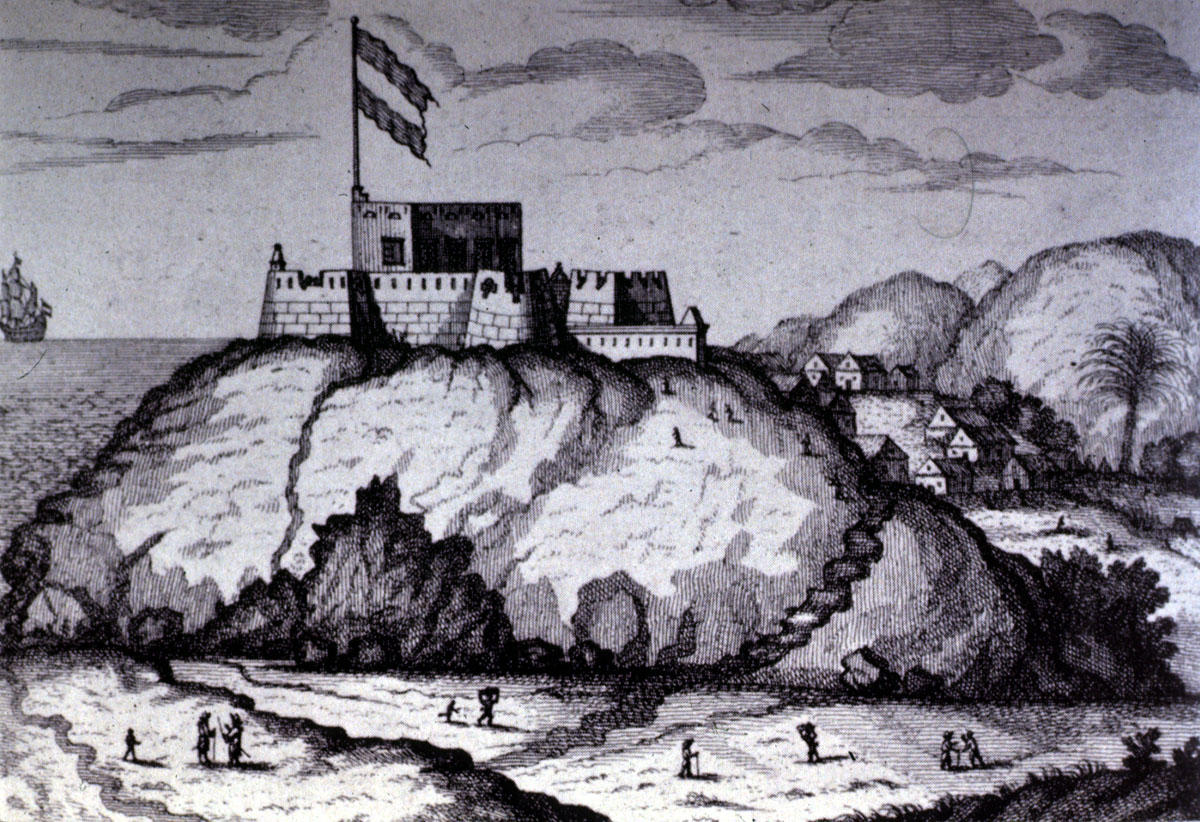
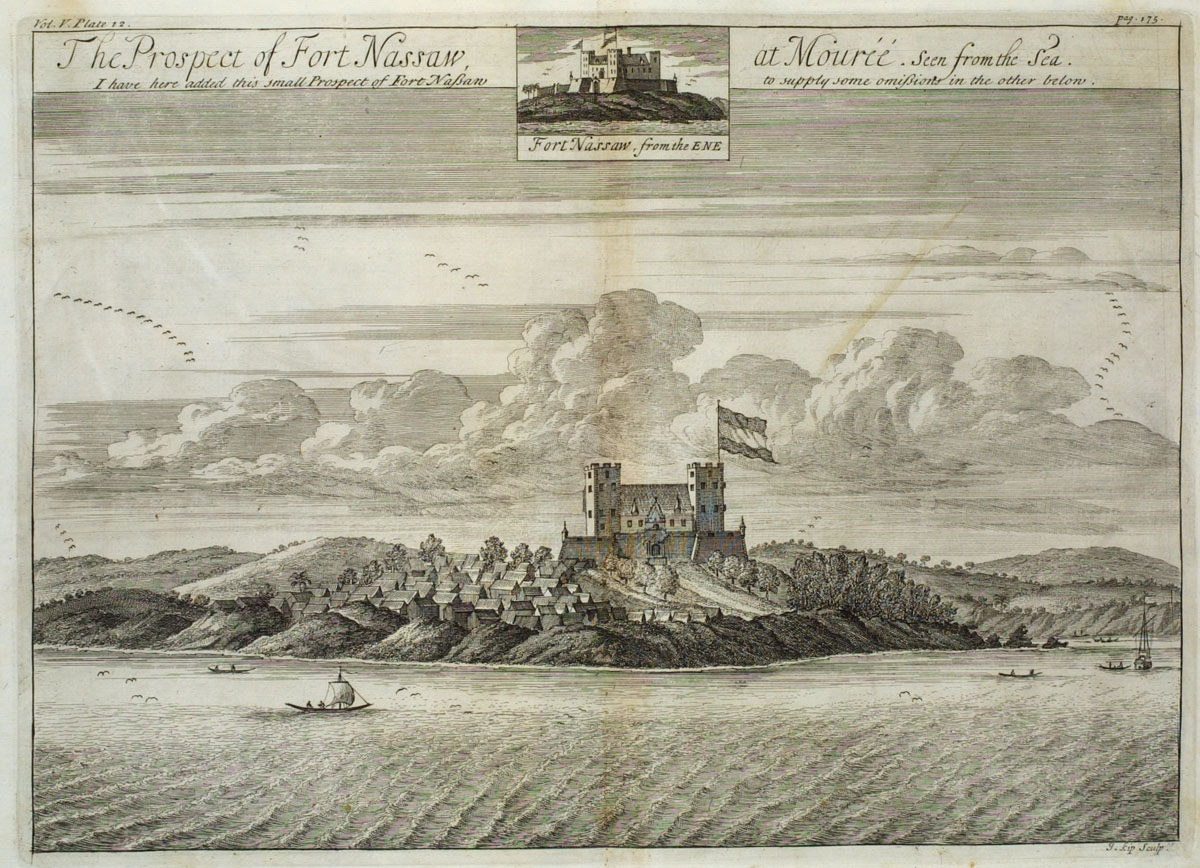
The site of Fort William has a layered history of European fortifications. The first fort at this location was constructed by the Dutch in 1640, marking early European interest in controlling coastal trade routes in West Africa. Later, the English established Fort Charles in 1674, which was subsequently abandoned and destroyed by 1730. The current Fort William was built by the British in 1753 after they successfully prevented a French attempt to claim the site. The fort’s construction during the renaissance period of European colonial architecture reflects the strategic military and commercial priorities of the British Empire in the mid-18th century.
Architectural features and fortifications
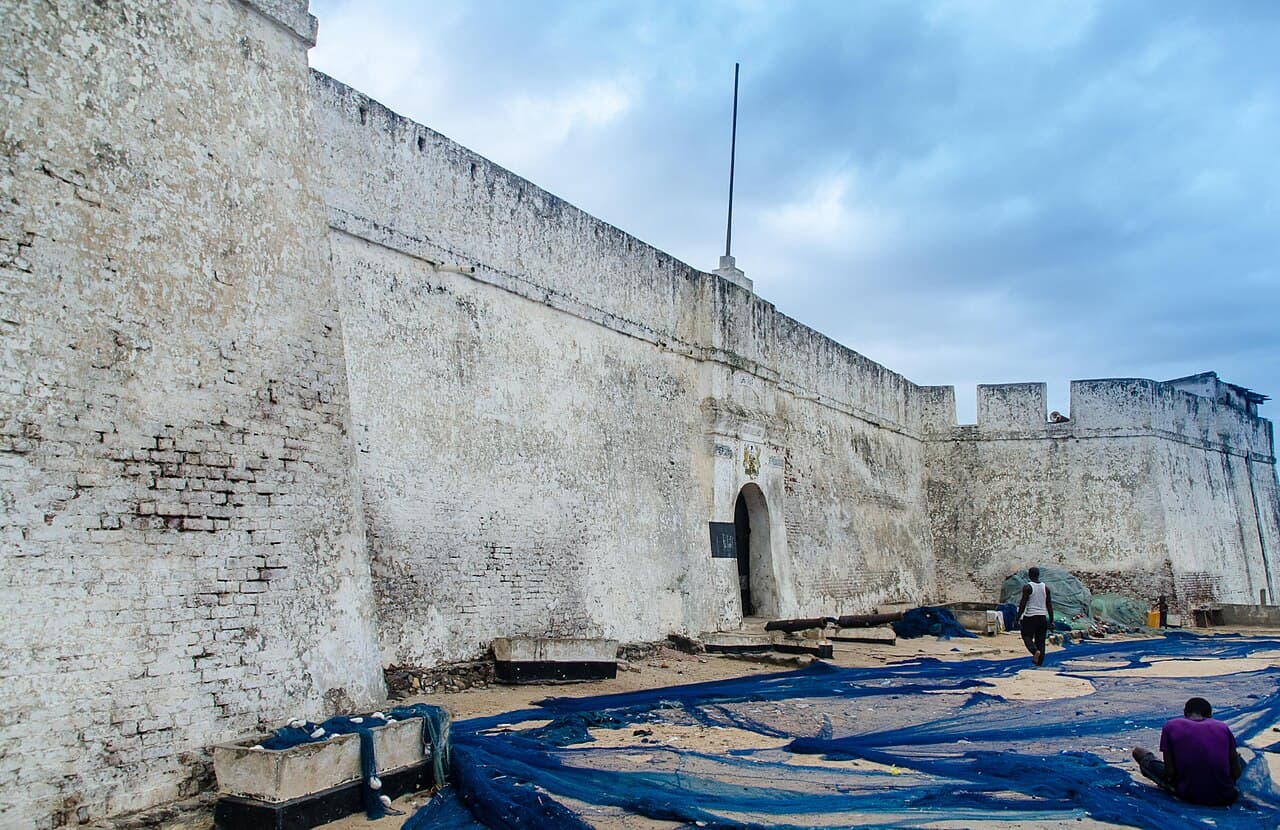
Fort William is classified as a bastioned fortress, a design characterized by angular bastions projecting from the main walls to allow defensive cannon fire along the walls and eliminate blind spots. This architectural style was widely adopted in European colonial forts to enhance defense against both naval and land attacks. The fort’s robust stone walls and bastions exemplify this strategic military architecture, designed to withstand sieges and protect the valuable trading post within.
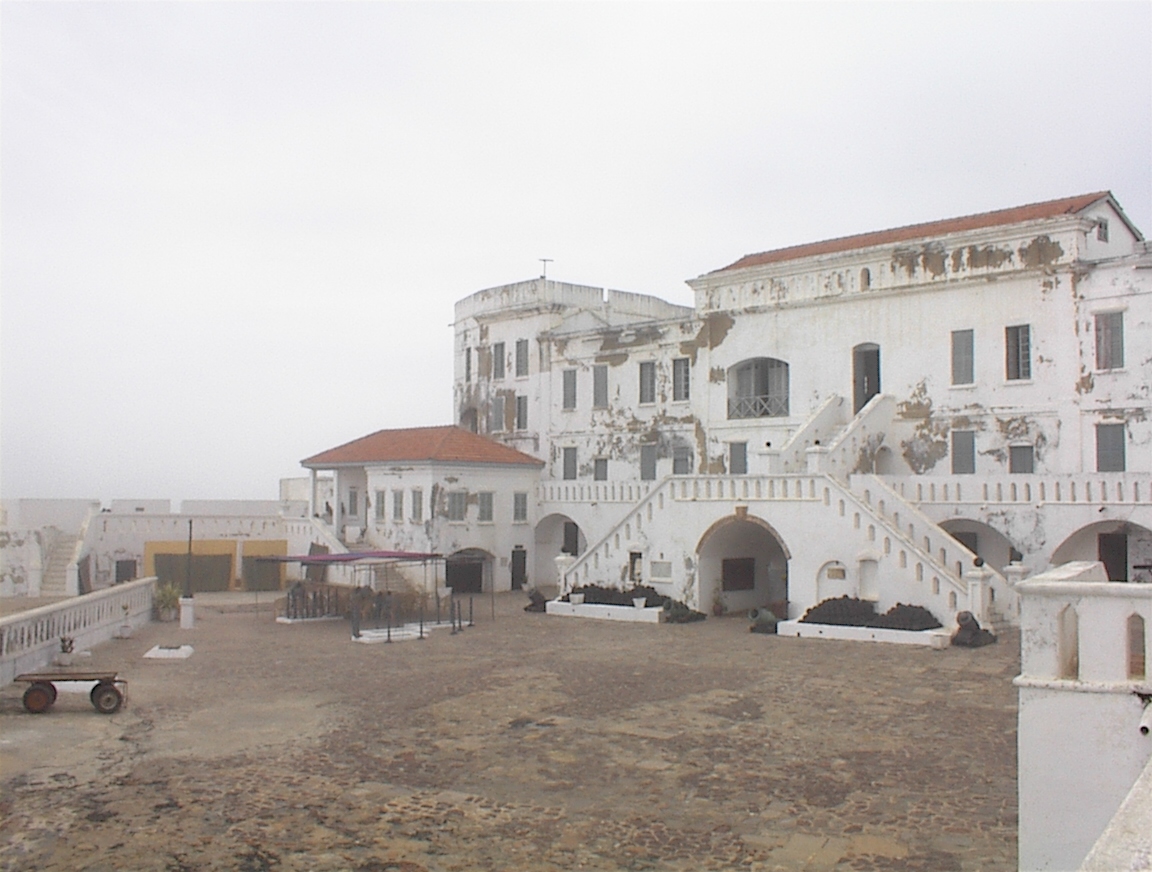
The addition of a storey by Brodie Cruickshank in the 1830s enhanced the fort’s capacity and functionality. The main building’s elevated structure provided improved vantage points for surveillance and defense. The fort’s layout includes internal courtyards, barracks, storage facilities, and defensive positions, typical of British forts of the period.
Role in the atlantic slave trade
Fort William played a significant role in the transatlantic slave trade, serving as a holding and trading point for enslaved Africans before their forced transportation to the Americas. Along with other forts and castles along the Ghanaian coast, it formed part of the so-called "Slave Coast" network, where European powers competed for control over the lucrative but tragic human trade. The fort’s strategic location allowed it to control access to the interior and manage the flow of goods and enslaved people.
Its inclusion in the UNESCO World Heritage List in 1979 underscores its importance as a historical site that bears witness to the atrocities and economic dynamics of the slave trade era. Preservation efforts aim to maintain the fort as a cultural heritage site to educate visitors about this dark chapter of history.
Preservation and current status
Today, Fort William is well preserved and accessible to visitors interested in the history of Ghana and the Atlantic slave trade. The fort’s strong stone walls and bastions remain largely intact, providing a tangible connection to the past. It serves as both a tourist attraction and an educational site, with guided tours often explaining its architectural features and historical significance.
Efforts to maintain the fort include conservation of its masonry and structural elements to prevent deterioration from coastal weather conditions. The site also contributes to local identity and historical awareness, linking Ghana’s present to its colonial and pre-colonial past.
Architectural significance and legacy
Fort William exemplifies the bastioned fortress design adapted for the West African coastal environment. Its robust construction and strategic layout reflect the military engineering principles of the 18th century. The fort’s architecture provides insight into the methods used by European powers to establish and maintain control over distant territories and trade routes.
As part of the broader network of forts and castles along Ghana’s coast, Fort William contributes to understanding the architectural and historical landscape shaped by European colonialism and African resistance. Its preservation allows for ongoing study and interpretation of this complex history.
Frequently asked questions (FAQ)
- How do I visit Fort William in Anomabu?
- Fort William is open to visitors daily, with guided tours available. It is recommended to check local visitor centers for current opening hours and tour schedules.
- What is the historical significance of Fort William?
- Fort William played a key role in the Atlantic slave trade and represents European colonial military architecture from the 18th century.
- When was Fort William built?
- The current Fort William was built in 1753 by the British after earlier forts at the site were abandoned.
- Can I explore the architectural features of Fort William?
- Yes, visitors can explore the bastioned walls, bastions, internal courtyards, and the main building, which features an additional storey added in the 1830s.
- Is Fort William part of the UNESCO World Heritage List?
- Yes, Fort William was inscribed on the UNESCO World Heritage List in 1979 for its importance in the history of the Atlantic slave trade.
Photo gallery

Information
Current owner
State museum
Loading map...
Visitor reviews
No reviews yet. Been here? Write the first review and help other travelers!
Write the first reviewVisited this castle? Share your experience
Your review helps other travelers and adds first-hand knowledge to our encyclopedia.