Fort Victoria
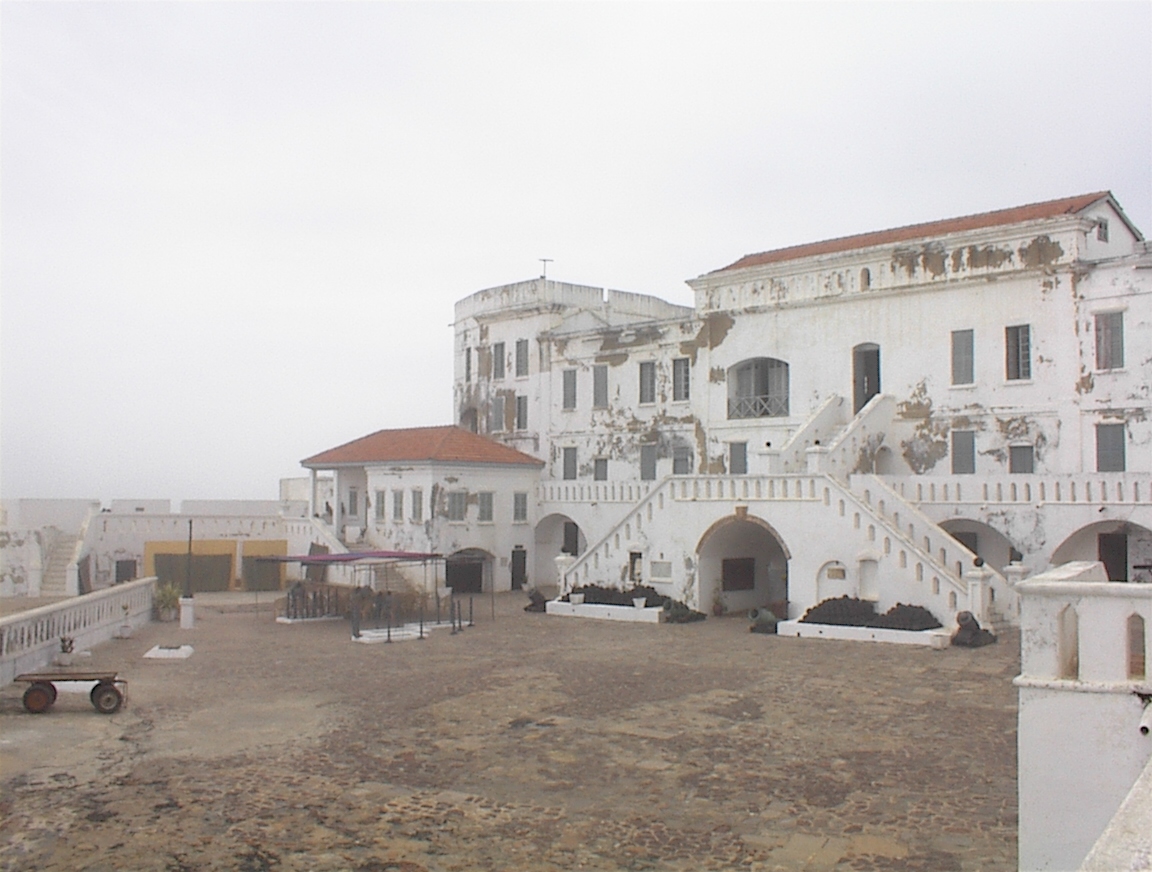
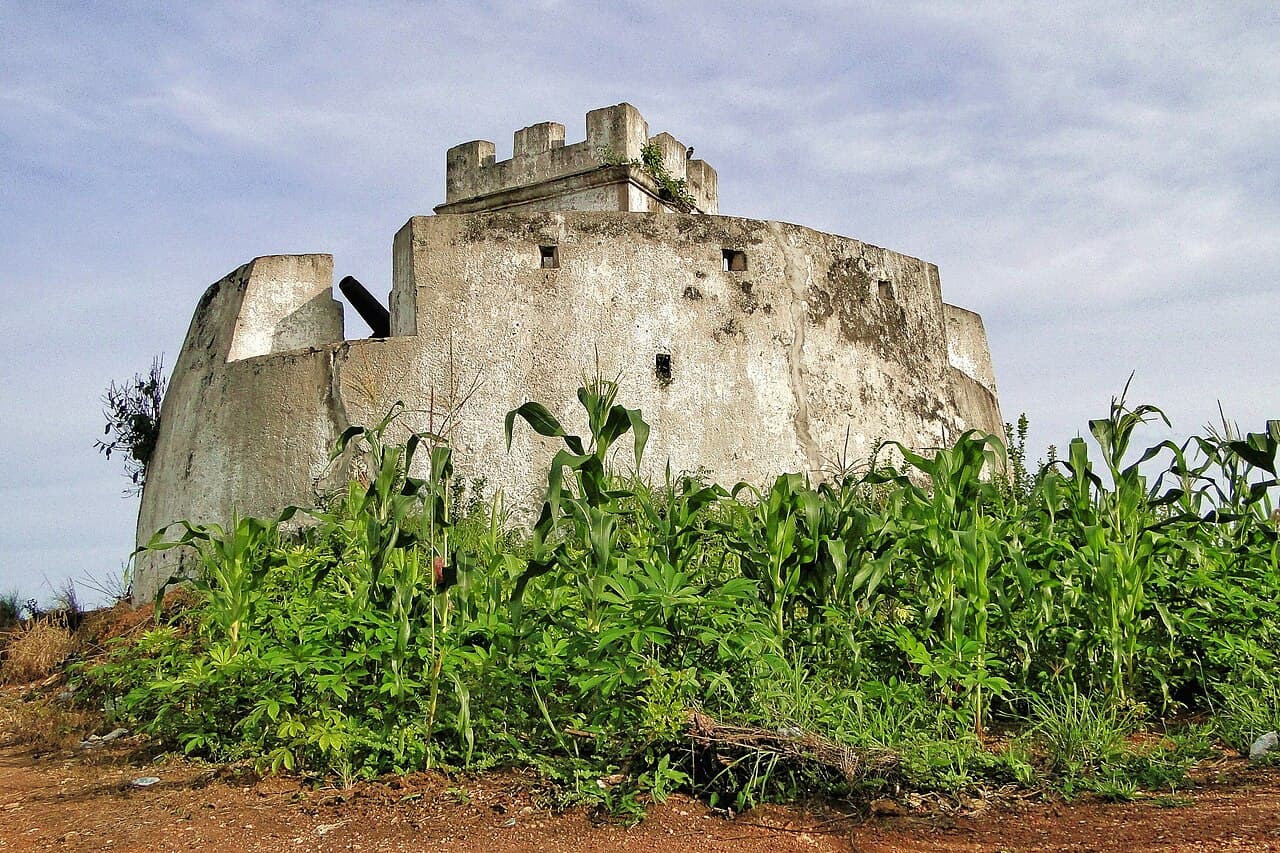
Fort Victoria is a bastioned fortress located on a prominent hill in the historic town of Cape Coast, Ghana. It occupies a strategic position overlooking the surrounding area, reflecting its original military purpose of defense and surveillance during the colonial era. The fort's origins date back to the early 18th century, with a rich history tied to European colonial expansion and local conflicts.
Early history and original construction
The first structure on this site was constructed in 1712 and was originally known as Phipps Tower, named after the English Governor Phipps who commissioned its building. This initial fortification was a small, round tower equipped with seven cannons. It was part of a defensive chain of lookout posts designed to protect the nearby Cape Coast Castle from attacks by the Ashanti Empire and to serve as a signaling station. These lookout posts were essential for early warning and coordination of defenses in the region.
Despite its initial importance, Phipps Tower fell into disrepair during the 18th century, as the military and political landscape evolved and other fortifications took precedence.
Construction of the present fort and architectural features
In 1837, the current Fort Victoria was constructed on the ruins of the earlier tower. This new fortification was designed as a small but strong bastioned fortress, reflecting military architectural principles of the post-Renaissance period. The bastioned design enabled better defense against artillery attacks, providing overlapping fields of fire along the walls.
The fort's walls are robust and built to withstand assaults, featuring bastions at the corners for defensive cannon placements. Its elevated position on the hill allowed for extensive surveillance and control over the surrounding landscape, including views of the nearby Fort William, another lookout post within visual range. The fort's compact size and strategic location made it a valuable military asset during times of conflict.
Historical significance and colonial context
Fort Victoria holds significant historical value as part of the network of European colonial fortifications along the Ghanaian coast. Originally built by the British, it played a role in the complex interactions between European powers and local African states, particularly during the period of the trans-Atlantic trade and the conflicts involving the Ashanti Empire.
The fort was renamed in honor of Queen Victoria, reflecting the British colonial presence and influence in the region during the 19th century. Alongside other forts and castles in Cape Coast, Fort Victoria was inscribed on the UNESCO World Heritage List in 1979 due to its cultural and historical importance as a symbol of European colonial expansion and its impact on West African history.
Current condition and visitor information
Today, Fort Victoria is freely accessible to visitors, although a small token fee may be requested if approaching via certain routes, such as the road past the Mighty Victory Hotel. The fort itself is not currently used for any active purpose but remains an important historical site for education and tourism.
Visitors can explore the fort's remains and enjoy panoramic views from its vantage point. Its proximity to other historic sites like Fort William makes it part of a broader cultural heritage trail in Cape Coast, offering insights into the region's colonial past and military architecture.
Architectural and cultural legacy
The design of Fort Victoria exemplifies the adaptation of European military architecture to the West African coastal environment. Its bastioned fortress style, dating from the post-Renaissance period, demonstrates the evolution of fortifications in response to advances in artillery and changing military tactics.
The fort's role as a lookout and defensive position against the Ashanti attacks highlights the turbulent history of the region during the 18th and 19th centuries. As part of the UNESCO-listed forts and castles in Ghana, Fort Victoria contributes to understanding the complex history of colonialism, trade, and conflict in West Africa.
Frequently asked questions (FAQ)
- What is the historical significance of Fort Victoria?
- Fort Victoria, built in the 19th century, played a crucial role in the defense of the Gold Coast against colonial powers. It served as a military outpost and a trading hub, reflecting the architectural style and military strategies of the time.
- When was Fort Victoria constructed?
- Fort Victoria was constructed in the year 1843. It was part of a series of forts the British built along the coast of Ghana to protect their interests during the tumultuous period of colonial expansion.
- What are the opening hours for visiting Fort Victoria?
- Fort Victoria is open to visitors from 9 AM to 5 PM, Monday through Saturday. It is advisable to check for any special holiday hours or closures before planning your visit.
- Can I take photographs inside Fort Victoria?
- Yes, visitors are welcome to take photographs inside Fort Victoria. However, it is recommended to be respectful of any designated areas where photography might be restricted.
- Is Fort Victoria accessible for visitors with mobility challenges?
- Fort Victoria has made efforts to accommodate visitors with mobility challenges, including ramps and accessible pathways. However, some areas may still present challenges due to the historical nature of the site.
- What is the best time to visit Fort Victoria?
- The best time to visit Fort Victoria is during the dry season, from November to March, when the weather is more pleasant and conducive to exploring the outdoors. Visiting during the early morning or late afternoon can also help avoid the midday heat.
- Are there any nearby attractions to Fort Victoria?
- Yes, nearby attractions include the bustling city of Aboom and other historical sites such as Cape Coast Castle and Elmina Castle. These sites offer a deeper insight into Ghana's rich history and culture.
- What are the ticket prices for visiting Fort Victoria?
- The ticket prices for Fort Victoria are generally affordable, with discounts available for students and children. It's best to check the official website or contact the site directly for the most current pricing information.
Photo gallery

Information
Loading map...
Visitor reviews
No reviews yet. Been here? Write the first review and help other travelers!
Write the first reviewVisited this castle? Share your experience
Your review helps other travelers and adds first-hand knowledge to our encyclopedia.