
Sweden
The historical background and medieval period
Sweden’s rich heritage of castles and fortifications reflects its strategic importance and turbulent history throughout the medieval period and beyond. From the early Middle Ages, Sweden developed a network of defensive structures to protect its emerging kingdoms against internal conflicts and foreign invasions. These fortifications served not only military purposes but also symbolized the power and prestige of local rulers and the monarchy.
The medieval period, spanning roughly from the 11th to the 16th centuries, was crucial in shaping the architectural landscape of Swedish castles. Many of the earliest strongholds were constructed as wooden fortresses or earthen mounds, but by the 13th century, the transition to stone castles became prominent. This shift was influenced by broader European trends and Sweden’s growing integration into continental political and cultural systems.
During this time, castles like Kalmar Castle started to take form, initially as a defensive fortification near the Baltic Sea. Kalmar played a pivotal role in the Kalmar Union, a political alliance uniting Sweden, Denmark, and Norway under a single monarch. The construction and expansion of such castles demonstrate the evolving military and administrative needs of the Swedish kingdom.
Continue reading below — scroll for the full article.
Castles in Sweden
Discover 15 magnificent castles across the country






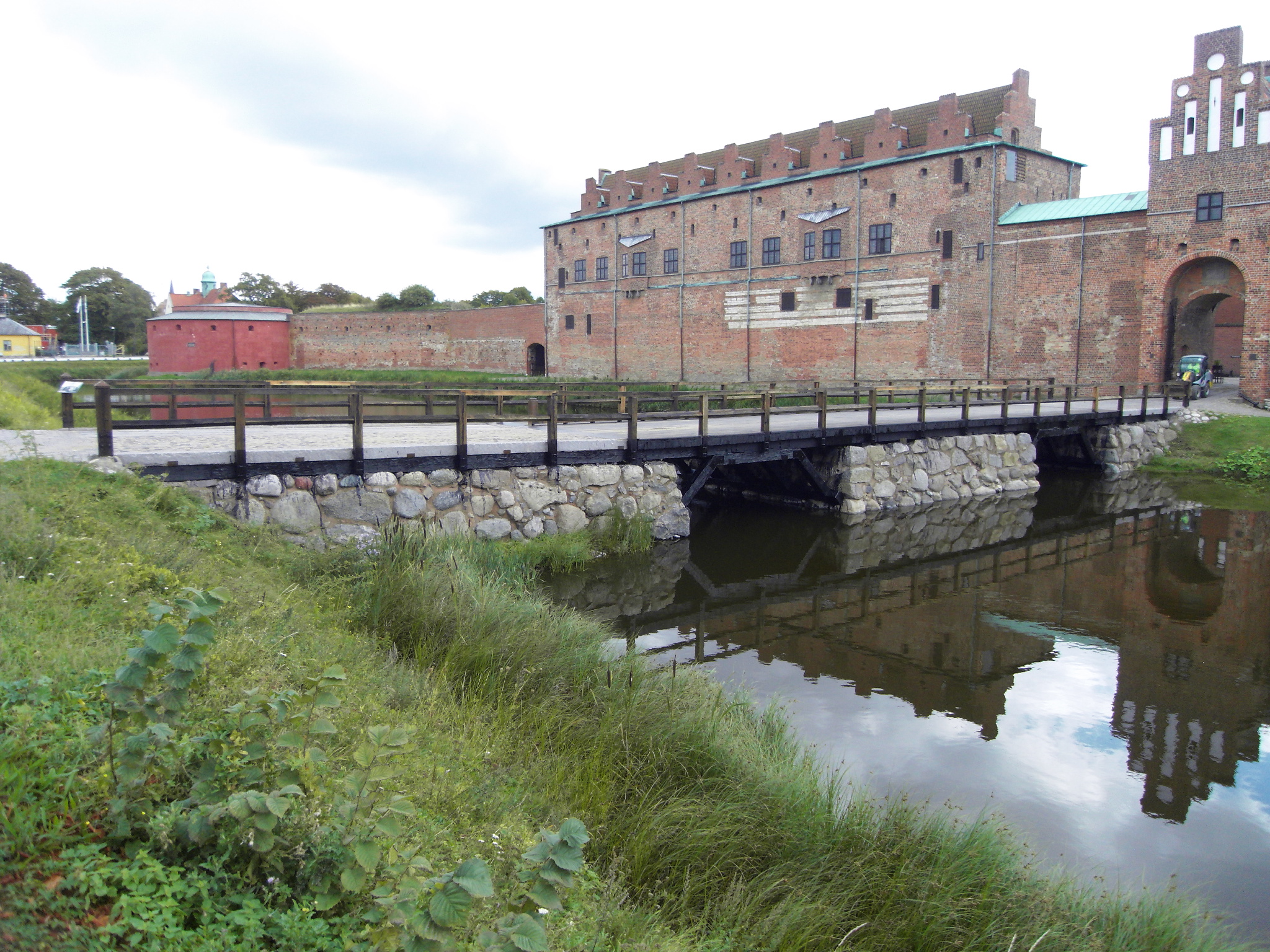


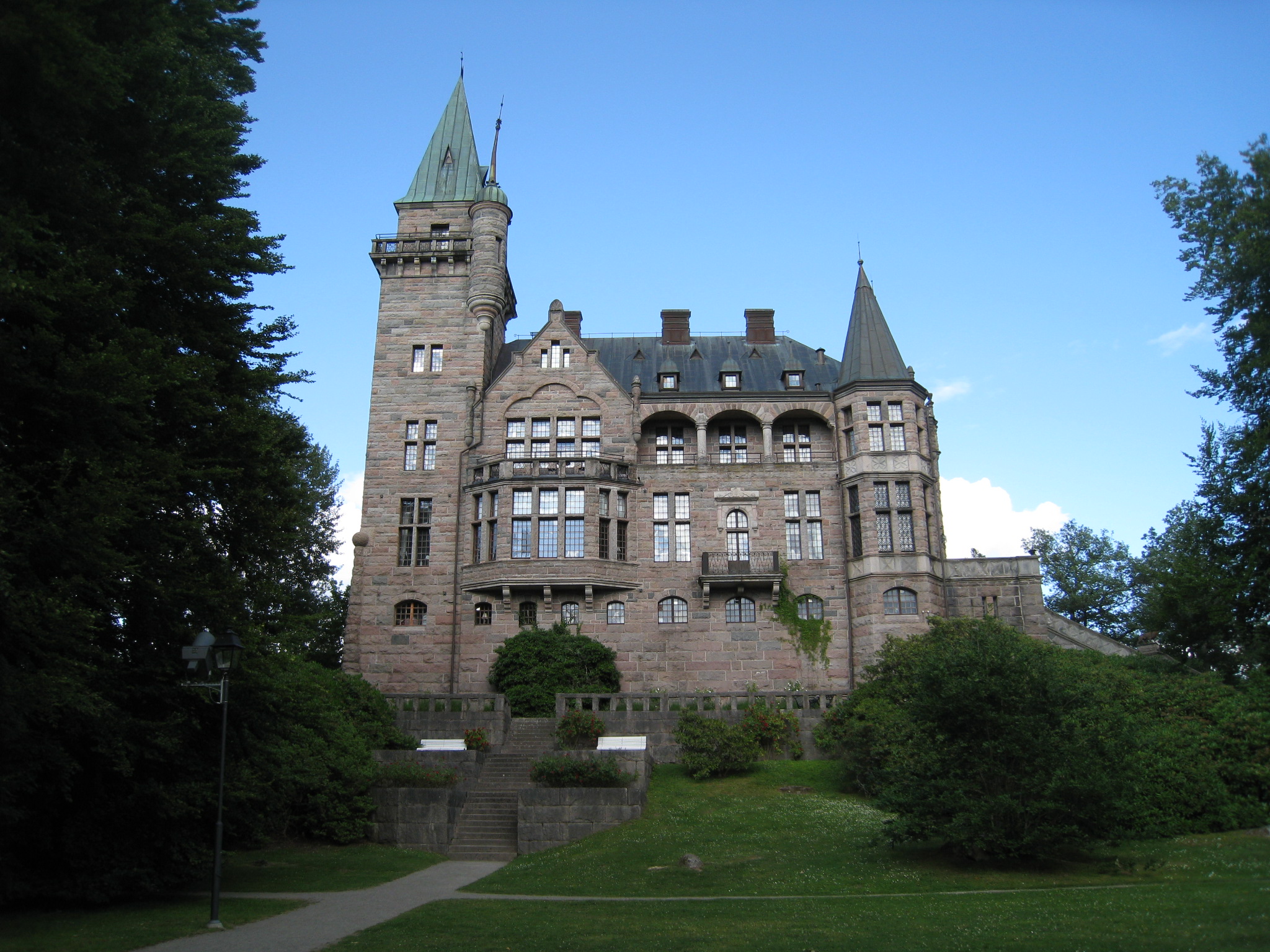
Types of fortifications in Sweden
Sweden’s fortifications encompass a variety of structures, ranging from medieval castles and stone fortresses to defensive walls and coastal defenses. Understanding these types illustrates the country’s adaptive responses to different military threats and geographic challenges.
Castles
Swedish castles primarily served as fortified residences for nobility and centers of local administration. Early castles often featured thick stone walls, moats, and towers designed to withstand sieges. Notable examples include Gripsholm Castle, which combines residential comfort with defensive elements, and was built during the 16th century Renaissance period.
Fortresses
Unlike castles, fortresses were primarily military installations focused on defense and control over strategic locations. Karlskrona fortress, though constructed later in the 17th century, exemplifies Sweden’s efforts to protect its naval bases and coastline against foreign powers. Fortresses commonly included bastions, ramparts, and artillery placements designed for modern warfare of their time.
Defensive walls and town fortifications
Several Swedish towns were protected by fortified walls and gates, often supplemented by towers and ramparts. These urban defenses were vital during periods of conflict and invasion. For example, the old town of Visby on the island of Gotland retains extensive medieval defensive walls, showcasing the importance of urban fortifications in protecting trade centers and local populations.
Architectural styles and influences
The architecture of Swedish castles reflects a blend of indigenous traditions and external influences, particularly from continental Europe. The evolution of styles mirrors changes in military technology, domestic needs, and aesthetic preferences.
Medieval stone castles
Early stone castles in Sweden were heavily influenced by German and Danish designs, featuring robust keep towers, curtain walls, and limited openings to enhance defense. The use of local granite and fieldstone was common, giving these castles a distinct rugged appearance. Borgholm Castle on Öland Island is a striking example of a medieval fortress, originally built in the 12th century and later expanded with Renaissance elements.
Renaissance and baroque influences
From the 16th century onward, the Renaissance brought a shift toward more comfortable, palatial residences with ornate decoration while retaining defensive features. This period introduced larger windows, decorative façades, and symmetrical layouts. Gripsholm Castle is emblematic of this style, combining Renaissance elegance with medieval fortifications.
Military engineering and bastion systems
By the 17th century, improvements in artillery necessitated new fortress designs. Influenced by Dutch and French military engineering, Swedish fortresses adopted star-shaped bastions and angled walls to better resist cannon fire. Such designs are evident in the fortifications of Karlskrona, which remain among the best-preserved examples of early modern military architecture.
Regional variations in Swedish fortifications
Sweden’s diverse geography and historical context led to notable regional differences in castle and fortification styles. Coastal areas, islands, and inland regions adapted their defenses to local threats and materials.
Coastal and island fortifications
The Baltic Sea coastline and archipelagos demanded strong maritime defenses. Castles like Kalmar Castle and Borgholm Castle were strategically placed to control sea routes and protect against naval incursions. These sites often combined land-based fortifications with harbor defenses.
Inland strongholds
Inland regions, such as around Lake Mälaren and southern Sweden, featured castles that served as administrative centers and noble residences. These castles balanced defensive needs with residential functions, often surrounded by agricultural estates. Gripsholm Castle, located near Lake Mälaren, exemplifies this dual purpose.
Northern frontier defenses
The northern parts of Sweden, with their sparse population and rugged terrain, had fewer large castles but incorporated smaller fortified manors and watchtowers. These structures were designed more for local control and signaling than for large-scale military engagements.
Preservation and current state of Swedish castles
Many Swedish castles have been preserved remarkably well, thanks to continuous maintenance, adaptive reuse, and national heritage efforts. Several castles remain inhabited or serve as museums, providing insight into Sweden’s architectural and historical legacy.
Gripsholm Castle functions today as a museum housing a significant portrait collection, attracting visitors interested in both art and history. Similarly, Kalmar Castle has been restored and adapted to showcase its historical development and role in Scandinavian politics.
Other ruins, such as parts of Borgholm Castle, offer evocative glimpses into the past and are popular with tourists and researchers alike. Swedish authorities and heritage organizations actively promote conservation, ensuring these sites remain accessible while respecting their historical integrity.
Castle tourism and cultural significance
Sweden’s castles are important cultural landmarks and contribute significantly to the country’s tourism industry. Many castles are open to the public year-round and host events, exhibitions, and historical reenactments that bring their rich past to life.
Visitors to castles like Kalmar and Gripsholm experience not only architectural splendor but also the stories of royal dynasties, medieval warfare, and political unions that shaped Scandinavia. These sites serve as educational resources and symbols of national identity, fostering appreciation for Sweden’s medieval and early modern heritage.
In addition to individual castles, fortification complexes and town walls, such as those in Visby, have been recognized by UNESCO, highlighting their universal cultural value. This recognition supports preservation efforts and raises global awareness of Sweden’s unique contribution to castle heritage.
Castle Locations in Sweden
Explore all castle locations on an interactive map
Loading castle locations...