Kastellet Stockholm
Kastellet Stockholm is a prominent historic citadel located on the small islet of Kastellholmen in Stockholm County, Sweden. This fortress has a rich history dating back to the 17th century, serving as a military stronghold and symbol of national security. The current structure, built between 1846 and 1848, replaced an earlier fortification that was originally designed in 1667 by the renowned military engineer Erik Dahlbergh. The earlier fortification was destroyed by an explosion in June 1845, necessitating the construction of a new fortress to continue its defensive role.
Architectural design and structure
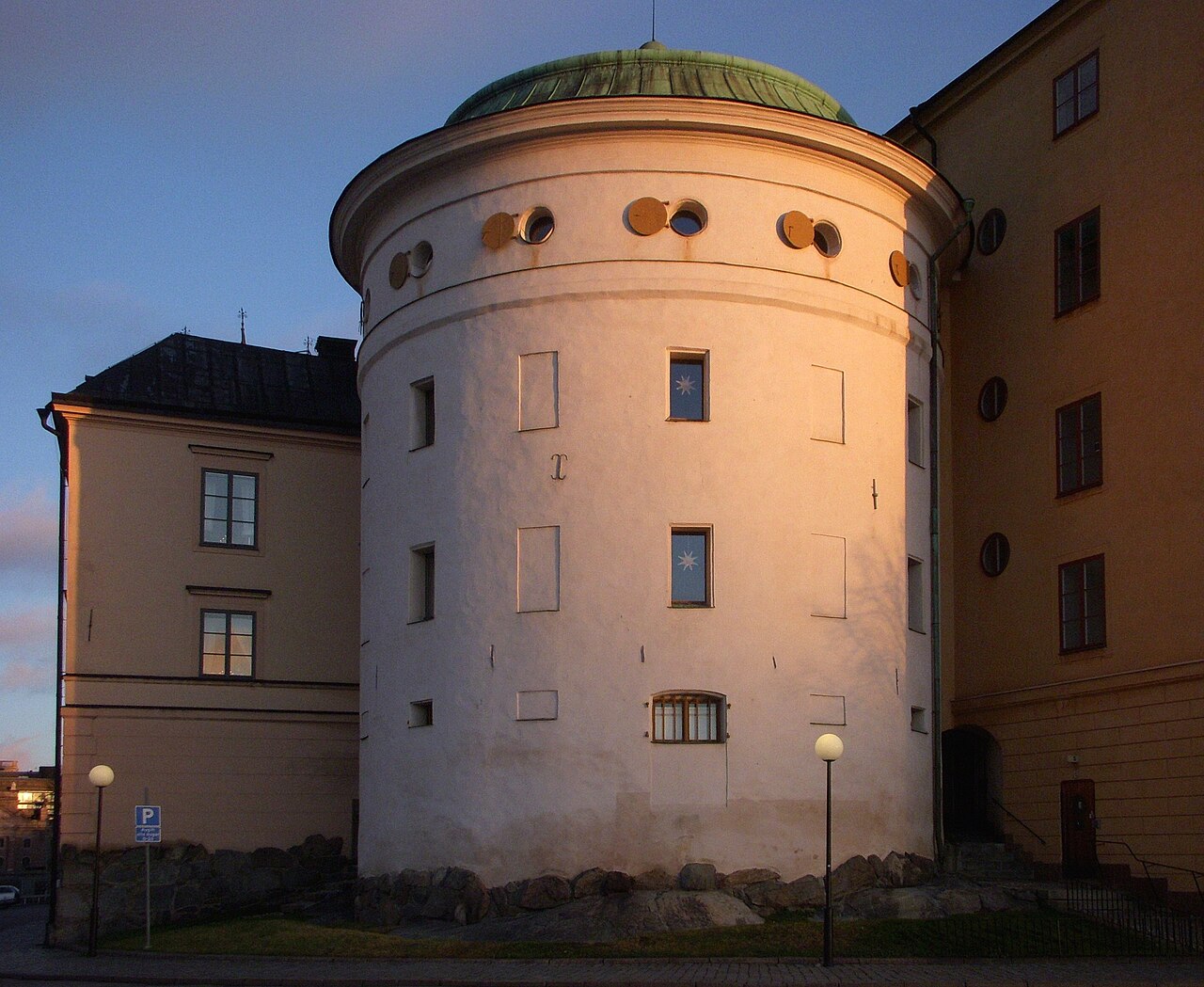
The rebuilt Kastellet was designed by the notable architect Fredrik Blom, who was responsible for its distinctive and functional design. The fortress is characterized by a round tower constructed of red brick walls, which provides both strength and aesthetic appeal. A prominent feature of the castle is its 20-meter-high stair tower, which adds vertical emphasis and serves as a vantage point for surveillance and defense.
The fortress's compact design reflects its role as a small citadel, optimized for the strategic defense of the surrounding waterways and the city of Stockholm. The use of red brick was typical for military architecture in the 19th century, combining durability with a visually striking appearance. The fortress's location on Kastellholmen islet enhances its defensive capabilities, surrounded by water on all sides.
Historical significance and events
Kastellet Stockholm has played an important role in Swedish military history. The original fortification was part of a broader defensive system protecting Stockholm and its harbor. The explosion in 1845 marked a significant event, leading to the construction of the current fortress, which has since stood as a symbol of Swedish resilience and military tradition.
An interesting historical anecdote occurred on May 17, 1996, during the Norwegian Constitution Day celebrations. Norwegian expatriates raised the Norwegian flag atop the tower, an act that historically could have been interpreted as a declaration of war. However, due to modern diplomatic relations, this incident did not escalate into a crisis, highlighting the fortress's continuing symbolic importance in Nordic relations.
Symbolism and daily traditions
A notable tradition at Kastellet is the daily hoisting and lowering of the Military Ensign of Sweden atop the tower. This ritual serves as a powerful symbol indicating that the nation is at peace. The flag's presence is a constant reminder of the fortress's enduring role in Swedish national defense and sovereignty.
Location and cultural heritage
Situated in Stockholms lan, the fortress is not only a military installation but also a cultural landmark. Kastellholmen, the islet on which Kastellet stands, is part of Stockholm's archipelago, offering scenic views and a unique setting that blends natural beauty with historical architecture.
Today, Kastellet Stockholm remains a well-preserved example of 19th-century military architecture and continues to attract visitors interested in Sweden's military history and architectural heritage. Its compact size and distinctive design make it a noteworthy site within Stockholm's rich tapestry of historic fortifications.
Frequently asked questions (FAQ)
- What is kastellet stockholm and where is it located?
- Kastellet Stockholm is a historic citadel located on the islet of Kastellholmen in Stockholm County, Sweden. It serves as a symbol of Swedish military heritage and national defense.
- When was kastellet stockholm built and who designed it?
- The current Kastellet was built between 1846 and 1848, designed by architect Fredrik Blom. It replaced an earlier fortification from 1667 that was destroyed by an explosion in 1845.
- What are the key architectural features of kastellet stockholm?
- Kastellet features a round tower with red brick walls and a 20-meter-high stair tower. Its compact design reflects its role as a small citadel optimized for defense.
- What is the significance of the flag flying atop kastellet stockholm?
- The Military Ensign of Sweden is hoisted and lowered daily on Kastellet's tower, symbolizing that the nation is at peace. This tradition underscores the fortress's ongoing symbolic role.
- Can visitors access kastellet stockholm?
- While Kastellet is a notable historic site, visitor access may be limited. It is advisable to check current visiting hours and access policies before planning a visit.
Information
Architect
Fredrik Blom
Loading map...
Visitor reviews
No reviews yet. Been here? Write the first review and help other travelers!
Write the first reviewVisited this castle? Share your experience
Your review helps other travelers and adds first-hand knowledge to our encyclopedia.