
Portugal
Castle heritage in portugal: an introduction
Portugal boasts a rich heritage of castles and fortifications that reflects its turbulent history and strategic importance on the Iberian Peninsula. Its castle architecture spans several centuries, showcasing the evolution of military design from the early medieval period through the Renaissance. These fortifications played a crucial role in the defense against both Moorish invasions and later European conflicts, contributing to the shaping of the Portuguese nation.
The landscape of Portugal is dotted with imposing castles that reveal a blend of cultural and military influences. Many of these structures were constructed or expanded during the Reconquista, when Christian forces reclaimed territory from Muslim rulers. Today, these castles stand as important cultural landmarks and symbols of national identity, attracting scholars and visitors interested in medieval architecture and history.
Continue reading below — scroll for the full article.
Castles in Portugal
Discover 65 magnificent castles across the country








Historical background and the medieval period
The medieval period in Portugal, roughly spanning from the 9th to the 15th centuries, was a formative era for castle construction. During the early Middle Ages, the Iberian Peninsula was a contested frontier between Christian and Muslim powers. Many Portuguese castles were initially built as frontier fortifications, establishing control over newly conquered lands.
Following the foundation of the Kingdom of Portugal in the 12th century, castle building intensified under monarchs such as Afonso Henriques and Sancho I. These rulers fortified key locations to secure borders and consolidate territorial gains. The Castle of Guimarães, often called the birthplace of Portugal, exemplifies early medieval fortification and stands as a testament to the kingdom’s origins. Later, during the 13th and 14th centuries, castles like the Castle of Óbidos and the Castle of Tomar were expanded or rebuilt to meet evolving military needs.
Types of fortifications in portugal
Castles
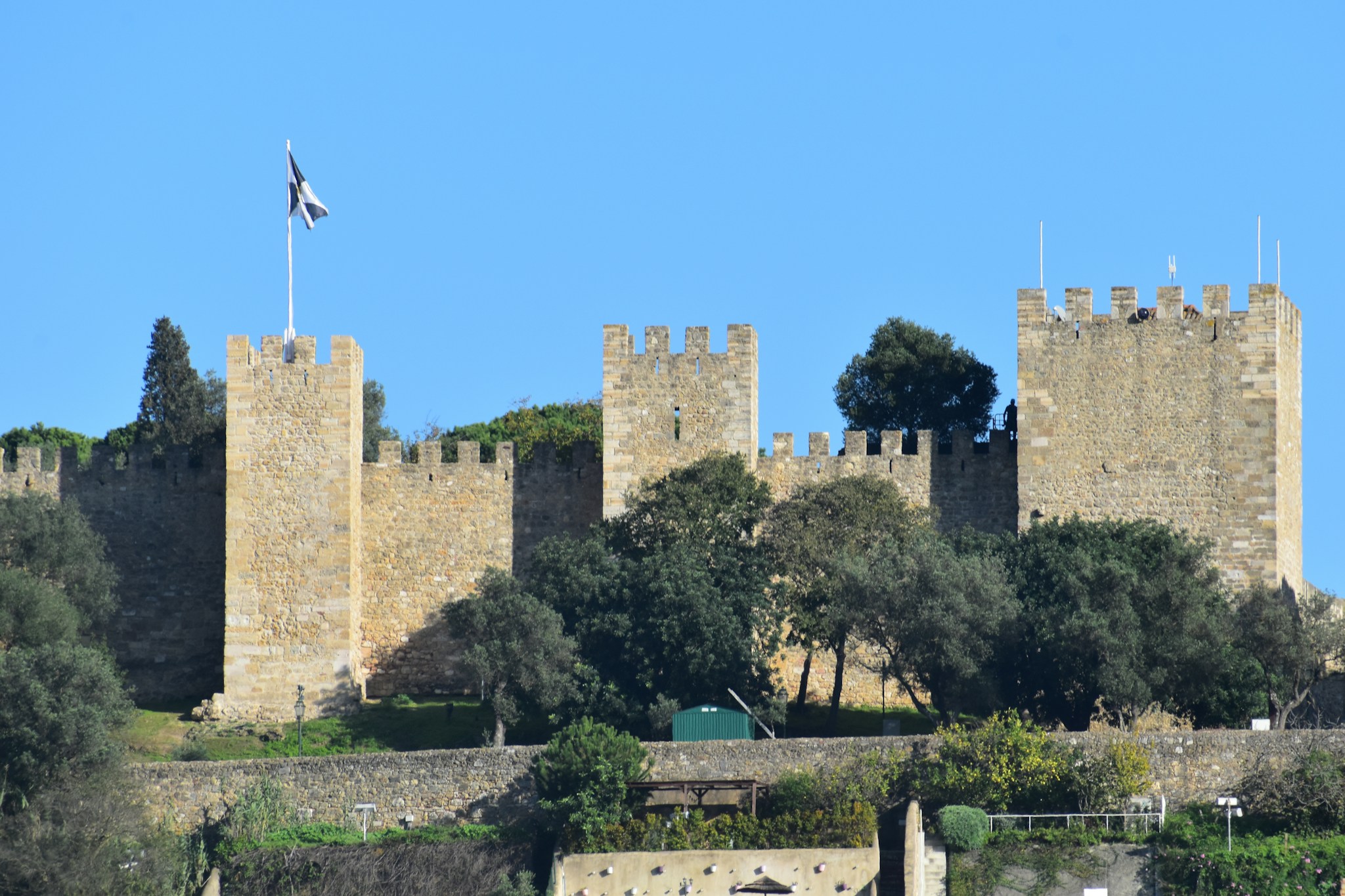
Castles in Portugal served primarily as fortified residences for nobility and military garrisons. They typically featured thick defensive walls, towers, and keeps designed to withstand sieges. The Castle of São Jorge in Lisbon is a prominent example, situated on a hill overlooking the city and providing strategic defense against invasions.
Fortresses and citadels
Beyond castles, Portugal developed larger fortresses and citadels, especially during the Renaissance when artillery became a dominant factor in warfare. These fortifications incorporated bastions and angled walls to deflect cannon fire. The coastal fortress of Fortaleza de Sagres played a key role in protecting the southwestern coast and supporting maritime exploration.
Defensive walls and town fortifications
Many Portuguese towns were surrounded by defensive walls that complemented castles and fortresses. These walls often enclosed the entire settlement, with gates and towers for controlled access. Óbidos and Évora retain impressive sections of their medieval walls, illustrating the importance of urban defense in the kingdom’s security strategy.
Architectural styles and influences
Portuguese castle architecture reflects a confluence of styles shaped by different cultural influences. Early medieval castles were heavily influenced by Romanesque design, characterized by robust, simple forms and rounded arches. As the Reconquista progressed, Islamic architectural elements were incorporated, especially in ornamental details and defensive techniques.
During the 14th and 15th centuries, Gothic elements became more prevalent, with pointed arches and more elaborate stonework appearing in castle chapels and halls. The transition into the Renaissance ushered in the use of star-shaped bastions and angular fortifications to counter artillery advances, visible in coastal fortresses and military outposts.
The Castle of Tomar is a notable example exhibiting the blend of Templar military architecture and Gothic influences. Its intricate design includes both a strong defensive perimeter and elegant religious structures, symbolizing the dual role of castles as fortresses and monastic centers.
Regional variations in castle architecture
Portugal’s diverse geography led to regional differences in castle design and construction materials. In the northern regions, castles often utilized granite and had more robust, mountainous fortifications suited to the rugged terrain. The Castle of Guimarães exemplifies this approach with its imposing stone walls and elevated position.
In central Portugal, castles like the Castle of Óbidos display more extensive use of limestone and feature elaborate town walls, reflecting their role in protecting important trade routes and administrative centers. The central region also saw the integration of Renaissance bastions in later fortifications.
The southern coastal areas incorporated fortifications adapted to maritime threats, with fortresses such as the Fortaleza de Sagres designed to withstand naval attacks and provide support for Portugal’s expanding sea empire during the Age of Discovery.
Notable periods of castle construction
The initial phase of castle construction in Portugal corresponds with the 12th and 13th centuries, driven by the Reconquista and the need to secure newly acquired territories. This period produced many foundational castles which were later expanded or modified.
The 14th century marked a period of castle modernization, with enhancements to walls and towers reflecting advances in siege technology. Castles became more than military structures; they served administrative and residential functions for the nobility, with improved living quarters and chapels.
In the 15th and 16th centuries, the introduction of gunpowder and artillery led to significant changes in fortification design. The construction of bastioned fortresses and star forts, such as those seen in coastal defenses, represented a new era of military architecture focused on adapting to emerging technologies.
Preservation and current state of portuguese castles
Many Portuguese castles have survived in varying states of preservation, with some restored to highlight their historical and architectural significance. National and local authorities, alongside heritage organizations, have undertaken conservation projects to protect these monuments from decay.
The Castle of São Jorge in Lisbon, for example, has been extensively restored and serves as a major cultural and tourist site. Similarly, the well-preserved walls of Óbidos provide visitors with an immersive medieval experience, complete with festivals and cultural events celebrating the town’s heritage.
Despite these successes, some castles remain in partial ruin due to centuries of neglect, environmental factors, or urban development pressures. Continued efforts are necessary to maintain and protect Portugal’s castle heritage for future generations.
Castle tourism and accessibility in portugal
Portugal’s castles are key attractions for both domestic and international tourists interested in history and architecture. Many castles are open to the public, featuring guided tours, museums, and interactive exhibits that educate visitors about medieval life and military history.
Popular destinations such as the Castle of Tomar offer accessibility improvements, including signage and visitor facilities, to enhance the experience. The integration of castles into cultural festivals, medieval fairs, and educational programs further promotes their relevance and appeal.
Efforts to improve infrastructure and transportation links continue to facilitate access to more remote fortifications, expanding tourism opportunities beyond the main urban centers and encouraging sustainable heritage tourism across the country.
Cultural significance and heritage of castles in portugal
Portuguese castles are more than military relics; they are powerful symbols of national identity, resilience, and historical continuity. They embody the story of Portugal’s emergence as an independent kingdom and its role in European and global history.
The castles also serve as cultural hubs where traditional crafts, folklore, and historical reenactments preserve and celebrate Portuguese heritage. Their presence in literature, art, and popular culture underscores their enduring significance in the collective memory of the Portuguese people.
As part of Portugal’s broader heritage, castles contribute to the understanding of medieval society, defense strategies, and architectural innovation. Their preservation and promotion remain central to safeguarding Portuguese history for future generations.
Castle Locations in Portugal
Explore all castle locations on an interactive map
Loading castle locations...