
Italy
Castle heritage and historical fortifications in Italy
Italy boasts a rich and diverse heritage of castles and historical fortifications, reflecting its complex history of city-states, kingdoms, and foreign dominations. These structures serve as enduring symbols of Italy’s medieval and Renaissance past, showcasing the evolution of military architecture and the strategic importance of the peninsula over centuries.
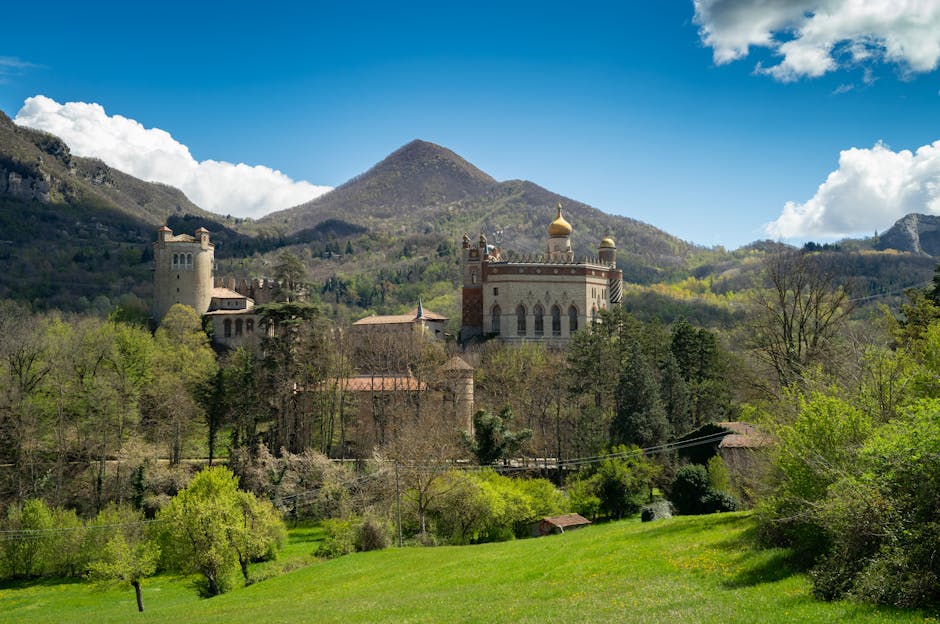
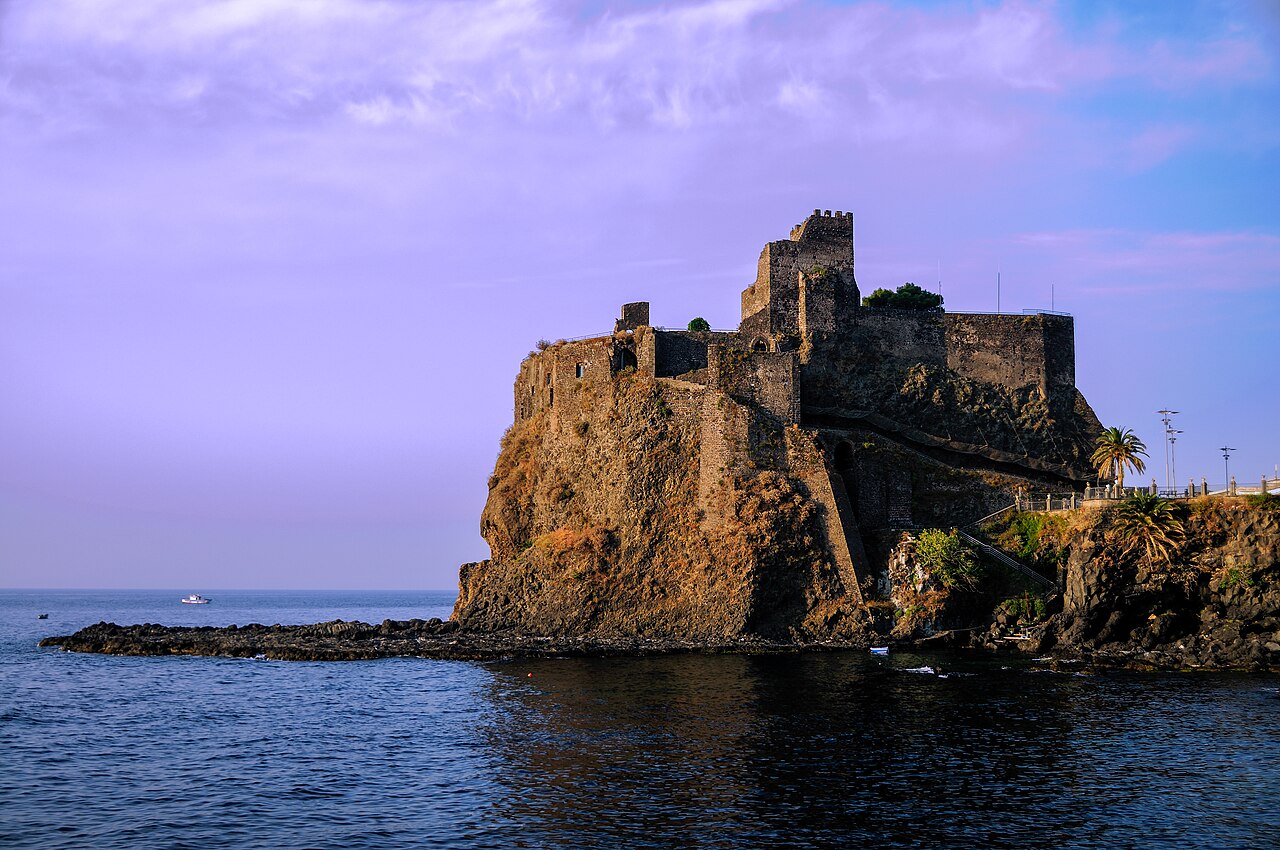
The abundance of castles across Italy ranges from imposing hilltop fortresses to elegant palatial residences, each narrating stories of defense, power, and art. The Italian landscape, marked by its strategic coastal lines and rugged interior, shaped the development of these fortifications, making Italy a key repository of European castle heritage.
Continue reading below — scroll for the full article.
Castles in Italy
Discover 1129 magnificent castles across the country





Historical background and the medieval period
The origins of Italian castles are deeply rooted in the turbulent medieval era, a time when the Italian peninsula was divided into numerous competing states, duchies, and republics. From the early Middle Ages, feudal lords and city-states constructed castles to assert control over territories and protect against invasions.
During the 11th to 15th centuries, the rise of powerful families such as the Medici in Florence and the Sforza in Milan led to extensive fortification efforts. Castles were not merely military installations but also centers of administration and symbols of prestige. The medieval period witnessed the proliferation of fortified castles that combined defensive capabilities with residential functions.
Types of fortifications in Italy
Castles
Italian castles generally fall into two main categories: hilltop castles and urban castles. Hilltop castles, often built on elevated terrain, provided strategic advantages for surveillance and defense. Examples include the imposing Rocca Maggiore in Assisi, which commanded the surrounding valley.
Urban castles, on the other hand, were integrated within or near city walls, serving as military strongholds and noble residences. The Castello Sforzesco in Milan exemplifies this type, combining fortress elements with Renaissance architectural refinement.
Fortresses and citadels
Beyond castles, Italy features numerous fortresses and citadels designed to defend key cities and coastal areas. These structures often included bastions, moats, and thick walls adapted to withstand artillery attacks during the Renaissance and early modern periods.
The Fortezza da Basso in Florence demonstrates the transition from medieval fortification to Renaissance bastioned design, reflecting advancements in military engineering.
Defensive walls and city ramparts
Many Italian cities are surrounded by well-preserved defensive walls, sometimes stretching several kilometers. These walls were essential for protecting urban populations and controlling trade routes. Lucca’s city walls are among the best-preserved in Europe, featuring walkable ramparts that blend military utility with recreational use today.
Architectural styles and influences
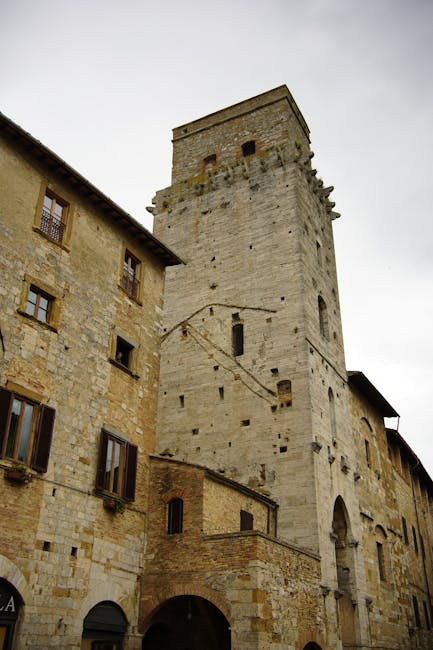
Italian castle architecture is distinguished by its blend of Romanesque, Gothic, and Renaissance elements. Early castles often featured Romanesque characteristics such as thick stone walls, small windows, and semicircular arches, prioritizing functionality over decoration.
As military technology evolved, the Gothic style introduced taller towers, pointed arches, and more elaborate ornamentation, visible in castles like the Scaliger Castle in Verona. The Renaissance brought a focus on symmetry, proportion, and the integration of art with fortification, seen in structures like the Castello Estense in Ferrara.
Italy’s position as a crossroads of Mediterranean cultures also introduced influences from Byzantine, Norman, and Arab fortification techniques, particularly in the southern regions and Sicily.
Regional variations in castle heritage
Northern italy
The northern regions of Italy, including Lombardy and Veneto, are home to many large and sophisticated castles. These areas benefited from the wealth of prosperous city-states and the influence of the Holy Roman Empire. The Castello Sforzesco in Milan and the Scaliger Castle in Verona typify northern fortifications with their blend of military strength and refined architectural details.
Central italy
Central Italy features numerous castles linked to the Papal States and independent communes. The castles in Tuscany and Umbria often served dual roles as defensive structures and noble residences, reflecting the region’s cultural richness. The Rocca Albornoziana in Spoleto exemplifies the military architecture commissioned by the Papacy to assert control over the region.
Southern italy and the islands
Southern Italy and the islands of Sicily and Sardinia display fortifications influenced by a mix of Norman, Swabian, and Aragonese styles. Castles such as the Castel del Monte in Apulia reveal a unique fusion of geometric design and military purpose, while the Norman castles of Sicily showcase robust, fortress-like qualities adapted to Mediterranean conditions.
Notable periods of castle construction
The 12th and 13th centuries marked a significant period of castle-building in Italy, driven by feudal conflicts and the rise of city-states. This era favored the construction of simple but formidable stone keeps and curtain walls designed for defense against siege warfare.
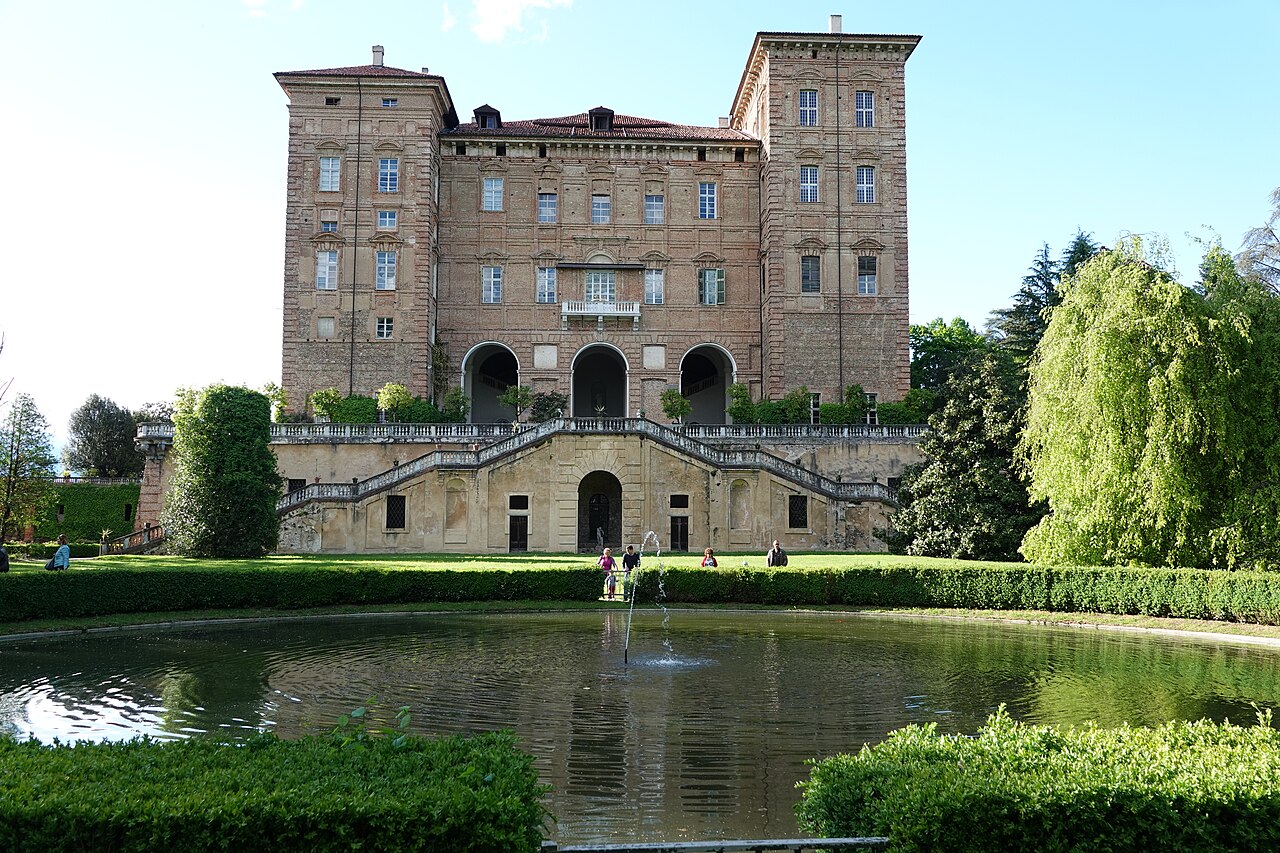
The 14th and 15th centuries saw the introduction of more complex fortifications that incorporated advances in siege technology, including angled bastions and artillery platforms. The Renaissance period further transformed castles into palatial residences with extensive gardens and artistic embellishments, as illustrated by the Castello Estense.
Preservation and current state of italian castles
Many Italian castles have survived the centuries in remarkable condition, thanks to continuous restoration efforts and adaptive reuse. Some remain private residences or government buildings, while others serve as museums and cultural venues.
Preservation challenges include environmental degradation and the pressures of urban development. Nonetheless, Italy’s commitment to heritage conservation ensures that these structures remain accessible and protected as vital links to the past.
Castle tourism and accessibility in Italy
Castles are popular tourist attractions throughout Italy, drawing visitors interested in history, architecture, and panoramic landscapes. Well-known sites like the Castello Sforzesco, Rocca Maggiore, and Castel del Monte offer guided tours, exhibitions, and educational programs.
Many castles are situated in picturesque locations, enhancing their appeal for cultural tourism. Italy’s extensive network of regional parks and historic towns provides easy access to numerous fortifications, supported by infrastructure that encourages sustainable tourism.
Cultural significance and heritage of italian castles
Italian castles embody more than military history; they represent the cultural and artistic achievements of their eras. These fortifications have inspired literature, art, and folklore, becoming integral to regional identities and national heritage.
The preservation and celebration of castles contribute to Italy’s broader understanding of its medieval and Renaissance past, fostering appreciation for architectural innovation and historical continuity. Through festivals, research, and heritage programs, castles remain living monuments within Italy’s cultural landscape.
Castle Locations in Italy
Explore all castle locations on an interactive map
Loading castle locations...