Rocchetta Mattei
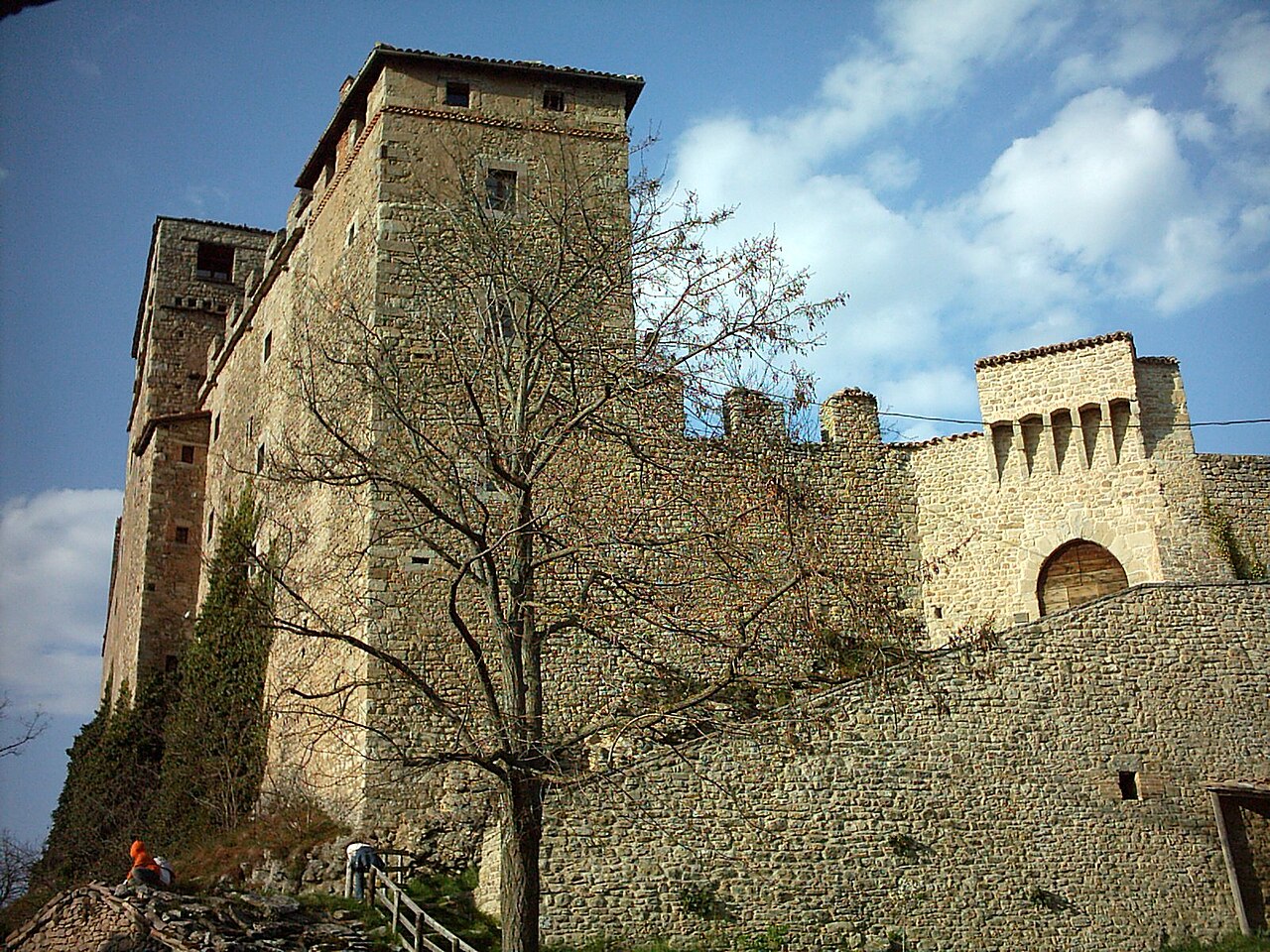
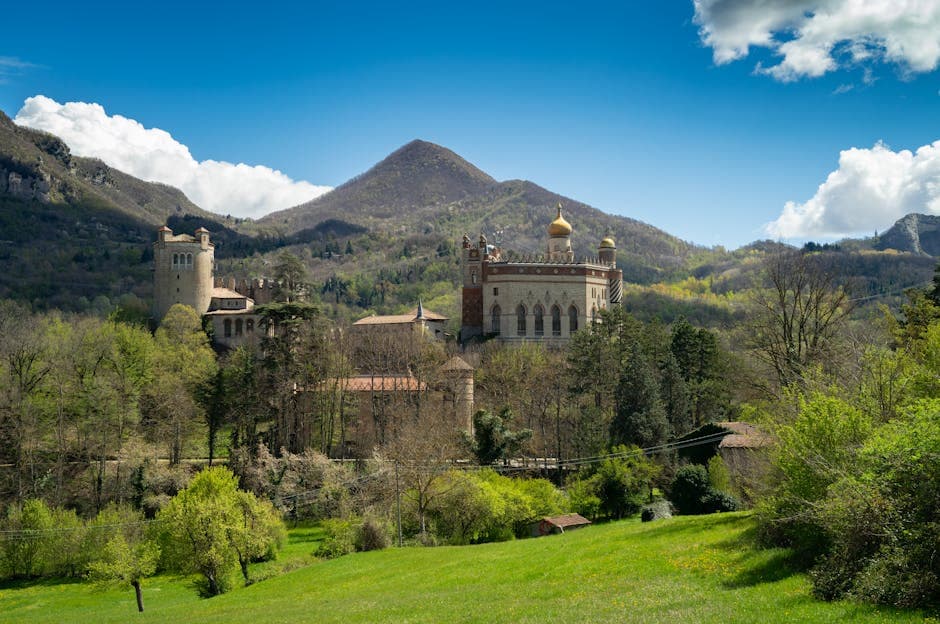
Rocchetta Mattei stands as a striking example of eclectic architecture nestled in the hills of Emilia-Romagna, Italy. This bastioned fortress is renowned for its unusual blend of medieval, Moorish, Gothic, and oriental architectural elements, reflecting the eccentric vision of its creator, Count Cesare Mattei. Built on the ruins of a medieval fortress, the castle embodies a labyrinthine structure filled with winding staircases, mosaics, loggias, and richly decorated rooms that defy conventional design norms.
The site of Rocchetta Mattei has a long history dating back to the Middle Ages, originally serving as a strategic military fortress controlling the Reno River crossing. The earliest fortress here was associated with emperors such as Frederick I Barbarossa and Otto IV, and later with the powerful feudal ruler Matilda of Tuscany. Guarded by vassals like Lanfranco da Savignano, the medieval stronghold lost its military importance by the late 13th century and was destroyed in 1293 after falling to Bolognese forces.
Count Cesare Mattei and the 19th-century reconstruction
In the mid-19th century, Count Cesare Mattei, a self-taught physician and inventor of the alternative medical practice known as electrohomeopathy, chose this historic site to build his residence and center for his medical experiments. Beginning construction in 1850, Mattei transformed the ruins into a fantastical castle that was completed enough for habitation by 1859.
Mattei’s vision was to create a home that reflected a romanticized medieval lifestyle infused with his own mystical and medical beliefs. The castle’s design is a patchwork of architectural styles, including medieval battlements, Middle Eastern motifs, Gothic arches, and oriental loggias. The interior rooms were crafted with whimsical details such as painted "stained glass," intricate mosaics, and allegorical frescoes celebrating the triumph of electrohomeopathy.
Architectural features and interior design
The castle’s layout is famously labyrinthine, with interconnected rooms that often seem arbitrarily placed. Notable spaces include the "Nineties Room," designed for a banquet celebrating Mattei’s 90th birthday, and the "Staircase of Visions," which features a vaulted ceiling adorned with allegorical paintings and Latin inscriptions by Mattei’s friend, the abbot Giordan.
The Loggia Carolina exemplifies the castle’s oriental influences, while the Courtyard of the Lions is a faithful reproduction of the famous Alhambra courtyard in Granada, showcasing Mattei’s admiration for Moorish architecture. The castle also houses a private chapel inspired by the Cathedral of Córdoba, complete with a music room and richly decorated halls.
Historical significance and notable visitors
During Mattei’s lifetime, Rocchetta Mattei became known as a center for his electrohomeopathic treatments, attracting visitors from across Europe, including Ludwig III of Bavaria and Tsar Alexander II of Russia. The castle functioned as both a residence and a court, complete with a buffoon, echoing medieval traditions.
After Mattei’s death, his adopted son, Mario Venturoli Mattei, took over the estate and interred Mattei’s ashes within the castle grounds. The castle continued to host distinguished guests, such as the Prince of Piedmont in 1925.
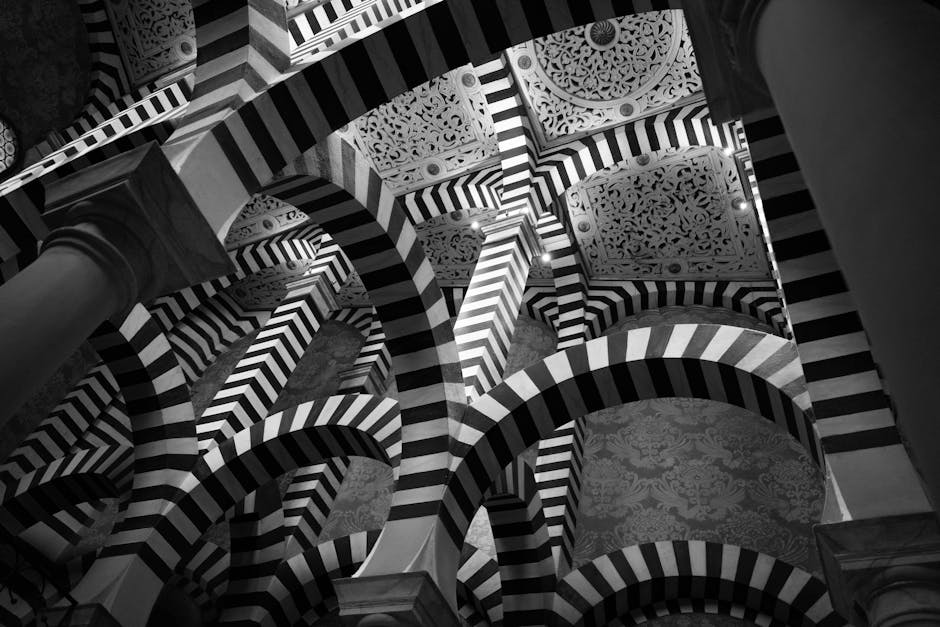
Photo by Catalin Buescu
20th-century challenges and restoration efforts
Rocchetta Mattei suffered significant interior damage during World War II, when German troops occupied the site. Postwar attempts to transfer ownership to the Municipality of Bologna failed, leading to a period of neglect. In 1959, Primo Stefanelli acquired the castle and initiated restoration, converting parts of it into a hotel and restaurant to preserve its unique character.
Following Stefanelli’s death in 1989, the castle again fell into disrepair until a preservation group formed in 1997. The establishment of the Archivio Museo Cesare Mattei in 2000 in nearby Riola di Vergato helped raise awareness of the castle’s cultural importance. In 2006, the Fondazione della Cassa di Risparmio in Bologna purchased and restored the Rocchetta, reopening it to the public in 2015.
Architectural highlights and visitor experience
Perched at 407 meters above sea level, Rocchetta Mattei commands panoramic views along the Strada Statale 64 Porrettana. The main entrance features a large staircase leading to a vestibule adorned with a statue of a hippogriff, a mythical creature symbolizing the castle’s fantastical nature.
The courtyard carved directly into the rock includes two caryatids shaped like gnomes supporting a door jamb, and a monolithic basin that once served as a baptismal font. Visitors can explore the Loggia Carolina, the White Room, the Turkish Room, and the English Room atop the main tower, each showcasing diverse stylistic influences.
The Courtyard of the Lions stands out as the architectural centerpiece, alongside the private chapel and the Hall of Peace, commemorating the end of World War I. The Room of the Ninety offers a unique glimpse into Mattei’s personal celebrations and eccentric tastes.
Today, visitors to Rocchetta Mattei can experience a fascinating blend of history, architecture, and the legacy of a man whose vision transcended conventional boundaries. The castle remains a testament to the creative spirit of the 19th century and the enduring allure of medieval romanticism.
Frequently asked questions (FAQ)
- How do I get to Rocchetta Mattei?
- Rocchetta Mattei is located in Grizzana Morandi, Italy, and can be accessed by car or public transportation. The nearest major city is Bologna, which is about 40 kilometers away. It is recommended to use a GPS for the best route or check local transport schedules for bus services.
- What is the historical significance of Rocchetta Mattei?
- Rocchetta Mattei was built in the 19th century by Count Mattei and is known for its eclectic architectural style, combining elements from different eras and cultures. The castle served not only as a residence but also as a place for Mattei's experiments with alternative medicine. Today, it stands as a testament to the innovative spirit of its creator and the rich history of the region.
- When was Rocchetta Mattei constructed?
- Construction of Rocchetta Mattei began in 1850 and continued over several decades. The castle was completed in the late 1800s, showcasing a unique blend of styles inspired by Gothic and Moorish architecture. Its design reflects the artistic and cultural trends of the time.
- Can I visit Rocchetta Mattei?
- Yes, Rocchetta Mattei is open to visitors, but access is typically by guided tour only. It’s advisable to book your tickets in advance, especially during peak tourist seasons, to ensure your spot. The tours provide insights into the castle's history, architecture, and the life of Count Mattei.
- Why is Rocchetta Mattei considered an architectural marvel?
- Rocchetta Mattei is celebrated for its unique architectural style, which combines various influences, including Gothic, Moorish, and Renaissance elements. The intricate details and diverse materials used in its construction make it stand out among other historical sites. Visitors are often captivated by the beautiful towers, colorful mosaics, and the stunning panoramic views from the castle.
- Is it possible to take photographs inside the castle?
- Yes, photography is generally allowed inside Rocchetta Mattei, but visitors are advised to be respectful of the space and other guests. Certain areas may have restrictions, especially during guided tours, so it's best to follow the guide's instructions. Capturing the unique architecture and scenic views is a great way to remember your visit.
- What are the opening hours for Rocchetta Mattei?
- Rocchetta Mattei's opening hours can vary depending on the season, so it is best to check their official website or contact them before your visit. Typically, the castle is open from late spring to early autumn, with specific days and hours for guided tours. Plan your visit accordingly to make the most of your experience.
- What are the ticket prices for Rocchetta Mattei?
- Ticket prices for Rocchetta Mattei may vary based on the season and the type of tour you choose. Generally, adult tickets range from €8 to €12, while discounts are often available for children, seniors, and groups. It’s advisable to purchase tickets online in advance to secure your visit and avoid any potential queues.
- What are some nearby attractions to visit after Rocchetta Mattei?
- After visiting Rocchetta Mattei, consider exploring the beautiful surrounding areas, such as the picturesque village of Grizzana Morandi or the scenic landscapes of the Tuscan-Emilian Apennines. Additionally, the city of Bologna, with its rich history and vibrant culture, is just a short drive away and offers numerous museums, restaurants, and historical sites. Making a day of it in this region will provide a memorable experience.
Photo gallery

Photo by Catalin Buescu


Information
Website
Visit websiteSources & official resources
Verify the information above using these authoritative references.
Loading map...
Visitor reviews
No reviews yet. Been here? Write the first review and help other travelers!
Write the first reviewVisited this castle? Share your experience
Your review helps other travelers and adds first-hand knowledge to our encyclopedia.