
Croatia
Castle heritage in croatia: an introduction
Croatia’s rich history is vividly reflected in its extensive collection of castles and fortifications, which stand as testaments to centuries of strategic military importance and cultural exchange. Positioned at the crossroads of Central Europe and the Mediterranean, Croatia boasts a diverse heritage shaped by Roman, Byzantine, Venetian, Hungarian, and Ottoman influences. This complex past has left an indelible mark on the country’s architectural landscape.
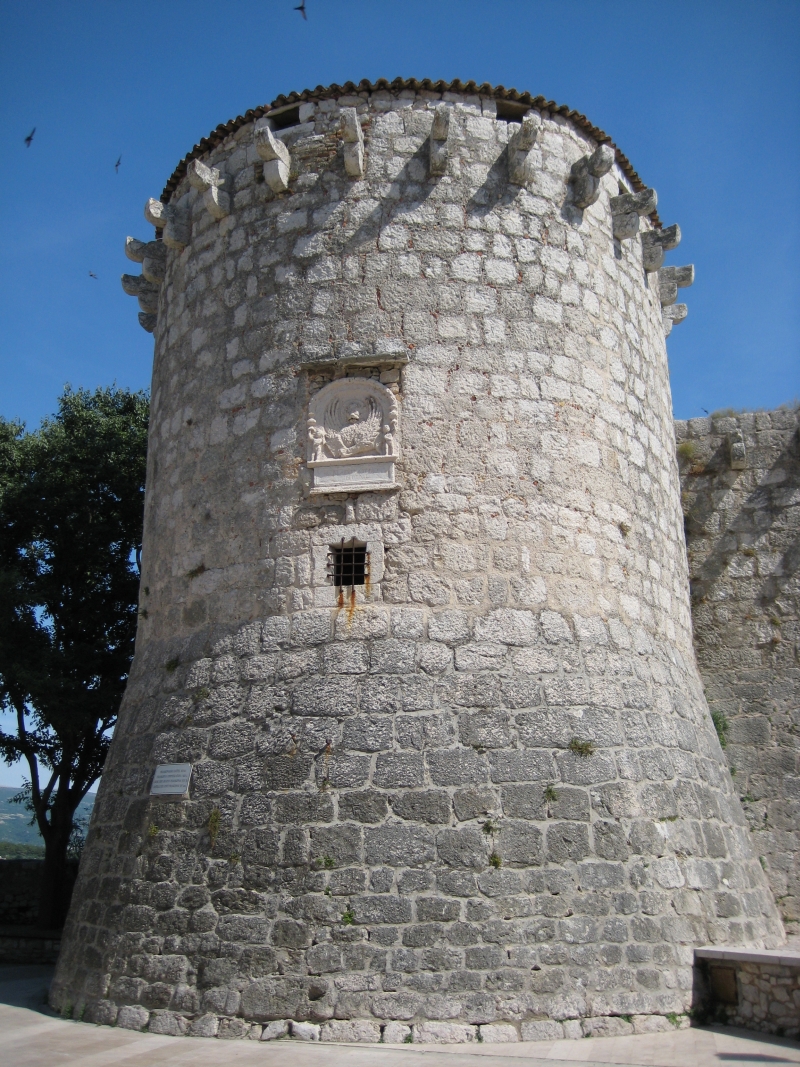
The Croatian castle heritage encompasses a wide range of structures, from imposing hilltop fortresses and medieval castles to city walls and coastal bastions. Many of these fortifications were constructed to defend against invasions and control vital trade routes. Today, Croatia’s castles not only attract historians and architects but also serve as cultural landmarks, illustrating the evolution of defensive architecture across different eras.
Continue reading below — scroll for the full article.
Castles in Croatia
Discover 22 magnificent castles across the country








Historical background and medieval period
The development of castle architecture in Croatia is closely linked to the region’s turbulent medieval history. During the early Middle Ages, the territory was part of various kingdoms and empires, including the Kingdom of Croatia and later the Hungarian Crown. This period saw the emergence of numerous fortified settlements, often built on elevated terrain to maximize defensive capabilities.
Many castles were constructed between the 13th and 15th centuries, a time marked by frequent conflicts with the Ottoman Empire and internal power struggles. For instance, the well-preserved Trakošćan Castle, originally built in the 13th century, exemplifies the transformation from a medieval fortress into a Renaissance residence. Similarly, Veliki Tabor Castle in northern Croatia embodies the defensive architecture typical of the late medieval period, designed to withstand sieges and raids.
Types of fortifications in croatia
Croatia’s defensive architecture includes a variety of fortification types, each adapted to specific geographic and military needs. These can broadly be divided into castles, fortresses, and city walls.
Castles
Castles in Croatia often served as noble residences and military strongholds. They were strategically placed to oversee important roadways or fertile valleys. While some castles, like Trakošćan, evolved into Renaissance palaces, others maintained their medieval defensive features with thick walls and towers.
Fortresses
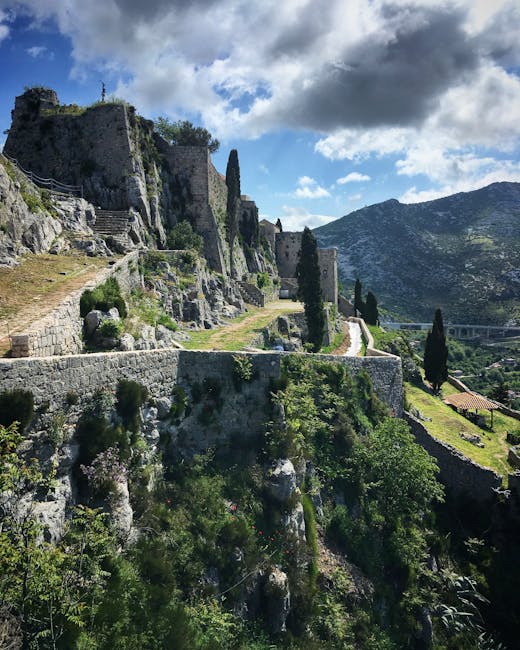
Coastal and inland fortresses were crucial for controlling maritime access and defending against Ottoman incursions. The Ključ Fortress near Zadar, for example, played a vital role in protecting the Dalmatian coast. Fortresses typically featured bastions, thick ramparts, and artillery placements, reflecting advancements in military technology during the Renaissance and early modern periods.
Defensive walls
Many Croatian towns, especially along the Adriatic coast, were surrounded by defensive walls to safeguard inhabitants and trade. Dubrovnik’s city walls are among the most famous, stretching nearly two kilometers and incorporating towers, bastions, and forts. These walls successfully protected the city from invaders for centuries and remain a symbol of Croatian heritage.
Architectural styles and influences
Croatian castle architecture is distinguished by a blend of styles that mirror the region’s complex history and cultural exchanges. Early medieval castles often exhibit Romanesque features, characterized by robust stone construction and simple, functional forms. As the Renaissance spread across Europe, Croatian castles incorporated more refined elements such as ornate windows, arcades, and decorative façades.
The Venetian Republic’s control over parts of Dalmatia introduced Renaissance and Baroque influences to coastal fortifications. For example, the walls of Šibenik and the fortifications of Dubrovnik display the advanced use of artillery bastions and elegant stonework typical of these styles. Additionally, Central European Gothic elements appear in inland castles like Veliki Tabor, with pointed arches and steep roofs.
Regional variations in castle heritage
Croatia’s diverse geography has led to regional differences in castle construction and style. The coastal regions, influenced heavily by Venetian and Mediterranean architecture, generally feature fortifications optimized to defend against naval attacks. These include the star-shaped bastions and thick, angled walls seen in Dalmatian fortresses such as those around Šibenik and Zadar.
In contrast, the inland regions, particularly in northern Croatia, display castles built primarily for protection against land-based threats. Hilltop castles like Veliki Tabor and Trakošćan are situated in hilly landscapes and often have more vertical defensive features, including tall towers and deep moats.
Eastern Croatia, near the Hungarian border, also shows fortifications influenced by Central European military architecture. These castles and forts often combine Gothic and Renaissance elements and were integral to the defense against Ottoman expansion.
Notable periods of castle construction
The most significant period of castle building in Croatia occurred between the 13th and 16th centuries. During this time, the rise of feudal nobility and the threat of Ottoman incursions prompted the construction and reinforcement of many fortifications. The late medieval period saw the transition from purely military structures to more comfortable residences, reflecting changes in warfare and society.
The Renaissance period brought innovations in fortification techniques, including the introduction of artillery bastions and angled walls designed to deflect cannon fire. Coastal cities under Venetian rule extensively modernized their defenses during the 15th and 16th centuries, a response to the increasing threat from the Ottoman Empire and piracy.
Preservation and current state of croatian castles
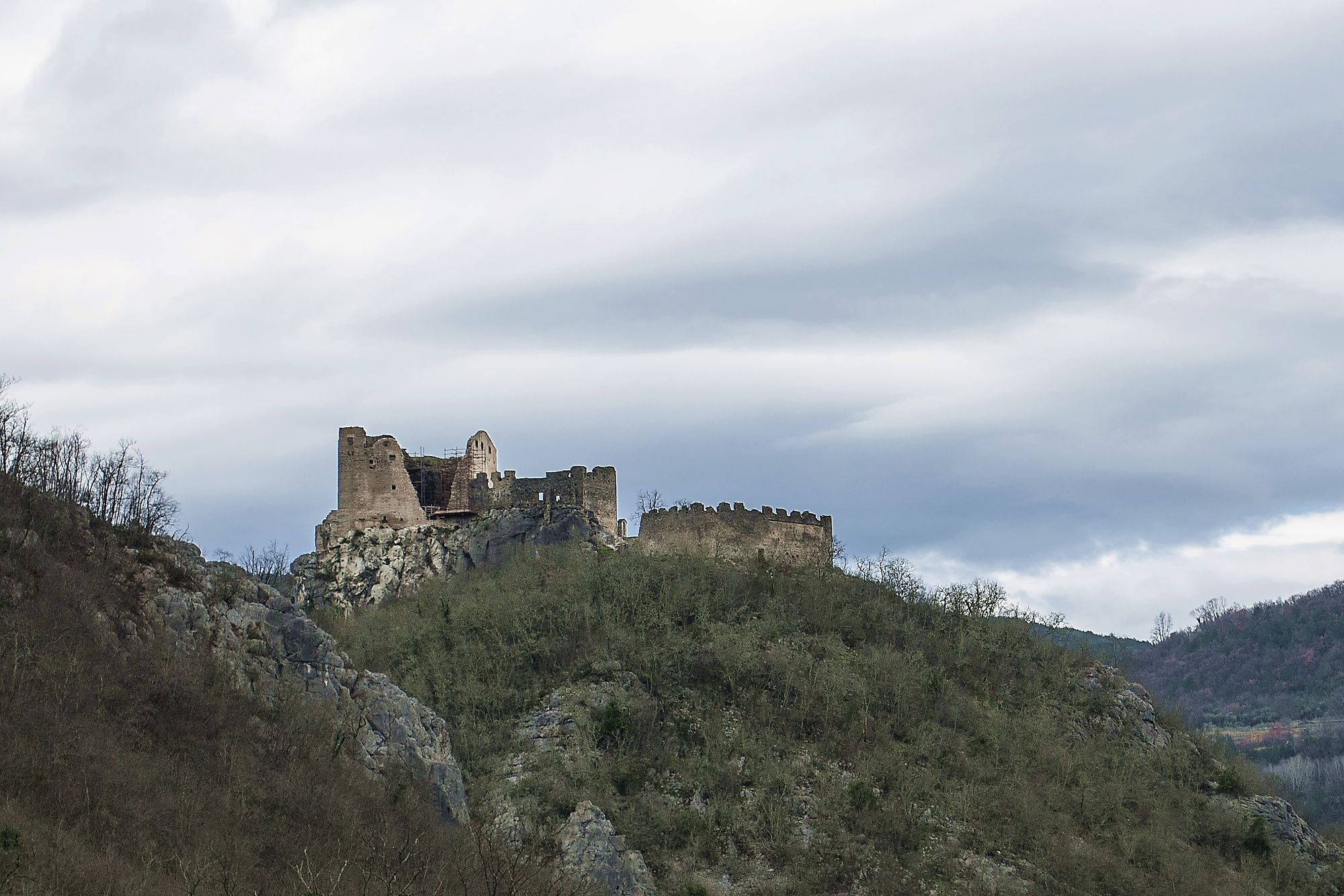
Many of Croatia’s castles and fortifications have survived in remarkable condition, owing to both their solid construction and ongoing preservation efforts. Some, like Trakošćan Castle, have been restored and now function as museums showcasing historical artifacts and period interiors. Others remain as ruins but continue to attract visitors due to their dramatic locations and historical significance.
Preservation efforts often involve collaboration between national heritage organizations and local authorities. The protection of sites such as Dubrovnik’s city walls, recognized as a UNESCO World Heritage Site, exemplifies successful conservation balancing tourism and cultural integrity. However, some lesser-known castles face challenges from neglect and environmental factors.
Castle tourism and accessibility
Croatia’s castles are a major draw for tourists interested in history, architecture, and scenic landscapes. Many castles are accessible to the public, offering guided tours, exhibitions, and cultural events. For example, Trakošćan Castle is open year-round and features well-maintained grounds and a museum collection.
Coastal fortifications, including Dubrovnik’s walls and Šibenik’s fortresses, are popular stops on Adriatic cruises and day trips. Inland castles like Veliki Tabor provide a quieter, immersive experience of Croatia’s medieval heritage. The promotion of castle tourism plays an important role in local economies and heritage education.
Cultural significance and heritage of croatian castles
Croatian castles are more than architectural monuments; they embody the nation’s historical identity and cultural memory. These fortifications symbolize resistance, power, and the blending of diverse cultural influences over centuries. They have inspired literature, art, and folklore, becoming integral to Croatia’s cultural narrative.
Many castles host cultural festivals, medieval reenactments, and educational programs that engage communities and visitors alike. Their preservation and celebration reinforce a sense of pride and continuity, connecting modern Croatia with its historical roots. In this way, castles and fortifications remain living heritage sites, vital to understanding the country’s past and present.
Castle Locations in Croatia
Explore all castle locations on an interactive map
Loading castle locations...