Ilok Castle
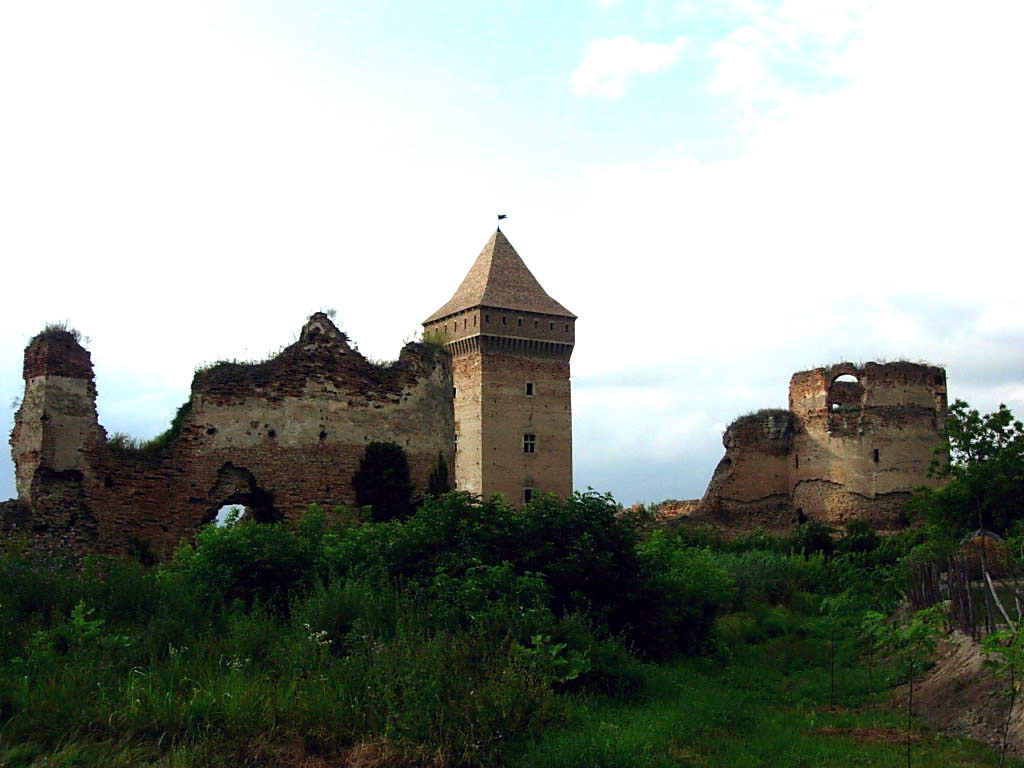
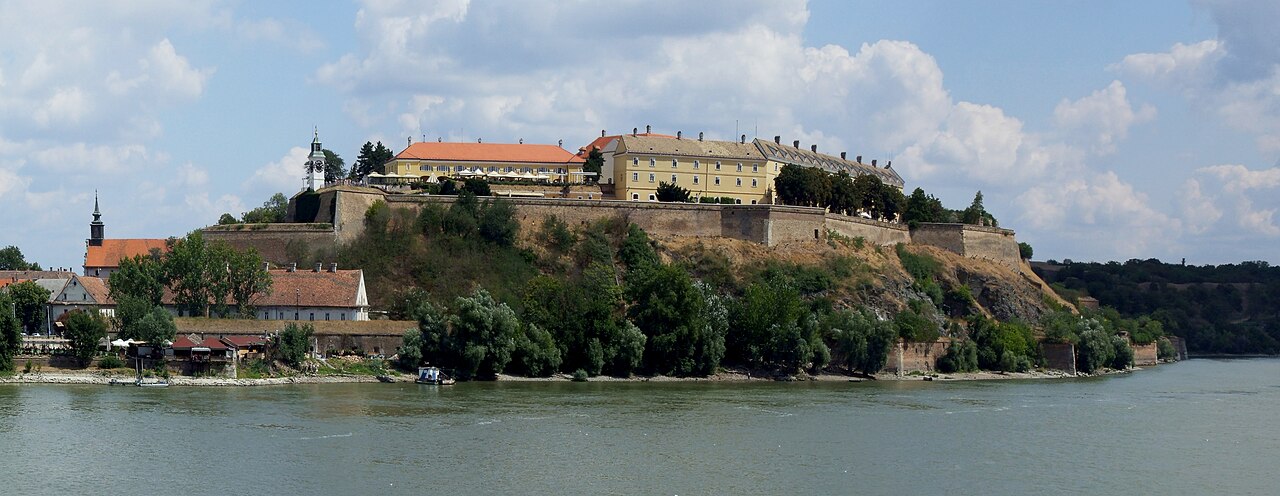
Ilok Castle is a prominent hilltop fortress overlooking the town of Ilok in eastern Croatia. Positioned strategically above the town center, it commands sweeping views of the Danube River and the expansive Pannonian Plain. The castle's origins date back to the early 14th century, with its first mention in historical records in 1364. Initially constructed by the noble Ugrin of the Csák family, it evolved into a significant stronghold under the influential Újlaki (Iločki) family, one of the most powerful noble houses in the Croatian-Hungarian territories.
Medieval origins and rise under nikola iločki
The castle reached its zenith in the 15th century during the rule of Nikola Iločki (1410–1477), a distinguished nobleman who held multiple titles including Ban of Croatia, Slavonia, and Mačva, Duke of Transylvania, and King of Bosnia. Nikola Iločki transformed Ilok Castle from a simple fortress into a complex royal residence that reflected his high status and political ambitions. The castle complex expanded to include not only defensive walls and towers but also a palace with four wings, a court chapel, a parish church, and a Franciscan monastery. This blend of military, administrative, and religious buildings marked the castle as a regional seat of power and culture, representing the golden age of Ilok.
Ottoman conquest and administration
The 16th century brought a dramatic shift with the expansion of the Ottoman Empire into Central Europe. Following the Ottoman victory at the Battle of Mohács in 1526, Ilok Castle was captured by forces led by Sultan Suleiman the Magnificent. Under Ottoman rule, the castle served as the administrative center of the Srem Sanjak, a district within the empire. It retained strategic and administrative importance until the late 17th century, when the Ottoman presence in the region waned.
Baroque transformation under the odescalchi family
After the Battle of Vienna in 1683 and the subsequent retreat of Ottoman forces, the castle was granted by Emperor Leopold I to Livio Odescalchi, nephew of Pope Innocent XI and a member of the influential Italian Odescalchi family. The Odescalchis owned Ilok Castle for approximately two centuries. During the 18th century, they undertook significant reconstruction of the fortress, remodeling it in the Baroque architectural style. This transformation included updating the residential quarters and enhancing the castle’s aesthetic appeal while maintaining its defensive functions.
Architectural features and fortifications
Ilok Castle is notable for its extensive and well-preserved fortifications, which stretch irregularly along a ridge for over 300 meters. The castle's defensive walls, originally about 1350 meters long, are constructed of local stone and include a series of round and rectangular towers spaced closely to provide overlapping fields of defensive fire. The main entrance features a fortified gateway complex with a barbican, two successive gates, and towers rising above them. Access was controlled by a drawbridge spanning a defensive ditch, with an additional smaller fortification guarding the approach.
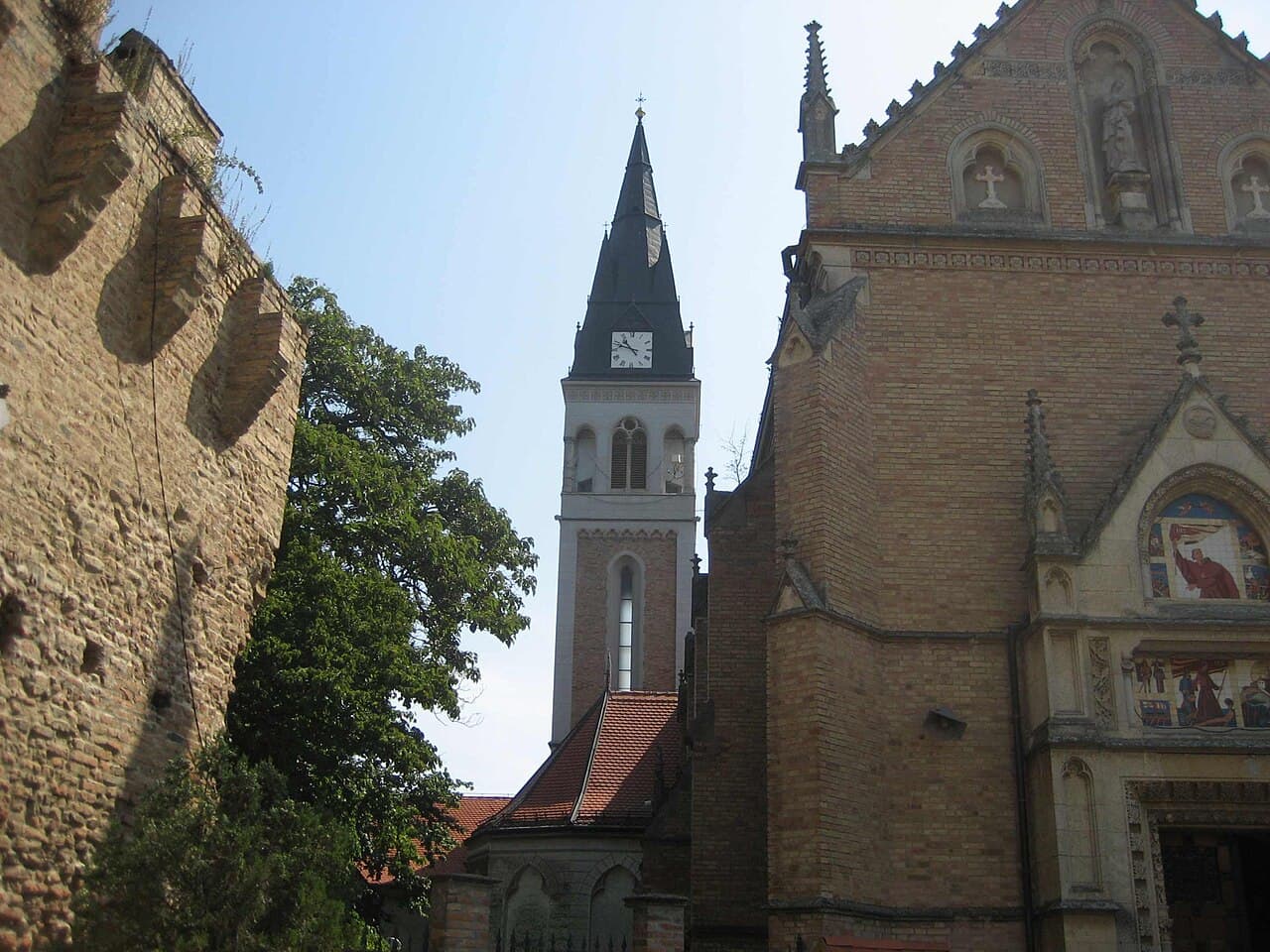
Inside the walls, the castle complex includes the two-story palace with four wings, built under Nikola Iločki, serving as the noble residence and administrative center. Religious structures such as the court chapel and the Franciscan monastery highlight the castle’s role as a religious hub. A prominent rondella bastion at the southwestern corner provided flanking fire along the walls, while the remains of a historic castle garden east of the rondella indicate leisure and aesthetic considerations within the fortress.
Modern history and preservation
In the 20th century, Ilok Castle was nationalized by the authorities of Yugoslavia in 1945. Following decades of neglect, restoration efforts were undertaken to preserve the castle's historical and architectural significance. In 2010, the castle reopened to the public, with the lower floors housing the Museum of the Town of Ilok. The castle’s wine cellars are famed throughout Croatia, reflecting the region’s rich viticultural tradition.
Today, Ilok Castle stands as the largest fortification ensemble in continental Croatia, forming the core of Ilok’s medieval historic center, which is protected as a cultural and historical complex of the highest category. The castle’s blend of medieval military architecture, Renaissance and Baroque modifications, and its layered history make it a significant monument in Croatian heritage and a compelling destination for visitors interested in history, architecture, and culture.
Frequently asked questions (FAQ)
- What is the historical significance of Ilok Castle?
- Ilok Castle, dating back to the 15th century, is a pivotal monument in Croatia that reflects the region's rich history and cultural heritage. It served as a fortress and residence for various noble families, playing a crucial role in the defense against invasions and territorial disputes.
- When was Ilok Castle built?
- Ilok Castle was initially constructed in the late 15th century, with significant renovations occurring in the 17th century. Its architecture showcases a blend of Gothic and Renaissance styles, making it a fascinating example of historical military architecture.
- Can I visit Ilok Castle year-round?
- Yes, Ilok Castle is open to visitors throughout the year, although some areas may have restricted access during winter months. It is advisable to check the official website for any seasonal changes in opening hours and special events.
- What are the opening hours for Ilok Castle?
- Ilok Castle typically opens at 10 AM and closes at 6 PM, but these hours may vary by season. During peak tourist months, longer hours may be implemented, so it’s recommended to confirm the schedule before planning your visit.
- Is it possible to tour the interior of Ilok Castle?
- Yes, guided tours of the castle's interior are available, allowing visitors to explore its historical rooms and learn about its significance. Tours often include insights into the castle's architecture and stories from its past, enhancing the visitor experience.
- What are the ticket prices for Ilok Castle?
- Ticket prices for Ilok Castle are generally affordable, with discounts available for students and seniors. Children under a certain age may enter for free, making it a great family-friendly destination.
- When is the best time to visit Ilok Castle?
- The best time to visit Ilok Castle is during the spring and early autumn months when the weather is pleasant, and the tourist crowds are smaller. This allows for a more enjoyable experience as you explore the castle and its grounds.
- Are there any nearby attractions to Ilok Castle?
- Yes, Ilok is home to several nearby attractions, including the beautiful vineyards and wine cellars that the region is famous for. Additionally, the historic town center offers charming streets and local cafes, perfect for a leisurely day of exploration.
- How do I get to Ilok Castle?
- Ilok Castle is easily accessible by car or public transport from major cities in Croatia, such as Osijek and Vinkovci. Additionally, clear signage in the town of Ilok will guide you to the castle, ensuring a straightforward journey for visitors.
Photo gallery

Photo by Modzzak•Public domain
Information
Website
Visit websiteSources & official resources
Verify the information above using these authoritative references.
Loading map...
Visitor reviews
No reviews yet. Been here? Write the first review and help other travelers!
Write the first reviewVisited this castle? Share your experience
Your review helps other travelers and adds first-hand knowledge to our encyclopedia.