Durdevac Castle
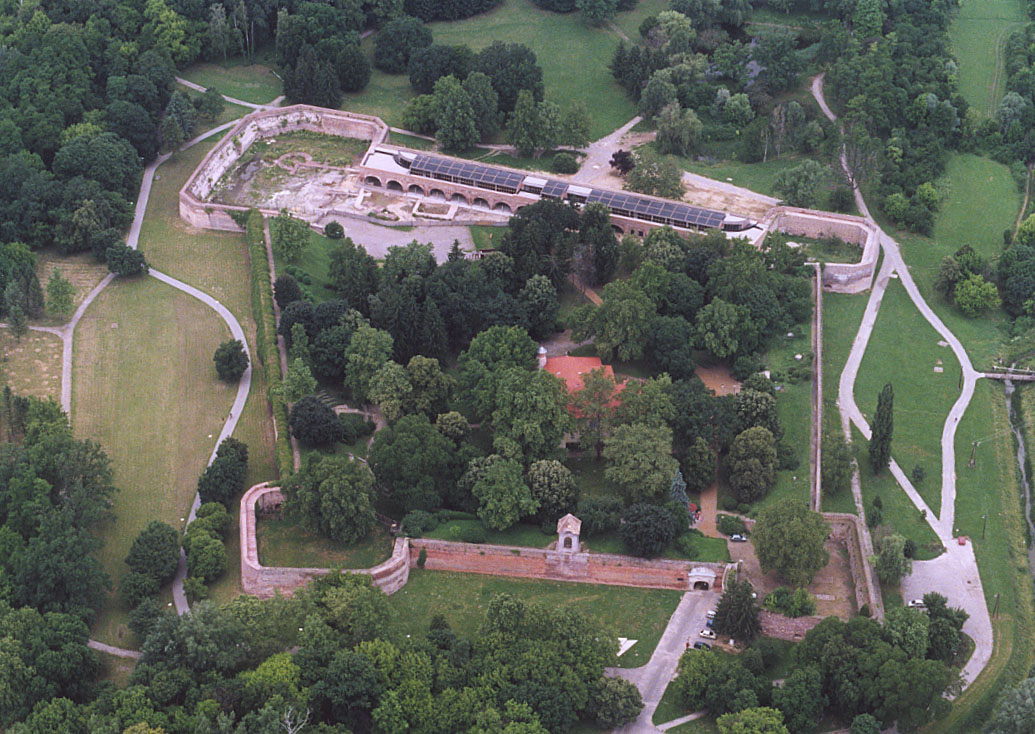
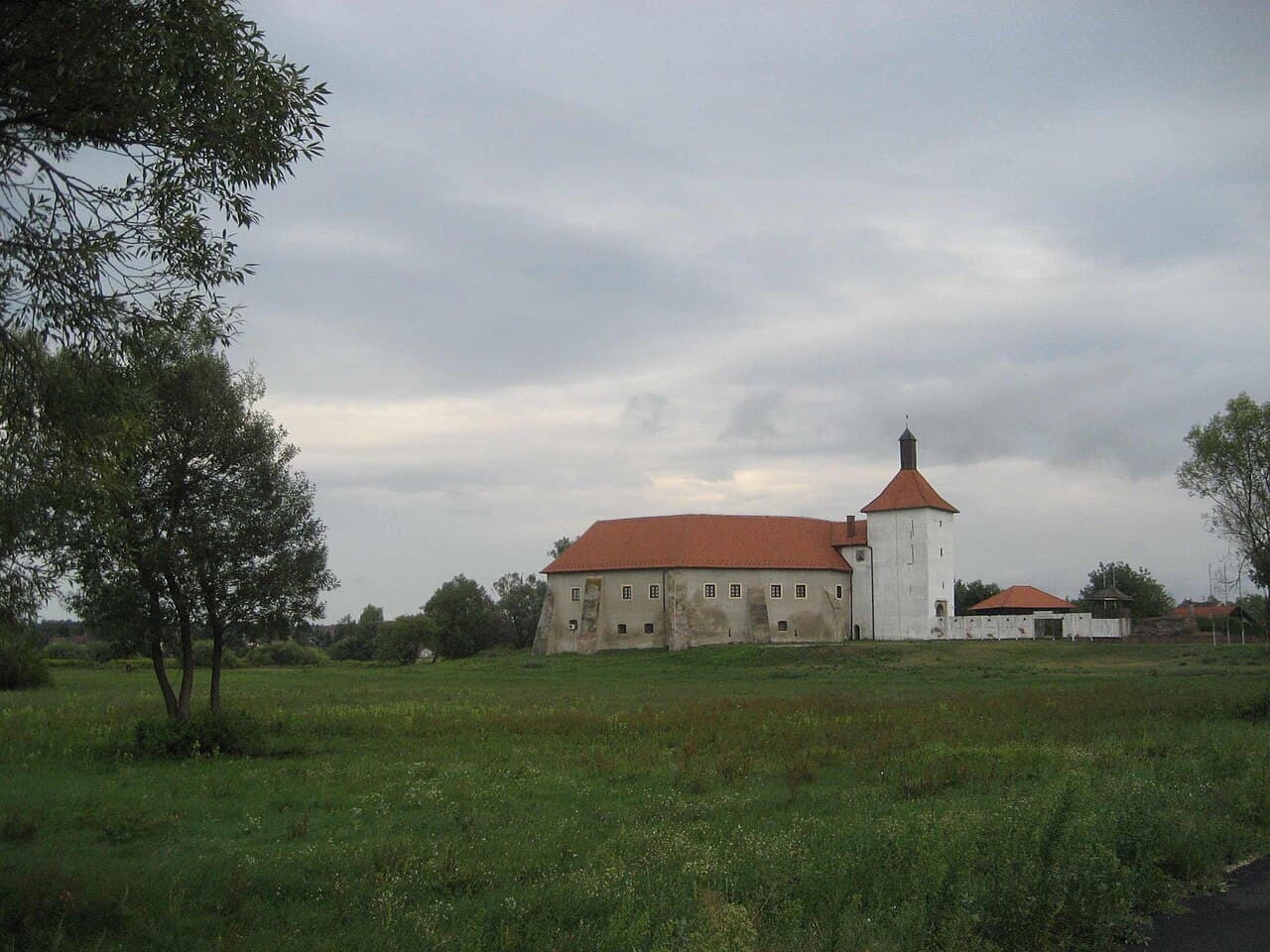
Durdevac Castle, also known as Old Town Đurđevac, stands as a significant late-medieval fortress in northern Croatia. Built around 1488 by the Bishop of Pécs, this hill castle was strategically positioned on high ground amidst marshlands to defend against the advancing Ottoman Empire and the turbulent conflicts of regional nobility. Its distinctive octagonal layout surrounding a central courtyard and the robust rectangular tower on the southwestern side exemplify the military architectural ingenuity of the period.
The castle’s origins date back to before 1378 when Mikcsfi István of the Hungarian Ákos noble family established the initial fortress amid a dynastic struggle supporting King Ladislaus of Naples. Following its capture by Sigismund of Luxembourg’s forces, the castle witnessed a complex history of ownership involving prominent figures such as Count Hermann of Cilli, Croatian Ban Tallóczi Matkó, John Hunyadi, and the influential Cilli family. Throughout the 15th and early 16th centuries, the fortress was a coveted stronghold, reflecting the volatile political landscape of Central Europe.
Architectural features and defensive design
The castle’s octagonal shape is a rare and notable feature in Croatian fortifications, designed to maximize defensive coverage and create overlapping fields of fire against attackers. The central courtyard served as a protected inner space, while the attached rectangular tower provided a vantage point and last line of defense. The main entrance, constructed around 1488, is marked by a square tower adorned with the renaissance coat of arms of Sigismund Ernuszt. This coat of arms is one of the finest examples of Renaissance art in northern Croatia, featuring intricate motifs such as two six-pointed stars, a bishop’s mitre, and detailed fruit and foliage designs.
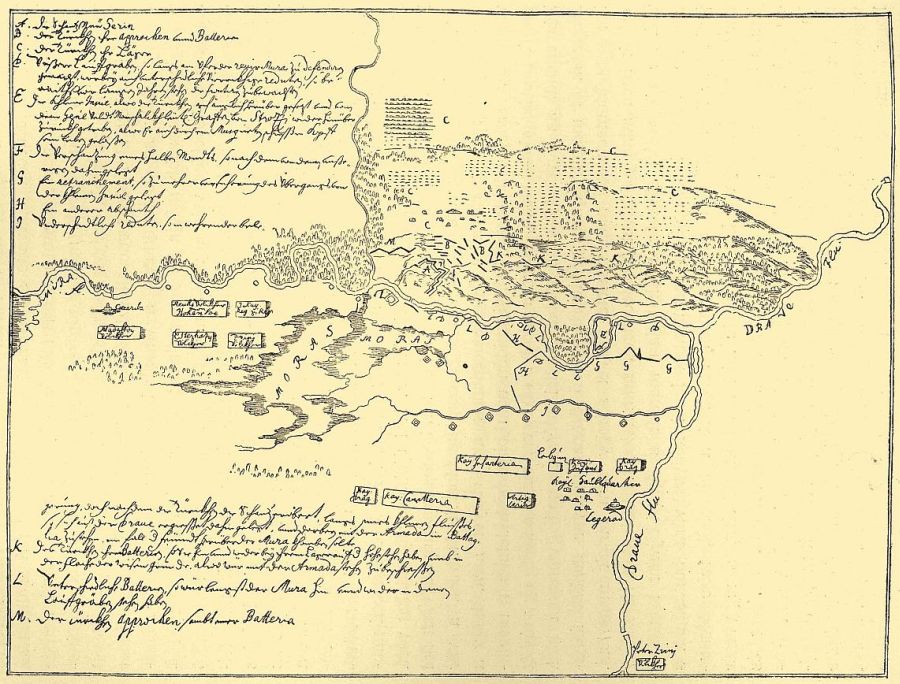
Originally, the fortress was surrounded by a water-filled moat that enhanced its defensive capabilities by deterring direct assaults. In the mid-16th century, as the Ottoman threat intensified, an outer fortress was added, featuring a triangular rampart and two towers guarding the entrance road. This outer fortification connected to a nearby island settlement on the Drava River, reinforcing the castle’s role in the border defense system. However, the outer fortress was dismantled in the 19th century as military technology and strategies evolved.
Historical significance and military role
Durdevac Castle played a crucial role in the defense against Ottoman incursions during the 16th century. After its capture by Miklós Zrínyi in 1546, the fortress underwent extensive rebuilding under Captain Lukács Székely starting in 1549. These renovations strengthened the castle’s fortifications, enabling it to successfully repel multiple Turkish attacks, including the notable siege that inspired the local "Picoki" legend. According to this legend, defenders fired their last chickens at the besiegers to simulate abundance, earning the inhabitants the nickname "chicken keepers."
Following the establishment of the Military Frontier in 1746, the castle housed border infantry regiments, underscoring its continued military importance. The fortress remained active until the 19th century when the outer defenses were dismantled, and the military presence ceased after the dissolution of the Military Frontier in 1871.
Post-military uses and cultural preservation
After its military use ended, Durdevac Castle adapted to various civilian functions. Between 1892 and 1909, it served as a girls’ educational institute run by the Sisters of Mercy. Subsequently, it functioned as military barracks and later hosted workshops, meetings, and a primary school in 1928. Post-World War II, the fortress accommodated a cooperage and basketry cooperative, offices, social groups, and even a radio station.
Significant archaeological and restoration efforts in the late 20th century preserved the castle’s historical fabric, culminating in a comprehensive restoration by 1984. Today, the fortress is a cultural hub featuring galleries and a museum. The museum’s collection includes over 2,000 items donated by the renowned naïve artist Ivan Lacković Croata, showcasing paintings, sculptures, visual posters, and traditional Croatian costumes from the 20th century. The attic was converted into a gallery space in 1997, further enriching the cultural offerings.
Interpretation center and the picok legend
The castle hosts an Interpretation Center dedicated to the famous Picok legend, which celebrates the clever defense against the Ottoman siege. The center features archaeological artifacts, historical documents, and interactive multimedia exhibits that bring to life the fortress’s pivotal role in regional history. This festival, known as Picokijada, has been held annually since 1968, attracting visitors and honoring the castle’s enduring legacy.
Architectural conservation and visitor experience
Durdevac Castle’s preservation showcases a blend of late-medieval military architecture with renaissance artistic elements. The octagonal fortress, moat remains, and the richly decorated entrance tower offer visitors a comprehensive glimpse into the castle’s defensive and cultural history. The site’s adaptation into a museum and cultural center ensures that its historical significance is accessible and engaging to the public. Visitors can explore the galleries, view the extensive art collection, and learn about the castle’s strategic role in Croatian and Central European history.
Overall, Durdevac Castle stands as a testament to the resilience and cultural heritage of the region, reflecting centuries of conflict, adaptation, and preservation. Its unique architectural features and rich historical narrative make it a compelling destination for those interested in medieval fortifications and Croatian history.
Frequently asked questions (FAQ)
- How do I get to Durdevac Castle?
- Durdevac Castle is located in Đurđevac, Croatia, and is easily accessible by car or public transport. If you are traveling by car, there are parking facilities nearby. For those using public transport, local bus services connect Đurđevac with major cities in Croatia.
- What is the historical significance of Durdevac Castle?
- Durdevac Castle, built in the 15th century, played a crucial role in the defense against Ottoman invasions. It served as a residence for noble families and has witnessed many historical events throughout its existence. Today, it stands as a symbol of the region's rich history and cultural heritage.
- When was Durdevac Castle constructed?
- Durdevac Castle was constructed in the mid-15th century, specifically around the year 1450. Its strategic location and robust architecture were designed to protect the area from invasions. Over the centuries, it has undergone several renovations, preserving its historical essence.
- Can I visit Durdevac Castle year-round?
- Yes, Durdevac Castle is open to visitors throughout the year, although the best time to visit is during the spring and summer months when the weather is pleasant. Guided tours are available, providing insights into the castle's history and architecture. However, it's advisable to check for any seasonal events or maintenance schedules before planning your visit.
- Why is the architecture of Durdevac Castle noteworthy?
- The architecture of Durdevac Castle is noteworthy for its unique blend of Gothic and Renaissance styles, showcasing the artistic influences of its time. The castle features impressive stone walls, defensive towers, and intricate details that reflect its historical significance. This combination makes it a fascinating site for architecture enthusiasts and history buffs alike.
- Is it possible to take guided tours of Durdevac Castle?
- Yes, guided tours of Durdevac Castle are available for visitors who wish to learn more about its history and architectural features. These tours are conducted by knowledgeable guides who provide engaging narratives about the castle's past. Reservations are recommended, especially during peak tourist seasons.
- What are the opening hours for Durdevac Castle?
- Durdevac Castle typically opens its doors to visitors from 9 AM to 6 PM, but these hours may vary depending on the season or specific events. It's best to check the official website or contact local tourism offices for the most up-to-date information on opening hours before your visit. This ensures you have ample time to explore the castle and its surroundings.
- What are the ticket prices for visiting Durdevac Castle?
- Ticket prices for visiting Durdevac Castle are generally affordable, with discounted rates available for students and seniors. Children under a certain age may enter for free, making it an excellent family-friendly destination. Always check the official website for the latest pricing and any available promotions.
- Are there any nearby attractions to visit while in Đurđevac?
- Yes, while visiting Durdevac Castle, you can explore other nearby attractions such as the Đurđevac Old Town and the picturesque Đurđevac ponds. The area is rich in natural beauty and cultural sites, perfect for a day of exploration. Don't miss out on local restaurants and shops that reflect the charm of the region.
Photo gallery

Photo by Modzzak•Public domain
Information
Website
Visit websiteSources & official resources
Verify the information above using these authoritative references.
Loading map...
Visitor reviews
No reviews yet. Been here? Write the first review and help other travelers!
Write the first reviewVisited this castle? Share your experience
Your review helps other travelers and adds first-hand knowledge to our encyclopedia.