Lost Gardens of Heligan
The Lost Gardens of Heligan are a renowned historic garden complex located near Mevagissey in Cornwall, England. Known in Cornish as Lowarth Helygen, meaning "willow tree garden," these gardens represent one of the most significant and popular horticultural sites in the United Kingdom. They are celebrated for their diverse garden styles, rich history, and remarkable restoration after decades of neglect.
Established primarily by the Tremayne family from the mid-18th century through to the early 20th century, the gardens were originally part of the extensive Heligan estate. The design of the gardens reflects the 19th-century Gardenesque style, characterized by distinct areas each with its own unique character and planting scheme. This style emphasizes the display of individual plants and the creation of picturesque scenes, which is evident throughout the gardens.
Historical development and decline
The creation of the gardens began in the 18th century, with significant expansion and development occurring during the Victorian era. The Tremayne family invested considerable effort into creating a diverse and productive landscape that included ornamental gardens, productive vegetable plots, and exotic plant collections. The gardens flourished until the outbreak of the First World War, when many gardeners and estate workers enlisted or were conscripted, leading to the gardens' gradual abandonment.
Following the war, the gardens fell into a state of neglect and were largely forgotten, becoming overgrown and hidden beneath dense vegetation. This period of decline lasted for much of the 20th century, during which time the gardens earned their name "Lost Gardens" due to their obscured and forgotten status.
Restoration and modern significance
The gardens were rediscovered and restored starting in the 1990s by a team of dedicated gardeners and historians. This restoration project was notable for its scale and the use of traditional gardening techniques, including the revival of historic features such as the ram pump system that still supplies water to the lakes. The restoration attracted widespread public interest through television documentaries and books, helping to reestablish the Lost Gardens of Heligan as a major visitor attraction.
Today, the gardens cover a variety of areas including:
- Ancient and colossal rhododendrons and camellias that provide spectacular floral displays.
- A series of lakes fed by the historic ram pump over 100 years old, showcasing Victorian engineering.
- Highly productive flower and vegetable gardens that continue the estate's tradition of horticultural excellence.
- An Italian garden featuring formal design elements and Mediterranean plants.
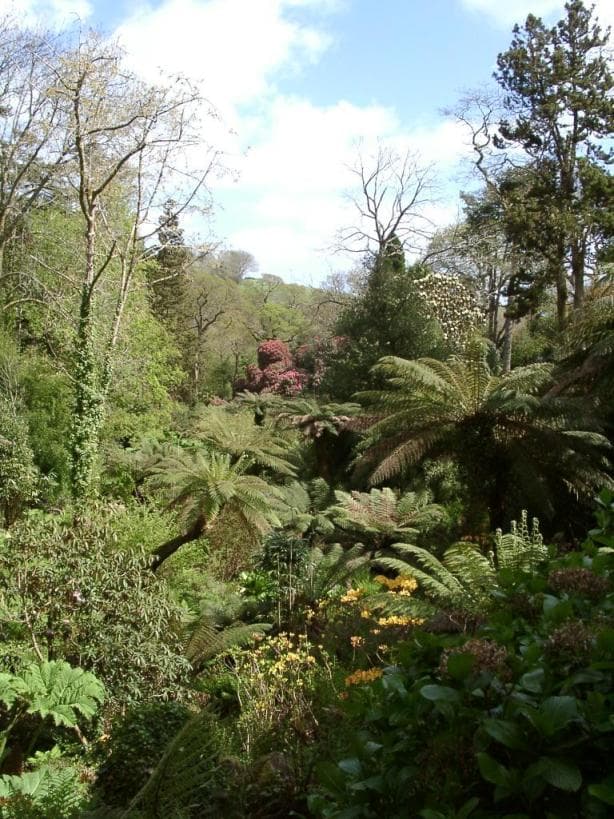
- The Jungle, a wild area filled with subtropical tree ferns creating a lush, exotic atmosphere.
- Europe's only remaining pineapple pit, a unique Victorian horticultural innovation warmed by rotting manure to cultivate pineapples.
- Two distinctive sculptures known as the Mud Maid and the Giant's Head, made from rocks and plants, adding artistic interest to the gardens.
Architectural and horticultural features
The Lost Gardens of Heligan are not a castle in the traditional sense but are classified as a hill castle due to their location on the gently sloping terrain of the Cornish countryside. The gardens include a variety of built features such as glasshouses, garden walls, terraces, and water features that contribute to the overall historic landscape.
The gardens' design incorporates Victorian-era horticultural innovations and garden artistry, reflecting the tastes and interests of the Tremayne family and their gardeners. The presence of the pineapple pit is particularly notable as a rare example of heated cultivation techniques used in the 19th century.
Heritage status and visitor experience
The Lost Gardens of Heligan are listed Grade II in Historic England's Register of Parks and Gardens, recognizing their cultural and historical importance. The gardens attract visitors from across the UK and internationally, offering a blend of natural beauty, historical interest, and horticultural education.
Visitors can explore the diverse garden areas, enjoy guided tours, and learn about the history of the estate and its restoration. The gardens are accessible throughout much of the year, with facilities and events that enhance the visitor experience.
Etymology and local significance
The name "Heligan" derives from the Cornish word helygen, meaning "willow tree," reflecting the area's natural heritage. The correct pronunciation is closer to the Cornish original rather than the anglicized versions often heard.
Overall, the Lost Gardens of Heligan represent a remarkable example of Victorian garden design, historical restoration, and cultural heritage in Cornwall, England.
Frequently asked questions (FAQ)
- How do I get to the Lost Gardens of Heligan?
- The Lost Gardens of Heligan are located near Mevagissey, Cornwall. You can reach the gardens by car via the A390 and follow the signs, or use public transport to reach Mevagissey and then take a short taxi ride.
- What is the historical significance of the Lost Gardens of Heligan?
- The Lost Gardens of Heligan were originally created in the 18th century and are considered one of the most important restoration projects in the UK. They reflect the Victorian era's gardening techniques and the estate's history, providing insight into the lives of the people who worked there.
- When was the Lost Gardens of Heligan restored?
- The gardens were rediscovered and restored starting in the early 1990s after being neglected for decades. The restoration project has since transformed the gardens into a popular attraction, showcasing the beauty of the landscape and historical gardening practices.
- Can I access the Lost Gardens of Heligan with a wheelchair?
- Yes, the Lost Gardens of Heligan are committed to accessibility and have made efforts to ensure that many areas are wheelchair-friendly. However, some more rugged sections may be challenging, so it's best to check the accessibility guide on their website before your visit.
- Why is spring the best time to visit the Lost Gardens of Heligan?
- Spring is a particularly beautiful time to visit the Lost Gardens of Heligan as the flowers bloom and the gardens come alive with color and fragrance. Many special events and activities are also held during this season, enhancing the visitor experience.
- Is it possible to buy tickets online for the Lost Gardens of Heligan?
- Yes, you can purchase tickets online through the official Lost Gardens of Heligan website. Buying tickets in advance not only saves time but also ensures you can secure your preferred visiting date and time.
- What are the opening hours for the Lost Gardens of Heligan?
- The opening hours for the Lost Gardens of Heligan vary throughout the year, typically opening at 10 AM and closing between 4 PM and 6 PM depending on the season. It's advisable to check their official website for the most current hours before your visit.
- What nearby attractions can I visit while in Mevagissey?
- While visiting the Lost Gardens of Heligan, you can explore the charming fishing village of Mevagissey, known for its picturesque harbor and local shops. Other nearby attractions include the Eden Project and the scenic coastline of the Cornwall Area of Outstanding Natural Beauty.
- How much do tickets cost for the Lost Gardens of Heligan?
- Ticket prices for the Lost Gardens of Heligan vary depending on age and whether you are purchasing a family ticket. Discounts may be available for students, seniors, and groups, so it’s best to check their official website for detailed pricing information.

Information
Loading map...
Visitor reviews
No reviews yet. Been here? Write the first review and help other travelers!
Write the first reviewVisited this castle? Share your experience
Your review helps other travelers and adds first-hand knowledge to our encyclopedia.