
Castles in Vietnam: best to visit and full list
The historical background and medieval period
Vietnam's castle heritage reflects its long and complex history of warfare, regional power struggles, and cultural exchange. Unlike the massive stone castles found in Europe, Vietnamese fortifications often blend natural landscapes with man-made defenses, responding to the country's varied terrain and climate. The medieval period, spanning roughly from the 10th to the 15th centuries, was a particularly formative era for fortification development as Vietnam solidified its sovereignty and faced repeated invasions.
During this time, the establishment of the Đại Việt kingdom brought about the construction of numerous defensive structures to protect against Mongol invasions and regional conflicts. These fortifications were crucial in securing political centers and trade routes. The use of castles, fortresses, and extensive city walls underlined the strategic importance of military architecture in shaping Vietnam's medieval landscape.
Continue reading below — scroll for the full article.
Best castles to visit in Vietnam
Ranked by popularity, page views, reviews and visitor saves. See all 7 castles
- 1
- 2
- 3
- 4
- 5
- 6
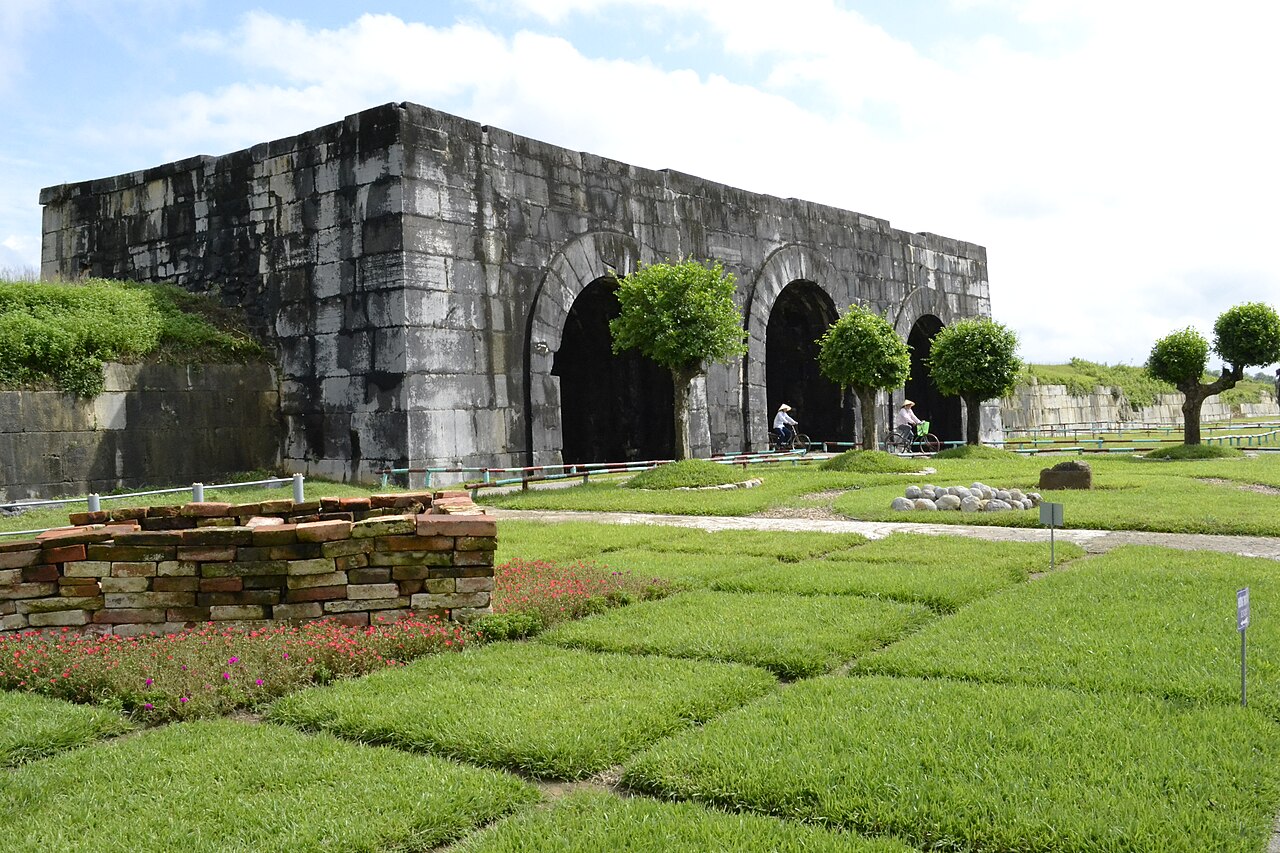
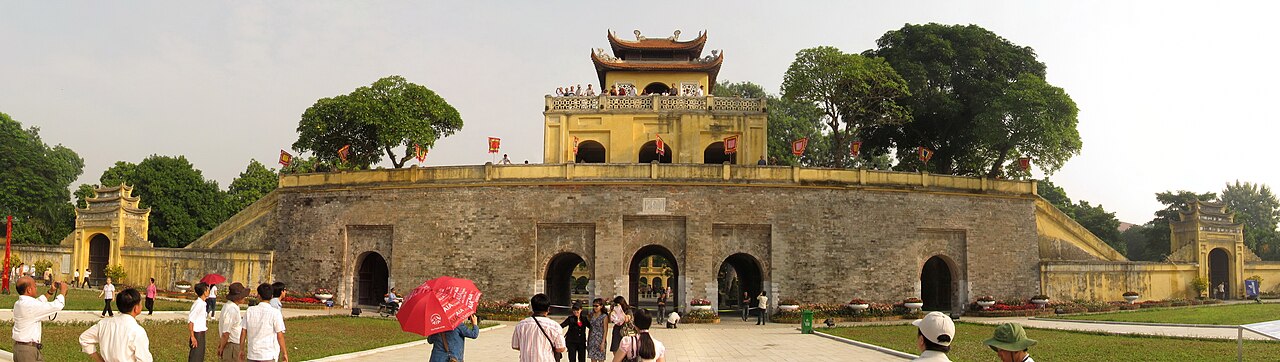
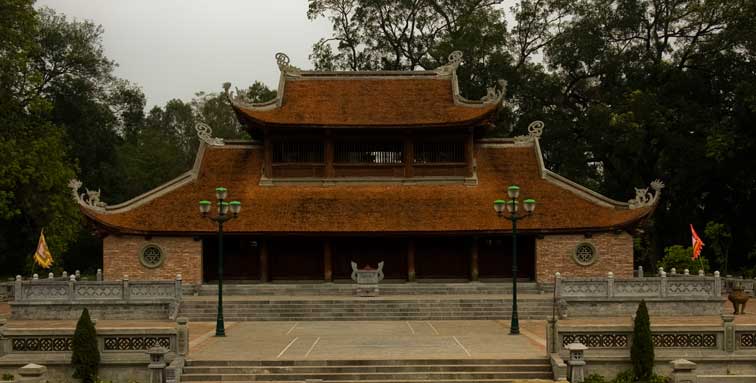
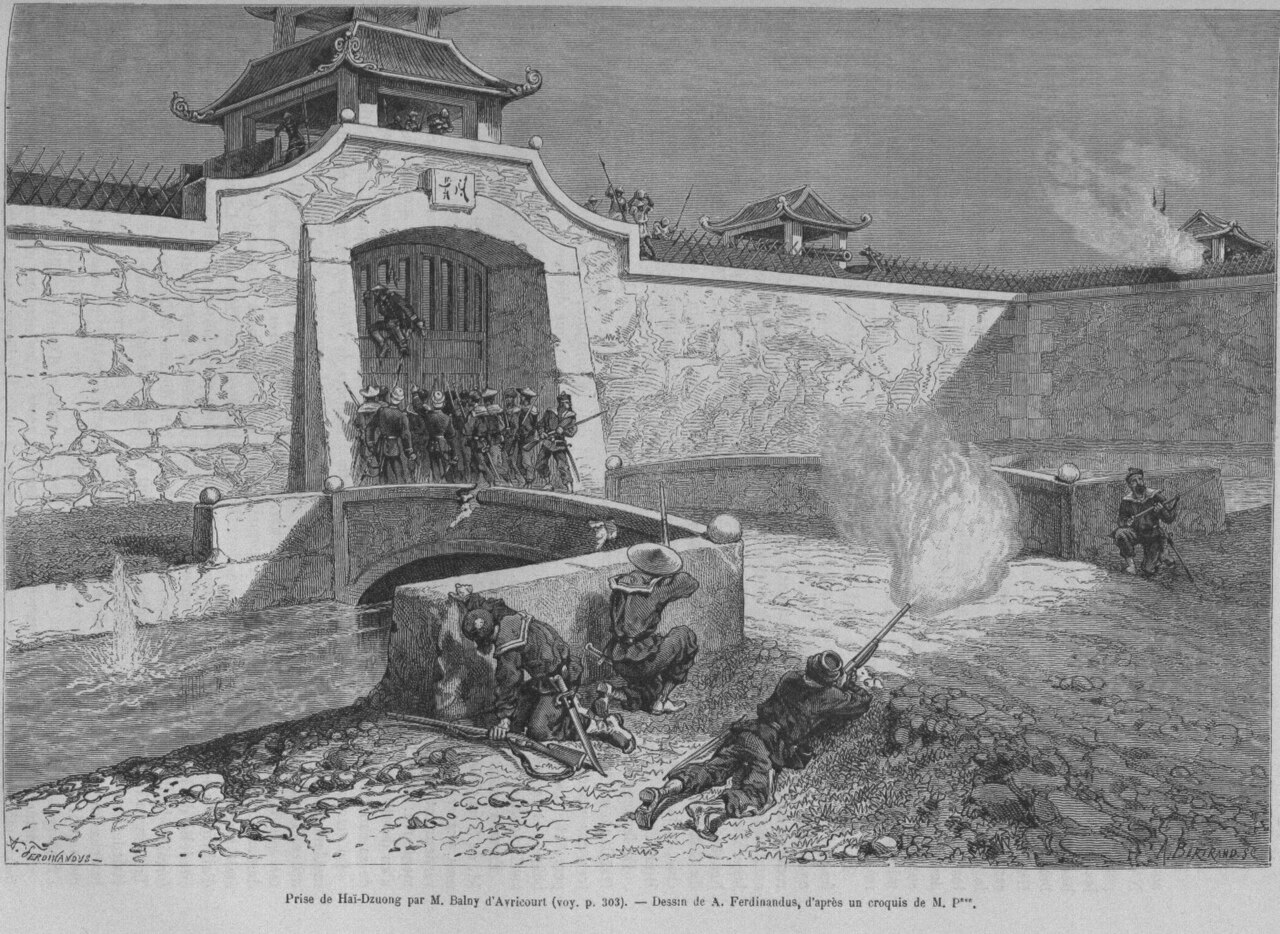
Types of fortifications in vietnam
Vietnam's fortifications encompass a variety of forms adapted to different military needs and geographical settings. The primary types include imperial citadels, hilltop fortresses, city walls, and coastal defenses. These structures often served multiple functions, such as administrative centers, military bases, and symbols of authority.
Imperial citadels and city walls
Imperial citadels like the Imperial City of Hue represent the pinnacle of Vietnamese fortification architecture. Constructed in the early 19th century under the Nguyen dynasty, this citadel combines walls, moats, and gates reflecting sophisticated defensive designs. City walls, such as those found in the ancient capital of Thang Long (modern-day Hanoi), were built to protect urban populations and royal palaces. These walls typically used brick and laterite, materials suited to the humid climate.
Hilltop and mountain fortresses
In northern and central Vietnam, hilltop fortresses provided natural defensive advantages. The rugged terrain enabled smaller garrisons to resist larger invading forces effectively. Examples include fortifications near Dien Bien Phu, which played roles in various historical conflicts. These fortresses often used earthworks and timber in their construction, blending with the environment to avoid detection.
Coastal and river defenses
Given Vietnam’s extensive coastline and river networks, fortifications were also established along waterways to deter naval invasions. Forts such as those near the port of Da Nang guarded crucial trade routes and military positions. These defenses combined artillery platforms with natural barriers, reflecting the maritime threats faced by the country.
Architectural styles and influences
The architecture of Vietnamese fortifications reveals a fusion of indigenous techniques and external influences. Local materials, such as laterite stone and brick, were commonly used, while design elements often drew from Chinese and Southeast Asian traditions. The emphasis was on functional robustness combined with aesthetic integration into the landscape.
Chinese influences
Centuries of Chinese rule and cultural exchange left a marked impact on Vietnamese castle and fortress architecture. The use of rectangular layouts, symmetrical designs, and symbolic gates can be traced to Chinese military architecture. The Imperial City of Hue prominently features these elements, with its carefully planned defensive walls and ceremonial structures reflecting Confucian ideals.
Indigenous innovations
Despite external influences, Vietnamese architects developed unique features suited to local conditions. The use of earthen ramparts reinforced with timber, integration of moats filled with water, and incorporation of natural terrain are examples of indigenous ingenuity. The Citadel of Thang Long, dating back to the Ly and Tran dynasties, showcases this blend of practicality and tradition.
Regional variations in vietnamese fortifications
Vietnam’s diverse geography led to distinct regional styles in castle and fortress construction. Northern, central, and southern regions each adapted their fortifications to local environmental and strategic needs.
Northern vietnam
In the north, where terrain includes mountainous and riverine landscapes, fortresses often utilized natural elevations for defense. The Citadel of Thang Long is a prime example, combining stone walls with water defenses. Fortifications here frequently faced threats from northern invaders, influencing their robust design.
Central vietnam
Central Vietnam’s coastal location necessitated strong maritime defenses. The Imperial City of Hue, situated near the Perfume River, incorporates thick walls and moats to guard against both land and sea attacks. This region also features hilltop forts that controlled inland routes and mountain passes.
Southern vietnam
Southern Vietnam, characterized by flat delta lands, saw fortifications focused on river control and protection against piracy. Forts built along the Mekong Delta often used earth and wood in their construction, emphasizing quick repair and adaptability over monumental stonework.
Notable periods of castle construction
Vietnam's castle heritage evolved through several key historical periods, each marked by distinctive architectural advancements and strategic priorities.
Ly and tran dynasties (11th–14th centuries)
This era witnessed the development of early stone and brick fortifications around political centers like Thang Long. Defensive walls were expanded and reinforced to resist Mongol invasions, demonstrating increasing military sophistication.
Later le dynasty (15th–18th centuries)
During the Later Le dynasty, fortifications became more elaborate, incorporating advanced artillery and thicker walls. This period also saw the construction of provincial citadels to assert central authority over outlying regions.
Nguyen dynasty (19th century)
The Nguyen dynasty’s reign marked the zenith of Vietnamese castle architecture, with the Imperial City of Hue exemplifying the era’s grandeur and defensive ingenuity. Walls, gates, and moats reflected both traditional designs and adaptations to contemporary warfare.
Preservation and current state
Vietnamese fortifications face challenges from urban development, warfare, and natural decay. However, many sites have been preserved or restored, recognizing their historical and cultural importance.
The Imperial City of Hue is a UNESCO World Heritage site and has undergone extensive restoration to maintain its walls and palatial structures. The Citadel of Thang Long in Hanoi has been partially excavated and preserved, serving as a symbol of Vietnam’s historical continuity.
Despite these efforts, some fortifications remain endangered due to environmental factors and limited funding. Conservation initiatives continue to balance the needs of tourism, local communities, and heritage protection.
Castle tourism and accessibility
Vietnam’s historical fortifications attract visitors interested in the country’s rich past and architectural heritage. Major sites like the Imperial City of Hue provide accessible, well-maintained areas with guided tours and educational exhibits.
Other locations, such as the Thang Long Citadel, are integrated into urban environments, making them easily reachable. Hilltop and coastal forts may require more effort to visit but offer scenic views and immersive experiences.
Tourism related to these castles not only promotes cultural appreciation but also supports local economies, encouraging further preservation efforts.
Cultural significance and heritage
The castles and fortifications of Vietnam are more than military relics; they embody the resilience, identity, and artistic expression of the Vietnamese people. These structures represent centuries of resistance against foreign invasions and internal strife, symbolizing national unity and sovereignty.
Architecturally, they reflect the synthesis of indigenous and foreign influences, illustrating Vietnam’s place within the broader context of East and Southeast Asian history. The heritage of these castles continues to inspire contemporary cultural pride and scholarly interest.
By preserving and studying these fortifications, Vietnam maintains a tangible connection to its past and enriches the global understanding of medieval and early modern fortification architecture.
Castles in Vietnam
Discover 7 magnificent castles across the country
Castle Locations in Vietnam
Explore all castle locations on an interactive map
Loading castle locations...