Imperial Citadel of Thăng Long
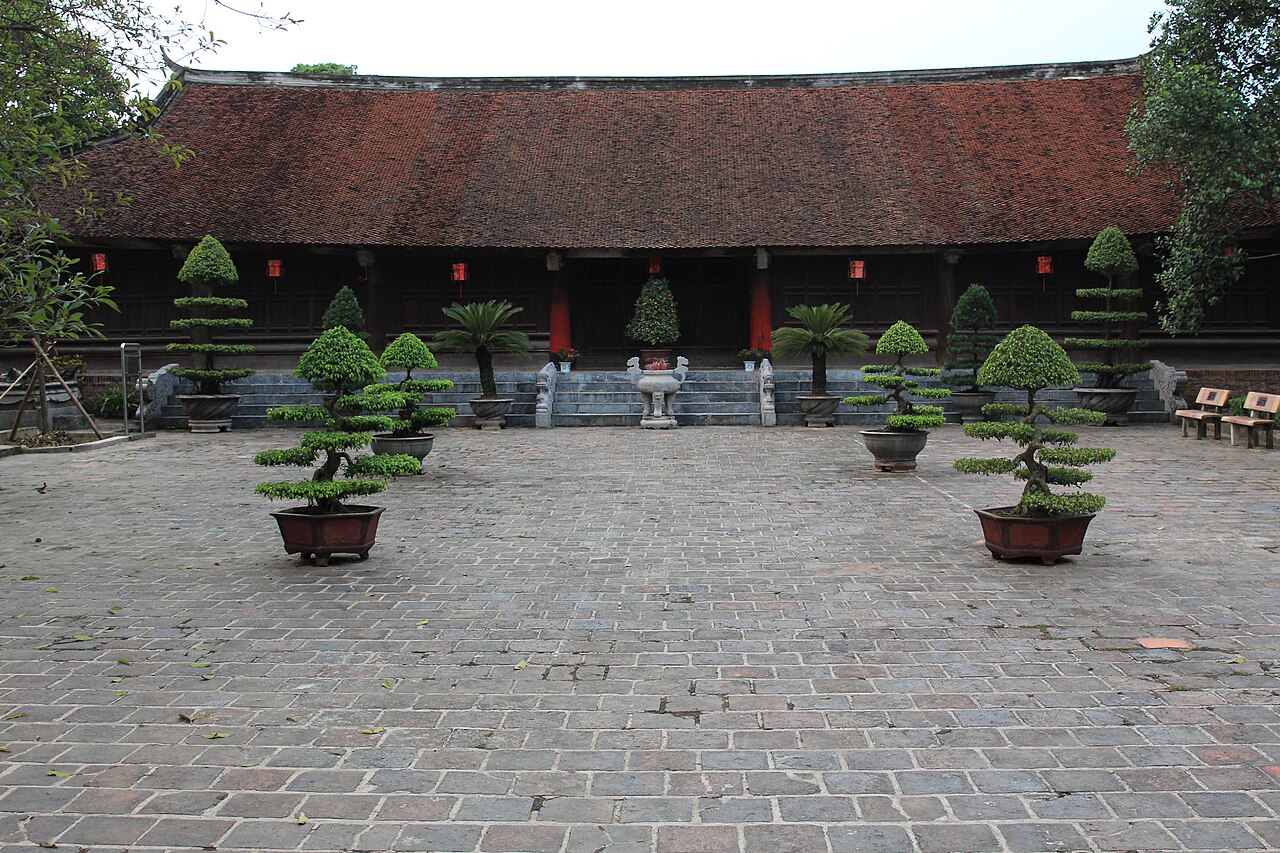
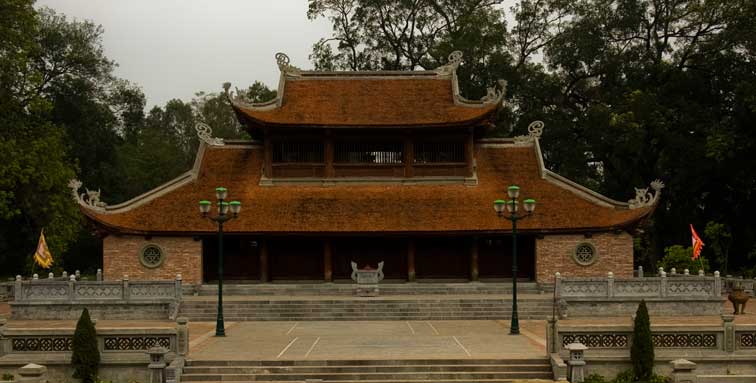
The Imperial Citadel of Thăng Long (Hoàng thành Thăng Long; chữ Hán: 皇城昇龍) is a significant bastioned fortress complex located in the heart of Hanoi, Vietnam. This historic site served as the political center for several Vietnamese dynasties and reflects the country's rich imperial heritage. Its construction began in 1010 under the reign of Emperor Lý Thái Tổ of the Lý dynasty and was completed by early 1011. The citadel's original design embodied traditional Vietnamese and Chinese architectural principles, emphasizing both defensive and ceremonial functions.
Historical background and significance
The Imperial Citadel of Thăng Long was established as the new capital of Đại Việt (the historical name for Vietnam) by Emperor Lý Thái Tổ, who moved the capital from Hoa Lư to Thăng Long, now modern-day Hanoi. This move symbolized a new era of stability and prosperity for the Vietnamese kingdom. The citadel became the political and administrative center for successive dynasties, including the Lý, Trần, and Lê dynasties, spanning nearly 800 years of Vietnamese history.
Throughout its history, the citadel was expanded and renovated multiple times to meet the changing needs of rulers and to strengthen its defenses. It witnessed numerous historical events, including invasions, dynastic changes, and colonial occupations. The site is recognized as a UNESCO World Heritage Site for its outstanding cultural and historical value.
Architectural features and layout
The citadel's layout follows traditional East Asian fortress design, combining a bastioned fortress system with a series of walls, gates, and moats. The original structure included a rectangular enclosure surrounded by thick stone walls and a deep moat, designed to protect against invasions. The walls featured battlements and watchtowers strategically placed for surveillance and defense.
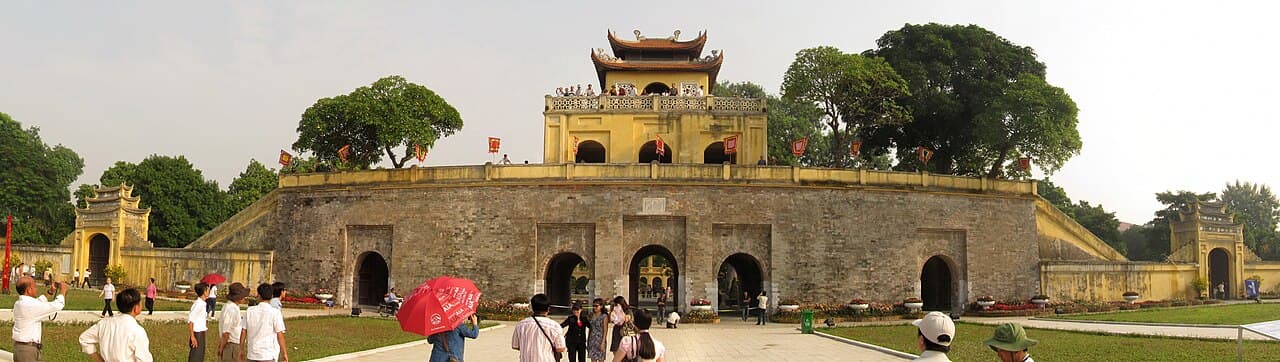
Within the citadel, several key structures served administrative, military, and residential purposes. The Flag Tower, one of the most iconic surviving elements, was constructed in the early 19th century during the Nguyễn dynasty and remains a prominent symbol of Hanoi. The North Gate is another surviving feature, showcasing traditional Vietnamese fortress gate architecture.
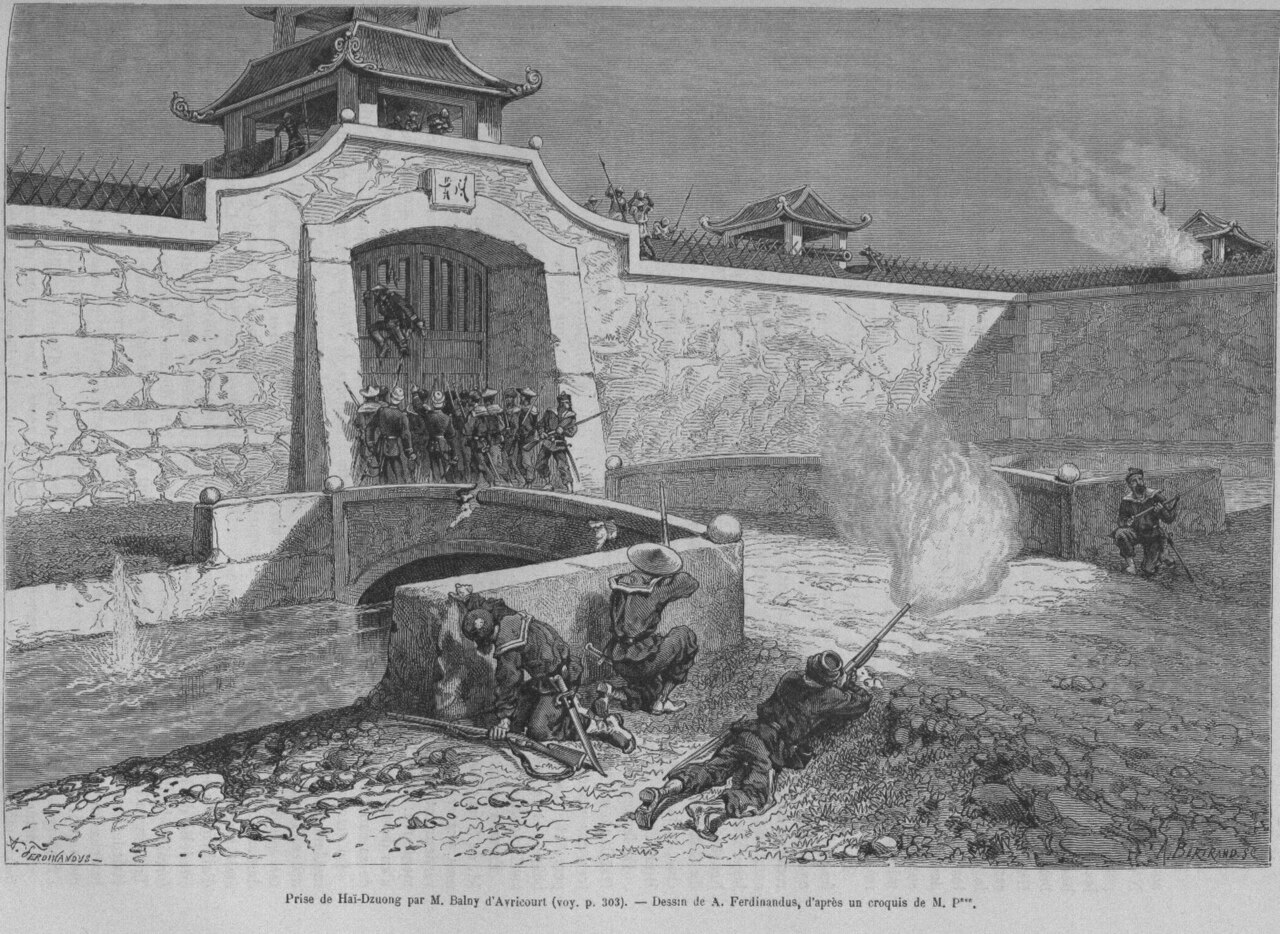
Although much of the citadel was dismantled during the French colonial period to make way for modern buildings, archaeological excavations have revealed foundations and relics from various historical layers, providing insight into the site's evolution over centuries.
Restoration and current condition
Most of the existing structures visible today date from the extensive reconstruction ordered by Emperor Gia Long in 1805. Despite significant demolition during the French colonial era, efforts have been made to preserve and restore key parts of the citadel. The Flag Tower and North Gate remain well-preserved and are important cultural landmarks.
Archaeological research continues to uncover artifacts and structural remains, contributing to a better understanding of the citadel's historical phases. The site is now a protected heritage area, managed by Vietnamese cultural authorities, and serves as a major tourist attraction and educational resource.
Cultural and historical impact
The Imperial Citadel of Thăng Long is a symbol of Vietnam's enduring imperial legacy and national identity. It represents the architectural ingenuity and political power of Vietnamese dynasties over centuries. The site has inspired numerous studies in history, archaeology, and architecture, highlighting the complex interactions between indigenous Vietnamese traditions and external influences, particularly from China.
Visitors to the citadel can explore its remaining structures, museum exhibits, and archaeological sites, gaining insight into Vietnam's medieval and early modern history. The citadel's story reflects the resilience and continuity of Vietnamese culture through periods of upheaval and change.
Visiting information and tourism
The Imperial Citadel is open to the public with guided tours available to provide historical context and architectural details. It is located in central Hanoi, making it accessible for tourists interested in Vietnam's cultural heritage. Visitors are encouraged to explore the Flag Tower, North Gate, and the onsite museum displaying artifacts excavated from the site.
Opening hours and ticket prices vary seasonally, but the site generally operates during daytime hours. The citadel is part of a broader heritage area that includes other historical landmarks in Hanoi, offering a comprehensive cultural experience.
Frequently asked questions (FAQ)
- When was the Imperial Citadel of Thăng Long built?
- Construction of the Imperial Citadel began in 1010 under Emperor Lý Thái Tổ and was completed in early 1011.
- What architectural style characterizes the citadel?
- The citadel features traditional East Asian fortress design with bastioned walls, moats, and watchtowers reflecting Vietnamese and Chinese influences.
- Is the citadel open to visitors?
- Yes, the Imperial Citadel is open to the public with guided tours available, allowing visitors to explore the Flag Tower, North Gate, and archaeological exhibits.
- What remains of the original citadel today?
- The Flag Tower and North Gate are among the best-preserved structures, while much of the original citadel was dismantled during the French colonial period.
- Where is the Imperial Citadel located?
- It is located in the center of Hanoi, Vietnam, making it easily accessible for tourists interested in Vietnamese history.
Photo gallery

Information
Current owner
Vietnamese cultural authorities
Loading map...
Visitor reviews
No reviews yet. Been here? Write the first review and help other travelers!
Write the first reviewVisited this castle? Share your experience
Your review helps other travelers and adds first-hand knowledge to our encyclopedia.