Citadel of Tuyen Quang
Historical significance and military role
The Citadel of Tuyen Quang was constructed as part of a network of fortifications to defend northern Vietnam from colonial incursions. Its strategic location allowed control over important routes and provided a defensive advantage against invading forces. The fortress is most famous for its role in the 1884-1885 Siege of Tuyen Quang, where Vietnamese and Black Flag forces resisted a prolonged French siege. This event marked a significant episode in the resistance against French colonial expansion in Indochina.
Architectural features and design
The citadel’s design is characterized by bastioned walls arranged in a polygonal layout, typical of European star forts developed in the early modern period. These bastions allowed defenders to cover all approaches with overlapping fields of fire, minimizing blind spots. The walls were constructed with thick masonry and earthworks to absorb artillery fire. The fortress included moats and ramparts enhancing its defensive capabilities.
Defensive structures
The bastions are connected by curtain walls featuring firing positions for infantry and artillery. The design incorporated angled bastions to deflect incoming cannonballs. Inside, the citadel contained barracks, armories, and command posts necessary for sustaining a garrison during siege conditions.
Adaptation to local environment
While based on European bastion fort concepts, the citadel’s construction utilized local materials and techniques suited to the tropical climate. The thick walls and earthen embankments helped mitigate the impact of heavy rains and humidity.
Current condition and cultural importance
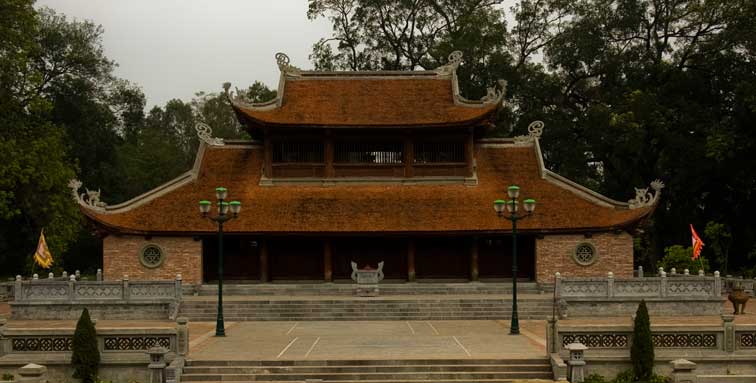
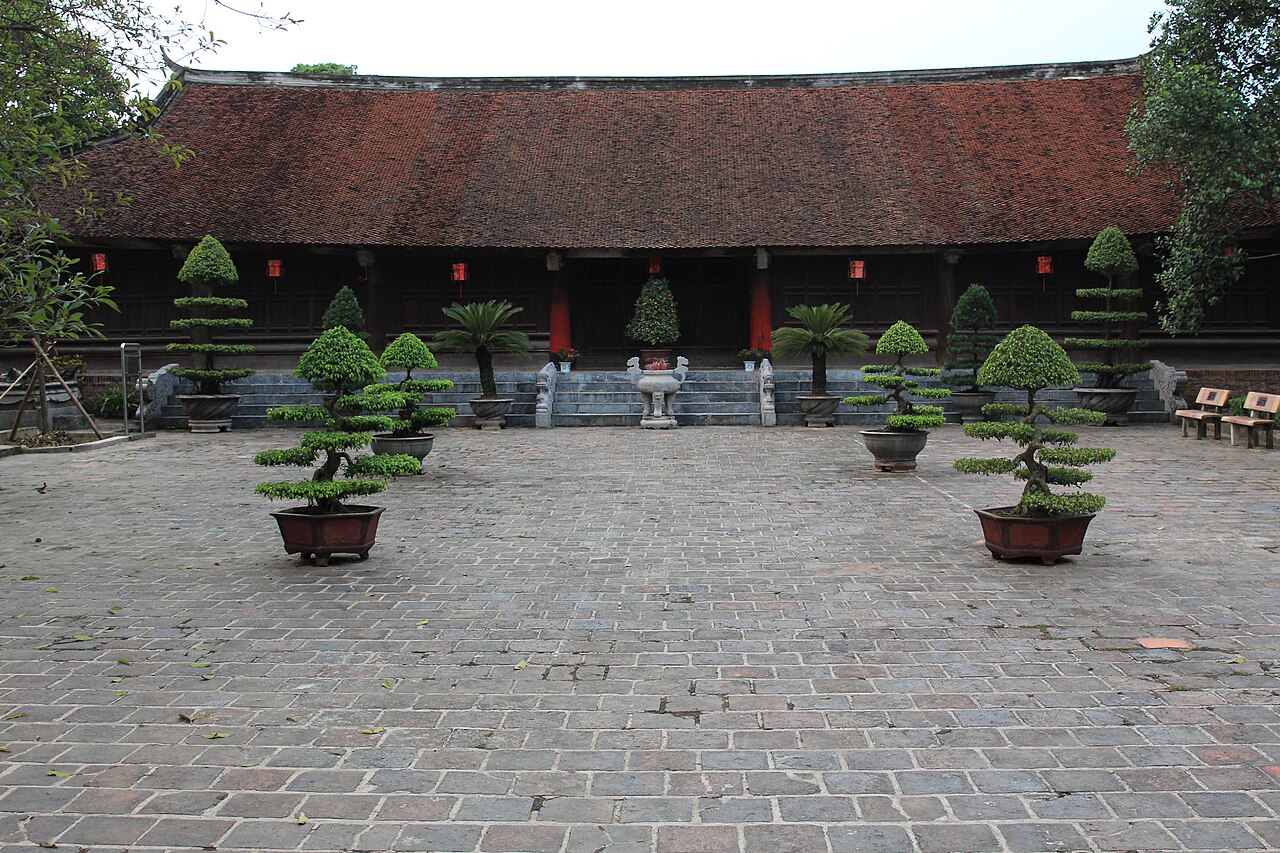
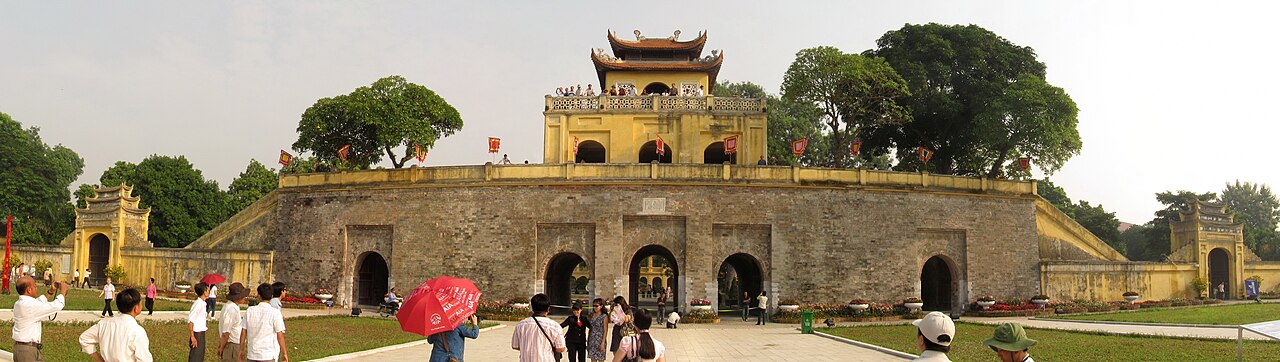
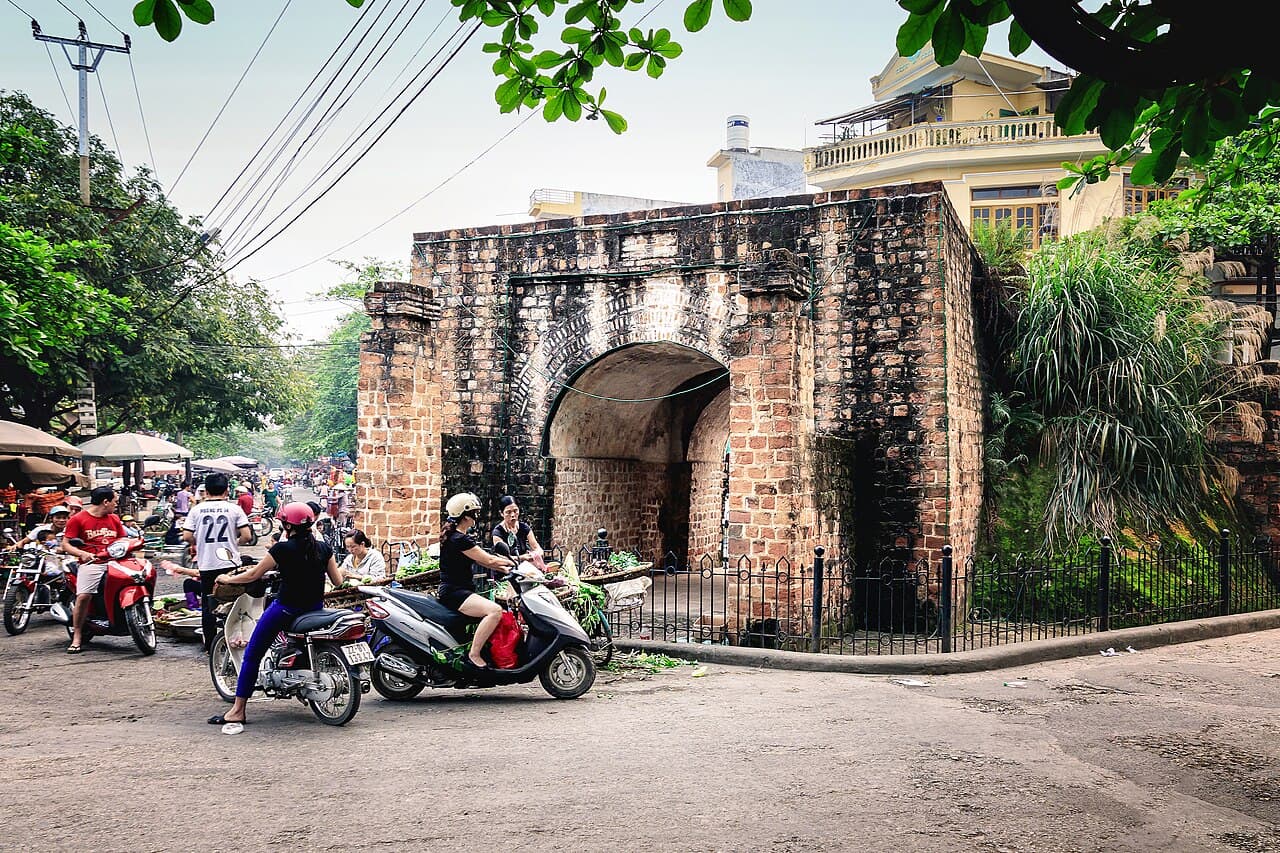
Today, the Citadel of Tuyen Quang remains a partially preserved historical site. Some sections of the bastioned walls and defensive earthworks survive, though much of the structure has suffered from time and neglect. The site is recognized for its cultural and historical importance in Vietnam’s colonial resistance history and serves as a reminder of the military architecture of the period.
Visiting information
The citadel is accessible to visitors interested in Vietnam’s military history and colonial heritage. While facilities may be limited, the site offers an opportunity to explore the remains of a bastioned fortress that played a key role in 19th-century conflicts. Visitors should check local sources for opening hours and any guided tour availability.
Frequently asked questions (FAQ)
- When was the Citadel of Tuyen Quang built?
- The Citadel of Tuyen Quang was constructed during the late 19th century, reflecting military architectural styles of the post-Renaissance period adapted for colonial defense.
- What is the historical significance of the Citadel of Tuyen Quang?
- The citadel is notable for its role in resisting French colonial forces during the 1884-1885 Siege of Tuyen Quang, a key event in Vietnam's colonial history.
- Can visitors explore the Citadel of Tuyen Quang today?
- Yes, visitors can explore the partially preserved remains of the citadel, including bastioned walls and earthworks, though facilities may be limited.
- What architectural style characterizes the Citadel of Tuyen Quang?
- The fortress features bastioned fortifications typical of European military architecture adapted to local conditions, but it does not conform to a single defined architectural style.
- Why is the Citadel of Tuyen Quang important for understanding Vietnamese history?
- It represents the military resistance against French colonial expansion and showcases the adaptation of European fortification techniques in Vietnam during the late 19th century.
Photo gallery

Information
Loading map...
Visitor reviews
No reviews yet. Been here? Write the first review and help other travelers!
Write the first reviewVisited this castle? Share your experience
Your review helps other travelers and adds first-hand knowledge to our encyclopedia.