Historical background and significance
The construction of the Citadel of Vinh dates back to the early 19th century during the Nguyen Dynasty, which was the last imperial dynasty of Viet Nam. The fortress was strategically built to protect the region and serve as a military stronghold. Its location was carefully chosen to control important routes and to defend against both internal rebellions and external invasions.
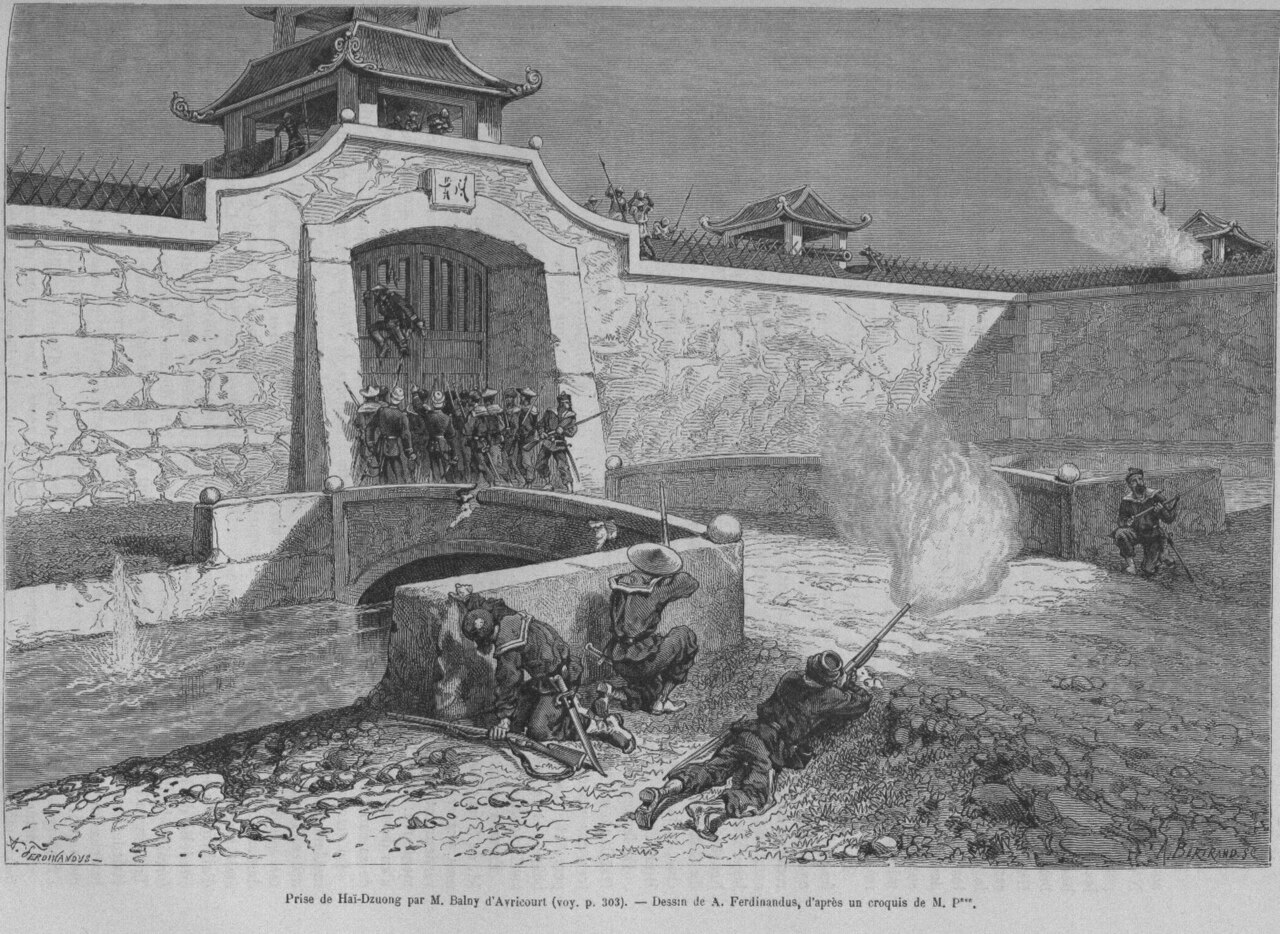
Throughout the 19th and early 20th centuries, the citadel played a crucial role in various military conflicts, including resistance against French colonial forces. The fortress's design reflects the adaptation of traditional Vietnamese defensive architecture combined with European bastioned fortification principles introduced during the colonial era.
Architectural features and layout
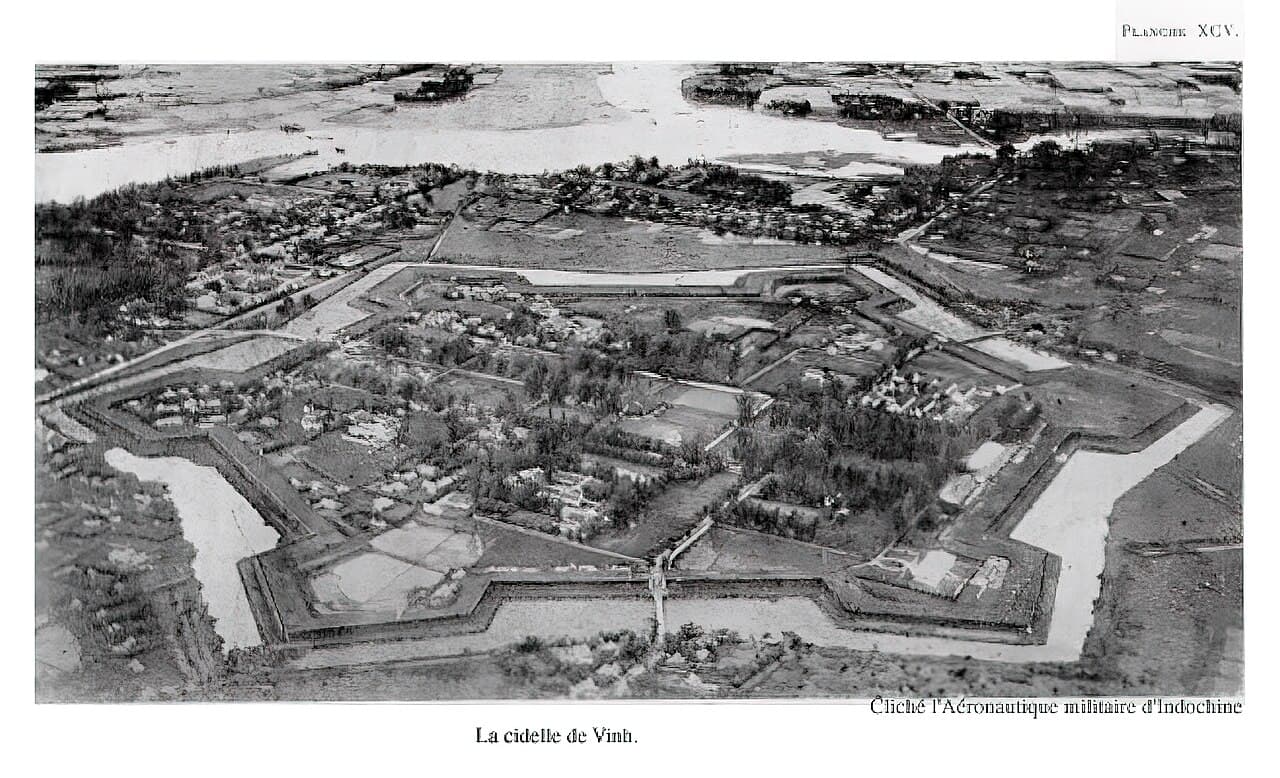
The Citadel of Vinh is characterized by its bastioned fortress layout, which includes angular bastions at the corners of the walls. These bastions allowed defenders to cover adjacent walls with crossfire, eliminating blind spots and enhancing the fortress's defensive capabilities.
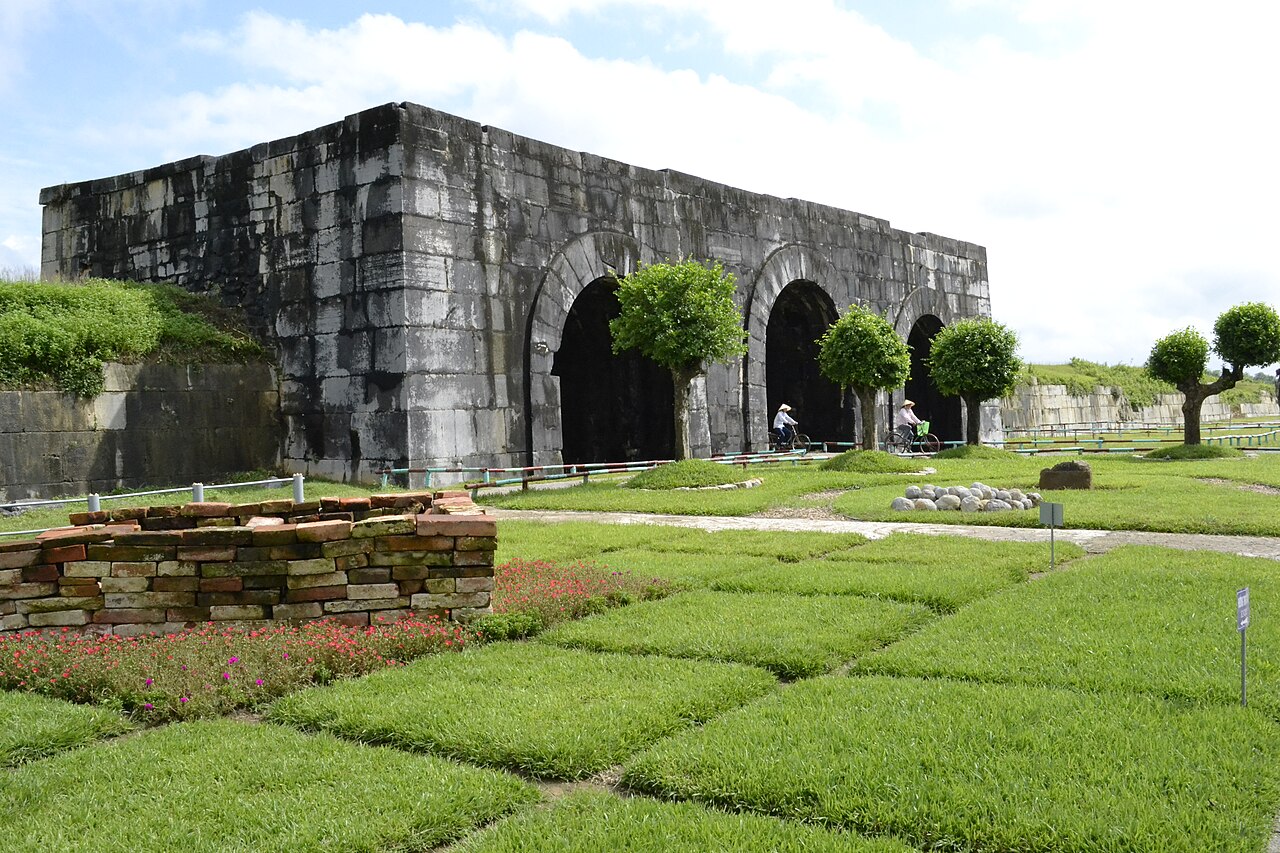
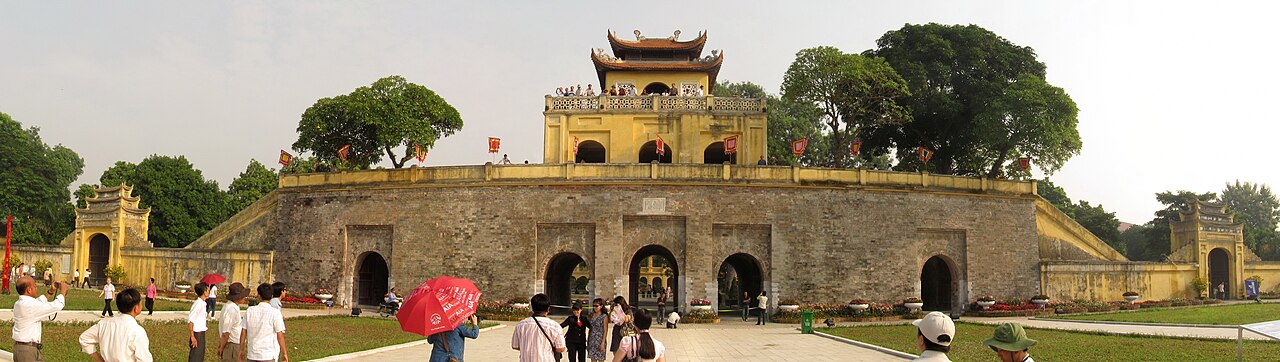
The walls of the citadel are constructed from brick and stone, materials chosen for their durability and resistance to artillery fire. The fortress is surrounded by a moat, which added an extra layer of defense against attackers. Access to the citadel was controlled through fortified gates, which were often equipped with guardhouses and defensive structures.
Inside the citadel, there are various military buildings such as barracks, armories, and command posts. The layout was designed to facilitate the efficient movement of troops and supplies, as well as to provide secure quarters for soldiers and officers.
Defensive structures
The bastions are the most prominent defensive structures, designed to withstand cannon fire and provide overlapping fields of fire. The walls are thick and reinforced, with parapets and battlements for soldiers to defend the fortress effectively.
The moat surrounding the citadel served as a physical barrier to slow down and expose attackers to defensive fire. The gates were often the most vulnerable points and were therefore heavily fortified with additional defensive works.
Cultural and heritage importance
The Citadel of Vinh is not only a military monument but also a symbol of Viet Nam's resilience and historical identity. It has witnessed numerous historical events and stands as a testament to the country’s efforts to defend its sovereignty during periods of foreign invasion and internal conflict.
Today, the citadel is recognized as a cultural heritage site, attracting visitors interested in military history, architecture, and Vietnamese culture. Preservation efforts have been undertaken to maintain the fortress's structural integrity and to promote its historical significance.
Tourism and accessibility
Visitors to the Citadel of Vinh can explore its extensive fortifications, including the bastions, walls, and gates. The site offers insight into 19th-century military architecture and the historical context of Viet Nam's struggles during the colonial period.
The citadel is accessible to the public, and guided tours are often available to provide detailed explanations of its history and architecture. The surrounding area includes other cultural landmarks that complement a visit to the fortress.
Frequently asked questions (FAQ)
- What is the historical significance of the Citadel of Vinh?
- The Citadel of Vinh played a key role in Viet Nam's military history during the 19th century, serving as a strategic defense point against invasions and internal conflicts.
- Can visitors tour the Citadel of Vinh?
- Yes, the Citadel of Vinh is open to the public, and visitors can explore its bastioned walls, gates, and internal military structures, often with guided tours available.
- What architectural style characterizes the Citadel of Vinh?
- The Citadel of Vinh features a bastioned fortress design typical of 19th-century military architecture, combining traditional Vietnamese and European fortification elements.
- Is the Citadel of Vinh well preserved?
- The fortress is partially preserved, with ongoing efforts to maintain its structural integrity and historical features for educational and cultural purposes.
Photo gallery

Photo by Aéronautique militaire d'Indochine•Public domain
Information
Loading map...
Visitor reviews
No reviews yet. Been here? Write the first review and help other travelers!
Write the first reviewVisited this castle? Share your experience
Your review helps other travelers and adds first-hand knowledge to our encyclopedia.