Son Tay Ancient Citadel
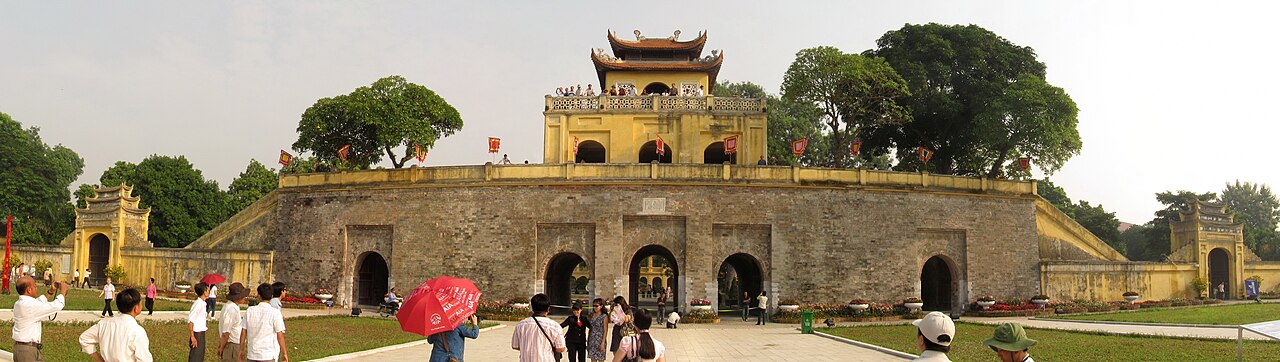
Son Tay ancient citadel is a significant example of a 19th-century bastioned fortress located in Viet Nam. Constructed during the modern period, this fortress reflects the military architectural principles influenced by European designs adapted to local conditions and strategic needs.
The citadel was built in the 19th century as part of the Nguyen dynasty's efforts to strengthen its defenses against both internal rebellions and external threats. Its design incorporates bastions—angular structures projecting outward from the main walls—allowing defenders to cover adjacent walls with gunfire, a hallmark of star fort design adapted for the region.
Architectural features and design
The layout of Son Tay ancient citadel follows the bastioned fortress style, characterized by thick, high walls constructed from brick and stone, designed to withstand artillery attacks. The fortress is roughly square in shape, with bastions at each corner and along the walls to provide overlapping fields of fire.
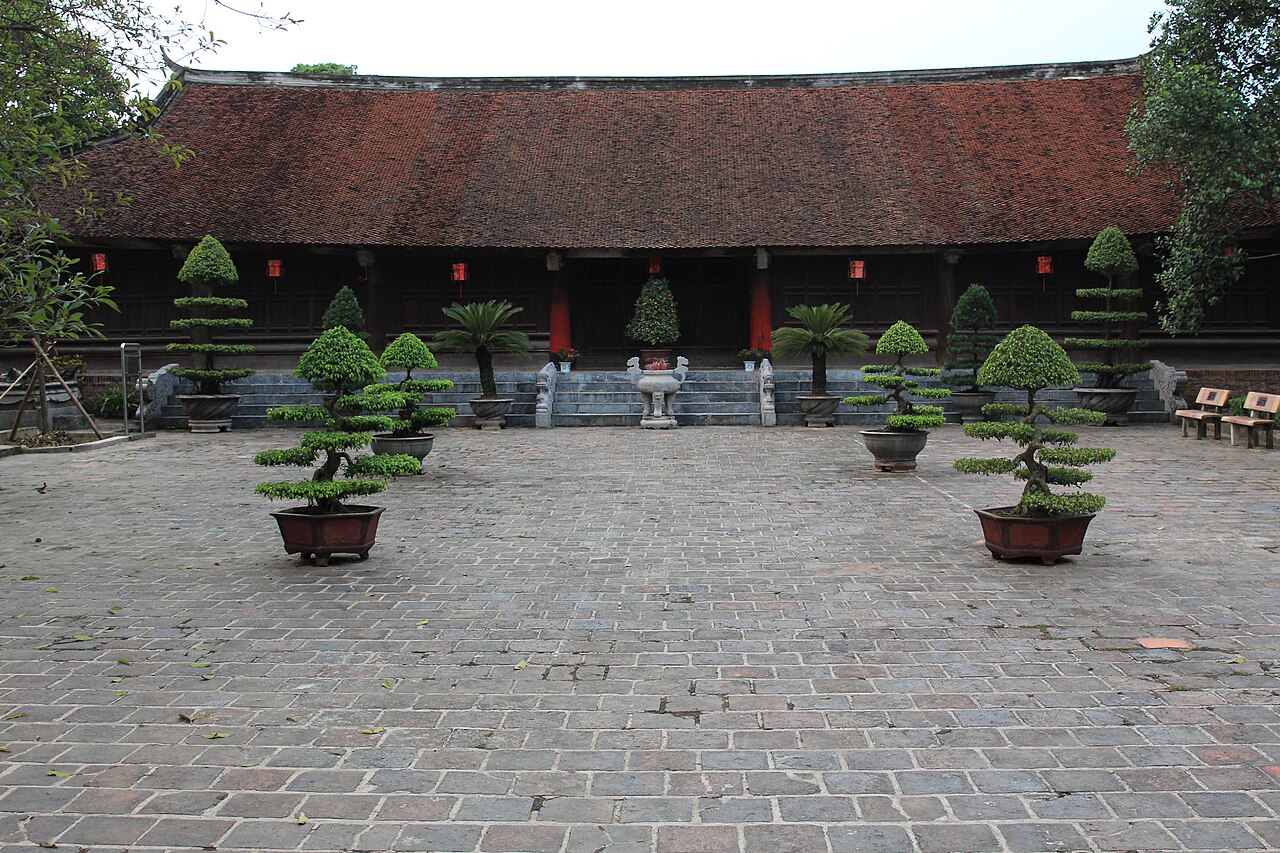
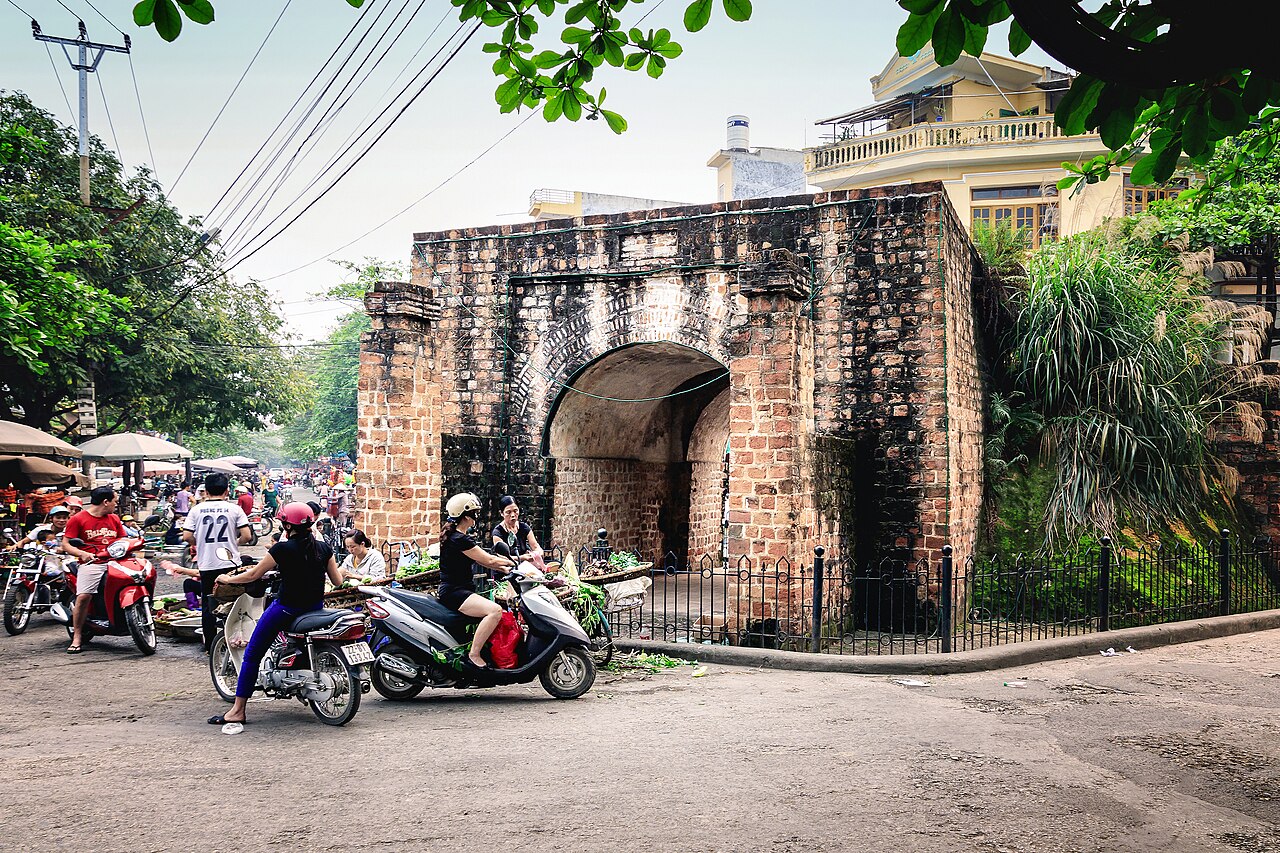
Inside the fortress, there are remnants of defensive structures such as moats, ramparts, and gates that controlled access. The main gate is notable for its robust construction and defensive features, including reinforced doors and guardhouses.
Defensive innovations
The bastions are designed to allow defenders to fire upon attackers approaching the walls from multiple angles, minimizing blind spots. This design reflects the influence of European military engineering principles introduced during the colonial period, adapted to the local terrain and climate.
The fortress also features a system of underground passages and storage rooms, used historically for ammunition and supplies, ensuring the garrison could withstand prolonged sieges.
Historical context and significance
Built during the reign of the Nguyen dynasty, Son Tay ancient citadel served as a strategic military base in northern Viet Nam. Its construction was part of a broader effort to modernize the kingdom's defenses in response to increasing threats from French colonial forces and internal uprisings.
The citadel played a role in various military engagements, including the resistance against French colonial expansion in the late 19th century. Its robust design allowed it to serve as a stronghold for Vietnamese forces during periods of conflict.
Legacy and preservation
Today, Son Tay ancient citadel remains one of the best-preserved examples of bastioned fortresses in Viet Nam. Its walls and bastions still stand, offering insight into the military architecture and strategic thinking of the period.
Efforts have been made to preserve the site as a cultural and historical monument, highlighting its importance in the history of Viet Nam's military architecture and national defense.
Visiting Son Tay ancient citadel
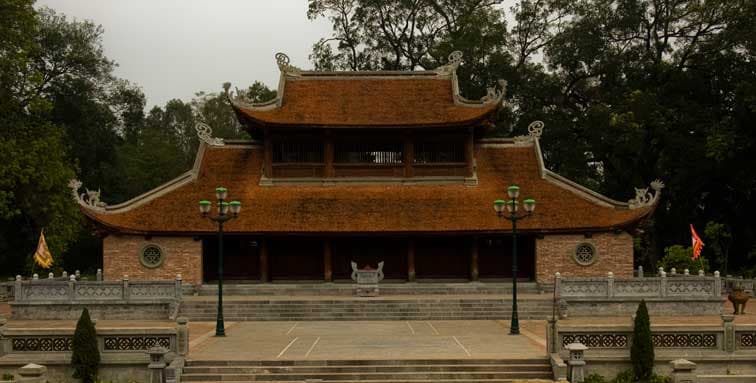
Visitors to the citadel can explore the fortress walls, bastions, and gate structures, gaining an understanding of 19th-century military engineering in Viet Nam. The site offers educational opportunities about the Nguyen dynasty's military history and the architectural adaptations made to resist artillery warfare.
The citadel's location in northern Viet Nam makes it accessible for those interested in history, architecture, and cultural heritage.
Frequently asked questions (FAQ)
- What is the historical significance of Son Tay ancient citadel?
- Son Tay ancient citadel was built in the 19th century during the Nguyen dynasty as a strategic military fortress to defend against internal and external threats, including French colonial forces.
- What architectural style is Son Tay ancient citadel built in?
- The citadel is designed as a bastioned fortress, featuring thick walls and angular bastions for defensive coverage, reflecting European military influences adapted to local conditions.
- Can visitors explore Son Tay ancient citadel?
- Yes, visitors can explore the fortress walls, bastions, and gate structures, learning about 19th-century military architecture and the history of the Nguyen dynasty's defenses.
- Is Son Tay ancient citadel well preserved?
- The citadel is partially preserved, with many of its walls and bastions still standing, allowing visitors to appreciate its original defensive design.
- When was Son Tay ancient citadel built?
- Son Tay ancient citadel was constructed in the 19th century as part of the Nguyen dynasty's efforts to modernize military defenses.
Photo gallery

Photo by Brighter•Public domain
Information
Loading map...
Visitor reviews
No reviews yet. Been here? Write the first review and help other travelers!
Write the first reviewVisited this castle? Share your experience
Your review helps other travelers and adds first-hand knowledge to our encyclopedia.