
Luxembourg
Castle heritage in Luxembourg: an introduction
Luxembourg, a small landlocked country in Western Europe, boasts a remarkably rich heritage of castles and historical fortifications. Its strategic location at the crossroads of several major European powers has shaped its complex defensive architecture over centuries. Despite its modest size, Luxembourg's landscape is dotted with well-preserved medieval castles, impressive fortresses, and remnants of extensive city walls.
The legacy of Luxembourg's fortifications reflects its turbulent history, marked by territorial disputes and military significance. Many castles served not only as noble residences but also as critical defensive strongholds. Today, these structures stand as testaments to the country’s medieval past and its role in European political and military affairs. Visitors and historians alike are drawn to Luxembourg’s castles for their architectural beauty and historical importance.
Continue reading below — scroll for the full article.
Castles in Luxembourg
Discover 18 magnificent castles across the country





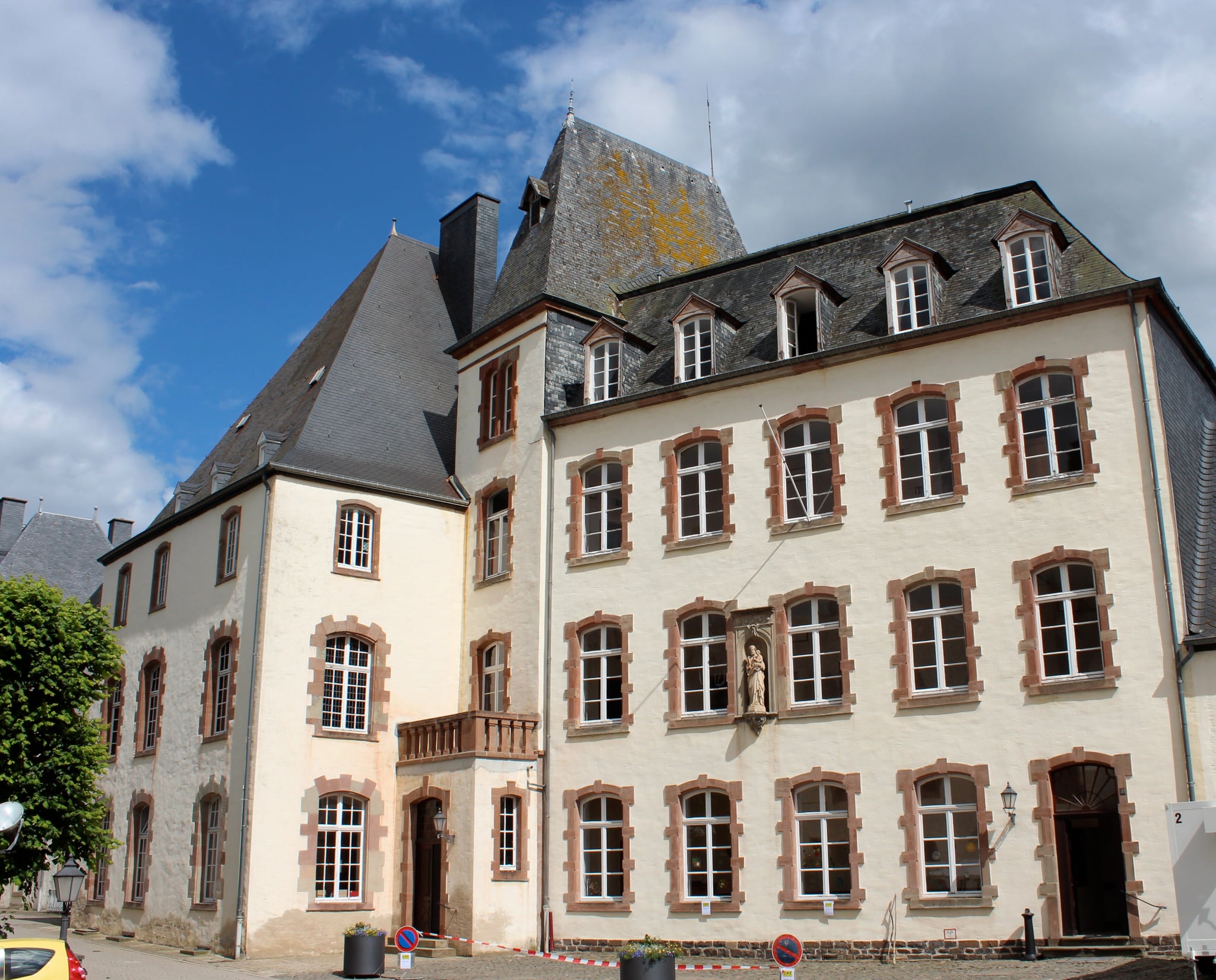
Historical background and the medieval period
The origins of Luxembourg’s castle heritage date back to the early medieval period, around the 10th and 11th centuries. The foundation of the fortress of Luxembourg City in 963 by Count Siegfried is particularly significant. This fortress became the nucleus around which the city and many defensive works developed. Over time, the counts and later dukes of Luxembourg expanded their holdings and fortified key locations to protect against invasions.
During the High Middle Ages, Luxembourg's position between powerful neighbors such as France, Germany, and the Low Countries necessitated robust military architecture. Castles like Vianden and Beaufort were constructed or expanded in this era to assert feudal control and provide refuge during conflicts. These castles often featured keeps, curtain walls, and fortified gates, reflecting the evolving needs of medieval warfare.
Types of fortifications in Luxembourg
Castles and noble residences
Luxembourg is renowned for its variety of castles, ranging from hilltop fortresses to elegant châteaux. These structures served dual purposes as both defensive sites and residences for nobility. The Castle of Vianden, one of the largest and most picturesque in Europe, exemplifies the Romanesque and Gothic styles adapted for both defense and habitation.
Many castles are situated on elevated terrain, leveraging natural topography for defense. Beaufort Castle, for example, consists of two main parts—a medieval fortress and a Renaissance residence—illustrating the transition in architectural function and style over time.
Fortresses and city walls
Luxembourg’s capital city once featured one of the most formidable fortress complexes in Europe, often called the "Gibraltar of the North." Its extensive fortifications included thick walls, bastions, and underground tunnels. These defensive works were repeatedly modernized from the 16th to the 19th centuries to withstand evolving siege technologies.
The fortress of Luxembourg City played a crucial role in European conflicts and was renowned for its strength. Although much of the fortress was dismantled in the 19th century, some city walls and bastions remain, preserving the military heritage of the capital.
Architectural styles and influences
The architectural heritage of Luxembourg’s castles and fortifications reflects a blend of European influences, shaped by political alliances, warfare, and cultural exchange. Early medieval castles predominantly display Romanesque features—thick walls, rounded arches, and sturdy keeps designed primarily for defense.
From the 13th century onward, Gothic elements became more prominent. The Castle of Vianden, for instance, features pointed arches, ribbed vaults, and large windows, combining defensive strength with aesthetic refinement. Later, Renaissance and Baroque influences appeared, particularly in castle renovations and expansions, introducing more comfortable living spaces and ornamental details.
Notable periods of castle construction
The initial wave of castle building in Luxembourg occurred during the 10th to 12th centuries, coinciding with the establishment of feudal control in the region. This period focused on constructing simple but effective fortresses, often on strategic elevations. The Castle of Luxembourg City itself originated in this era as a fortified stronghold.
The 13th and 14th centuries saw significant expansion and enhancement of existing castles. This period corresponds with increased regional conflicts and the need for improved defenses. Notable examples include the enlargement of Vianden Castle and the construction of Beaufort Castle’s upper fortress.
After the medieval period, fortification efforts shifted toward adapting to gunpowder artillery. From the 16th century onwards, the focus was on bastion fortresses and modernized city walls, as seen in Luxembourg City’s extensive fortress system developed under Spanish, French, and Austrian control.
Preservation and current state
Many of Luxembourg’s castles and fortifications have been meticulously preserved or restored, reflecting national pride in their cultural heritage. Vianden Castle underwent significant restoration in the 20th century, transforming it into a major tourist attraction and symbol of Luxembourg’s medieval past. Beaufort Castle also benefits from conservation efforts that highlight both its medieval and Renaissance elements.
While some medieval fortifications, such as parts of Luxembourg City's fortress, were dismantled following treaties in the 19th century, remaining sections are protected as historic monuments. The government and various heritage organizations actively maintain these sites, balancing preservation with public access.
Castle tourism and accessibility
Luxembourg’s castles are popular destinations for tourists interested in history, architecture, and scenic landscapes. Many castles, including Vianden and Beaufort, offer guided tours, exhibitions, and cultural events that bring their history to life. These sites are generally accessible to visitors throughout the year and provide educational resources on medieval fortification and noble life.
Luxembourg’s compact size and efficient transportation network facilitate easy access to these heritage sites. This accessibility, combined with the country’s natural beauty, makes castle tourism an important component of Luxembourg’s cultural and economic landscape.
Cultural significance and heritage
The castles and fortifications of Luxembourg embody the country’s historical identity and its evolution through centuries of political change. They serve as tangible connections to the past, illustrating feudal power structures, military strategy, and architectural innovation. These sites also foster national pride and contribute to cultural continuity.
Beyond their historical importance, Luxembourg’s castles are venues for cultural events, festivals, and exhibitions that celebrate the country’s heritage. This dynamic use of historic spaces helps ensure their preservation and relevance in contemporary society.
Castle Locations in Luxembourg
Explore all castle locations on an interactive map
Loading castle locations...