Wiltz Castle
Wiltz Castle stands as a remarkable example of architectural evolution and historical resilience in the town of Wiltz, Luxembourg. Originally established in the 13th century by the Lords of Wiltz, the castle was strategically built on a rocky promontory that played a crucial role in the development of the upper town. This initial fortified structure laid the foundation for what would become a significant cultural and historical landmark, reflecting centuries of architectural styles and historical events.
The early medieval origins and fortifications
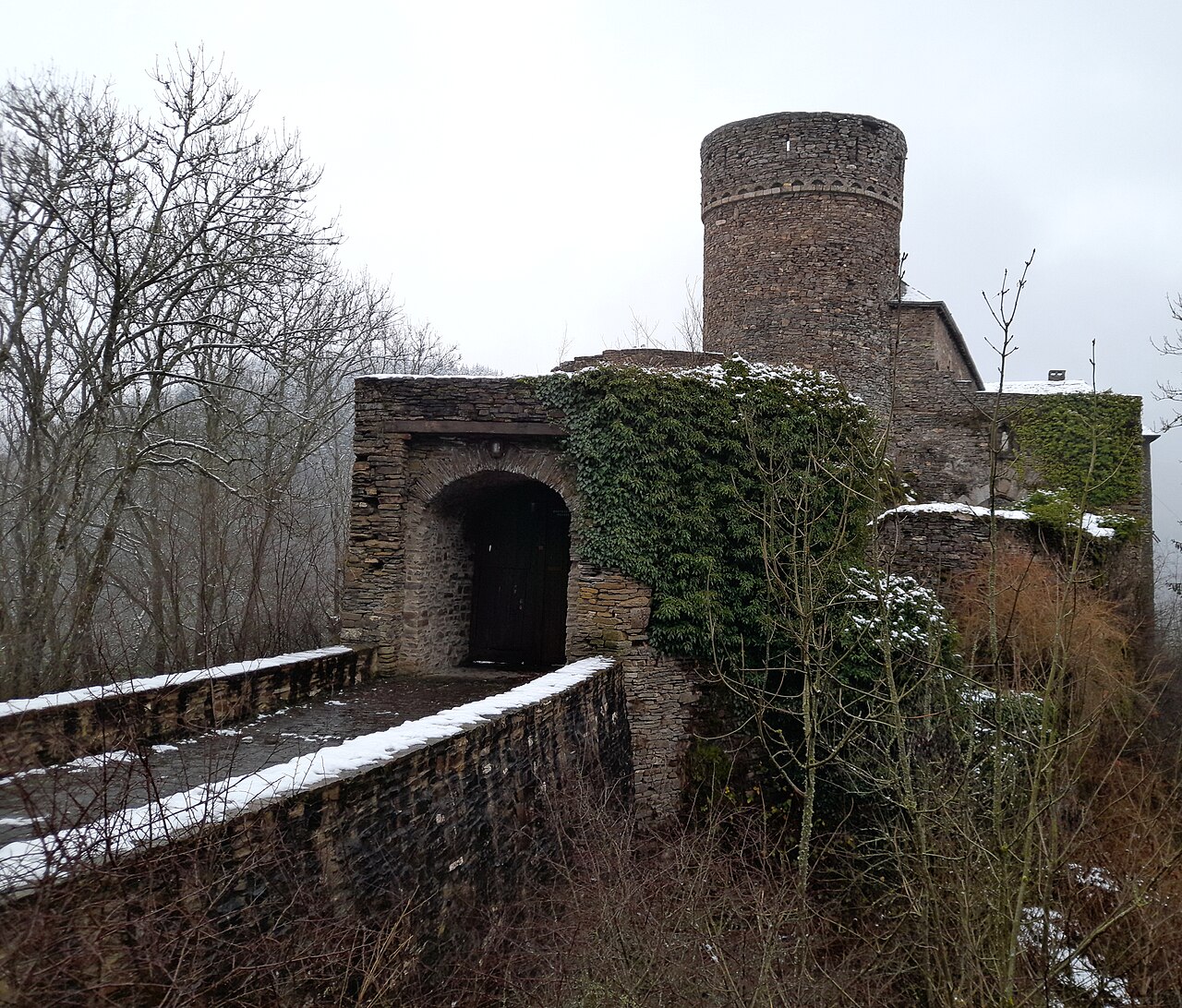
The castle's origins trace back to the High Medieval period, when the Lords of Wiltz constructed a stronghold designed to oversee and protect the surrounding region. The choice of a hill castle location on elevated terrain was typical of medieval defensive strategies, providing natural protection and commanding views of the approaches. The earliest surviving element of the castle complex is the round Witches' Tower, situated to the east of the gardens, which is recognized as the oldest part of the present-day structure.
The castle endured significant military challenges, notably in 1388 when French forces attacked and burned it down. Despite this destruction, the castle was promptly repaired, demonstrating its strategic importance. Later, in 1453, the castle faced another assault by the troops of Philip of Burgundy, underscoring its continued role in regional conflicts during the late medieval period.
Renaissance transformation under Count John VI of Wiltz
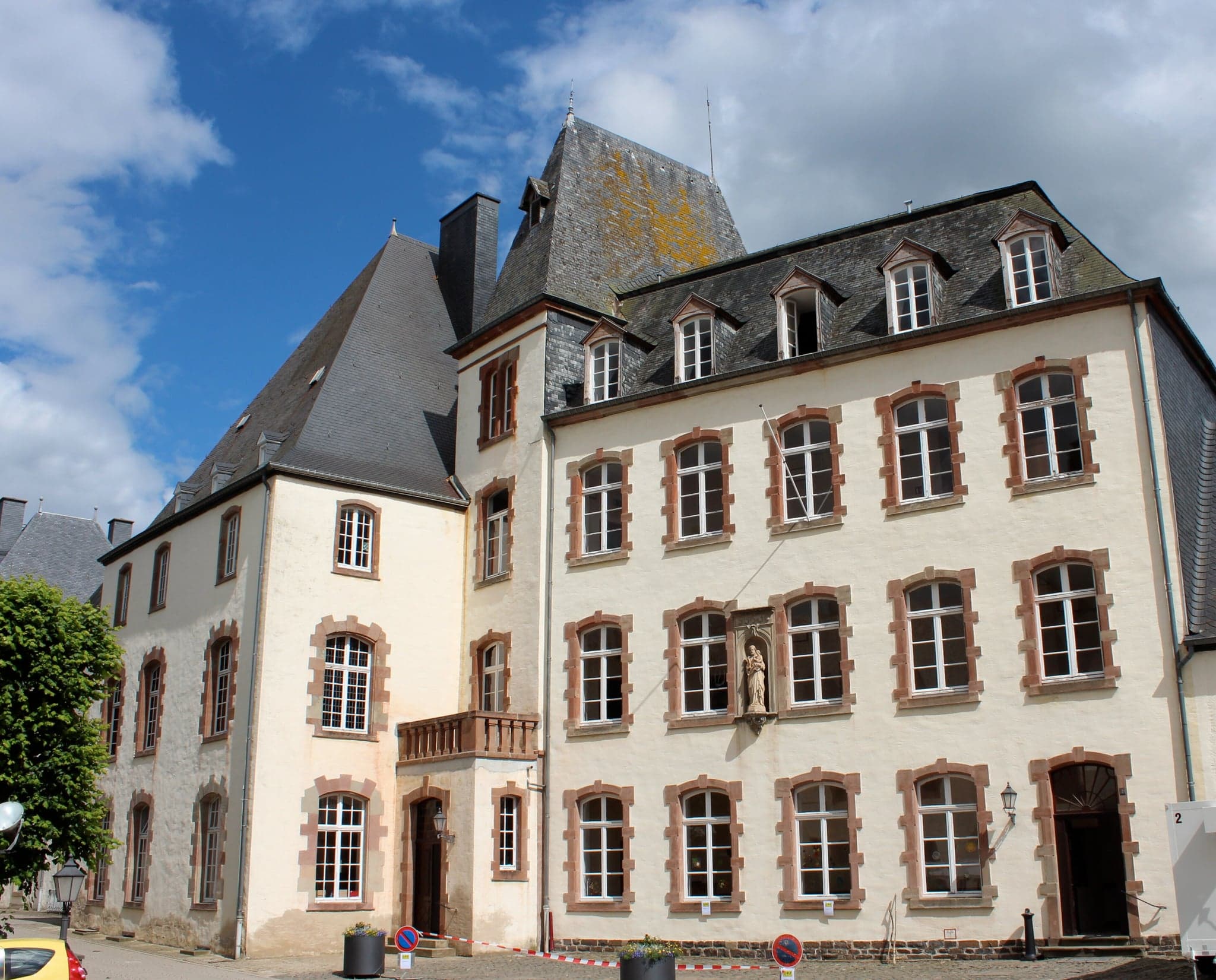
The most defining phase of Wiltz Castle's architectural history began in 1631 under the direction of Count John VI of Wiltz. This period marked the transition from a purely defensive fortress to a more refined Renaissance style residence. The new construction incorporated elements typical of the Renaissance movement, emphasizing symmetry, proportion, and the integration of aesthetic details alongside functional fortifications.
However, the progress of construction was interrupted by the Thirty Years War, a devastating conflict that affected much of Europe. Despite these delays, the main building was eventually completed around 1720. Subsequent enhancements included the completion of the old chapel in 1722 and the addition of a monumental staircase descending to the gardens in 1727, which contributed to the castle's elegant appearance and accessibility.

Photo by Zinneke • CC BY-SA 3.0 lu
Architectural features and layout
The castle complex is characterized by a blend of medieval and Renaissance architectural elements. The Witches' Tower remains a prominent medieval feature, while the main residential buildings exhibit Renaissance design principles. The castle's gardens and the grand staircase highlight the emphasis on landscape integration and formal approaches typical of the period.
The structural layout includes fortified walls, residential quarters, a chapel, and service buildings such as stables. The harmonious combination of defensive and residential architecture reflects the castle's evolution from a military fortress to a noble residence and cultural center.
Modern history and cultural significance
In the 20th century, Wiltz Castle underwent a transformation in its use and cultural role. Acquired by the State of Luxembourg in 1951, the castle was initially repurposed as an old people's home, demonstrating adaptability in its function. Since 1953, it has gained international recognition as the venue for the Wiltz International Music Festival, attracting renowned artists and orchestras, thereby enriching Luxembourg's cultural landscape.
Further cultural enrichment came with the establishment of museums within the castle precincts. The National Museum of Brewing, housed in the castle's stables since 1999, offers visitors an extensive overview of the history of beer production spanning over 6,000 years, with a special focus on Luxembourg's brewing heritage. Additionally, the Musée de la Tannerie presents the local leather industry's history, dating back to 1644, highlighting Wiltz's industrial past.
Visiting Wiltz Castle today
Today, Wiltz Castle is a well-preserved cultural monument that offers visitors a multifaceted experience combining history, architecture, and the arts. The castle's Renaissance architecture and medieval remnants provide a tangible connection to Luxembourg's past. The annual music festival and the museums housed within the castle attract a diverse audience, making it a vibrant center of heritage and cultural activity.
Visitors can explore the castle's interiors, including the chapel and grand halls, stroll through the formal gardens, and learn about the region's brewing and tanning history through the dedicated museums. The castle's location in the picturesque town of Wiltz also allows for exploration of the surrounding natural and urban landscapes.
Frequently asked questions (FAQ)
- When was Wiltz Castle originally built?
- Wiltz Castle was originally built in the 13th century by the Lords of Wiltz as a fortified stronghold on a rocky promontory.
- What architectural styles are represented at Wiltz Castle?
- Wiltz Castle features a blend of High Medieval fortifications and Renaissance architectural elements, especially from the 17th and early 18th centuries.
- What significant events affected Wiltz Castle in the medieval period?
- The castle was burned down by French forces in 1388 and attacked by Philip of Burgundy's troops in 1453, but it was repaired and remained strategically important.
- What cultural events take place at Wiltz Castle today?
- Since 1953, Wiltz Castle has hosted an international music festival attracting renowned artists and orchestras from around the world.
- What museums can be found at Wiltz Castle?
- The castle houses the National Museum of Brewing, showcasing 6,000 years of beer history, and the Musée de la Tannerie, which details the local leather industry's history.
Photo gallery


Information
Sources & official resources
Verify the information above using these authoritative references.
Loading map...
Visitor reviews
No reviews yet. Been here? Write the first review and help other travelers!
Write the first reviewVisited this castle? Share your experience
Your review helps other travelers and adds first-hand knowledge to our encyclopedia.