
Cyprus
The historical background and medieval period
Cyprus has a rich history shaped by its strategic location in the eastern Mediterranean, which made it a coveted prize for various empires and powers throughout the centuries. This historical significance is reflected in the island’s extensive heritage of castles and fortifications. The medieval period, spanning roughly from the 10th to the 16th century, was particularly formative in the construction and evolution of these defensive structures.
During the Byzantine era, Cyprus was subject to frequent raids and invasions, necessitating the development of robust fortifications. Later, the island came under the control of the Lusignan dynasty following the Third Crusade, marking a golden age in castle building. The Lusignans introduced Western European architectural influences, adapting them to local conditions and materials. This period saw the rise of some of the island's most iconic castles, which served both as military strongholds and administrative centers.
The arrival of the Venetians in the late 15th century brought further enhancements to Cyprus’s fortifications. Faced with the growing threat of Ottoman expansion, the Venetians focused on modernizing existing castles and building new bastioned fortresses designed to withstand artillery sieges, reflecting advances in military technology.
Continue reading below — scroll for the full article.
Castles in Cyprus
Discover 7 magnificent castles across the country



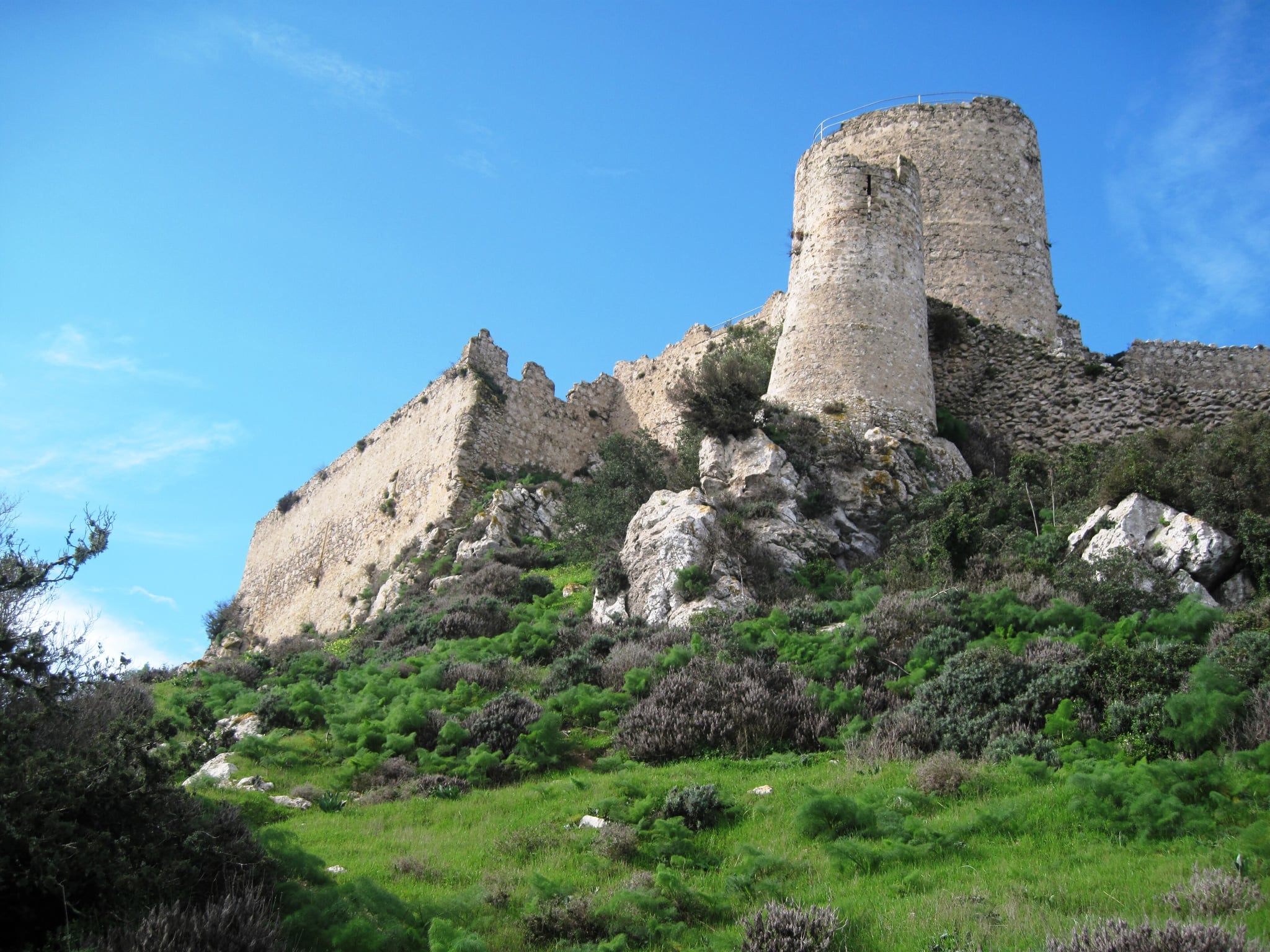



Types of fortifications in Cyprus
Cyprus boasts a diverse range of fortifications, including castles, fortresses, city walls, and watchtowers. Each type served a specific function in the island’s defensive network and showcases different architectural solutions to military challenges.
Castles and fortresses
Castles in Cyprus were primarily built as residences for nobility and as military bases. They often feature thick stone walls, towers, and fortified gates. The Kyrenia Castle, located on the northern coast, exemplifies this type. Originally a Byzantine fortification, it was later expanded by the Lusignans and Venetians, combining medieval and Renaissance architectural elements.
Fortresses, such as the imposing Famagusta walls, surrounded entire cities rather than just individual estates. These extensive fortifications incorporated multiple layers of defense, including moats, bastions, and ramparts, designed to protect the urban population from sieges and attacks.
Defensive walls and watchtowers
City walls are another significant component of Cyprus’s defensive heritage. Major cities like Nicosia and Famagusta were encircled by massive walls that created formidable barriers against invaders. The Venetian walls of Nicosia, built in the 16th century, stand out for their star-shaped design, which was innovative in countering cannon fire.
In addition to large-scale fortifications, numerous watchtowers and smaller forts were scattered across the island’s coastlines and mountainous regions. These structures served as early warning systems against pirate raids and invasions, linking through visual signals to larger forts and castles.
Architectural styles and influences
The architecture of Cyprus’s medieval castles reflects a confluence of styles influenced by the island’s varied rulers and its geographical position at the crossroads of Europe and Asia.
Byzantine foundations
Many castles began as Byzantine forts, characterized by simple, functional designs with heavy masonry and rectangular towers. These early structures prioritized defense over aesthetics, often using local limestone and built on elevated ground to maximize surveillance.
Lusignan and gothic features
The Lusignan period introduced Gothic architectural elements, including pointed arches, ribbed vaults, and ornate stone carvings. The castle of Kolossi near Limassol is a prime example, showcasing elegant fortification walls alongside a refined interior chapel reflecting Western European tastes.
Venetian adaptations
Venetian architects adapted fortifications to resist artillery, incorporating angled bastions and thicker walls to absorb cannon fire. The walls of Famagusta and Nicosia demonstrate this evolution, combining military innovation with aesthetic considerations, such as decorative coats of arms and inscriptions.
Regional variations in castle heritage
Cyprus’s fortifications vary across regions, shaped by geographical, political, and cultural factors. Coastal areas tend to have more extensive fortifications due to the threat of maritime attacks, while inland castles often served as feudal centers.
Northern coast
The northern coast, historically vulnerable to invasions from the sea, hosts some of the best-preserved castles like Kyrenia Castle. Its position overlooking the harbor allowed it to control maritime traffic and serve as a naval base.
Southern and western regions
The southern coast features castles such as Kolossi and Limassol Castle, which were strategically placed along trade routes and near fertile agricultural lands. These castles often combined military functions with roles as administrative hubs.
Interior and mountainous areas
Inland castles tend to be smaller but strategically situated on hills or mountain passes. These fortifications provided refuge for local populations and controlled important land routes. They also served as symbols of feudal authority in more remote regions.
Notable periods of castle construction
The construction of castles in Cyprus can be broadly divided into several notable periods, each reflecting contemporary military, political, and technological realities.
Byzantine era (up to 1191)
During the Byzantine era, fortifications were primarily built or refurbished to protect against Arab raids. These early castles laid the groundwork for later expansions and were typically modest in scale.
Lusignan period (1192–1489)
Following the island’s acquisition by the Lusignans, there was a significant boom in castle building. This period saw the construction of major castles like Kyrenia and Kolossi, reflecting the importation of Western military architectural concepts adapted to the Mediterranean environment.
Venetian rule (1489–1571)
The Venetians focused on strengthening urban defenses due to the rising threat of the Ottoman Empire. They modernized existing fortifications with bastions and artillery platforms, exemplified by the walls of Nicosia and Famagusta, which remain prominent landmarks today.
Preservation and current state of cyprus’s castles
Many of Cyprus’s medieval castles have survived in various states of preservation. Some, like Kyrenia Castle, have been extensively restored and now function as museums, offering insight into their architectural and historical significance.
Others, such as Kolossi Castle, remain largely intact and accessible, though some smaller fortifications have suffered from neglect or environmental damage. Efforts by local authorities and international organizations aim to protect and restore these sites, recognizing their value as cultural heritage.
Periodic archaeological excavations and conservation projects continue to enhance understanding of Cyprus’s fortifications, ensuring that they remain a vital part of the island’s historical landscape.
Castle tourism and accessibility
Cyprus’s castles are popular tourist destinations, drawing visitors interested in history, architecture, and scenic views. Many castles are open to the public, equipped with informative displays and guided tours that enrich the visitor experience.
The accessibility of castles such as Kyrenia, Kolossi, and the Venetian walls of Nicosia has been improved through infrastructure development, making them central attractions within broader cultural itineraries. These sites contribute significantly to the local economy and promote awareness of Cyprus’s medieval heritage.
Additionally, cultural events and reenactments held at some castles help bring history to life, engaging both residents and tourists in the island’s storied past.
Cultural significance and heritage
The castles and fortifications of Cyprus hold deep cultural significance, symbolizing the island’s resilience and complex history of conquest and coexistence. They embody the legacy of diverse civilizations, including Byzantine, Frankish, and Venetian influences, all of which have left their mark on the island’s identity.
These structures serve not only as reminders of military and political struggles but also as centers of cultural exchange and artistic expression. Their preservation sustains a tangible connection to Cyprus’s medieval past and fosters a sense of shared heritage among the island’s communities.
In contemporary Cyprus, castles continue to inspire literature, art, and folklore, underscoring their enduring role in shaping local traditions and national pride.
Castle Locations in Cyprus
Explore all castle locations on an interactive map
Loading castle locations...