Kantara Castle
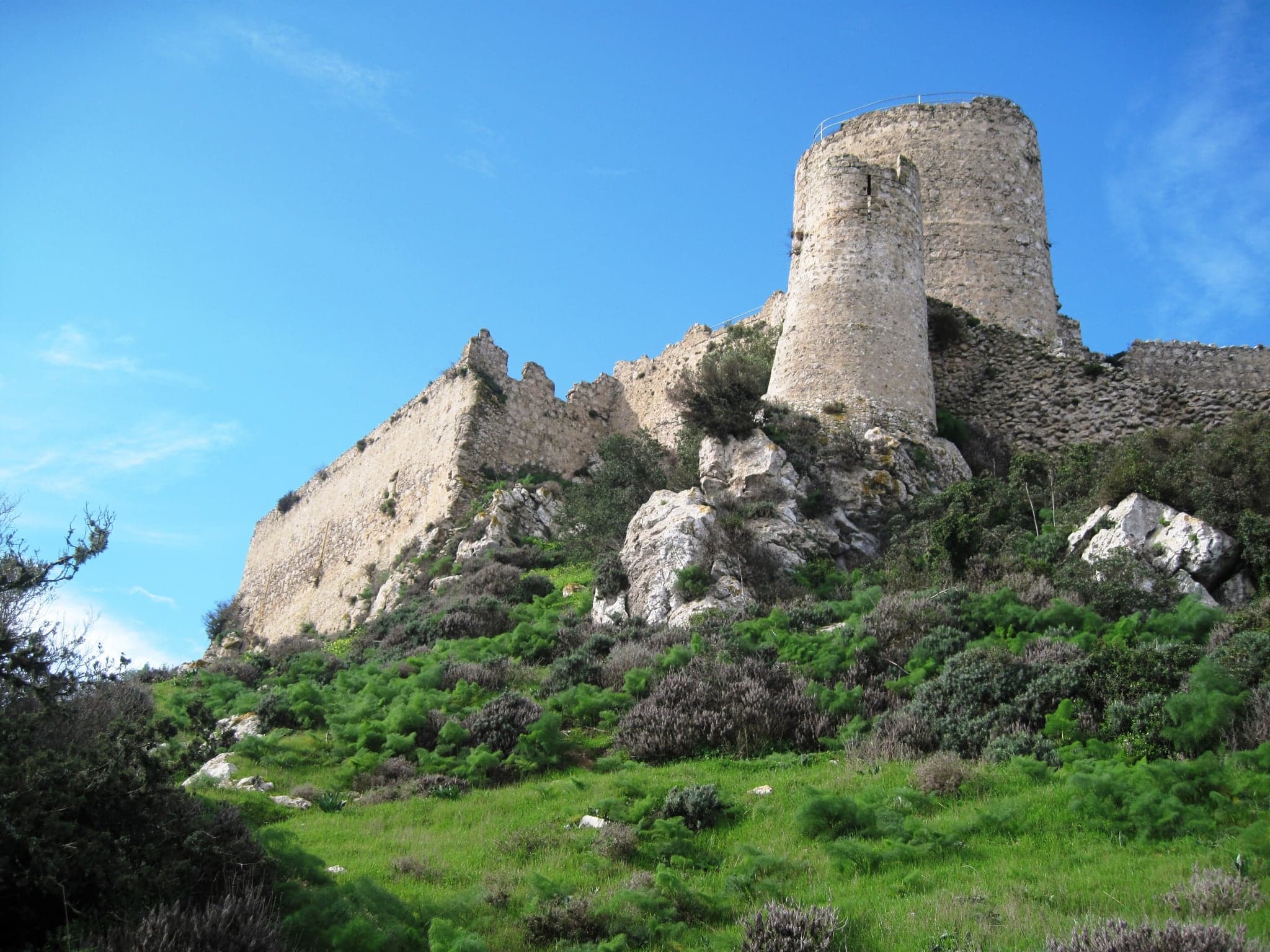
Kantara Castle is a striking example of a Byzantine hill fortress located in the rugged terrain of northeastern Cyprus. Perched high above the surrounding landscape, it commands sweeping views of the Kyrenia mountain range and the Mediterranean coast. This strategic location made Kantara an essential defensive stronghold throughout its history, particularly during the medieval period when control of Cyprus was contested among various powers. The castle's origins are somewhat obscure, but it is widely believed to have been constructed by the Byzantines in the late 10th century, following the cessation of frequent Arab raids on the island.
The early history and Byzantine origins
Very little concrete evidence survives regarding the earliest phase of Kantara Castle. No architectural remains or contemporary records definitively date the initial construction, but historical consensus places its establishment in the aftermath of the Arab-Byzantine conflicts that plagued Cyprus until the late 10th century. The castle was likely built as part of a network of fortifications intended to secure the island's northeastern approaches and protect against further incursions.
The first documented mention of Kantara Castle appears in 1191 during the Third Crusade, when the English King Richard the Lionheart captured Cyprus from the Byzantine-affiliated rulers. The castle gained historical prominence as the refuge of Isaac Commenos, a self-proclaimed king who sought sanctuary there before surrendering to Richard. This event marks the beginning of Kantara's recorded medieval history.
Medieval transformations under the Lusignans
Following the Crusader conquest, the Lusignan dynasty assumed control of Cyprus and undertook significant remodeling of Kantara Castle during the 13th century. The Lusignans enhanced the fortress's defensive capabilities, adapting it to the evolving military technologies and threats of the period. The castle's robust hilltop position was complemented by strengthened walls, towers, and gatehouses designed to withstand siege warfare.
Throughout the subsequent centuries, Kantara Castle played a crucial role as a refuge for various nobles, including defeated barons and displaced kings. Its formidable defenses ensured it remained a stronghold even as political fortunes shifted. Notably, during the Genoese invasion of Cyprus in 1373, when key cities such as Famagusta and Nicosia fell, Kantara was one of the few fortresses that resisted capture, remaining loyal to the Lusignan king.
The tale of Prince John’s daring escape
Kantara Castle is also famed for the daring escape of Prince John, the king's brother, who fled to the fortress disguised as a cook following his capture by the Genoese. According to tradition, Prince John was imprisoned in irons in Famagusta but managed to escape with the help of his loyal servant. Disguised as a scullion, he wore an old cooking pot on his head and carried a frying pan, purportedly to be re-tinned, successfully evading his captors and reaching the safety of Kantara.

Photo by George Groutas from Idalion, Cyprus • CC BY 2.0
Later fortifications and Venetian period
After the Genoese threat subsided and peace was established, Kantara Castle underwent further fortification to reinforce its defensive structures. Most of the surviving architectural features visible today date from this phase of enhancement, reflecting the Lusignan and early Venetian efforts to maintain the castle's military relevance.
When the Venetians took control of Cyprus in 1489, Kantara continued to serve as an important garrison. However, the advent of gunpowder artillery and changing military strategies led the Venetians to focus their defensive investments on coastal fortresses such as Kyrenia, Famagusta, and the capital Nicosia. Consequently, Kantara's strategic importance diminished over time.
Decline and abandonment
The castle was officially abandoned in 1525, although records indicate it remained fortified as late as 1529. By 1562, documents describe Kantara Castle as being in ruins, marking the end of its active military use. Today, the castle stands as a ruin, evocative of its layered history and the many conflicts that shaped Cyprus during the medieval period.
Architectural features and layout
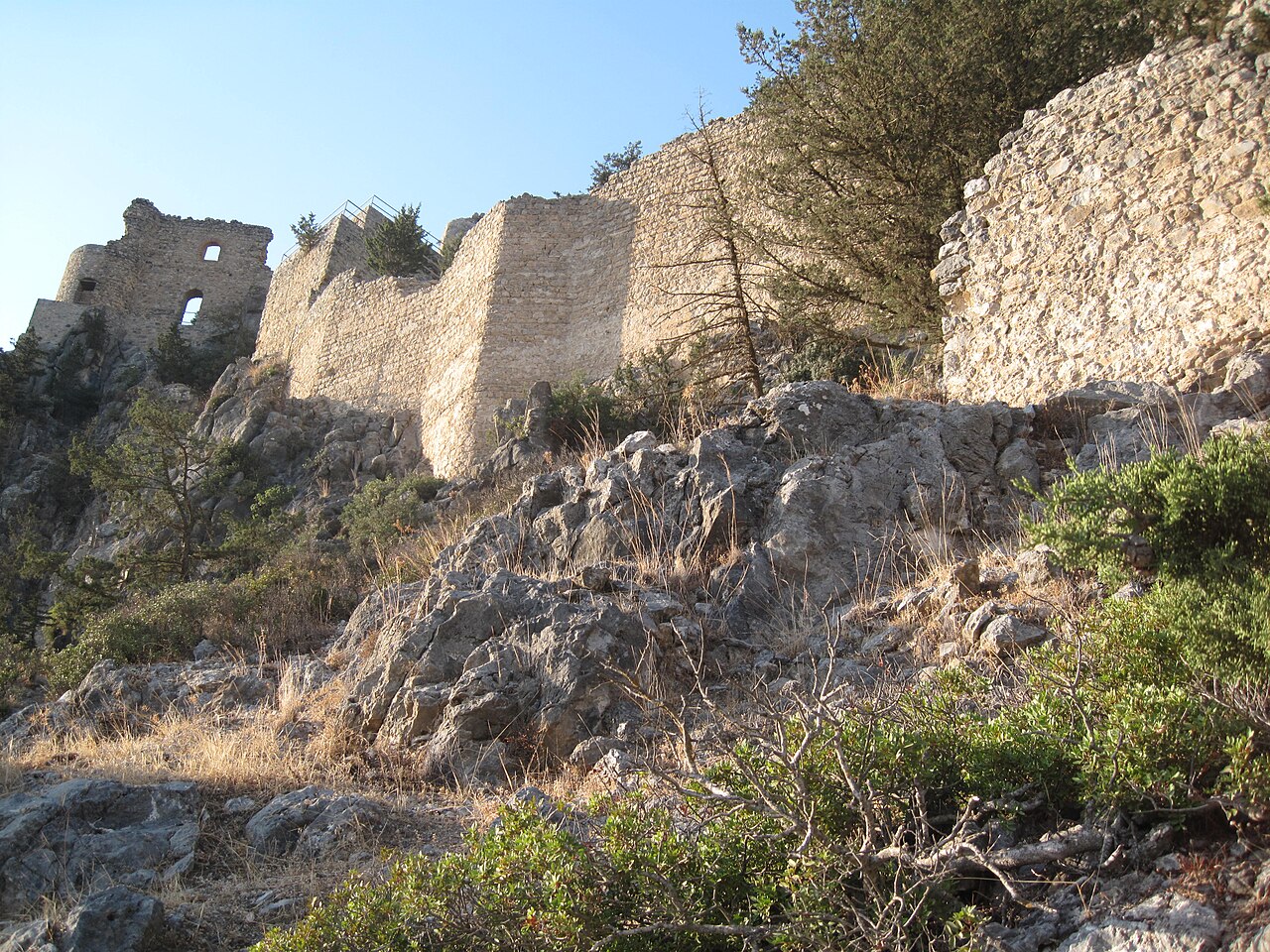
Kantara Castle is a classic example of a hill castle, strategically situated on a rocky outcrop to maximize natural defenses. The castle's design incorporates multiple defensive walls, towers, and a central keep, adapted and expanded over centuries to meet the demands of evolving warfare. The rugged terrain around the castle adds to its defensive advantages, making it difficult to assault.
The surviving ruins reveal a complex layout with curtain walls enclosing a series of courtyards, gatehouses, and living quarters. The masonry work reflects the various phases of construction, from Byzantine foundations to Lusignan and Venetian modifications. Although much of the original structure has been lost to time, the remaining walls and towers provide valuable insights into medieval military architecture on Cyprus.
Visiting Kantara Castle today
Today, Kantara Castle is a popular destination for visitors interested in medieval history and castle architecture. Its elevated position offers breathtaking panoramic views of the surrounding mountains and coastline, making it a favored spot for photographers and hikers alike. The castle's ruins invite exploration, allowing visitors to imagine the turbulent history that unfolded within its walls.
While the site is in ruins, efforts have been made to preserve its remaining structures and provide interpretive information for tourists. Visitors should be prepared for uneven terrain and limited facilities, but the historical significance and scenic setting make Kantara Castle a rewarding experience for those interested in Cyprus's rich medieval heritage.
Frequently asked questions (FAQ)
- What is the historical significance of Kantara Castle?
- Kantara Castle is a significant medieval fortress located on the eastern side of Cyprus, built by the Byzantines in the 10th century. It played a crucial role in defending the island against various invasions and has a rich history tied to the Frankish and Venetian periods. The castle's strategic location offers stunning views of the surrounding landscape and the Mediterranean Sea.
- When was Kantara Castle built?
- Kantara Castle was constructed in the 10th century during the Byzantine period. It was later fortified and expanded by the Lusignans in the 12th century, enhancing its defensive capabilities. The castle has endured through centuries of conflict and change, making it a fascinating historical site.
- What are the opening hours of Kantara Castle?
- Kantara Castle is typically open to visitors from 9:00 AM to 5:00 PM, though hours may vary based on the season. It is advisable to check the official website or local sources for the most current information before planning your visit. Be sure to allow enough time to explore the castle and its surroundings.
- Can I visit Kantara Castle year-round?
- Yes, Kantara Castle is open to visitors throughout the year, making it a great destination regardless of the season. However, it is important to consider the weather conditions, as the summer months can be quite hot. Spring and autumn are often recommended for a more comfortable visiting experience.
- Is there an admission fee to enter Kantara Castle?
- Yes, there is a small admission fee to enter Kantara Castle, which helps maintain the site. The ticket prices are generally affordable, making it accessible to many visitors. Discounts may be available for students, seniors, or groups, so be sure to inquire when purchasing your ticket.
- How do I get to Kantara Castle?
- Kantara Castle can be reached by car, and it is located approximately 30 kilometers from Famagusta. There are also local bus services that can take you close to the castle. Make sure to follow the signs leading to the castle for an easy journey.
- What nearby attractions can I visit while at Kantara Castle?
- While visiting Kantara Castle, you can explore nearby attractions such as the ancient city of Salamis and the scenic Karpaz Peninsula. Additionally, the charming village of Karpaz offers local culture and beautiful landscapes. Combining these sites will enrich your experience in the region.
- What is the best time to visit Kantara Castle?
- The best time to visit Kantara Castle is during the spring (March to May) and autumn (September to November) months when the weather is mild and pleasant. These seasons offer ideal conditions for exploring the castle and its surroundings without the intense heat of summer. Additionally, the blooming flora in spring enhances the scenic beauty of the area.
- Is Kantara Castle accessible for all visitors?
- Kantara Castle has some accessible pathways, but due to its historical structure and terrain, certain areas may be challenging for visitors with mobility impairments. It is recommended to wear comfortable shoes and be prepared for some uneven surfaces. If you have specific accessibility needs, contacting the site in advance may provide more tailored information.
Photo gallery


Information
Loading map...
Visitor reviews
No reviews yet. Been here? Write the first review and help other travelers!
Write the first reviewVisited this castle? Share your experience
Your review helps other travelers and adds first-hand knowledge to our encyclopedia.