
Belgium
Historical background and medieval period
Belgium's castle heritage is deeply rooted in its turbulent medieval past, shaped by its strategic position in Europe. Throughout the Middle Ages, this region was a crossroads of political power, trade, and military conflict, which led to the widespread construction of castles and fortifications. These structures served as defensive strongholds, noble residences, and administrative centers, reflecting the shifting control among feudal lords, dukes, and foreign rulers.
During the medieval period, the territory that is now Belgium was divided into several duchies and counties, each governed by local nobility who built castles to assert control and protect their lands. The growth of trade cities further necessitated fortified walls and defensive constructions. The legacy of these medieval fortifications remains visible today, offering a window into the region’s feudal society and military architecture.
Continue reading below — scroll for the full article.
Castles in Belgium
Discover 68 magnificent castles across the country







Types of fortifications in Belgium
Belgium boasts a diverse array of fortifications ranging from imposing medieval castles to extensive city walls and later bastion forts. The primary types include:
- Medieval castles: These were often stone-built residences with keeps, curtain walls, and moats, designed to withstand sieges and assert feudal authority.
- Fortresses: Larger military complexes built or modernized in the early modern period, particularly during the Renaissance and later under the influence of Vauban-style fortifications.
- Defensive walls and city ramparts: Many Belgian cities, such as Ghent and Bruges, constructed extensive walls to protect against invasions and raids.
- Bastion forts: From the 16th century onwards, fortifications evolved to incorporate angular bastions and star forts to better resist artillery, as seen in places like Namur.
This variety reflects Belgium’s long history of military innovation and adaptation to changing warfare technologies.
Architectural styles and influences
The architecture of Belgian castles and fortifications reveals a rich blend of styles influenced by regional traditions and broader European trends. Early medieval castles were predominantly Romanesque, featuring thick walls, narrow windows, and simple, robust forms. As Gothic architecture became prevalent, castles incorporated more decorative elements such as pointed arches, larger windows, and intricate stonework.
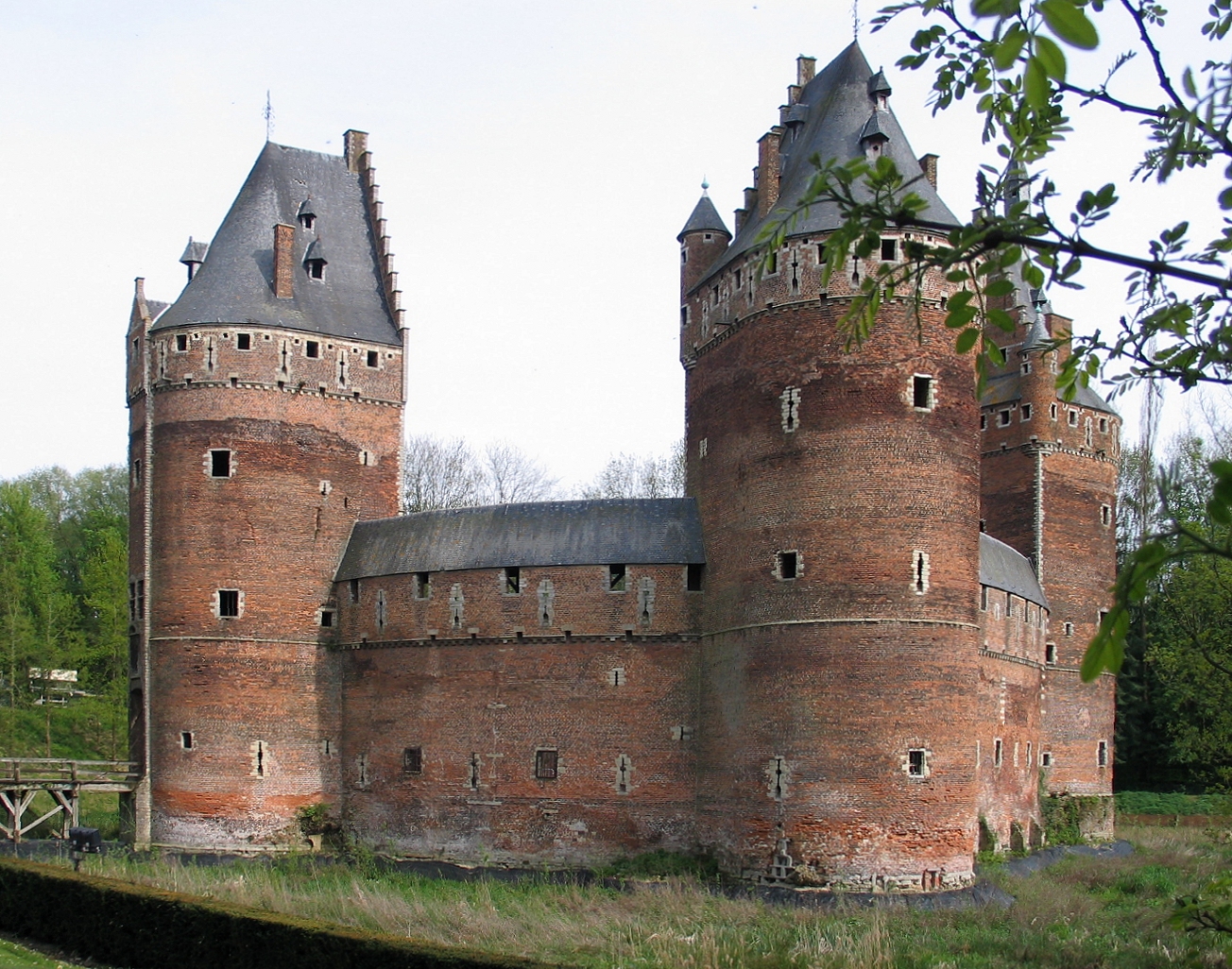
The Renaissance brought a shift towards comfort and aesthetics, with castles adopting Renaissance motifs and more elaborate living quarters. The Château de Beersel, near Brussels, is an excellent example of a well-preserved medieval moated castle exhibiting late Gothic features.
In the 17th and 18th centuries, military architecture saw the introduction of star-shaped bastions and angular fortifications, emphasizing functionality against artillery attacks. The citadel of Namur exemplifies this style, showcasing sophisticated bastion designs and layered defenses.
Regional variations in castle heritage
Flemish region
In Flanders, the castle tradition is closely tied to the prosperous medieval cities and wealthy nobility. Castles here often combined military and residential functions, with some evolving into grand country estates. The region’s flat landscape encouraged the construction of moated castles, such as the imposing Gravensteen Castle in Ghent, which served as a stronghold and symbol of feudal power.
Walloon region
The Walloon region, characterized by its hilly terrain and forests, features castles often situated on elevated sites for strategic advantage. These castles tend to emphasize defense, with thick walls and natural barriers. The medieval Château de Bouillon is one of the most iconic examples, perched on a rocky outcrop overlooking the Semois River, reflecting its military importance throughout history.
Brussels-capital region
Though smaller in size, the Brussels region possesses several noteworthy castles and fortified residences that highlight the area's political and cultural significance. The Château of Laeken, now the official residence of the Belgian royal family, illustrates the evolution from medieval fortification to stately home, blending historical architecture with modern adaptations.
Notable periods of castle construction
The initial surge in castle building in Belgium occurred during the 11th to 13th centuries, coinciding with the consolidation of feudal authority and frequent regional conflicts. This period produced many of the stone castles with keeps and curtain walls still visible today.
The 14th and 15th centuries witnessed further development as castles were expanded and reinforced to cope with advances in siege technology. During this time, many castles incorporated towers, gatehouses, and improved living quarters.
From the 16th century onward, the rise of gunpowder weaponry necessitated a transformation in fortification design. The construction of bastion forts and citadels marked a new era in military architecture, with notable examples such as the citadels of Namur and Huy.
Preservation and current state
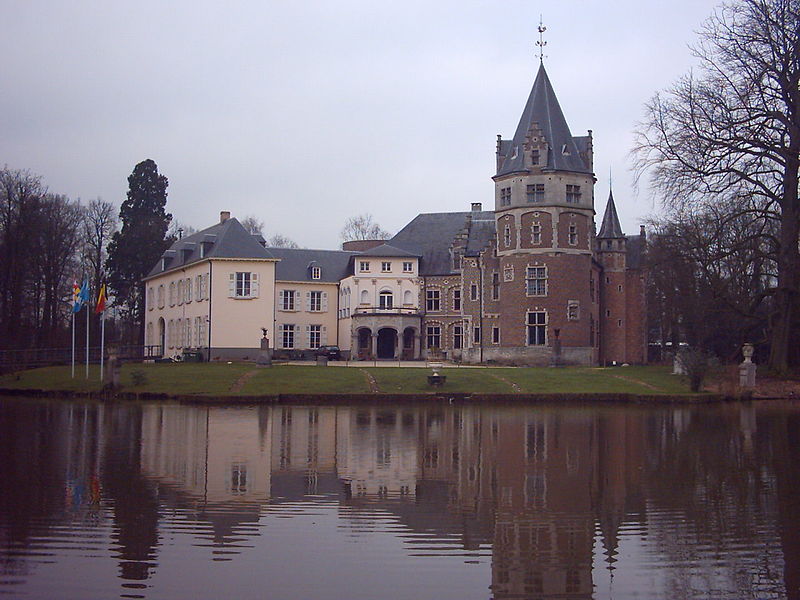
Many of Belgium’s castles and fortifications have survived in remarkable condition, while others remain as ruins that offer valuable archaeological insights. Efforts to preserve these sites have increased significantly over the past century, supported by government initiatives and heritage organizations. Some castles have been restored and adapted for modern uses, including museums, cultural centers, or private residences.
However, preservation remains a challenge due to the cost of maintenance and the effects of weathering. Sites like Gravensteen Castle in Ghent have benefited from extensive restoration, allowing visitors to experience the medieval atmosphere, while others continue to face threats from urban development and neglect.
Castle tourism and accessibility
Belgium’s rich castle heritage makes it a popular destination for cultural tourism. Many castles are open to the public, offering guided tours, exhibitions, and events that highlight their historical significance. The Château de Bouillon attracts thousands of visitors annually, drawn by its dramatic location and well-preserved fortifications.
Tourism infrastructure around these sites is well-developed, with visitor centers, interpretive signage, and accessible pathways. Some castles host medieval reenactments, festivals, and educational workshops, enhancing the visitor experience and fostering appreciation of Belgium’s heritage.
Cultural significance and heritage
Castles and fortifications in Belgium are more than historical monuments; they embody the country’s complex history and cultural identity. They represent the legacy of feudal society, military innovation, and artistic achievement. These structures have inspired literature, art, and folklore, contributing to Belgium’s rich cultural tapestry.
Preserving and promoting these sites is vital for maintaining a connection to the past and educating future generations. The castles continue to serve as symbols of resilience and continuity, reflecting the diverse influences that have shaped Belgium over centuries.
Castle Locations in Belgium
Explore all castle locations on an interactive map
Loading castle locations...