Beauvoorde Castle
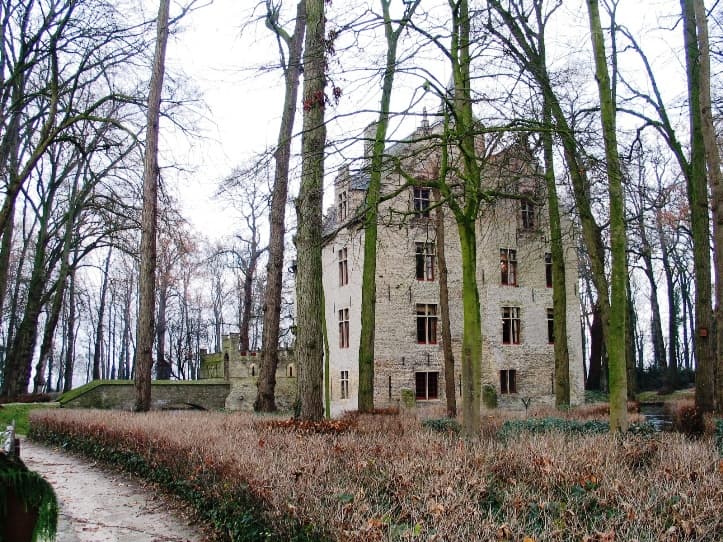
Beauvoorde Castle, locally known as Kasteel Beauvoorde, is a remarkable example of a Flemish Renaissance water castle situated in the village of Wulveringem, within the municipality of Veurne in the province of West Flanders, Belgium. This castle uniquely blends medieval origins with extensive 17th-century rebuilding and 19th-century restoration, making it a significant cultural and architectural heritage site in the Flemish region.
The earliest known mention of the estate dates back to 1408, when Jan de Valuwe was recorded as its owner, marking Beauvoorde's importance as a feudal holding in the medieval landscape of the region. Originally, the site hosted a non-fortified mansion dating from the 12th century. However, during the Eighty Years’ War, the castle suffered devastating damage when it was set ablaze by the Geuzen (Dutch rebels) in 1584, leading to the destruction of much of the original structure.
Rebuilt in the Flemish renaissance style
Following this destruction, the castle was comprehensively rebuilt around 1600 by Jacob de Bryarde, the bailiff of Veurne, who commissioned the architect Sylvain Boullain to design the new residence in the Flemish Renaissance architectural style. This style is characterized by its ornate brickwork, stepped gables, and decorative stone elements, which are evident in Beauvoorde’s elegant facades and structural details. The castle’s layout as a water castle with surrounding moats was typical of the period, serving both defensive and status purposes.
The Bryarde family maintained ownership of Beauvoorde Castle for over two centuries, with the last family member, Charles de Bryarde, residing there until the early 19th century. By then, the castle had declined in status and function, being converted into a castle farm and later a simple farmstead, which led to its gradual dilapidation.
19th-century restoration and expansion by Arthur Merghelynck
In 1875, the castle was purchased by Arthur Merghelynck, a young esquire and a distant descendant of the Bryarde family through his mother. Merghelynck was a passionate historian and collector who undertook an extensive restoration and enlargement project over the next two decades. Collaborating with Jozef Vinck, the city architect of Veurne, he rebuilt and enhanced the castle, carefully blending historical accuracy with his vision of 17th-century grandeur.
The interior was richly decorated with a combination of authentic and replica 17th-century furniture, tapestries, and decorative arts, creating a lavish atmosphere that reflected the castle’s historical significance. Merghelynck also designed a Franco-English style garden on the estate, which combined formal French garden elements with the naturalistic English landscape style, a fashionable trend in 19th-century aristocratic estates.
Despite his noble ambitions, Merghelynck’s marriage to a farmer’s daughter estranged him from his family, and the couple remained childless. In 1905, he bequeathed Beauvoorde Castle to the Royal Academy of Dutch Language and Literature (KANTL), ensuring its preservation and cultural function. After his death in 1908, his widow lived in the castle until 1941, after which the estate passed to the academy as intended.
Architectural features and historical significance
Beauvoorde Castle’s architecture is a testament to its layered history. The surviving masonry from before the 1584 fire is integrated into the Renaissance reconstruction, offering a tangible link to its medieval past. The moats and water defenses remain defining features, emphasizing its classification as a water castle rather than a typical hill or lowland castle.
The castle’s facades showcase characteristic Flemish Renaissance elements such as stepped gables, ornamental brickwork, and stone-framed windows. Inside, the rooms are intimate and cozy, reflecting the scale of a noble residence rather than a large fortress. The 19th-century restoration introduced decorative features and furnishings that evoke the 17th century, blending historical authenticity with romanticized revivalism.
The garden and landscape
The Franco-English garden designed by Merghelynck is an integral part of the castle’s heritage. It combines the symmetry and order of French formal gardens with the picturesque, naturalistic style of English landscaping. This hybrid garden enhances the aesthetic appeal of the estate and provides visitors with a serene environment that complements the castle’s historical ambiance.
Modern stewardship and public access
Declared a protected monument in 1987, Beauvoorde Castle is currently managed by Herita, the Flemish heritage organization responsible for preserving and promoting historic sites. Ownership transferred from the Belgian State to the Flemish Community in 2003, ensuring regional stewardship aligned with cultural preservation goals.
Today, Beauvoorde Castle operates as a museum open to the public for a fee. Visitors can explore its richly decorated interiors, admire the architectural details, and enjoy the peaceful gardens. The castle offers guided tours supported by audio guides, enhancing the visitor experience by providing historical context and architectural insights.
Nearby attractions include Torreelen Castle, adding to the cultural tourism appeal of the region. Beauvoorde’s relatively small rooms and corridors create an intimate atmosphere, making it a charming destination for those interested in Flemish history, Renaissance architecture, and heritage preservation.
Frequently asked questions (FAQ)
- How do I get to Beauvoorde Castle?
- Beauvoorde Castle is located in Wulveringem, Belgium, and is easily accessible by car or public transport. If you're driving, you can follow the local road signs from nearby cities like Bruges or Ypres. For public transport, check local train and bus schedules that connect to Wulveringem.
- What is the historical significance of Beauvoorde Castle?
- Beauvoorde Castle dates back to the 13th century and is a remarkable example of medieval architecture in Belgium. It was originally built as a defensive structure and later transformed into a residence for nobility. The castle's rich history includes various ownerships and restorations, reflecting the architectural evolution over the centuries.
- When was Beauvoorde Castle last renovated?
- The last significant renovations of Beauvoorde Castle took place in the late 20th century, restoring its original features while ensuring the preservation of its historical integrity. These efforts were aimed at maintaining the castle as a cultural heritage site and making it accessible to the public. The ongoing maintenance helps to keep the castle in good condition for visitors.
- Can I visit Beauvoorde Castle year-round?
- Yes, Beauvoorde Castle is open to visitors throughout the year, but it's best to check their official website for specific opening hours and any seasonal changes. Guided tours are often available, providing a more in-depth experience of the castle's history and architecture. Planning your visit during the warmer months can enhance your experience with the beautiful gardens.
- Why is Beauvoorde Castle considered an architectural gem?
- Beauvoorde Castle is celebrated for its unique blend of Gothic and Renaissance architectural styles, showcasing impressive stonework and intricate details. The castle's moat, towers, and fortified walls contribute to its picturesque appearance and historical significance. Its well-preserved condition allows visitors to appreciate the craftsmanship of the era.
- Is it possible to host events at Beauvoorde Castle?
- Yes, Beauvoorde Castle offers facilities for hosting various events, including weddings, corporate gatherings, and private celebrations. The enchanting setting provides a memorable backdrop for any occasion. It is advisable to contact the castle management for specific details, availability, and booking arrangements.
- What are the ticket prices for visiting Beauvoorde Castle?
- Ticket prices for Beauvoorde Castle vary depending on age and group size, with discounts often available for children, students, and seniors. It is recommended to check the official website for the latest pricing information and any special offers. Purchasing tickets in advance may also help secure your preferred visit time.
- What are the opening hours for Beauvoorde Castle?
- Beauvoorde Castle typically opens its doors to visitors from Tuesday to Sunday, with varying hours depending on the season. During peak tourist seasons, the castle may extend its hours to accommodate more visitors. Always verify the current opening hours on the official website before your visit to avoid any inconvenience.
- Are there any nearby attractions to visit after Beauvoorde Castle?
- Yes, there are several attractions near Beauvoorde Castle, including the charming town of Wulveringem and the historic city of Ypres, known for its World War I memorials. Visitors can also explore local museums, parks, and other castles in the region. Combining these sites with your castle visit can enrich your experience of Belgian history and culture.
Photo gallery

Information
Website
Visit websiteSources & official resources
Verify the information above using these authoritative references.
Loading map...
Visitor reviews
No reviews yet. Been here? Write the first review and help other travelers!
Write the first reviewVisited this castle? Share your experience
Your review helps other travelers and adds first-hand knowledge to our encyclopedia.