
Ireland
Historical background and medieval period
Ireland's castle heritage reflects a rich tapestry of social, political, and military developments spanning centuries. From the early medieval period to the Tudor conquest, fortifications played a critical role in the island's turbulent history. The introduction of castles in Ireland began primarily in the 12th century following the Norman invasion of 1169, marking a significant shift in defensive architecture and territorial control.
Before the arrival of the Normans, Irish fortifications were mainly earthen raths and crannogs, which were less durable and more vulnerable than stone structures. The Normans brought with them the tradition of stone castles, which were strategically placed to consolidate power and defend against rival clans and later English forces. These castles became focal points of administration and military strength.
Throughout the medieval period, castles were continually adapted to meet evolving military technologies and political needs. They served not only as fortresses but also as residences for lords and seats of local governance, contributing to Ireland’s layered cultural heritage.
Continue reading below — scroll for the full article.
Castles in Ireland
Discover 1600 magnificent castles across the country



Types of fortifications in ireland
The variety of fortifications across Ireland illustrates the island’s complex defensive needs and architectural evolution. The primary categories include medieval castles, tower houses, ringforts, and defensive walls.
Medieval stone castles
Norman stone castles such as Trim Castle represent the classic example of early medieval military architecture. These large, imposing fortresses often featured curtain walls, gatehouses, and keeps. Trim Castle, located in County Meath, is one of the largest Anglo-Norman castles in Ireland and showcases the typical concentric design aimed at layered defense.
Tower houses
From the 15th to 17th centuries, tower houses became widespread across Ireland. These smaller, vertical stone structures served as fortified residences for Gaelic lords and Anglo-Irish families. Tower houses were easier to build and maintain compared to large castles, and many survive today, dotting the rural landscape.
Ringforts and earlier fortifications
Pre-Norman fortifications include ringforts (raths) and crannogs, which were circular earthworks or artificial islands used primarily for defense and habitation. Although not castles in the strict sense, these structures form an integral part of Ireland’s defensive heritage, particularly in the early medieval period.
Defensive walls and town fortifications
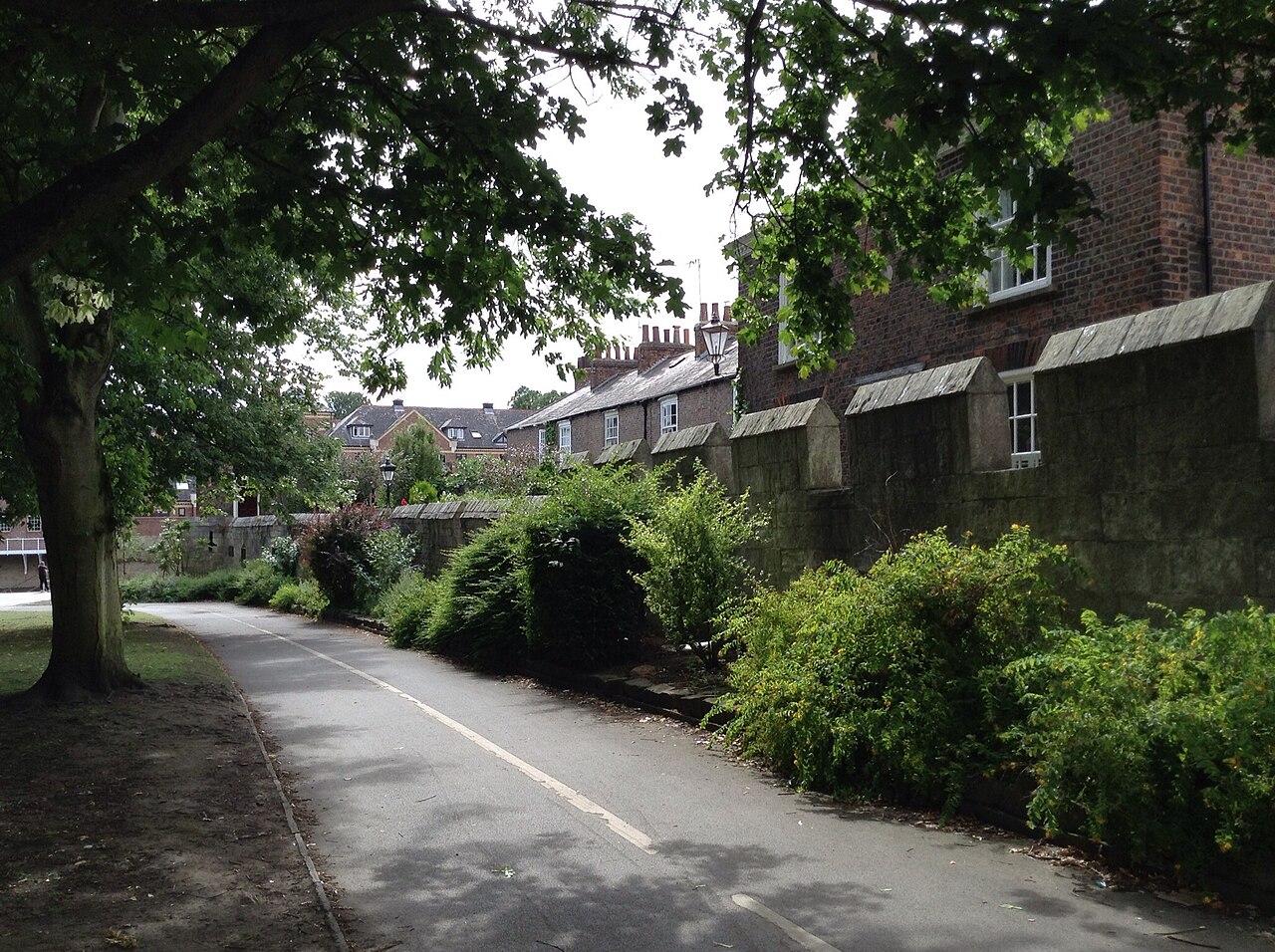
Several Irish towns such as Kilkenny and Derry are known for their medieval defensive walls, which protected inhabitants from both military incursions and raiding parties. These walls often enclosed entire towns and included towers, gates, and battlements, reflecting urban defensive strategies.
Architectural styles and influences
Irish castles display a fascinating blend of architectural styles influenced by Norman, Gaelic, and later English designs. These styles evolved in response to technological changes and the shifting political landscape.
Norman military architecture
The Normans introduced the motte-and-bailey design initially, evolving into robust stone keeps and concentric castles. Structures like Trim Castle illustrate the adoption of continental European defensive features, including thick curtain walls and moats. The emphasis was on strongholds capable of withstanding sieges.
Gaelic tower houses
Gaelic Irish families favored the tower house style from the late medieval period. These tall, narrow stone buildings featured thick walls, narrow slit windows for archery, and machicolations for defense. Examples such as Leap Castle emphasize the blend of functionality and local craftsmanship.
Tudor and elizabethan influences
During the 16th and early 17th centuries, English influence introduced new architectural elements, including improved artillery defenses and more comfortable living quarters. Castles like Bunratty Castle exhibit fortified yet residential characteristics, marking the transition from purely military use to status symbols and administrative centers.
Regional variations in castle heritage
Castle architecture varies significantly across Ireland’s provinces, reflecting local materials, political control, and cultural traditions.
Leinster and the east
The east of Ireland, particularly Leinster, contains many of the largest Norman castles due to early Anglo-Norman settlement. Trim Castle and Dublin’s Dublin Castle illustrate the grand scale and administrative importance of these fortifications.
Munster and the south-west
Munster is notable for its numerous tower houses and smaller castles, built in rugged terrain to assert control over difficult-to-govern areas. Bunratty Castle stands out as a well-preserved example of a 15th-century stronghold that also served as a noble residence.
Ulster and the north
Ulster features a mix of Gaelic and Anglo-Norman castles, with a higher density of fortified houses and tower houses. Derry’s city walls exemplify urban defensive architecture unique to this region’s strategic importance.
Connacht and the west
Connacht’s castles often reflect Gaelic influence, with many tower houses scattered throughout the countryside. The region’s relative isolation preserved many medieval structures that showcase distinct local stonework and defensive techniques.
Notable periods of castle construction
Castle building in Ireland can be divided into several key periods, each associated with specific historical events and architectural trends.
The norman invasion and 12th-13th centuries
The initial wave of castle construction coincided with the Norman invasion, when large stone castles such as Trim and Carrickfergus were erected to establish Norman dominance and control over newly conquered territories.
14th-15th centuries and the rise of tower houses
As central authority weakened, many local lords constructed tower houses to secure their lands. This period saw a proliferation of smaller, fortified residences that balanced defense with domestic comfort.
16th-17th centuries and the tudor conquest
The Tudor period introduced artillery fortifications and improved living conditions within castles. The policy of plantation and conquest led to the refurbishment and construction of castles like Bunratty, which served both military and administrative functions.
Preservation and current state
Many Irish castles have survived in varying states of preservation, from well-maintained heritage sites to romantic ruins. Conservation efforts by state bodies and heritage organizations have helped protect these monuments and promote public awareness of Ireland’s castle heritage.
Castles such as Dublin Castle remain important centers of culture and government, while others like Leap Castle attract visitors for their historical significance and atmospheric ruins. Environmental factors, neglect, and past conflicts have left some sites vulnerable, but ongoing restoration projects aim to secure their futures.
Castle tourism and accessibility
Castle tourism plays a significant role in Ireland’s cultural and economic landscape. Many castles are open to the public, offering guided tours, exhibitions, and events that explore their history and architecture.
Trim Castle, Bunratty Castle, and Dublin Castle are among the most accessible and visited sites, benefiting from visitor facilities and educational programs. Rural tower houses, while often on private land, are also popular destinations for heritage enthusiasts and researchers.
Tourism infrastructure continues to develop, balancing visitor access with conservation needs to ensure that Ireland’s castle heritage remains an engaging and sustainable attraction.
Cultural significance and heritage
Castles in Ireland embody centuries of cultural exchange, conflict, and identity. They are tangible symbols of power, resistance, and adaptation that have shaped Irish history. Beyond their military function, castles have inspired folklore, literature, and art, enriching Ireland’s cultural narrative.
Heritage organizations emphasize the importance of castles in education and community identity, fostering a sense of connection to the past. The preservation and interpretation of these sites contribute to Ireland’s national heritage, highlighting the dynamic interplay between architecture, history, and culture.
Castle Locations in Ireland
Explore all castle locations on an interactive map
Loading castle locations...