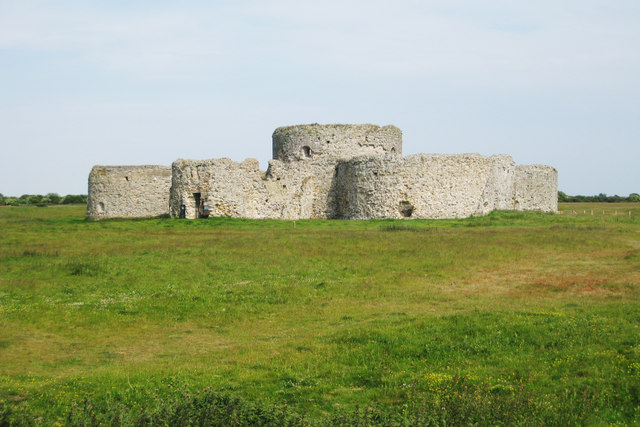
Ypres Tower
Ypres Tower, also known as Rye Castle, is a prominent medieval fortress located in the historic town of Rye, in the county of East Sussex, England. This castle stands as a testament to the town's strategic importance during the High Medieval period, guarding the vital coastal port and serving multiple roles across centuries. It is a key heritage site reflecting the military, judicial, and civic history of the region.
The earliest mention of a castle in Rye dates back to 1216, although no remains of this initial structure survive today. The current square tower with round corner turrets was likely constructed in the mid-13th century, following an order by King Henry III in 1249 to strengthen coastal defenses against frequent French threats. Originally called Baddings Tower, it was built on the edge of a 15-meter-high natural plateau, providing commanding views over the town and its port, crucial for early warning and defense.
Medieval origins and military significance
The castle’s initial purpose was to serve as a defensive outpost for the Cinque Ports, a confederation of coastal towns vital for military and commercial activities. Its construction was part of a broader fortification effort, including town walls funded through murage taxes granted in 1329. These fortifications were expanded in response to repeated French raids, notably suffering damage during a 1377 French attack.
In 1430, the castle was acquired by John de Iprys, a cloth merchant, whose name eventually became associated with the tower, giving rise to the name Ypres Tower. This change in ownership marked a shift from purely military use toward more civic functions over time.
Tudor enhancements and artillery battery
During the reign of King Henry VIII in the 16th century, the castle’s defensive capabilities were enhanced with the addition of the Gun Garden, an artillery battery strategically positioned to overlook the harbour. This battery was actively maintained and rearmed during the 1588 Spanish Armada crisis and continued to play a defensive role in conflicts with France throughout the 18th century. Records from the early 19th century show the battery still housed up to eighteen guns, underscoring the castle’s prolonged military relevance.
Transition to judicial and prison use
From the 16th century onward, Ypres Tower gradually transitioned from a military fortress to a civic building, serving as a prison and courthouse. By 1494, it was officially used as a prison. A full-time gaoler was appointed by 1796, and in 1837, a separate smaller tower was added specifically as a prison for women. The space between the two towers was walled off to create an exercise yard for inmates.
The prison function continued until 1891, when a new police station was constructed in Rye. Subsequently, the lowest level of the tower was repurposed as the town morgue until 1959. This period highlights the castle’s adaptation to the evolving needs of the town’s administration and justice system.
Notable historical events
One significant event in the castle’s later history was the 1743 murder of Deputy Mayor Allen Grebell by a butcher named John Breads, who attacked Grebell in a case of mistaken identity. This incident reflects the castle’s role as a center of local governance and justice during the 18th century.
Architectural features and preservation
Ypres Tower is constructed primarily from iron-stained sandstone, which gives the walls a distinctive reddish hue. The fortress comprises three storeys arranged in a square layout with rounded towers at each corner. This design allowed for comprehensive defensive coverage, enabling defenders to monitor and repel attackers from multiple angles.
The main entrance on the north side features a portcullis, a heavy grilled gate that could be raised or lowered to secure the doorway. This feature was typical of medieval military architecture and provided an additional layer of protection against sieges.
The adjacent Gun Garden artillery battery remains a significant architectural element, illustrating the castle’s adaptation to changing military technologies and threats over the centuries. Its position overlooking the harbour was vital for controlling access and defending against naval attacks.
Interior and museum exhibits
Today, the tower houses a museum that displays a variety of archaeological and historical artifacts. Exhibits include locally made medieval pottery, embroidered textiles depicting scenes from Rye’s history, and other items that illuminate the daily life and culture of the town during the medieval and later periods.
The castle is integrated with Rye’s medieval defensive walls, which are part of a scheduled ancient monument designation, ensuring protection of this important heritage site. Despite sustaining damage during World War II air raids, notably losing its pyramidal tile roof in 1942, the tower has undergone careful repairs and restorations to preserve its structural integrity and historical character.
Heritage status and public access
Ypres Tower is recognized as a Grade I listed building, affording it the highest level of protection for structures of exceptional historical and architectural interest in England. This status ensures ongoing conservation efforts and public engagement with the site’s rich history.
The castle is open to visitors for a fee, offering a unique opportunity to explore a well-preserved medieval fortress that has played diverse roles from military defense to prison and civic administration. Its combination of architectural features, historical significance, and museum collections make it a notable destination for those interested in medieval history and coastal fortifications.
Frequently asked questions (FAQ)
- What is Ypres Tower?
- Ypres Tower is a historic 13th-century tower located in Rye, United Kingdom. It served as a defensive structure and has played a significant role in the town's rich history, offering insights into medieval life and architecture.
- When was Ypres Tower built?
- Ypres Tower was constructed in the late 13th century, around 1249. It was originally part of the town's fortifications, designed to protect against invasions and to serve as a royal residence.
- What are the opening hours for Ypres Tower?
- Ypres Tower is typically open to visitors from 10 AM to 5 PM during the peak season, which runs from April to October. It's advisable to check the official website for seasonal variations and any holiday closures before planning your visit.
- Can I buy tickets in advance for Ypres Tower?
- Yes, tickets for Ypres Tower can be purchased in advance online, which is highly recommended during peak tourist seasons. This helps ensure you secure your entry and often allows you to skip any queues.
- Is Ypres Tower accessible for visitors with disabilities?
- Ypres Tower has limited accessibility due to its historical architecture and the nature of its stairs and narrow passages. However, the staff is committed to assisting all visitors, so it's best to contact them in advance for specific accessibility needs.
- Why is Ypres Tower significant in British history?
- Ypres Tower is significant as it represents the medieval military architecture of England and serves as a testament to Rye's strategic importance during the medieval period. The tower has witnessed various historical events and has been preserved to educate visitors about its storied past.
- What is the best time to visit Ypres Tower?
- The best time to visit Ypres Tower is during the spring and early autumn months, when the weather is generally mild and pleasant. These seasons also tend to have fewer crowds compared to the peak summer months, allowing for a more enjoyable experience.
- What nearby attractions can I visit while in Rye?
- While visiting Ypres Tower, you can also explore the charming streets of Rye, the historic Landgate, and the picturesque Mermaid Street. Additionally, the Rye Heritage Centre and the nearby Camber Sands beach make for great complementary attractions.
- What are the ticket prices for Ypres Tower?
- Ticket prices for Ypres Tower are generally affordable, with discounts available for children, seniors, and families. Special rates may apply for groups, so checking the official website for the latest pricing and any special offers is recommended.
Information
Website
Visit websiteSources & official resources
Verify the information above using these authoritative references.
Loading map...
Visitor reviews
No reviews yet. Been here? Write the first review and help other travelers!
Write the first reviewVisited this castle? Share your experience
Your review helps other travelers and adds first-hand knowledge to our encyclopedia.