York city walls
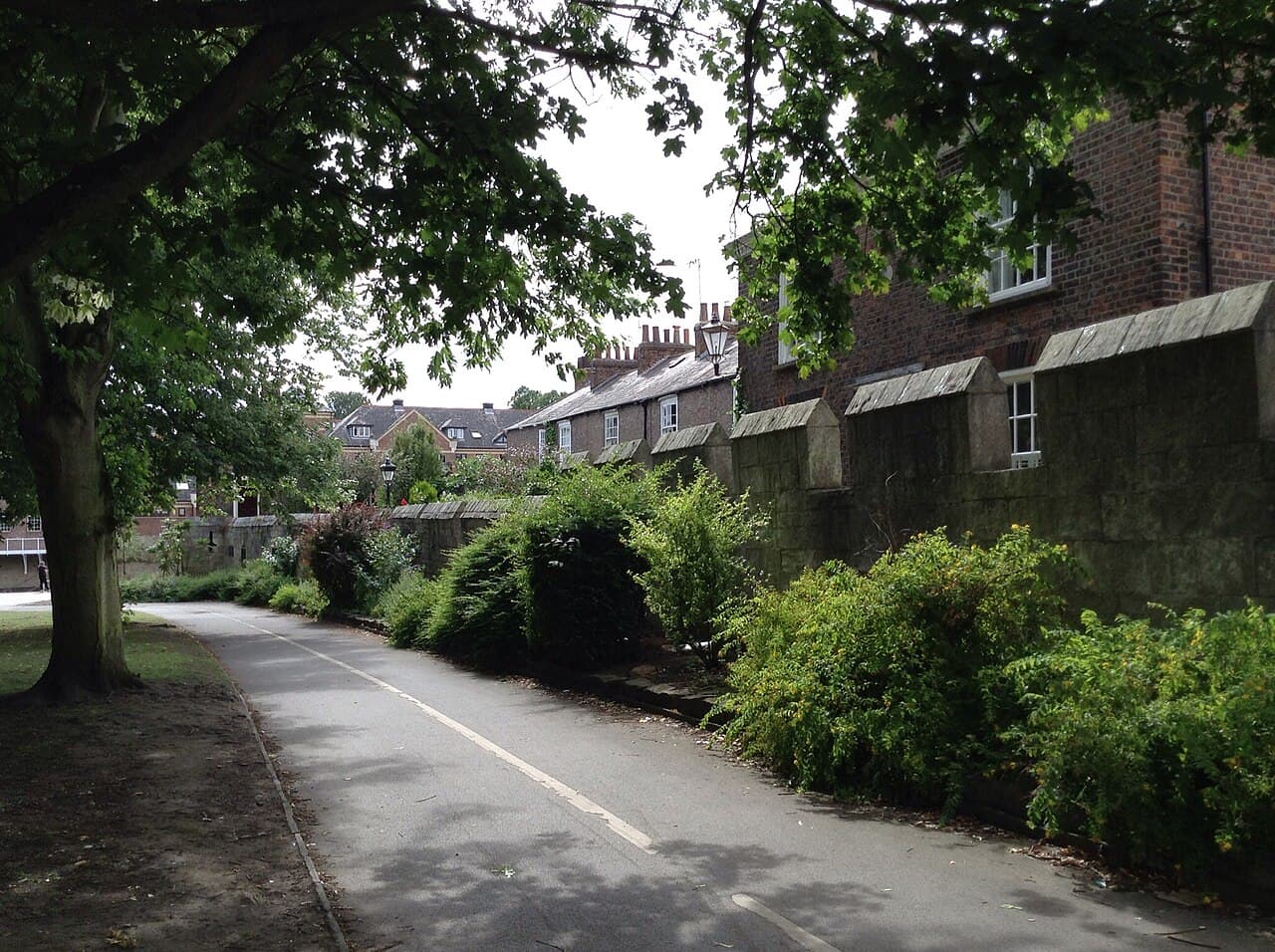
York city walls represent one of the most remarkable examples of medieval urban fortifications in England. Although the city has been defended by walls since Roman times, the visible walls today primarily date from the High Medieval period, reflecting centuries of reconstruction and adaptation. York boasts the longest intact city walls in England, extending over several miles, and these walls have been known variously as the Bar Walls and the Roman walls, although the latter is somewhat misleading since much of the surviving stonework is post-Roman and the wall's course has been significantly altered since antiquity.
The walls stand approximately 13 feet (4 meters) high and 6 feet (1.8 meters) wide, constructed primarily from local limestone and sandstone. They incorporate a series of towers, gates, and battlements that were designed to protect the city from invasions and sieges throughout the medieval period. The walls encircle the historic core of York and include multiple well-preserved sections that provide visitors with a vivid sense of medieval military architecture and urban defense strategies.
Historical development of York city walls
The original Roman fortress walls were built in the 3rd and 4th centuries AD as part of the legionary fortress of Eboracum. However, after the Roman withdrawal from Britain, these walls fell into disrepair. The Anglo-Saxon and Viking periods saw the city known as Jórvík, during which the walls were either neglected or rebuilt in timber. The Norman conquest of England in 1066 marked a significant turning point for York's defenses.
Following the Norman conquest, the city walls were substantially rebuilt and reinforced as part of a broader strategy to secure Norman control over the north of England. The Normans constructed a new castle and strengthened the walls, incorporating stone curtain walls and defensive towers. Over the centuries, the walls were repaired and extended, adapting to changes in military technology and urban growth.
York Castle: a fortified complex within the city walls
York Castle is a fortified complex situated on the north-west side of the River Foss within the city walls. It includes a sequence of castles, prisons, law courts, and other buildings constructed over approximately nine centuries. The castle's centerpiece is the ruined Clifford's Tower, a keep originally built under the orders of William the Conqueror shortly after the Norman conquest in 1068.
Early construction and turbulent history
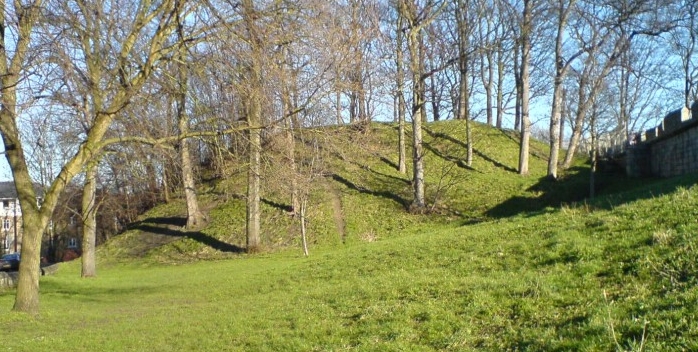
The first motte-and-bailey castle was constructed rapidly to assert Norman dominance over the former Viking city of Jórvík. However, it was destroyed by a combined force of rebels and Vikings in 1069. The castle was rebuilt and fortified with extensive water defenses, including a moat and an artificial lake, to enhance its defensibility.
Medieval development and architectural significance
In the 13th century, under King Henry III, York Castle underwent significant reconstruction in stone. The keep was rebuilt with a unique quatrefoil design, an architectural feature that distinguishes Clifford's Tower from other medieval keeps in England. The castle also featured an outer bailey wall and a substantial gatehouse, reinforcing its role as a royal fortress and administrative center.
York Castle played a notable role during the Scottish wars between 1298 and 1338, serving as a military base and the center of royal administration in northern England. It also has a somber history, including the tragic massacre of approximately 150 local Jews in 1190 within the timber keep, many of whom chose suicide over capture during a violent mob attack.
Decline and later uses
By the 15th and 16th centuries, York Castle's military importance waned, and it increasingly functioned as a jail for local criminals and political prisoners. Despite losing its military value by the reign of Elizabeth I, the castle remained a symbol of royal authority in York.
During the English Civil War in 1642, the castle was repaired and refortified, playing a role in the Royalist defense of York in 1644. However, an explosion in 1684 devastated the interior of Clifford's Tower, rendering the military defenses unusable.
Post-medieval transformation
In the 18th century, the castle bailey was redeveloped in a neoclassical style to serve as an administrative center for Yorkshire county. The site continued to function as a jail and debtors' prison. In the 19th century, prison reform led to the construction of a new prison in a Tudor Gothic style on the castle grounds in 1825. This facility served as both a county and military prison until its demolition in 1935.
Present-day significance and visitor experience
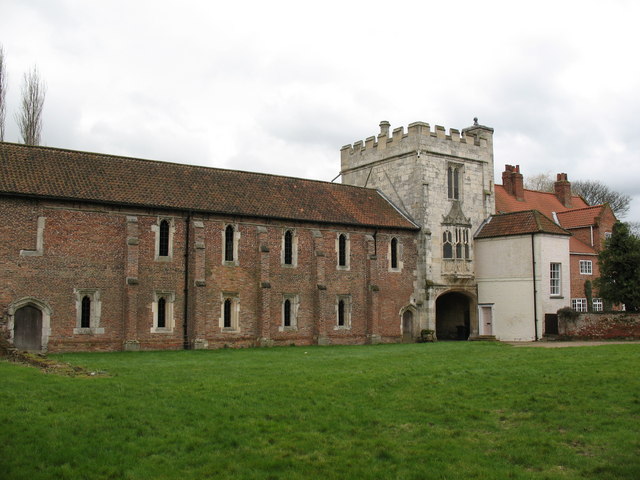
Today, the ruins of Clifford's Tower are a prominent tourist attraction and a protected national monument managed by English Heritage. Visitors can explore the remains of the tower and enjoy panoramic views of York from its elevated position. The other surviving buildings within the castle complex house the York Castle Museum and the Crown Court, blending historical preservation with contemporary civic use.
The York city walls themselves offer a unique walking route that allows visitors to appreciate the scale and craftsmanship of medieval fortifications. The walls' accessibility and extensive preservation make them a key feature of York's cultural heritage and a valuable resource for understanding England's medieval urban defense systems.
Frequently asked questions (FAQ)
- How do I access the York city walls for a walking tour?
- The York city walls are accessible at multiple points around the historic city center. Visitors can start their walking tour from popular landmarks such as Bootham Bar or Monk Bar. The walls are open year-round, and the walk offers excellent views of the city and its historic architecture.
- What is the historical significance of Clifford's Tower at York Castle?
- Clifford's Tower is the surviving keep of York Castle and is notable for its unique quatrefoil design. It was originally built by William the Conqueror and played a key role in the Norman consolidation of northern England. The tower also witnessed significant historical events, including the tragic massacre of Jews in 1190.
- When was York Castle primarily constructed and by whom?
- The first York Castle was built in 1068 by order of William the Conqueror following the Norman conquest. The castle was rebuilt and expanded over the centuries, notably under King Henry III in the 13th century, who reconstructed the keep in stone with its distinctive quatrefoil shape.
- Can I visit the York Castle Museum and Crown Court within the castle complex?
- Yes, the York Castle Museum is open to the public and offers extensive exhibits on local history and culture. The Crown Court operates as a functioning judicial building, so visitor access is limited to public areas. Both institutions are located within the historic castle precincts.
- Why is York city walls sometimes called the Roman walls?
- The walls are sometimes referred to as the Roman walls because they follow the course of the original Roman fortress walls of Eboracum. However, much of the existing stonework dates from the medieval period, and the walls have been extensively rebuilt and altered since Roman times.
Photo gallery

Information
Current owner
English Heritage
Loading map...
Visitor reviews
No reviews yet. Been here? Write the first review and help other travelers!
Write the first reviewVisited this castle? Share your experience
Your review helps other travelers and adds first-hand knowledge to our encyclopedia.