
Norway
Castle heritage and historical fortifications in norway
Norway's castle heritage reflects a unique blend of medieval history, strategic military development, and regional architectural expression shaped by its challenging geography and turbulent past. Although Norway is not renowned for the large stone castles typical of central Europe, its fortifications reveal much about the country's medieval society and defense mechanisms against both internal conflicts and foreign invasions.
The country's fortifications range from early wooden strongholds to later stone castles and coastal fortresses, demonstrating evolving military technologies and changing political landscapes. These structures provide insight into Norway's role in the Viking Age, the union with Denmark, and the transition into modern nationhood.
Continue reading below — scroll for the full article.
Castles in Norway
Discover 6 magnificent castles across the country




Historical background and medieval period
The roots of Norway’s castle heritage lie in the Viking Age and early medieval period when local chieftains and kings built simple wooden fortifications to control territory and protect settlements. During this time, the emphasis was on strongholds rather than elaborate castles, reflecting the mobility and raiding-focused warfare of the era.
In the 13th century, as the Norwegian kingdom consolidated power and Christianity spread, more permanent stone fortifications began to appear. This period saw the construction of fortified manors and halls, often combined with religious sites. The influence of European feudalism and the need to defend against both internal rivals and external threats, such as the Hanseatic League and the Swedish kingdom, led to a gradual increase in the complexity and scale of fortifications.
The medieval period also witnessed the rise of several notable fortresses, including Akershus Fortress in Oslo. Built in the late 13th century, Akershus served both as a royal residence and a military stronghold, playing a crucial role in Norway’s defense throughout the centuries.
Types of fortifications in norway
Castles and fortified manors
Unlike the towering castles of southern Europe, Norwegian castles were often fortified manors or stone houses designed for both residence and defense. These structures were typically smaller and integrated into the natural landscape. Akershus Fortress exemplifies this dual purpose, serving as a residence for royalty and a military bastion.
Fortresses and coastal defenses
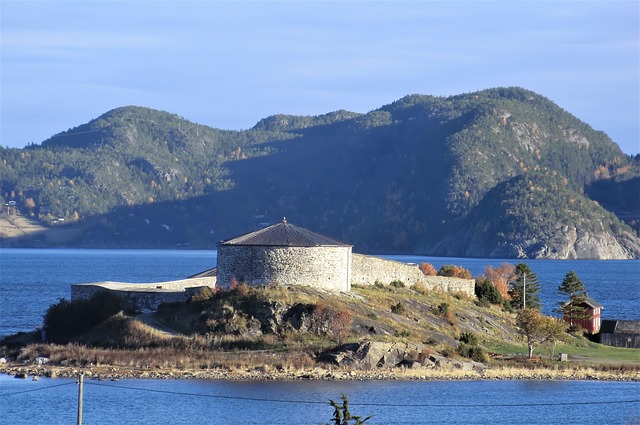
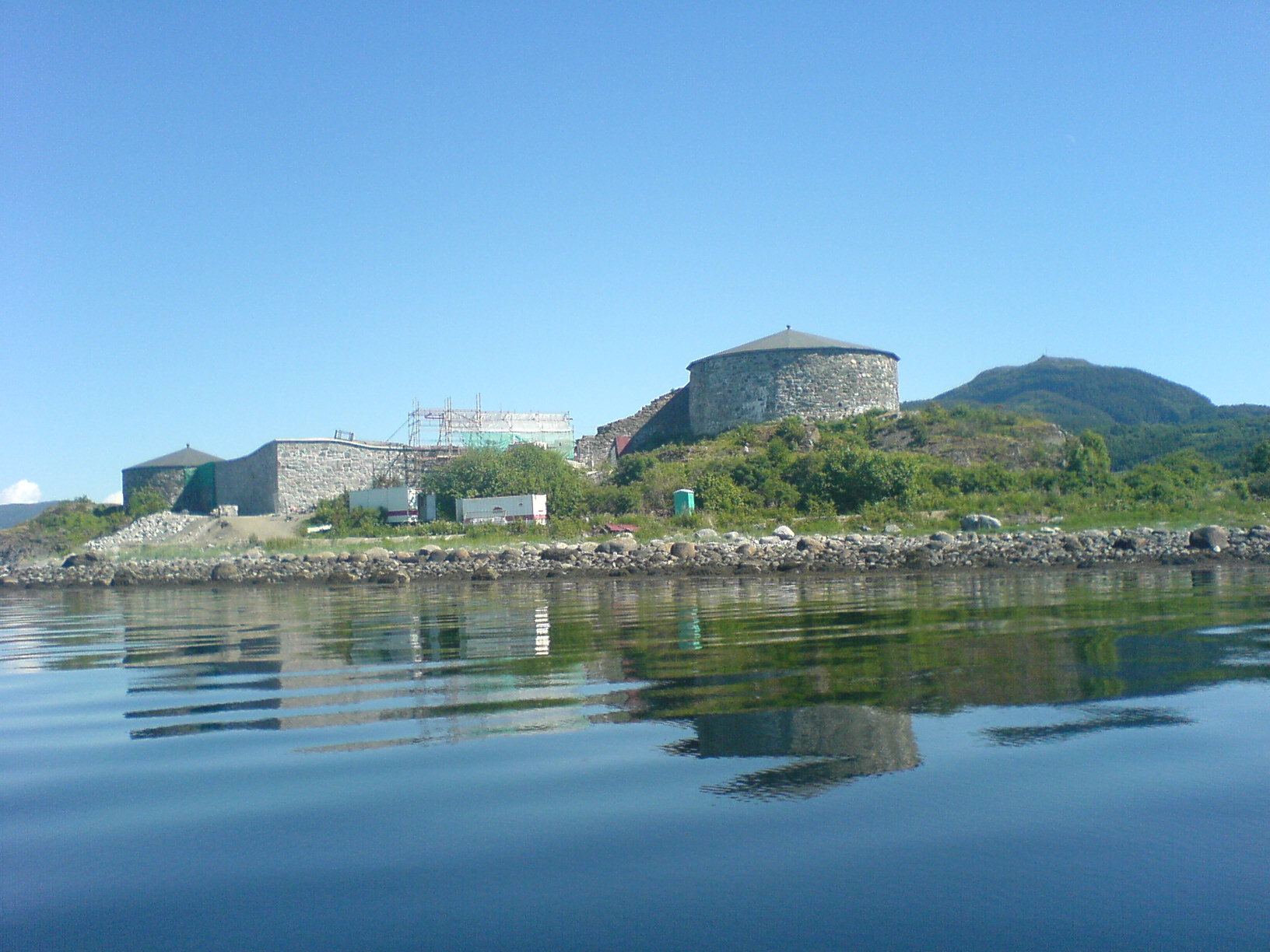
Given Norway’s extensive coastline and maritime heritage, coastal fortresses have been a prominent feature. These fortifications protected important trading hubs and naval bases, especially during the union with Denmark and later periods. For example, the Bergenhus Fortress in Bergen guarded the city and the surrounding fjords, making it a vital part of Norway's defensive network.
Defensive walls and earthworks
Early fortifications often included wooden palisades, earth ramparts, and ditches. These were common in Viking Age strongholds and early medieval sites. While many of these earthworks have not survived, archaeological findings have revealed their importance in the earliest Norwegian defensive strategies.
Architectural styles and influences
Norwegian castle architecture is characterized by its adaptation to local materials and climatic conditions. Stone and timber were the primary building materials, with stone increasingly favored for its durability in the medieval period. The architectural style often combined functionality with modest decoration.
Influences came primarily from continental Europe through trade and political ties, especially with Denmark and Germany. For instance, the Gothic and Romanesque styles can be detected in the design elements of fortresses like Akershus and Bergenhus, though adapted to simpler, more robust forms suitable for Norway’s environment.
Architectural evolution also reflects changing military technology. Early medieval fortifications were designed to withstand siege tactics common in the Viking Age, while later castles incorporated bastions and artillery fortifications responding to gunpowder weaponry.
Regional variations in norwegian fortifications
Norway's varied geography led to distinct regional differences in castle construction and fortification styles. In the south and southeast, where political power was concentrated, stone castles and fortresses like Akershus were prominent. This region also saw more complex fortifications due to international threats.
In contrast, western and northern Norway, with their rugged coastline and fjords, favored coastal fortresses and smaller fortified farms. Bergenhus Fortress is a prime example in the west, serving as a maritime stronghold protecting trading routes and the Hanseatic interests.
In interior regions with fewer external threats, the focus was on simpler defensive structures, including wooden palisades and earthworks. The relative scarcity of large stone castles in these areas reflects both economic factors and the lesser strategic importance compared to coastal centers.
Notable periods of castle construction
Late 13th to 14th centuries
This era marked the transition from wooden to stone fortifications in Norway. The construction of Akershus Fortress began during this period, symbolizing the centralization of royal power and the need for durable defense against both domestic unrest and foreign invasion.
16th to 17th centuries
The Renaissance period saw the modernization of many medieval fortresses to adapt to new artillery technologies. During the Danish-Norwegian union, significant upgrades were made to coastal fortifications such as Bergenhus, reflecting the growing importance of naval defense.
19th and 20th centuries
Although the era of castle building effectively ended, Norway invested in modern fortifications in key strategic locations, particularly during periods of conflict such as World War II. These later fortifications, while not castles, represent the continued importance of defensive architecture in Norway’s military heritage.
Preservation and current state of norwegian castles
Many of Norway’s medieval fortifications have been remarkably well preserved, thanks in part to their continued use over centuries. Akershus Fortress remains a prominent landmark in Oslo, serving as a museum and cultural venue. Bergenhus Fortress also survives as one of the best-preserved medieval fortresses in Norway.
Several smaller castles and fortified sites have been excavated and conserved by heritage organizations. These efforts aim to protect Norway’s medieval heritage and provide insight into early fortification techniques.
However, wooden structures and earthworks from the Viking Age have often decayed or disappeared, leaving only archaeological traces. Preservation efforts focus on protecting these sites through careful excavation and landscape management.
Castle tourism and accessibility in norway
Norway offers a rich experience for visitors interested in castle heritage and medieval fortifications. Sites like Akershus Fortress are open to the public, featuring guided tours, exhibitions, and cultural events that bring Norway’s medieval history to life.
Bergenhus Fortress in Bergen is also a popular destination, combining historical exploration with breathtaking views of the fjords. Many castles and fortresses are integrated into Norway’s broader cultural tourism, including festivals and reenactments.
While some sites are accessible only during limited seasons or require special arrangements, the Norwegian Directorate for Cultural Heritage promotes many fortifications as part of national tourism initiatives. This accessibility helps raise awareness of Norway’s unique castle heritage.
Cultural significance and heritage of norwegian castles
Norwegian castles and fortifications are more than military structures; they are symbols of national identity and historical continuity. They embody the stories of kings, warriors, and communities that shaped Norway’s development over centuries.
These castles contribute to understanding the interaction between local traditions and broader European influences. They also highlight Norway’s strategic role in regional politics, trade, and conflict throughout the medieval and early modern periods.
Today, castles such as Akershus Fortress are cherished cultural monuments, hosting events and serving as reminders of Norway’s rich historical tapestry. They play an essential role in education, heritage preservation, and fostering a sense of pride in the nation’s past.
Castle Locations in Norway
Explore all castle locations on an interactive map
Loading castle locations...