Fredrikstad Fortress
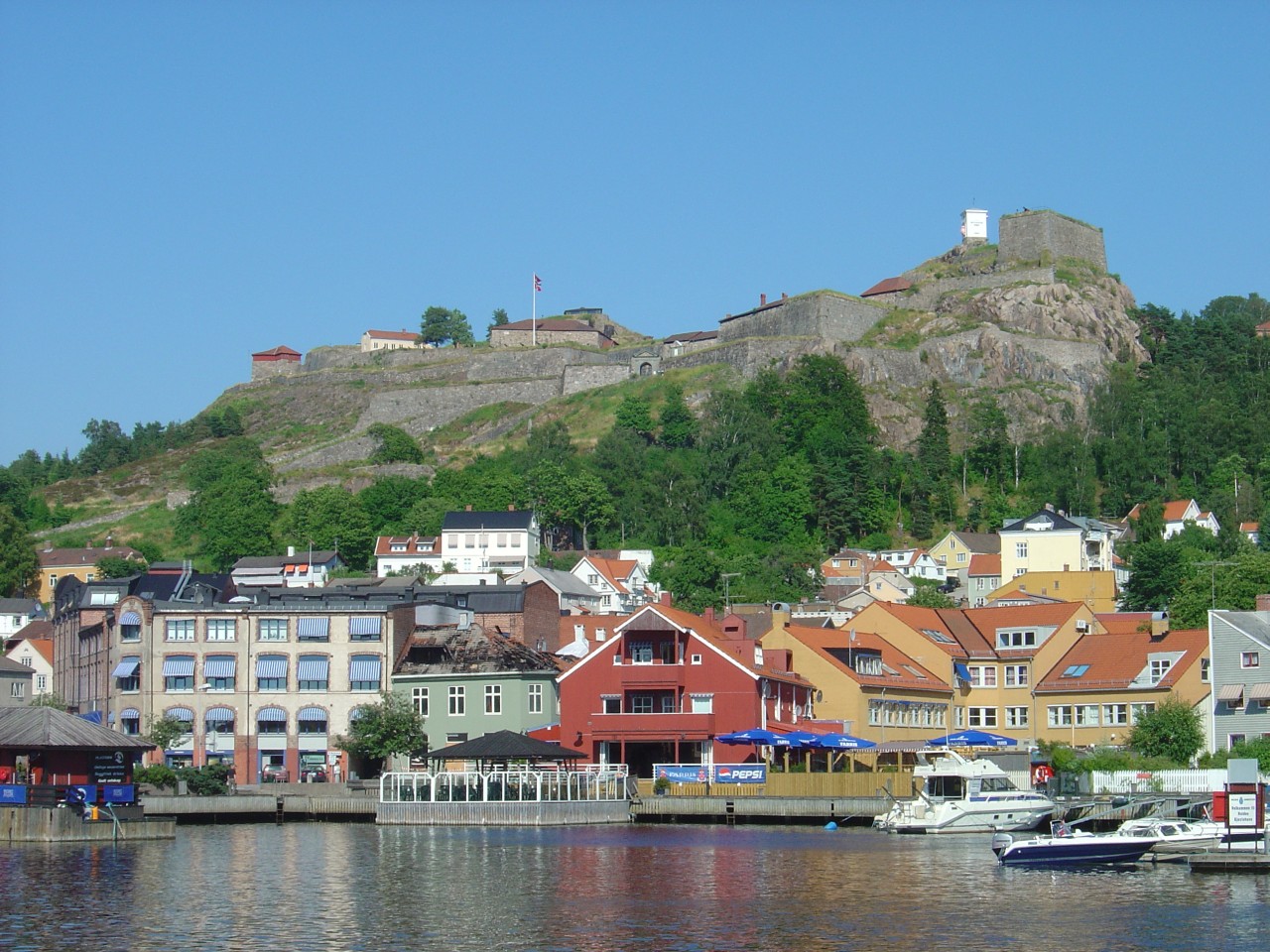
Fredrikstad fortress stands as a remarkable example of Renaissance military architecture in Norway. Constructed between 1663 and 1666 under the direction of the officer Willem Coucheron and his son Anthony Coucheron, it was commissioned by the Dano-Norwegian King Frederick II. This fortress was strategically built following a temporary fortification erected during the Torstenson War (1644-1645), a conflict between Sweden and Denmark-Norway, underscoring its importance in regional defense and control.
Historical background and military significance
The fortress was established to secure the town of Fredrikstad and the surrounding region against Swedish incursions, reflecting the turbulent geopolitical climate of Scandinavia in the 17th century. The first commander, Lieutenant Colonel Johan Eberhard Speckhan, took charge in early 1662, overseeing not only the fortress itself but also the associated prison works, highlighting the multifaceted role of the fortress as both a military and penal institution.
One of the most notable moments in the fortress's history came in 1716 during the Great Northern War when the celebrated naval hero Peder Tordenskjold used Fredrikstad fortress as a strategic base to launch an attack against the Swedish fleet during the Battle of Dynekilen. This event underscores the fortress's ongoing military relevance well into the 18th century.
The fortress's only direct assault occurred during the Swedish-Norwegian War of 1814. Under the command of Nils Christian Frederik Hals, the fortress capitulated on August 4, 1814, marking a significant episode in Norway's struggle for sovereignty. Despite this, Fredrikstad fortress continued to serve military purposes until its official closure as a fortress in 1903, after which it remained an active garrison for nearly a century more.
Architectural features and design
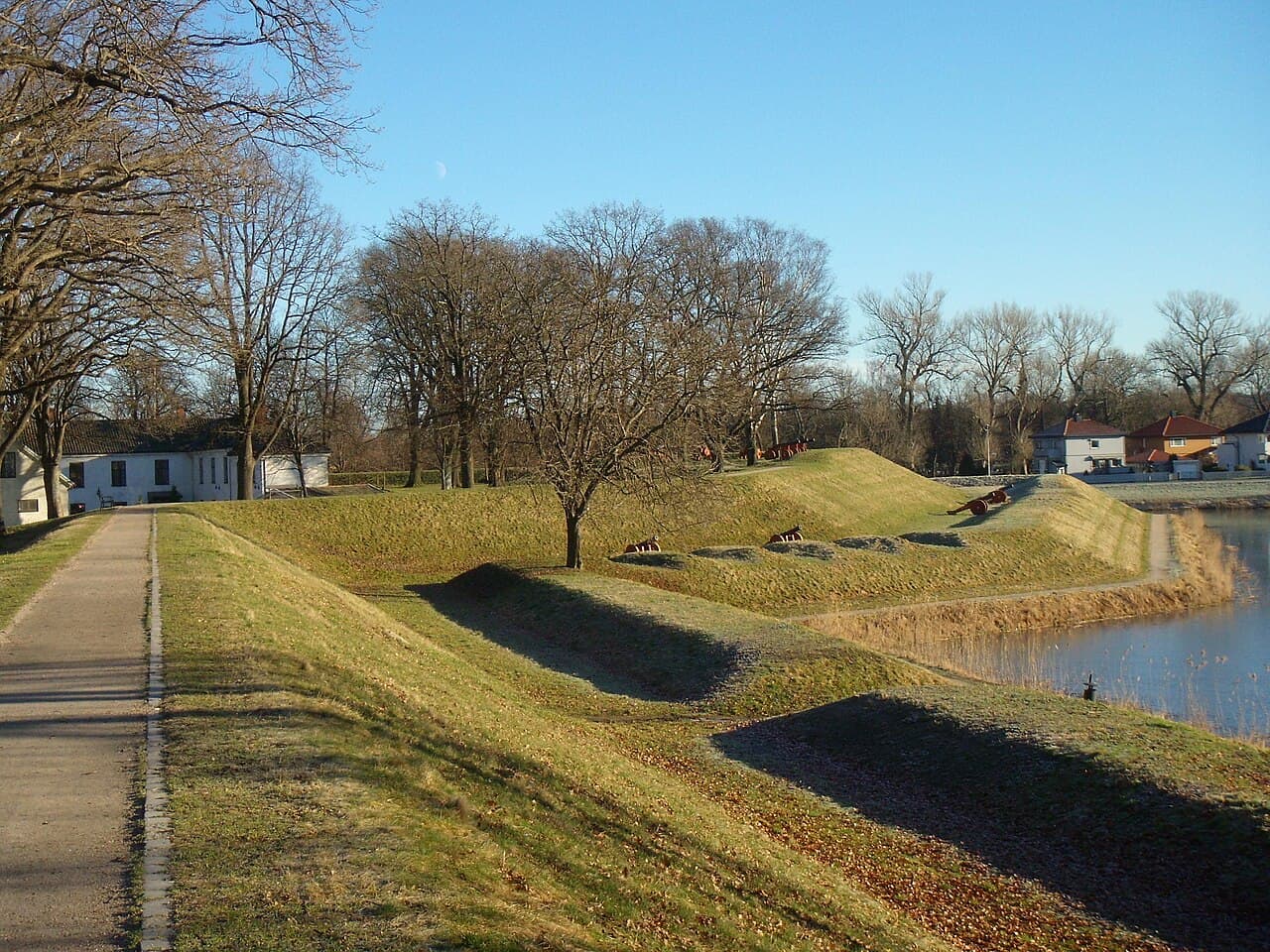
Fredrikstad fortress is classified as a Renaissance period fortress, showcasing the era's characteristic emphasis on geometric design and bastioned fortifications intended to withstand artillery sieges. The fortress is a prime example of a star fort layout, featuring angular bastions that provide overlapping fields of fire, a design innovation that was widespread in Europe during the 16th and 17th centuries.
The fortress complex includes several key components: the main fortress itself, along with subsidiary fortifications such as Kongsten fort, Isegran fort, Cicignon fort, Huth fort, Akerøya fort, and the Slevik battery. These outlying forts and batteries formed an integrated defensive network that protected the approaches to Fredrikstad and controlled access to the Oslofjord.
Notably, Fredrikstad fortress is unique in Norway for being preserved in its original form, allowing visitors to experience the authentic layout and construction techniques of a 17th-century military fortification. The walls, bastions, and internal buildings remain largely intact, offering valuable insight into Renaissance military engineering.
Preservation and current use
After the fortress was officially closed in 1903, it continued to function as a military garrison until 2002, when all remaining military installations in Fredrikstad were decommissioned. Since then, the fortress has been maintained as a cultural and historical site, attracting visitors interested in military history, architecture, and Norwegian heritage.
Today, Fredrikstad fortress hosts a variety of art exhibitions and cultural events, blending its historical ambiance with contemporary uses. The site’s well-preserved condition makes it a popular destination for tourists and scholars alike, offering guided tours that explore its rich history and architectural significance.
Visitor information and surrounding attractions
Fredrikstad fortress is located in the city of Fredrikstad, in the Østfold region of Norway. Visitors can explore the extensive fortress grounds, including the main bastions and outlying forts. The fortress is accessible year-round, with seasonal variations in opening hours and guided tour availability.
Nearby attractions include the charming old town of Fredrikstad, known for its well-preserved wooden buildings and vibrant cultural scene. The combination of historical architecture and natural beauty in the surrounding area enhances the visitor experience.
Frequently asked questions (FAQ)
- When was Fredrikstad fortress built?
- The fortress was constructed between 1663 and 1666 during the Renaissance period under the direction of Willem and Anthony Coucheron.
- What makes Fredrikstad fortress architecturally significant?
- It is Norway's only fully preserved Renaissance star fort, featuring bastioned defenses designed to resist artillery attacks.
- Can I visit Fredrikstad fortress year-round?
- Yes, the fortress is open to visitors throughout the year, with guided tours available during peak seasons.
- What historical events took place at Fredrikstad fortress?
- Key events include its use during the Torstenson War, the Battle of Dynekilen in 1716, and its capitulation during the Swedish-Norwegian War of 1814.
- Is there an admission fee to visit the fortress?
- Ticket prices vary depending on the season and events; visitors should check the official website for current information.
- Are there other forts to see near Fredrikstad fortress?
- Yes, the fortress complex includes Kongsten fort, Isegran fort, Cicignon fort, Huth fort, Akerøya fort, and the Slevik battery, which can be explored as part of the historical experience.
Photo gallery

Information
Loading map...
Visitor reviews
No reviews yet. Been here? Write the first review and help other travelers!
Write the first reviewVisited this castle? Share your experience
Your review helps other travelers and adds first-hand knowledge to our encyclopedia.