Munkholmen Fortress
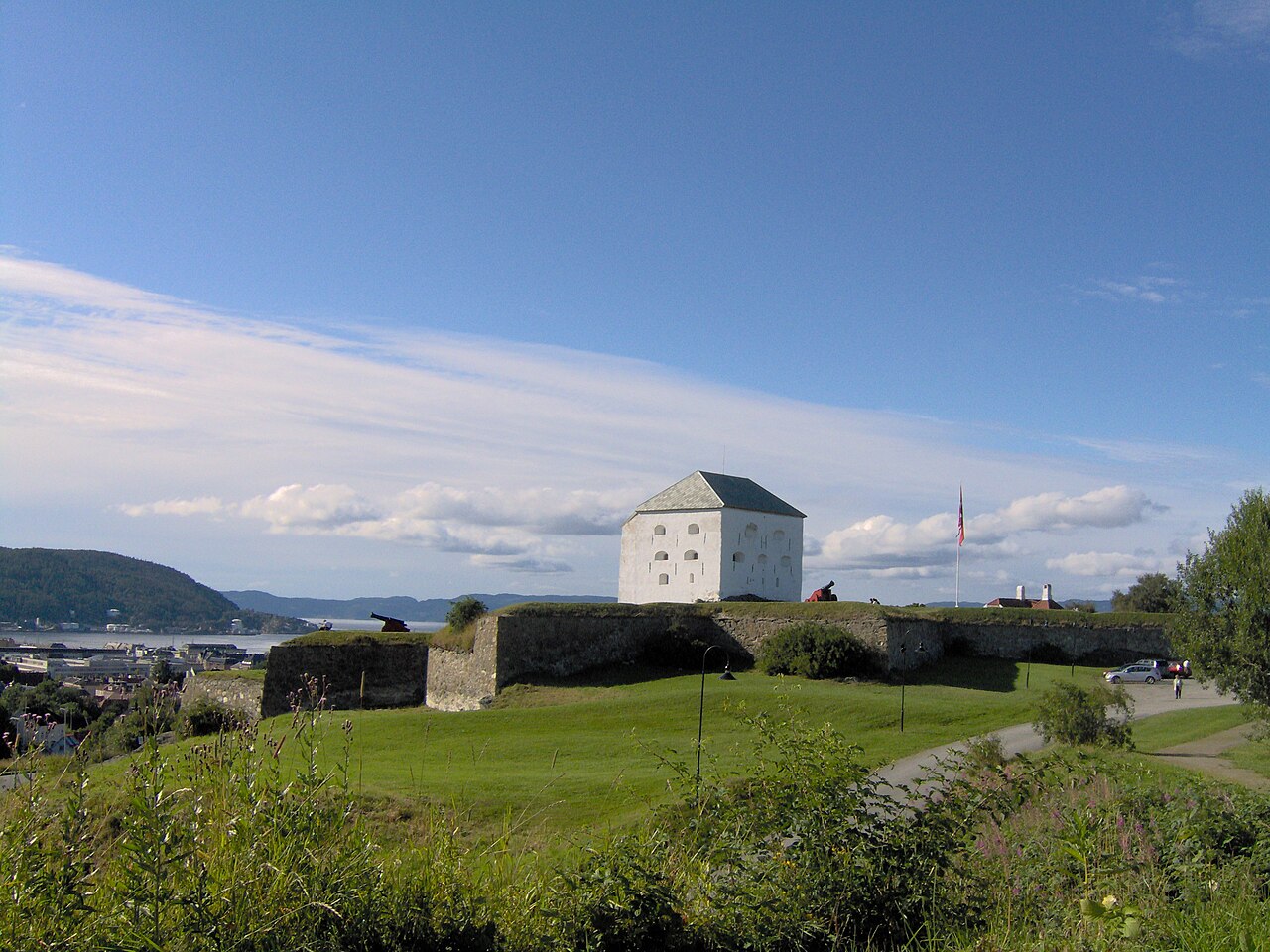
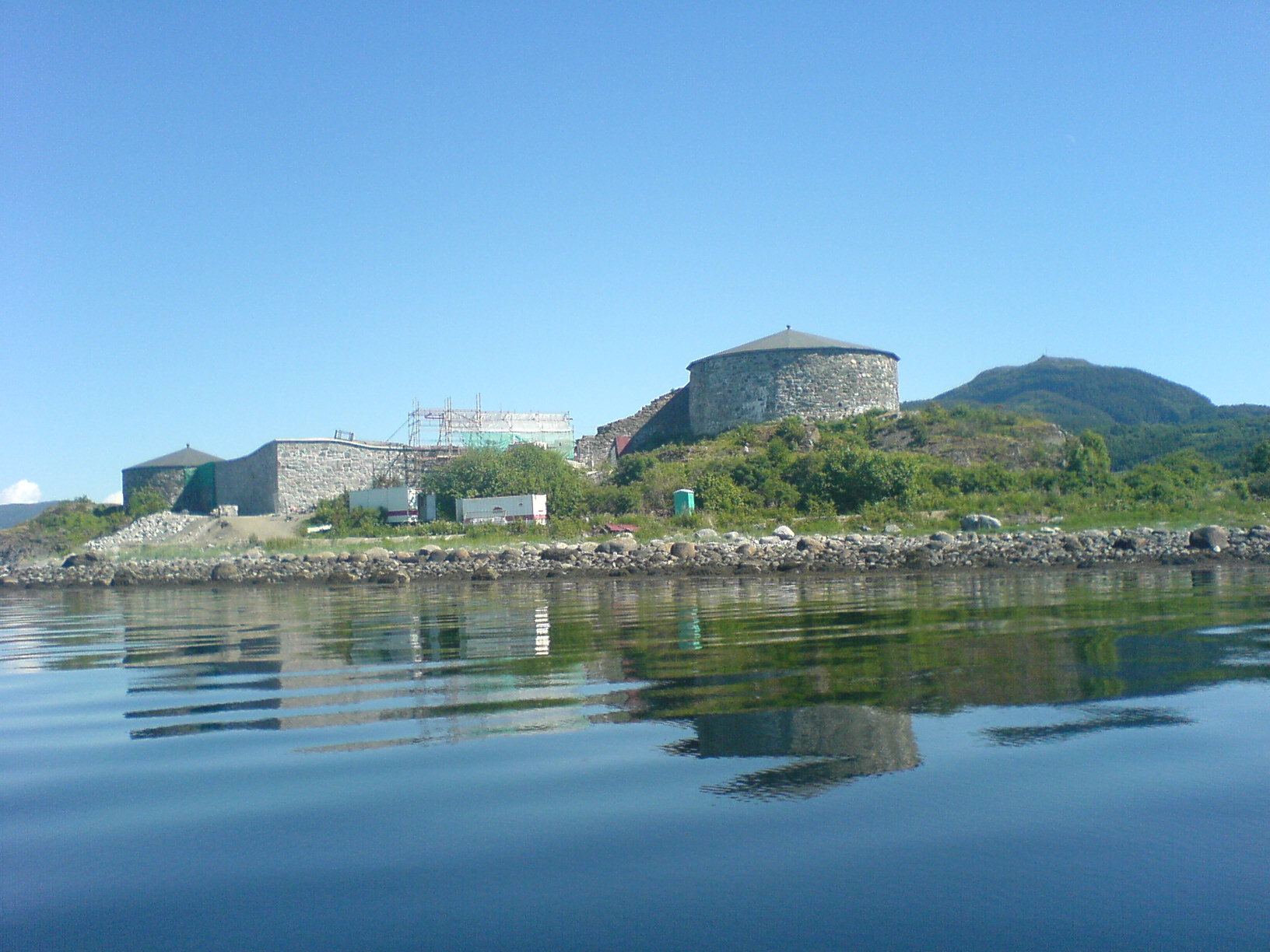
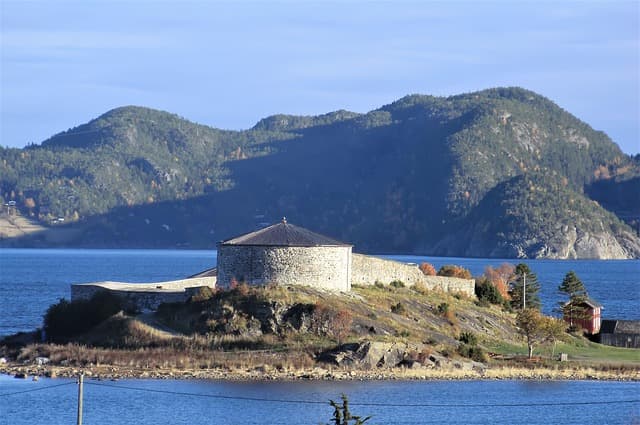
Munkholmen fortress is a small but historically significant islet located in the Trondheim Fjord, just off the coast of Trondheim, Norway. Its strategic position has made it an important site throughout Norwegian history, serving variously as an execution site, monastery, fortress, prison, and military installation. Today, it stands as a popular tourist destination, offering visitors a glimpse into Norway’s multifaceted past.
The early history and execution site
Before the founding of Trondheim in 997 by Viking King Olav Tryggvason, Munkholmen was primarily known as an execution site used by the powerful Jarls of Lade. This period was marked by violent power struggles, including the revolt against Haakon Sigurdsson in 995, which resulted in his death at the hands of Tormod Kark. The severed heads of both Haakon and Kark were displayed on stakes on Munkholmen, facing outward toward the fjord as a grim warning to visitors. According to legend, visitors entering Trondheim were compelled to spit on these heads as a sign of loyalty to King Olav I of Norway. This practice of displaying heads continued for some time, but the orientation was later changed so that the heads faced the city itself, serving as a deterrent against crime among Trondheim’s citizens.
The monastic period: Nidarholm Abbey
In the early 12th century, and possibly earlier, Munkholmen became home to Benedictine monks who established Nidarholm Abbey. The monastery was an active religious community, and local stories suggest it was quite lively, to the point that noise complaints were made from the mainland. The abbey played a significant role in the religious life of the region until the Reformation, when Lutheran Protestantism was introduced to Trondheim. By this time, the monastery had fallen into disrepair and was eventually abandoned.
Construction of the fortress and its role as a prison
Construction of the fortress on Munkholmen began in 1658 as part of Norway’s efforts to strengthen coastal defenses during the Renaissance period. Completed in 1661, the fort was designed to protect Trondheim from naval attacks and to control access to the fjord. The fortress was also used as a state prison, housing some of society’s most notorious prisoners. The most famous inmate was Count Peder Griffenfeld, a prominent Danish statesman who was imprisoned on Munkholmen from 1671 until his release due to terminal illness 18 years later. The fortress remained in active use until 1893.
World War II and German occupation
During the German occupation of Norway from 1940 to 1945, Munkholmen was strategically important for the Nazi military. After capturing Trondheim early in the Norwegian Campaign, the Germans established a submarine base nearby, taking advantage of the natural protection offered by the fjord. Munkholmen was equipped with anti-aircraft guns and retrofitted to serve as an ammunition depot. Unique wooden nails were used to secure flooring planks to reduce the risk of sparks that could ignite stored munitions. Remnants of these wartime modifications remain visible in the upper levels of the fort today.
Munkholmen today: tourism and cultural significance
Today, Munkholmen is a cherished cultural landmark and popular summer destination for both locals and tourists. From May to September, regular boat services operate from Ravnkloa in Trondheim, ferrying visitors to the island. Tourists can explore the fortress grounds independently or join guided tours offered in English and Norwegian. The site also features a small café where visitors can relax and enjoy the scenic views of the fjord. Munkholmen’s layered history from Viking times through the Renaissance and World War II makes it a fascinating destination for those interested in Norwegian history and military architecture.
Architectural features and fortifications
The fortress on Munkholmen is a classic example of Renaissance military architecture adapted to a small island setting. Its thick stone walls, bastions, and artillery placements reflect the defensive priorities of the 17th century. The compact design maximizes the use of limited space while providing overlapping fields of fire to protect the harbor. The preservation of the fort’s structure allows visitors to appreciate the engineering techniques and strategic considerations of the era.
Accessibility and visitor experience
Access to Munkholmen is exclusively by boat, with departures from Trondheim’s harbor area. The short journey offers picturesque views of the fjord and city skyline. Upon arrival, visitors can wander through the fortress ruins, learn about its history through informational displays, and enjoy guided tours that provide in-depth narratives about the island’s past. The site is well maintained, with pathways and signage to enhance the visitor experience.
Frequently asked questions (FAQ)
- How do I get to Munkholmen fortress from Trondheim?
- You can reach Munkholmen by taking a short boat ride from Ravnkloa, Trondheim’s main harbor. Boats run regularly from May to September, making it easy to visit during the summer months.
- What is the historical significance of Munkholmen fortress?
- Munkholmen has served multiple roles over the centuries, including an execution site, monastery, Renaissance fortress, prison, and World War II anti-aircraft station, reflecting its strategic importance in Trondheim’s history.
- Can I take guided tours at Munkholmen?
- Yes, guided tours are available in both English and Norwegian during the tourist season. These tours provide detailed insights into the island’s rich history and architectural features.
- Is Munkholmen fortress accessible to people with mobility issues?
- While the island and fortress have some uneven terrain and stairs, efforts have been made to improve accessibility. Visitors with mobility concerns should check with the tour operators for specific accommodations.
- When is the best time to visit Munkholmen?
- The best time to visit is during the summer months, from May to September, when boat services operate regularly and the weather is favorable for exploring the island.
Photo gallery

Photo by Elsemargriet
Information
Opening hours
May to September, daily boat departures from Ravnkloa
Ticket prices
Varies by tour, generally affordable
Current owner
Municipality
Loading map...
Visitor reviews
No reviews yet. Been here? Write the first review and help other travelers!
Write the first reviewVisited this castle? Share your experience
Your review helps other travelers and adds first-hand knowledge to our encyclopedia.