
Denmark
Historical background and medieval period
Denmark's rich castle heritage traces its roots deep into the medieval era, a time when the country was strategically important in Northern Europe. The emergence of castles in Denmark was closely linked to the consolidation of royal power and the need to defend territories from both external invasions and internal conflicts. As a maritime nation with extensive coastlines, fortifications played a vital role in controlling trade routes and protecting key settlements.
During the Middle Ages, Danish castles primarily served as administrative centers, military strongholds, and noble residences. The evolution of these fortifications reflects the political and social changes that Denmark experienced from the 12th century onwards. Many of the surviving castles today originated in this period, including some of the most iconic structures like Kronborg Castle, Frederiksborg Castle, and Egeskov Castle.
Continue reading below — scroll for the full article.
Castles in Denmark
Discover 10 magnificent castles across the country







Types of fortifications in Denmark
The variety of fortifications found in Denmark spans from traditional medieval castles to later Renaissance palaces and coastal fortresses. These structures can be broadly categorized into several types:
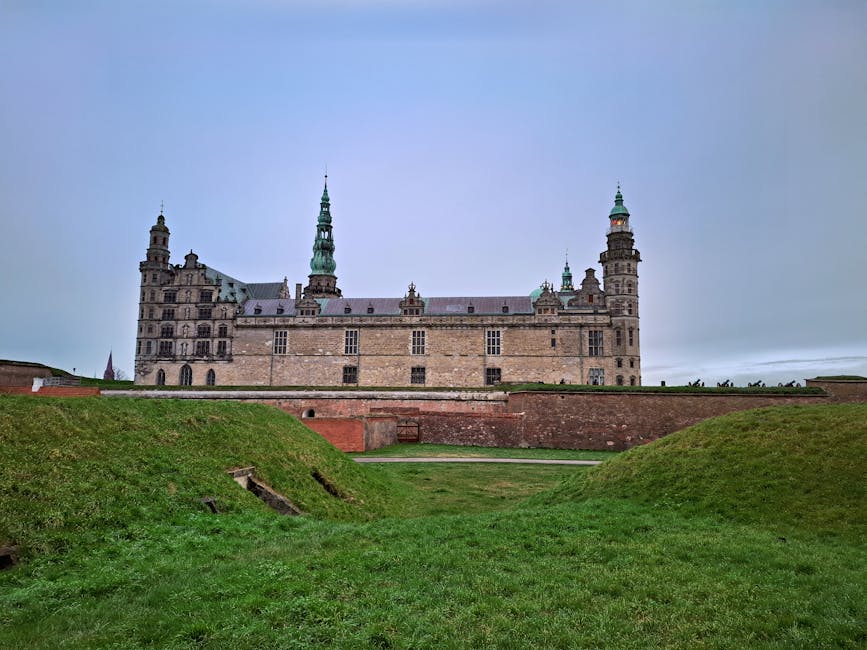
- Medieval castles: Primarily stone-built strongholds featuring defensive walls, towers, and moats. Examples include the imposing Kronborg Castle, famous for its role in Hamlet’s legend and strategic location controlling the Øresund Strait.
- Fortresses: Military installations often constructed or modernized during the Renaissance and later periods, designed to withstand artillery. Kronborg also functioned as a fortress, while Kastellet in Copenhagen represents a star-shaped fortress from the 17th century.
- Defensive walls and ramparts: Many medieval towns in Denmark were protected by stone walls and earthen ramparts. Some remnants remain in cities such as Roskilde and Viborg.
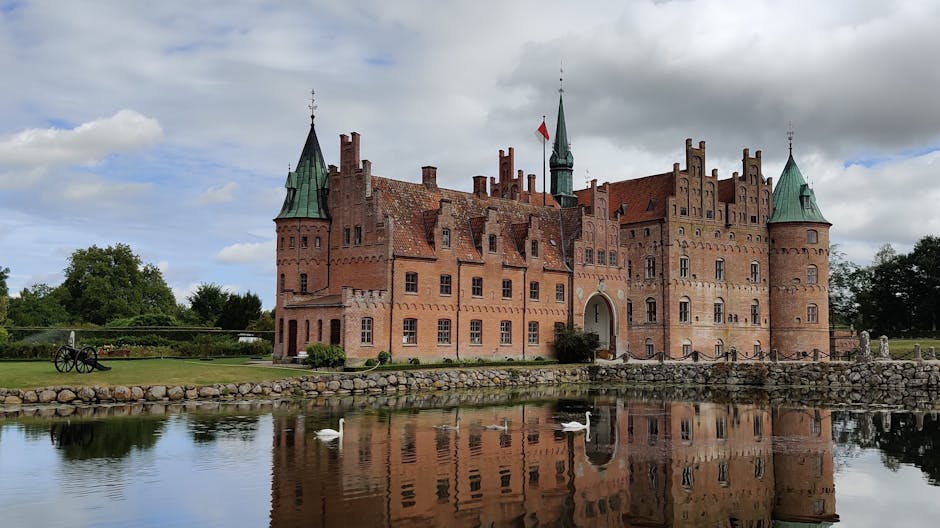
- Manor houses with defensive features: Some estates combined residential and defensive elements, evolving from fortified farms into more elaborate castles, like Egeskov Castle on Funen Island, which is surrounded by a water-filled moat.
Architectural styles and influences
The architecture of Danish castles reflects a blend of native traditions and foreign influences. Early medieval castles were influenced by Romanesque styles, characterized by simple, robust construction using local materials. As the Middle Ages progressed, Gothic elements became prominent, seen in pointed arches, larger windows, and more elaborate ornamentation.
During the Renaissance, Danish fortifications incorporated Italian and Dutch architectural principles. This period introduced symmetrical layouts, decorative facades, and improved military designs to resist cannon fire. Frederiksborg Castle, rebuilt in the early 17th century, exemplifies this Renaissance style with its richly decorated spires, gables, and expansive gardens.
The Baroque and Rococo periods brought further ornamental complexity, especially in castle interiors and palace expansions. However, many castle exteriors maintained their medieval defensive appearance. The blend of styles across different eras illustrates Denmark’s openness to European artistic movements while maintaining practical defensive needs.
Regional variations in castle heritage
Denmark's castle heritage shows distinct regional variations influenced by geography, political importance, and cultural exchange. In Zealand, the largest island and home to the capital Copenhagen, castles often served as royal residences and political centers. Frederiksborg Castle, located in Hillerød, Zealand, is a prime example of a Renaissance royal palace with elaborate architecture and extensive gardens.
In Funen, the heartland of Denmark, many castles like Egeskov Castle have a unique water castle design, surrounded by moats and natural defenses. This region's castles often combined residential comfort with strong fortifications adapted to the island’s landscape.
The Jutland peninsula features a mix of medieval fortresses and manors, often constructed with more utilitarian approaches due to its strategic significance as a land bridge to continental Europe. Many castles here were adapted for military purposes during periods of conflict with neighboring states.
Notable periods of castle construction
The construction of castles in Denmark can be divided into several key periods, each corresponding to shifts in political power, military technology, and architectural trends.
The medieval boom (12th to 14th centuries)
This period saw the initial wave of stone castle building as Danish kings and nobles sought to assert control. Many castles were built near important trade routes or on strategic coastal positions. The defensive function was paramount, with thick walls, moats, and keeps dominating designs.
Renaissance transformation (16th to early 17th centuries)
As artillery and gunpowder changed warfare, castles evolved into more complex fortresses with bastions and star-shaped designs. Simultaneously, the Renaissance influenced aesthetics and comfort, leading to palatial expansions. Frederiksborg Castle’s transformation during this period exemplifies these changes.
Post-medieval adaptations (17th to 18th centuries)
Many castles were converted into stately homes or military barracks as the need for traditional fortifications waned. New fortresses like Kastellet in Copenhagen were built reflecting the latest military engineering. Some medieval castles fell into disuse or were partially dismantled during this time.
Preservation and current state
Denmark places great emphasis on the preservation of its castle heritage. Many castles have been meticulously restored and are protected as cultural monuments under national heritage laws. For example, Kronborg Castle underwent extensive restoration in the 20th century and is now a UNESCO World Heritage Site.
Other castles, such as Frederiksborg Castle, also serve as museums, housing royal collections and exhibitions on Danish history and art. Preservation efforts balance maintaining original architectural elements with adapting sites for public access and education.
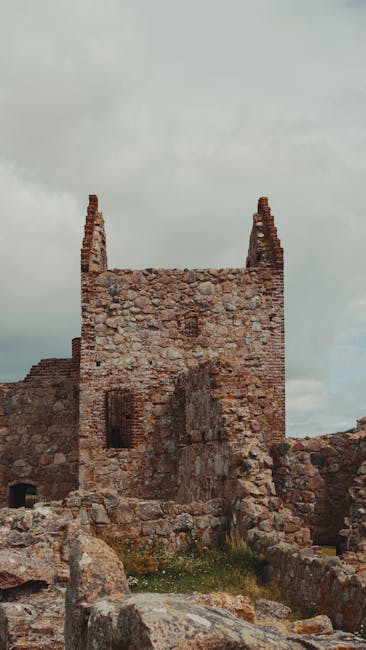
However, some lesser-known castles remain in varying states of ruin or private ownership, limiting their accessibility and conservation. The Danish Castle Centre in Vordingborg plays an active role in research, conservation, and promoting awareness of the country’s fortification heritage.
Castle tourism and accessibility
Denmark’s castles are popular tourist destinations, attracting visitors interested in history, architecture, and culture. Sites like Kronborg Castle benefit from their dramatic locations and rich histories, drawing thousands annually. The castle’s association with Shakespeare’s Hamlet adds to its international allure.
Frederiksborg Castle in Hillerød offers visitors access to beautifully restored interiors, royal portraits, and extensive gardens, making it a key attraction in Zealand. Egeskov Castle on Funen provides a unique experience as one of Europe’s best-preserved Renaissance water castles, featuring museums, gardens, and family activities.
Many castles are accessible by public transport and provide guided tours, exhibitions, and cultural events. Seasonal festivals and reenactments often bring the medieval and Renaissance heritage of these fortifications to life, enriching the visitor experience.
Cultural significance and heritage
Castles in Denmark hold profound cultural significance as symbols of national identity, historical continuity, and architectural achievement. They reflect the country’s medieval past, royal traditions, and evolving defense strategies. Castles like Kronborg have permeated literature and popular culture, influencing perceptions of Danish history worldwide.
Beyond their historical roles, these fortifications contribute to regional pride and cultural tourism, fostering local economies. They also serve educational purposes, offering insights into medieval society, feudal systems, and Renaissance art and architecture.
The ongoing preservation and celebration of Denmark’s castles ensure that this heritage remains a living part of the nation’s cultural landscape, inspiring future generations to appreciate and protect these remarkable monuments.
Castle Locations in Denmark
Explore all castle locations on an interactive map
Loading castle locations...