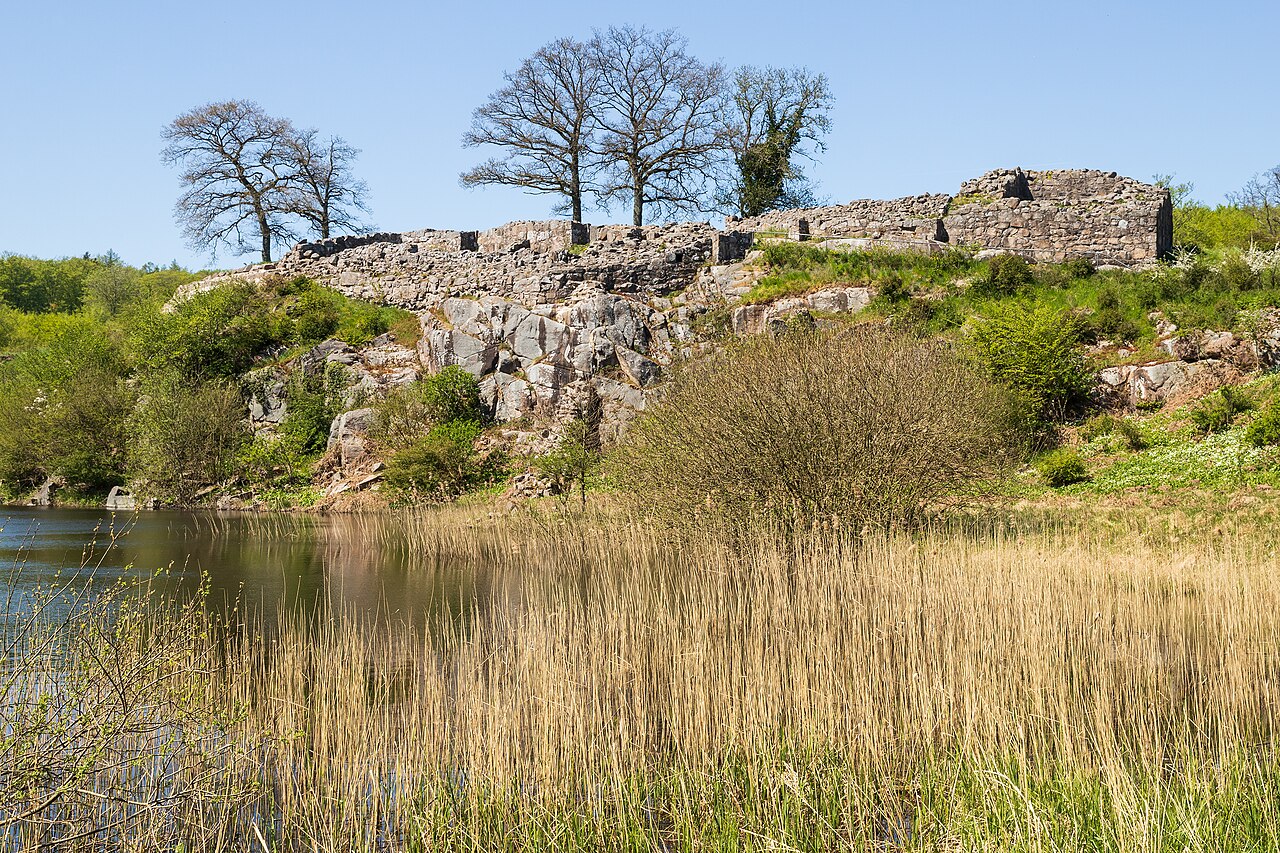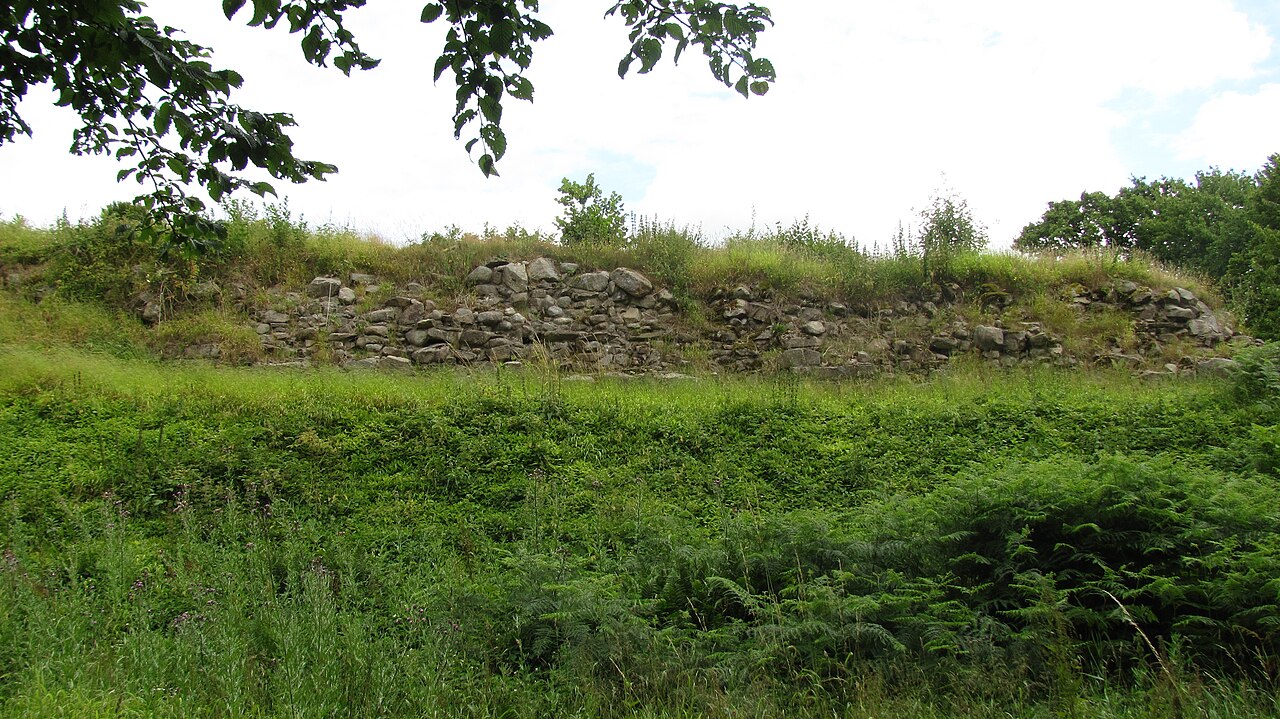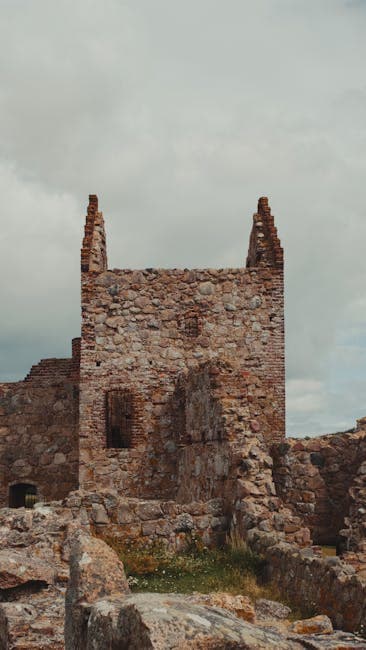
Hammershus Castle Ruins stand as one of Denmark's most iconic medieval fortifications, prominently located on the northwest coast of Bornholm Island. This majestic fortress, perched atop a steep cliff approximately 74 meters above the Baltic Sea, offers commanding views of the surrounding waters and landscape, underscoring its strategic importance throughout history. Recognized as the largest medieval fortress in Northern Europe, Hammershus is a testament to the turbulent power struggles that shaped Denmark and the Baltic region during the Middle Ages.
Constructed in the late 13th century, around the 1290s, by the Archbishopric of Lund, the fortress was originally intended as a stronghold to assert ecclesiastical authority over Bornholm and to serve as a refuge during the conflicts between the Danish monarchy and the Catholic Church. The castle's location on Bornholm, an island strategically situated in the Baltic Sea between modern-day Sweden and Poland, made it a vital military and administrative center for controlling maritime routes and regional power.
Historical context and construction
The origins of Hammershus are closely linked to the intense political and religious conflicts of the 13th century. The castle was likely initiated under Archbishop Jakob Erlandsen, a prominent figure known for his resistance against royal authority. The fortress was designed not only as a military bastion but also as a symbol of the church's temporal power in the region.
Throughout the 13th and 14th centuries, Hammershus was a focal point in the ongoing struggle between the Danish kings and the archbishops of Lund. It changed hands multiple times, reflecting the shifting balance of power. King Erik V Klipping seized the castle in 1265, but it was returned to church control by 1276. Later, King Erik VI Menved's marshal, Ludvig Albertsen Eberstein, captured it in 1319. After a prolonged siege lasting sixteen months between 1324 and 1325, King Valdemar Atterdag temporarily took control, although the fortress soon reverted to ecclesiastical hands.
The role of hammershus in regional conflicts
During the early 16th century, Hammershus continued to play a significant role in regional power dynamics. In 1522, King Christian II occupied the fortress and imprisoned Bishop Jens Andersen Beldenak within its walls. That same year, forces from the Hanseatic city of Lübeck captured the castle, holding it as security for their interests on Bornholm until 1576. The Lübeck occupation led to significant repairs and fortification enhancements, adapting the castle to the evolving demands of artillery warfare.
Following the return of Bornholm to Danish control in 1576, the fortress's military significance declined due to advances in artillery technology, which rendered many medieval fortifications obsolete. Nonetheless, Hammershus remained strategically important during the mid-17th century conflicts with Sweden, enduring two brief occupations in 1645 and 1658. The assassination of the Swedish governor Johan Printzensköld by local insurgents at the fortress in 1658 was a pivotal moment that facilitated Bornholm's reintegration into Danish rule.
Architectural features and fortifications
Hammershus is a vast complex extending over approximately 35,000 square meters, enclosed by formidable stone walls totaling around 750 meters in length. The fortress is divided into a central castle area and two outer baileys, each protected by multiple defensive rings. Its location on a rocky promontory with steep cliffs on the seaward side provided natural defenses, while the landward sides were secured by thick walls and a moat.
The castle's defensive design includes several prominent features: a deep moat crossed by a curved bridge that controlled access, multiple towers equipped with artillery positions, and robust curtain walls designed to withstand siege weaponry. The Manteltårnet or mantle tower, constructed during later fortification phases by Bernt Knop, is a key element of the central keep and played a crucial role in resisting Swedish naval assaults in 1645.
Within the inner courtyard, known as slotsgården, were essential buildings such as storerooms, stables, and living quarters for the castle's garrison and household. The fortress also featured two natural ponds in its northwest corner, which likely served as a freshwater source for inhabitants during sieges.
Defensive adaptations and artillery enhancements
During the 16th century, especially under the Lübeck occupation, Hammershus underwent significant modifications to accommodate artillery advancements. The addition of bastioned walls and reinforced towers allowed defenders to mount cannons strategically, improving the castle's ability to repel attackers. These adaptations reflect the transition from medieval fortifications designed primarily for defense against siege engines to early modern bastioned fortresses capable of withstanding gunpowder artillery.
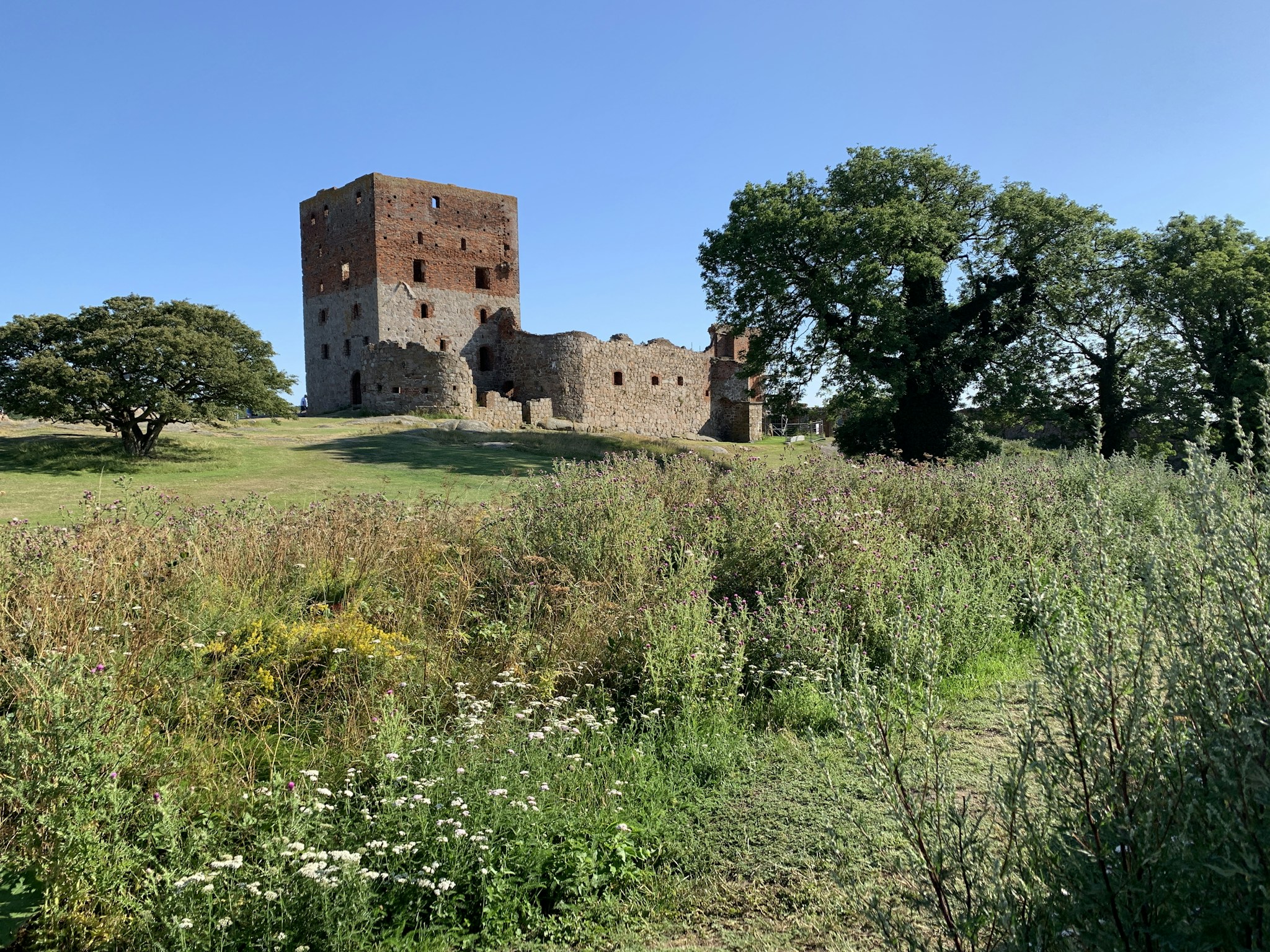
Photo by Torsten Dederichs
Later uses and preservation efforts
After its military importance waned, Hammershus served various roles, including functioning as a state prison from the late 16th century. Notable prisoners included Corfitz Ulfeldt and Leonora Christina Ulfeldt in the 1660s, as well as the German alchemist Johann Conrad Dippel in the early 18th century. The prison function ceased by 1743, after which the fortress was gradually abandoned and used as a quarry for building materials.
Recognizing its cultural and historical significance, the Danish crown granted Hammershus royal protection in 1822. Preservation and stabilization efforts began in earnest in 1990 to maintain the ruins and prevent further decay. These efforts aim to preserve the fortress's dramatic medieval character and its role as a symbol of Bornholm's rich heritage.
In 2018, a modern visitor center designed by Christoffer Harlang and Arkitema Architects was opened adjacent to the ruins, providing educational resources and enhancing the visitor experience. The center complements the site by offering exhibitions on the castle's history, architecture, and the broader historical context of Bornholm and the Baltic region.
Visiting hammershus today
Today, Hammershus Castle Ruins are a major tourist attraction on Bornholm Island, drawing visitors interested in medieval history, architecture, and stunning natural scenery. The site is accessible year-round, with well-maintained paths and informative signage guiding visitors through the extensive remains. The combination of natural beauty and historical significance makes Hammershus a unique destination for those exploring Denmark's medieval past and the Baltic's strategic heritage.
Frequently asked questions (FAQ)
- How do I get to Hammershus Castle Ruins?
- Hammershus Castle Ruins are located near the town of Allinge on Bornholm Island, Denmark. Visitors can reach the site by car or local bus services from Rønne, the island's main town. Parking is available near the visitor center.
- What is the best time to visit Hammershus Castle Ruins?
- The best time to visit Hammershus is during the late spring to early autumn months when the weather is mild and the visitor center is fully operational. Summer offers the longest opening hours and various guided tours.
- Is Hammershus Castle accessible for people with mobility issues?
- While the visitor center is accessible, the castle ruins are situated on rugged terrain with steep paths and uneven surfaces, which may be challenging for visitors with mobility impairments. Some areas may not be fully accessible.
- What can I see at Hammershus Castle Ruins?
- Visitors can explore extensive medieval ruins including the massive curtain walls, the Manteltårnet (mantle tower), defensive bastions, and the inner courtyard. Informative displays at the visitor center provide historical context and architectural details.
- Are guided tours available at Hammershus?
- Yes, guided tours are offered seasonally, providing in-depth insights into the castle's history, architecture, and the strategic importance of Bornholm. Check the visitor center for tour schedules and availability.
Photo gallery

Photo by Jonathan B

Information
Opening hours
10:00-17:00, daily
Ticket prices
€8 adult, €4 child
Current owner
State museum
Website
Visit websiteSources & official resources
Verify the information above using these authoritative references.
Loading map...
Visitor reviews
No reviews yet. Been here? Write the first review and help other travelers!
Write the first reviewVisited this castle? Share your experience
Your review helps other travelers and adds first-hand knowledge to our encyclopedia.