
Bosnia and Herzegovina
Castle heritage and historical fortifications of bosnia and herzegovina
Bosnia and Herzegovina, located at the crossroads of Eastern and Western Europe, boasts a rich tapestry of castle heritage and historical fortifications shaped by a complex history of empires, kingdoms, and cultural influences. The rugged terrain of the Dinaric Alps provided natural defenses that were augmented by a variety of man-made fortifications, reflecting the strategic importance of the region throughout medieval and early modern periods.
The country's castles and fortresses are significant reminders of Bosnia and Herzegovina's turbulent past, from medieval Bosnian rulers to Ottoman conquest and Austro-Hungarian influence. These structures serve not only as defensive bulwarks but also as symbols of power and cultural identity, showcasing the evolution of military architecture in the Balkans.
Continue reading below — scroll for the full article.
Castles in Bosnia and Herzegovina
Discover 9 magnificent castles across the country






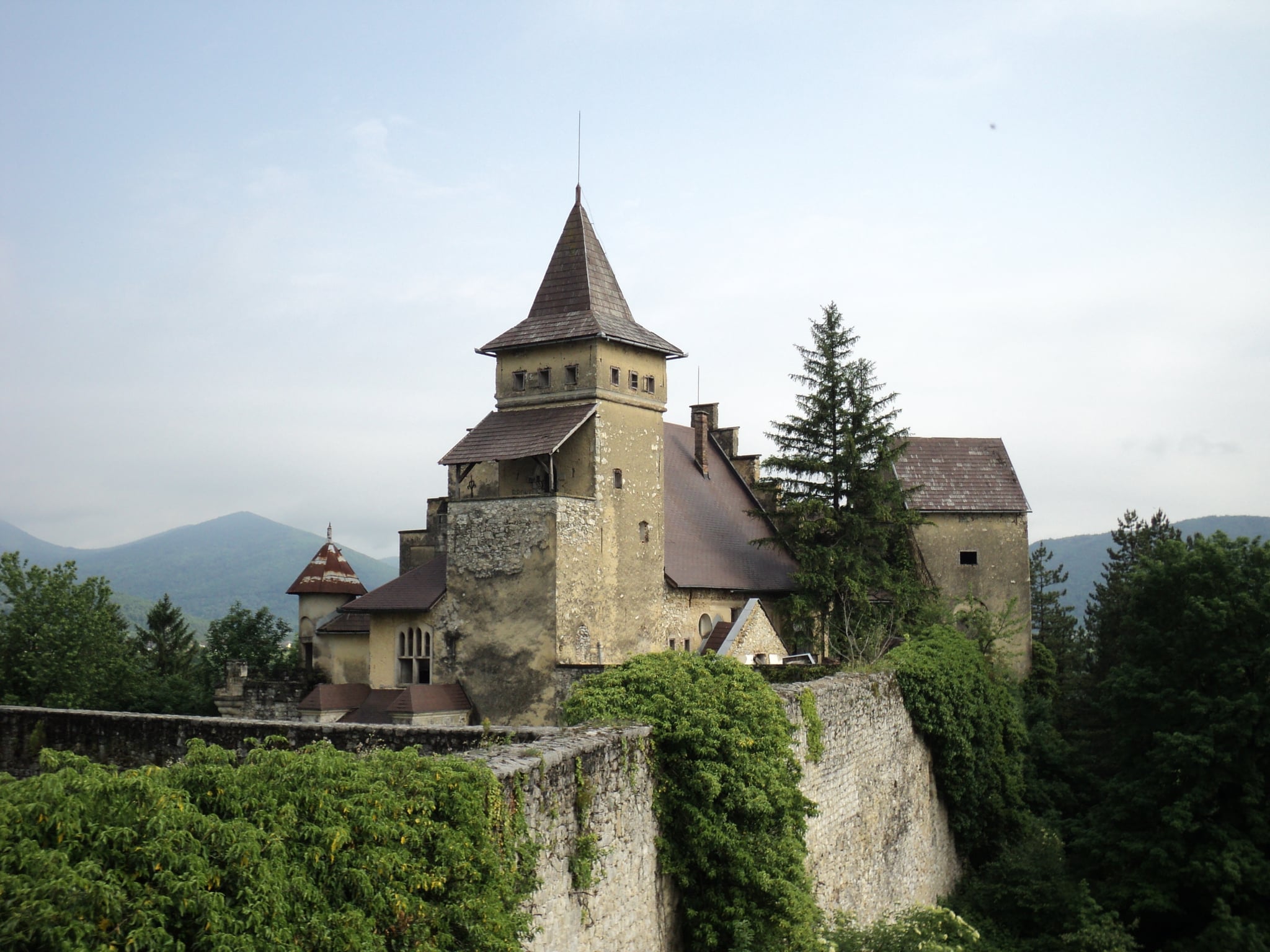
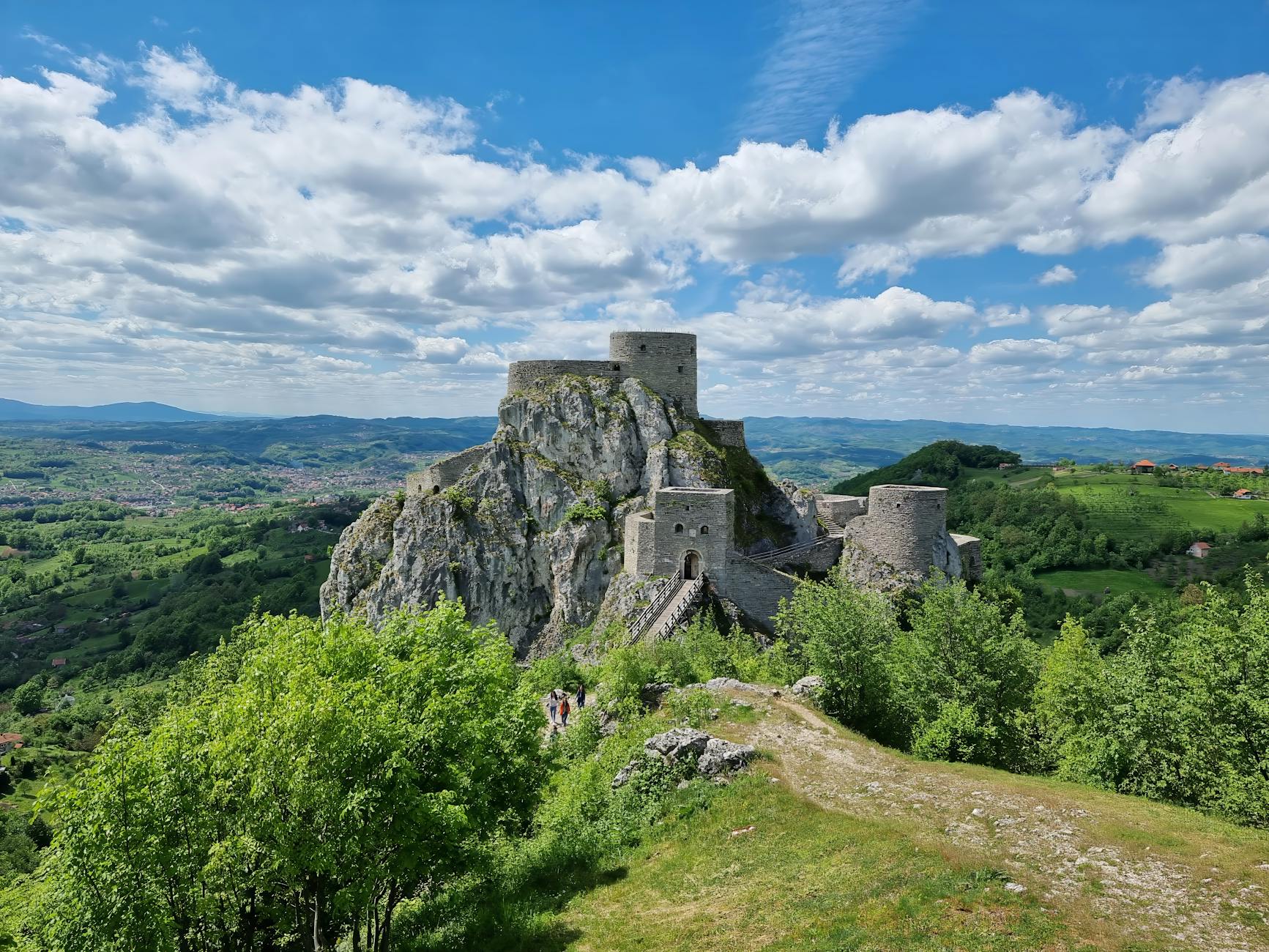

Historical background and medieval period
The medieval period was pivotal in shaping the castle heritage of Bosnia and Herzegovina. The region emerged as a distinct political entity in the 12th and 13th centuries with the rise of the Banate and later the Kingdom of Bosnia. During this time, numerous castles and fortresses were constructed to protect key routes, settlements, and political centers.
Many fortifications were initially built as simple wooden or earthworks but evolved into more complex stone structures. They often served as residences for local rulers and nobility while functioning as military strongholds. The Kingdom of Bosnia reached its zenith in the 14th century, with rulers like Tvrtko I consolidating power and enhancing defensive architecture.
The fall of the medieval Bosnian state in the 15th century to the expanding Ottoman Empire marked a new chapter in the region's fortification history, as many castles were adapted or rebuilt to meet changing military needs.
Types of fortifications in bosnia and herzegovina
The defensive architecture of Bosnia and Herzegovina encompasses a variety of fortification types, each serving distinct strategic purposes. These include castles, hilltop fortresses, fortified towns, and extensive defensive walls.
Castles and hilltop fortresses
Castles in Bosnia and Herzegovina were often situated on elevated terrain, taking advantage of natural topography for defense. These hilltop fortresses commonly feature thick stone walls, towers, and keep-like structures. For example, Jajce Fortress stands on a steep hill overlooking the confluence of two rivers, illustrating typical medieval castle placement and design.
Fortified towns and city walls
Some urban centers were protected by fortified walls and gates, integrating residential and commercial areas with defensive measures. The walled town of Travnik showcases remnants of such fortifications, reflecting the blend of military and civilian architecture.
Ottoman fortifications
With the Ottoman conquest in the 15th century, fortifications often incorporated new elements such as bastions adapted for artillery defense. The Travnik Fortress, rebuilt and expanded during Ottoman rule, exemplifies these modifications, blending medieval and early modern military architecture.
Architectural styles and influences
The architecture of Bosnia and Herzegovina's castles reflects a convergence of styles influenced by local traditions and external powers. The medieval Bosnian style was characterized by robust stone construction, simple geometric shapes, and functional design suited to the hilly landscape.
By contrast, Ottoman influence introduced new architectural elements like rounded bastions, gunports, and more complex gatehouses designed to withstand cannon fire. This fusion is evident in fortresses such as Jajce and Travnik, where medieval stonework coexists with Ottoman military innovations.
Austro-Hungarian rule in the 19th century also left its mark on some fortifications, incorporating European military engineering principles and modernization efforts, although many castles had already declined in military importance by this time.
Regional variations in fortifications
Fortifications in Bosnia and Herzegovina vary according to geography and historical context. The mountainous western and central regions tend to feature hilltop castles designed to control mountain passes and river valleys.
In the northeastern plains, fortresses often had to contend with different threats and thus sometimes included more extensive outer walls and lower-profile designs suitable for artillery defense. Coastal and southern areas, influenced by Venetian and later Ottoman maritime interests, show fortifications adapted to control strategic trade routes and protect against both land and sea invasions.
The Bobovac Fortress, located near Vareš in central Bosnia, exemplifies a medieval hilltop castle combining residential and military functions, while Jajce Fortress in the northwest illustrates the strategic defense of river confluences and trade routes.
Notable periods of castle construction
Several key phases of castle construction can be identified in Bosnia and Herzegovina's history. The earliest substantial fortifications date from the 12th to 14th centuries during the rise of the Bosnian Banate and later kingdom. This period saw the construction of many stone castles serving as seats of power and military outposts.
Following the Ottoman conquest in the late 15th century, many existing castles were rebuilt or expanded to accommodate new military technologies, particularly artillery. This period also saw the construction of new fortresses such as the reinforced Travnik Fortress, reflecting the changing nature of warfare.
The 17th and 18th centuries involved further modernization efforts, but the role of castles gradually diminished due to changes in military strategy and the rise of centralized state structures. Many fortresses fell into disuse or were partially dismantled during this time.
Preservation and current state of bosnian castles
Today, the castles and fortresses of Bosnia and Herzegovina vary widely in their state of preservation. Some, like Jajce Fortress and Travnik Fortress, have been partially restored and maintained as cultural monuments. Others remain in ruins, threatened by natural decay and lack of conservation resources.
Preservation efforts are often challenged by limited funding and the impact of past conflicts, including the Bosnian War of the 1990s, which damaged several historic sites. Nonetheless, increasing recognition of the cultural and historical value of these fortifications has spurred initiatives to protect and promote them.
Castle tourism and accessibility
Castles and fortresses form an important part of Bosnia and Herzegovina’s cultural tourism. Many sites are accessible to visitors and offer panoramic views, historical exhibits, and events that bring medieval history to life. Jajce Fortress, in particular, attracts tourists with its dramatic setting and well-preserved structures.
Other fortifications like Travnik Fortress also serve as cultural venues hosting festivals and exhibitions. However, some castles remain difficult to reach due to their remote locations and limited infrastructure, which presents both challenges and opportunities for sustainable tourism development.
Cultural significance and heritage
The castles and fortifications of Bosnia and Herzegovina are more than military relics; they are integral to the nation’s cultural identity and historical consciousness. They symbolize the resilience and strategic importance of the region through centuries of political upheaval and cultural exchange.
These sites often feature in local legends and national narratives, representing the legacy of medieval Bosnian statehood and the complex interactions between European and Ottoman civilizations. As tangible heritage, they connect present generations with their medieval past and inspire ongoing efforts to preserve Bosnia and Herzegovina’s unique historical landscape.
Castle Locations in Bosnia and Herzegovina
Explore all castle locations on an interactive map
Loading castle locations...