Ostrozac Castle
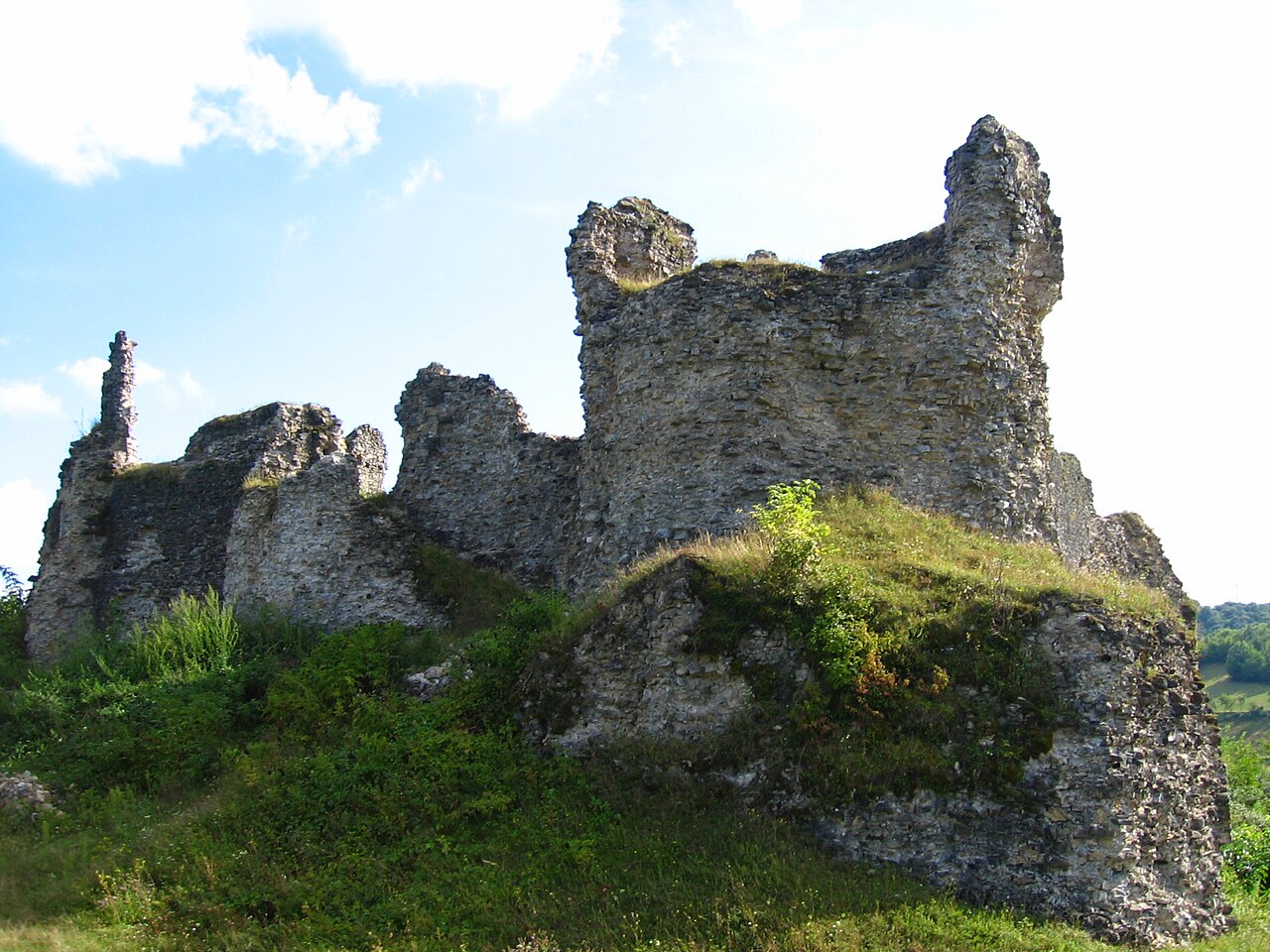
Ostrožac Castle stands as a remarkable historical fortress located just outside the town of Cazin, near the village of Ostrožac in the Una-Sana Canton of Bosnia and Herzegovina. This hill castle is perched 206 meters above the left bank of the Una River, commanding a strategic vantage point that has been valued since medieval times. Ostrožac Castle's origins trace back to the 13th century, with its first recorded mention in 1286 as the property of the Croatian noble family Babonić (Babovići of Blagaj), marking it as one of the oldest and most enduring castles in the region.
The castle's architectural and historical evolution reflects the complex cultural and political shifts in Bosnia and Herzegovina over centuries. Initially constructed as a medieval fortress, Ostrožac was expanded and modified repeatedly, especially during the Ottoman period beginning in the late 16th century. The fortress was captured by Ottoman forces by 1577 and officially incorporated into the Ottoman province of Bosnia by 1592. This transition marked a significant shift in the castle's function and design, as it became a key military stronghold within the Ottoman defensive system.
Historical development and ownership
Throughout its history, Ostrožac Castle has been under the control of various rulers and families, each leaving their mark on its structure and significance. After its initial association with the Babonić family, the castle passed to Antun Bakšić in the mid-16th century. The Ottoman conquest brought new administrative and military roles, with the castle serving as a captaincy seat in the Bihać district (krajina) during the 19th century.
In 1833, the fortress was heavily armed with 28 cannons, underscoring its defensive importance. The Beširević family held leadership roles until 1837, when Murad Beg Beširević was removed due to his opposition to Sultan Mahmud II’s reforms. The castle remained under Ottoman control until the early 20th century.
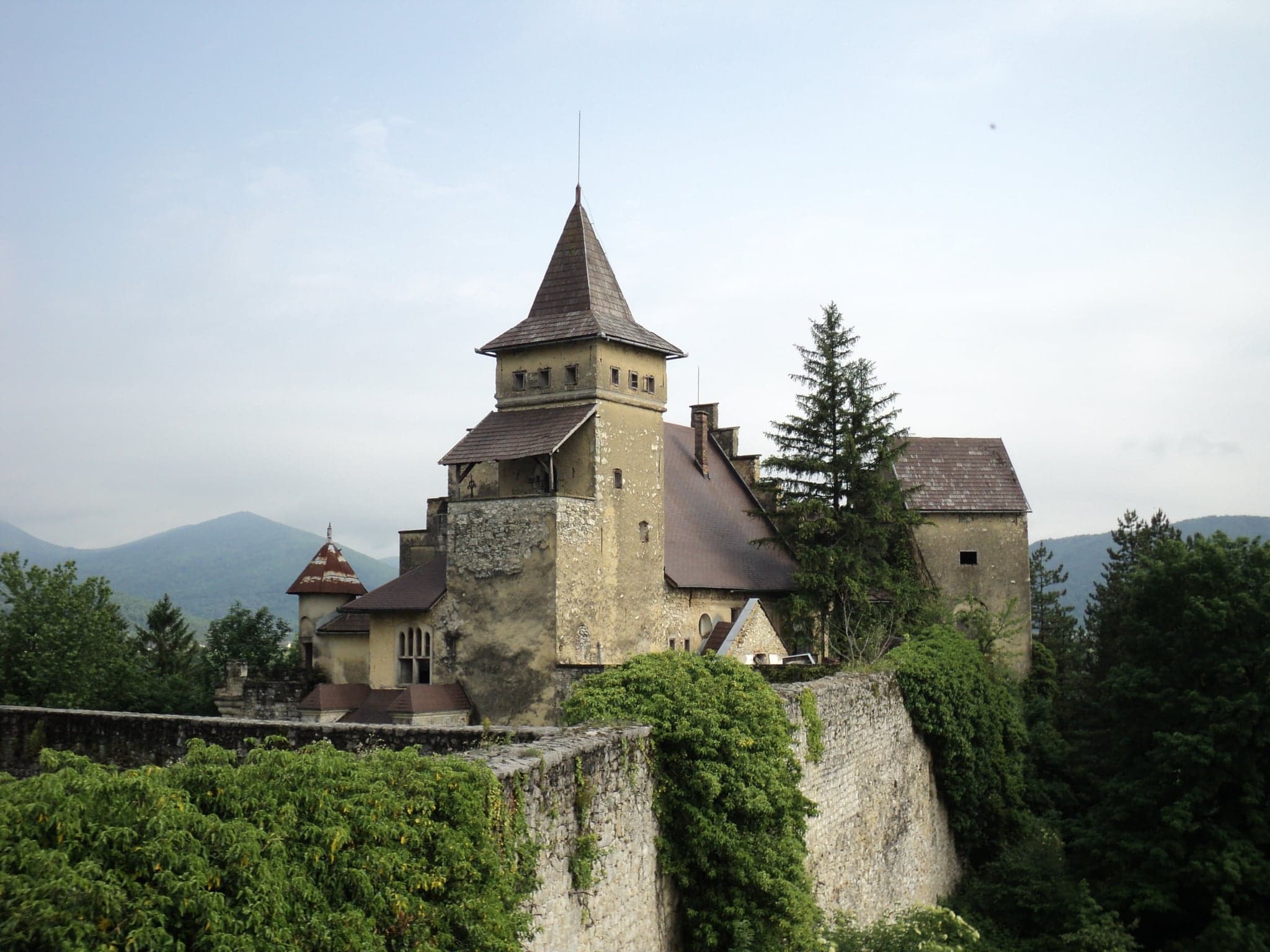
In 1902, ownership changed hands when Mehmed Beg Beširević sold the property to Lothar Von Berks, an Austrian officer connected to the Habsburg family through his wife. Von Berks undertook a significant reconstruction from 1900 to 1906, transforming parts of the fortress into a villa styled in the Romantic architectural tradition. This renovation was reportedly a birthday gift for his wife and introduced a new aesthetic dimension to the castle, blending historic fortifications with early 20th-century European romanticism.
Architectural features and layout
Ostrožac Castle features an irregular defensive layout characteristic of hill castles, with walls punctuated by multiple towers designed for military defense. The fortress is distinctly divided into two main sections: the older northern "National" section and the southern "Divine" section, the latter added by the Ottomans around 1700. This division reflects the castle’s layered construction phases and functional adaptations over time.
The northern part retains medieval elements and early Ottoman modifications, while the southern extension showcases Ottoman military architectural influences, including reinforced walls and additional towers. The castle’s fortifications were designed to withstand artillery attacks, as evidenced by the placement of numerous cannons in the 19th century.
Lothar Von Berks' early 20th-century renovations introduced Romantic stylistic elements, converting parts of the fortress into a residence with villa-like features. This blend of medieval fortification and Romantic architecture creates a unique visual and historical tapestry, making Ostrožac Castle a fairy-tale-like landmark for visitors.

Photo by Dragan Zeba • CC BY 3.0
Cultural significance and modern use
During World War II, Ostrožac Castle served as a command post for the National Liberation Movement, highlighting its continued strategic and symbolic importance. Since 1970, the castle grounds have hosted an artist colony dedicated to sculpture, known as the Ostrožac Colony of Sculptors. This initiative has produced over 150 monumental sculptures carved from bihacite, a distinctive local stone, which are displayed throughout the castle’s open-air spaces, enriching its cultural landscape.
Recognizing its historical and cultural value, Bosnia and Herzegovina’s Commission for National Monuments designated Ostrožac Castle as a National Monument on November 7, 2013. Despite this status, the castle remains in a fragile condition, with restoration efforts limited primarily to urgent repairs. The castle grounds are accessible to the public and are used for local concerts and entertainment, fostering community engagement and tourism.
Preservation challenges and future prospects
Ostrožac Castle faces ongoing preservation challenges due to its age, historical wear, and limited restoration funding. Although some repairs have been undertaken, comprehensive restoration plans are still pending. Ownership disputes have complicated conservation efforts, but local authorities and citizens of Cazin and Ostrožac actively use the castle grounds, supporting its role as a cultural and historical venue.
The castle’s combination of medieval, Ottoman, and Romantic architectural elements, along with its rich history and artistic significance, make it a unique heritage site in Bosnia and Herzegovina. Continued preservation and promotion could enhance its appeal as a tourist destination and cultural landmark in the region.
Frequently asked questions (FAQ)
- How do I get to Ostrožac Castle from Cazin?
- Ostrožac Castle is located just outside the town of Cazin, approximately 14 kilometers northeast of Bihać. Visitors can reach the castle by car or local transport, following signs to the village of Ostrožac. The castle is situated on a hill above the Una River, making it accessible via a short walk from the parking area.
- What is the historical significance of Ostrožac Castle?
- Ostrožac Castle is historically significant as a medieval fortress first mentioned in 1286 and later expanded under Ottoman rule. It played a key military role in the region, especially during the Ottoman period, and was transformed into a Romantic-style villa in the early 20th century. It also served as a command post during World War II and is now a National Monument.
- Can I visit the sculpture park at Ostrožac Castle?
- Yes, the castle grounds host an open-air sculpture park featuring over 150 monumental works carved from local bihacite stone. This sculpture colony has been active since 1970, and visitors can explore the artworks displayed throughout the castle's courtyards and gardens.
- Is Ostrožac Castle fully restored and open to the public?
- Ostrožac Castle is partially preserved and currently undergoing slow repairs. While not fully restored, the castle grounds are accessible to the public and used for local cultural events such as concerts and exhibitions.
- When was the castle expanded by the Ottomans?
- The Ottomans expanded Ostrožac Castle around the year 1700, adding the southern "Divine" section to the existing northern "National" part, enhancing its defensive capabilities.
Photo gallery


Information
Website
Visit websiteSources & official resources
Verify the information above using these authoritative references.
Loading map...
Visitor reviews
No reviews yet. Been here? Write the first review and help other travelers!
Write the first reviewVisited this castle? Share your experience
Your review helps other travelers and adds first-hand knowledge to our encyclopedia.