Blagaj Castle
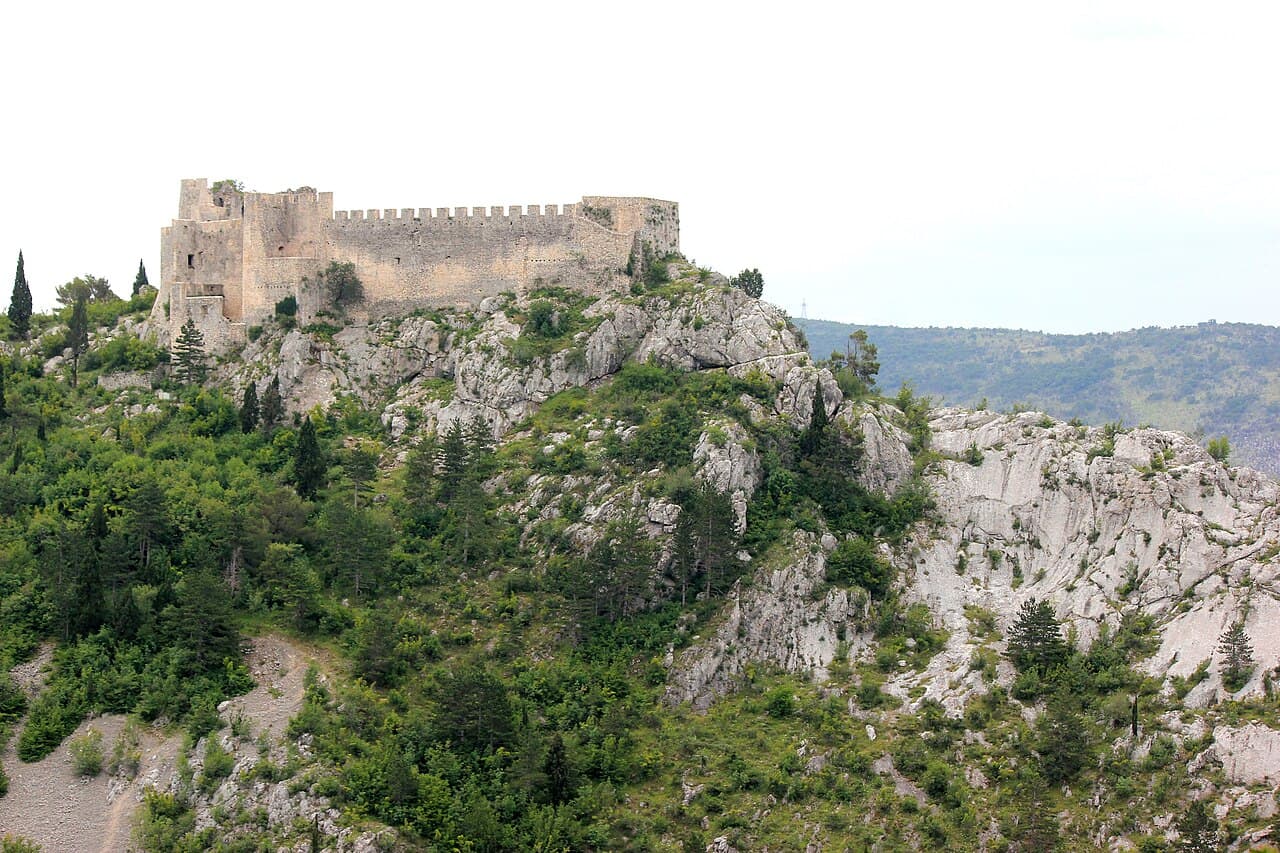
Blagaj Castle, also known as Blagaj Fortress, is a remarkable hill castle located near Mostar in Bosnia and Herzegovina. Perched atop a high and naturally inaccessible karst hill, it commands sweeping views of the surrounding valley and the Neretva River. This strategic position has made it a significant fortified site from prehistoric times through the Roman, early medieval, medieval, and Ottoman periods. The castle complex encompasses over 2 hectares and exhibits a fascinating architectural evolution reflecting centuries of military and political history.
Historical significance and early origins
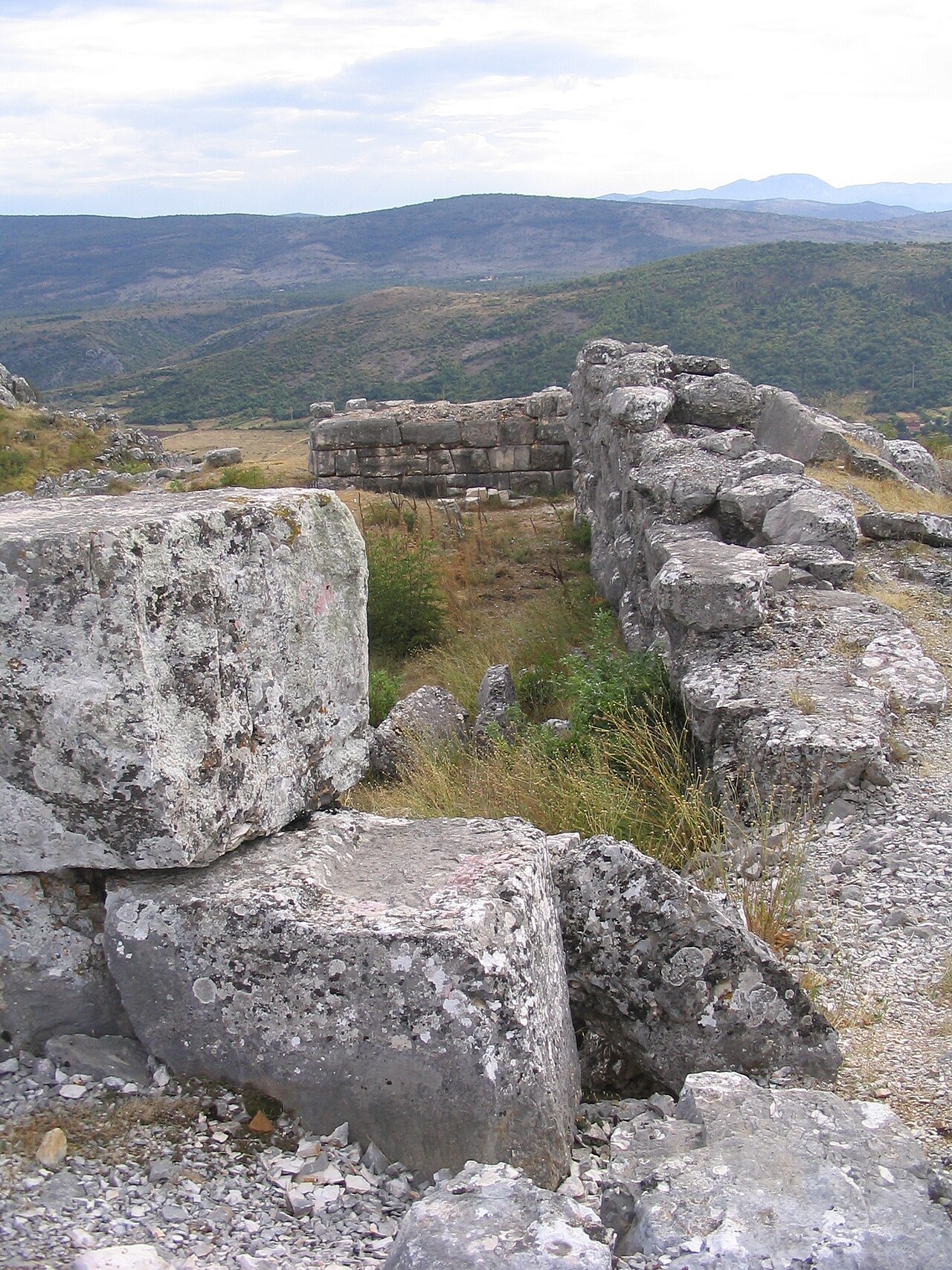
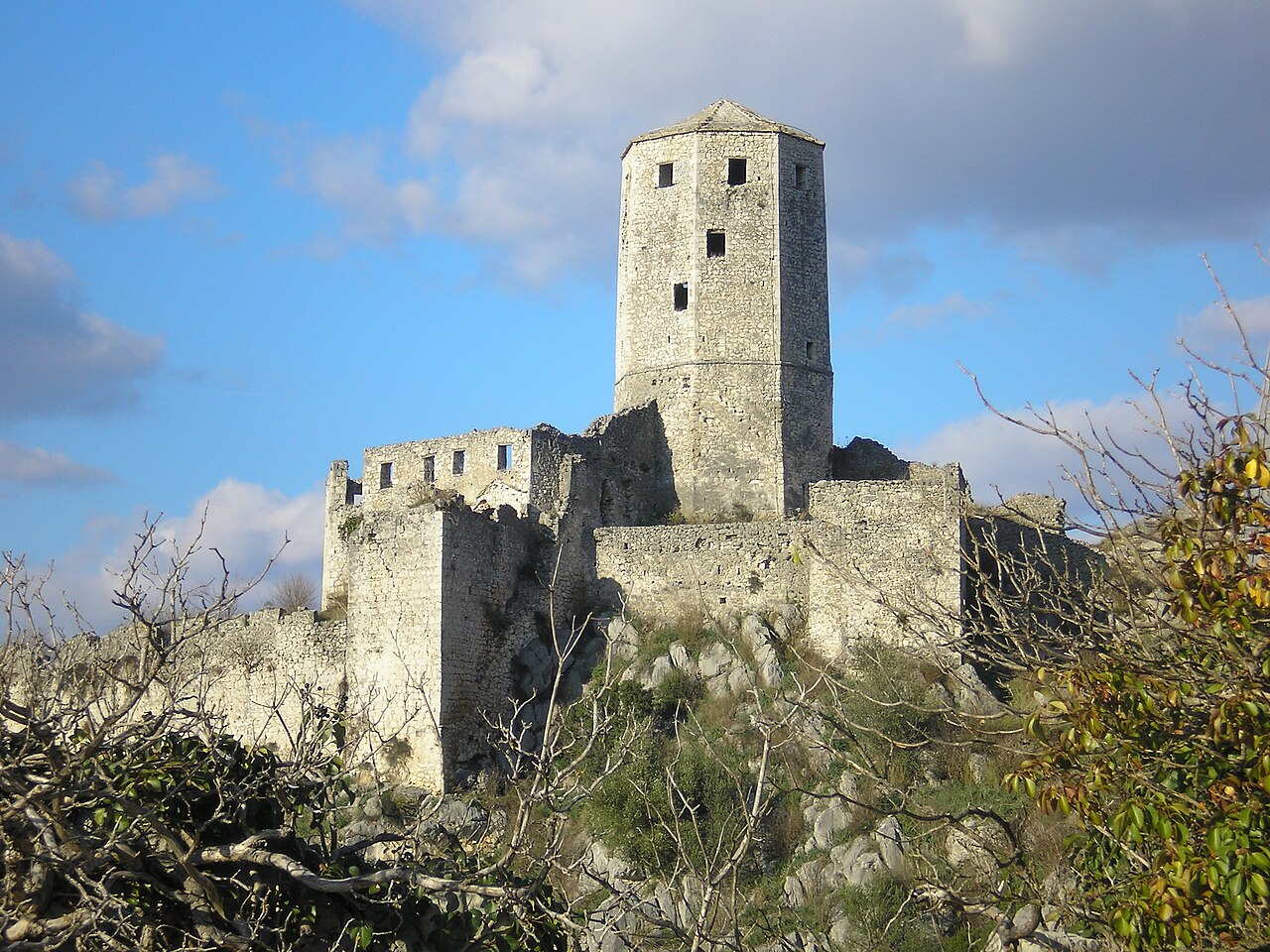
The site of Blagaj Castle shows evidence of continuous human occupation dating back to prehistoric and Roman times. Archaeological remains reveal three main fortified points crowning the hill: the Mala gradina on the north-eastern summit, interpreted as a Roman or late antique observation post (specula or burgus); a prehistoric hillfort on the south-eastern summit; and the Stjepan grad on the south-western summit, which comprises the medieval and Ottoman fortress complex visible today.
The earliest written mention of the site dates to the mid-10th century, in the Byzantine "Treatise on Peoples" by Emperor Constantine Porphyrogenitus, which references two forts in the region likely corresponding to parts of the Blagaj complex. During the early medieval period, Blagaj played an important role in the development of the region known as Hum or Zahumlje. Its location along a principal trade route linking the Adriatic Sea to the Bosnian interior via the Neretva valley enhanced its strategic and economic importance.
Local rulers such as Prince Miroslav of Hum held court here, commissioning religious buildings including a church dedicated to Saints Cosmas and Damian, commemorated by a Cyrillic plaque now housed in the National Museum of Bosnia and Herzegovina. The fortress later became a residence for notable Bosnian nobility, including Duke Sandalj Hranić and Count Stjepan Vukčić Kosača, the latter lending his name to the fortress as Stjepan grad.
Architectural features and fortifications
Blagaj Castle is built on a naturally flat plateau atop the karst hill, surrounded on three sides by steep vertical cliffs that serve as natural defenses. The fortress's irregular polygonal layout closely follows the terrain, enclosing an area of approximately 1,700 square meters. The quarry stone walls reach heights of 12 to 14 meters and are between 1.5 and 2 meters thick, with the eastern curtain wall being the tallest and thickest.
The main entrance is located on the eastern wall and is protected by a complex gatehouse system comprising an outer forecourt, a forecourt, and the gatehouse itself. The gatehouse walls are notably thicker and higher than those of the forecourts, underscoring their defensive importance. Access to the fortress is via a steep, narrow bridle path approximately 900 meters long.
Throughout its history, the fortress underwent several phases of construction and reinforcement. In the 6th century, the walls were heightened using the opus spicatum (herringbone) masonry technique, characteristic of the Justinian era. Further thickening and reinforcement occurred in the late 14th and early 15th centuries, including the addition of an outer wall about ten meters from the main fortifications, creating a trench-like defensive space.
Damage caused by a gunpowder explosion in the eastern wall's central tower during the 18th or early 19th century led to repairs that altered the original structure. The fortress features four towers and multiple gunports designed for firearms defense, reflecting adaptations to evolving military technology.
Palace complex and internal structures
Within the fortress lies the remains of a palace complex of irregular rectangular shape, indicating the residential and administrative functions of the site. Excavations have uncovered various artifacts including medieval pottery, iron implements, glass fragments, and charred grain, attesting to the site's long-term occupation and daily life.
A stone walkway once ran along the walls, accessible by five separate staircases, and was likely extended by a wooden gallery, traces of which remain. The fortress's design balances natural topography with constructed defenses, exemplifying medieval military architecture adapted to local conditions.
Ottoman period and later history
The fortress fell under Ottoman control in 1465, soon becoming an administrative center with a local judge (kadija) recorded by 1473. The Ottomans undertook repairs and modifications, including restoration of the west tower in 1699 and further rebuilding in 1827. A garrison was maintained until 1835, although the fortress's strategic importance declined with the rise of nearby Mostar.
After the 16th century, maintenance and construction were carried out by local craftsmen known as dunđeri, reflecting a shift from professional military engineering to practical upkeep. The fortress's layered history is evident in its architecture and archaeological remains, showcasing Roman, medieval, and Ottoman influences.
Archaeological discoveries and cultural significance
Excavations by the National Museum of Bosnia and Herzegovina in 1965 revealed a rich assemblage of artifacts spanning multiple periods. Finds include Illyrian pottery, Roman roofing tiles, medieval ceramics, and Ottoman construction materials, illustrating the site's continuous occupation and reuse.
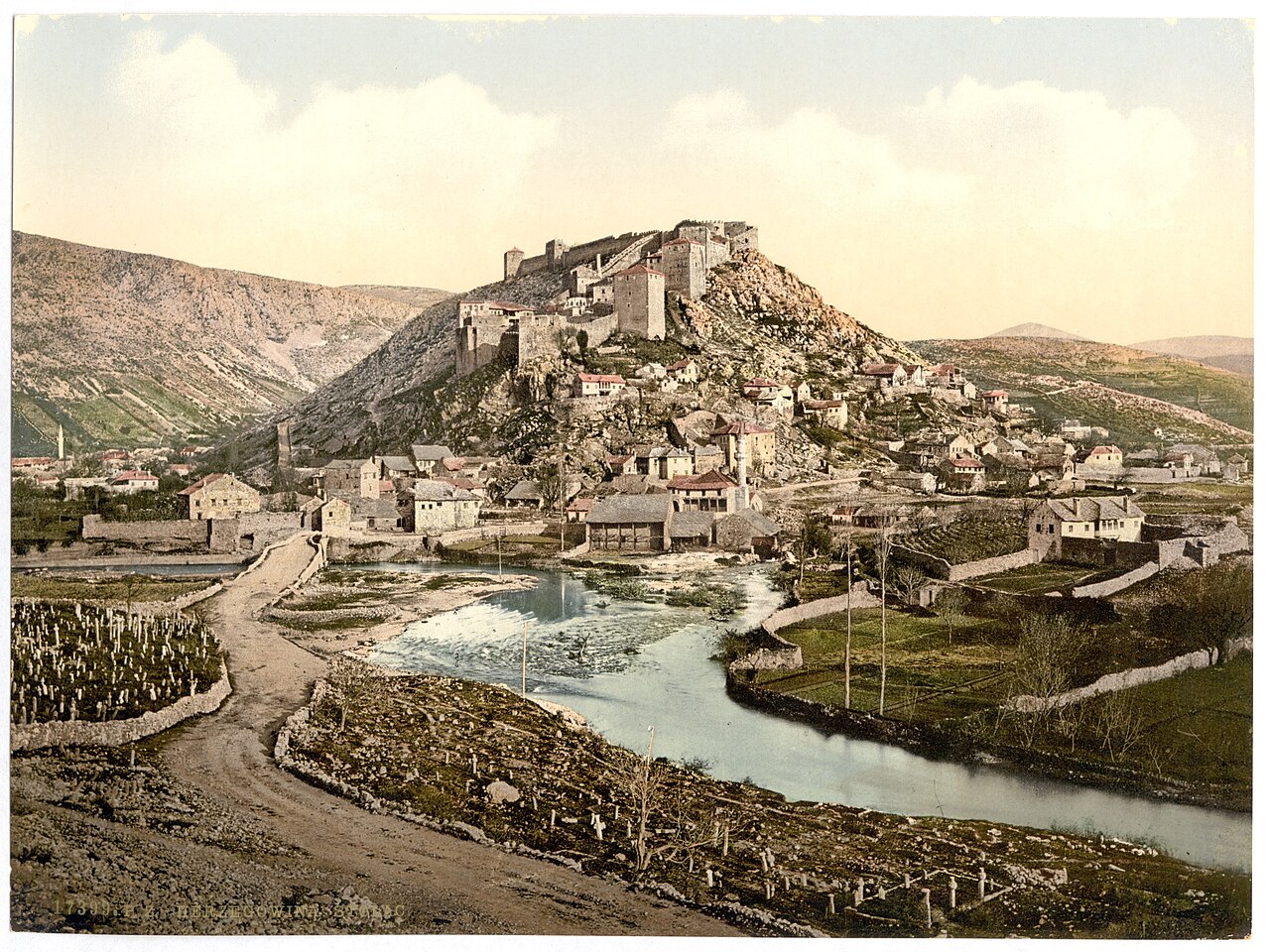
Below the fortress lies the Šehitluk, an ancient Muslim cemetery with damaged graves and traditional nišan tombstones, considered one of the oldest burial grounds in the Blagaj area. This cemetery adds to the cultural and historical depth of the site.
Blagaj Castle was officially declared a National Monument of Bosnia and Herzegovina on December 6, 2003, recognizing its outstanding historical, architectural, and cultural value.
Visiting Blagaj Castle today
Today, Blagaj Castle stands as a well-preserved example of a hill castle that encapsulates centuries of Balkan history. Visitors can explore the extensive ruins, including the massive walls, towers, gatehouse, and palace remains. The dramatic natural setting atop the karst hill enhances the visitor experience, offering panoramic views of the Neretva valley and the historic town of Blagaj below.
The site provides valuable insights into early medieval fortification techniques, Byzantine-era masonry, and Ottoman military architecture. Its accessibility via a steep path requires some physical effort, but the historical and scenic rewards are considerable for those interested in castle architecture and Balkan history.
Frequently asked questions (FAQ)
- What is the historical significance of Blagaj Castle?
- Blagaj Castle, located in Mostar, Bosnia and Herzegovina, dates back to the 14th century and played a crucial role in the defense against Ottoman invasions. Its strategic position offers breathtaking views of the Buna River and the surrounding landscape, making it a vital military stronghold of its time.
- When was Blagaj Castle built?
- Blagaj Castle was constructed in the mid-14th century, specifically around 1350, during the period of the medieval Bosnian state. The castle reflects the architectural style of the time and showcases the historical significance of the region.
- Can I visit Blagaj Castle year-round?
- Yes, Blagaj Castle is open to visitors year-round, but the best time to visit is during the spring and fall when the weather is mild. However, accessibility may vary during the winter months due to snow and ice.
- What are the opening hours for Blagaj Castle?
- Blagaj Castle typically opens at 9 AM and closes at 6 PM during the summer months, while winter hours may be shorter. It's recommended to check the official website or local information prior to your visit for the most accurate schedule.
- Is Blagaj Castle accessible for visitors with mobility challenges?
- The castle is situated on a hill and requires a moderate hike to reach, which may pose challenges for visitors with mobility issues. However, the stunning views and historical significance make it a worthwhile visit if you are able to navigate the terrain.
- What are the ticket prices for visiting Blagaj Castle?
- The entrance fee for Blagaj Castle is usually quite affordable, typically around 5 BAM (Bosnian Convertible Marks). This small fee contributes to the preservation and maintenance of the site.
- Are there nearby attractions to explore after visiting Blagaj Castle?
- Yes, after visiting Blagaj Castle, you can explore the nearby Blagaj Tekke, a historic Dervish house located on the banks of the Buna River. The picturesque scenery and cultural significance of the area make it an enriching addition to your trip.
- When is the best time to visit Blagaj Castle?
- The best time to visit Blagaj Castle is during the spring (April to June) and fall (September to October) when the weather is pleasant and the tourist crowds are smaller. These seasons provide ideal conditions for exploring the castle and enjoying the stunning views.
Photo gallery

Information
Loading map...
Visitor reviews
No reviews yet. Been here? Write the first review and help other travelers!
Write the first reviewVisited this castle? Share your experience
Your review helps other travelers and adds first-hand knowledge to our encyclopedia.