Buzim Castle
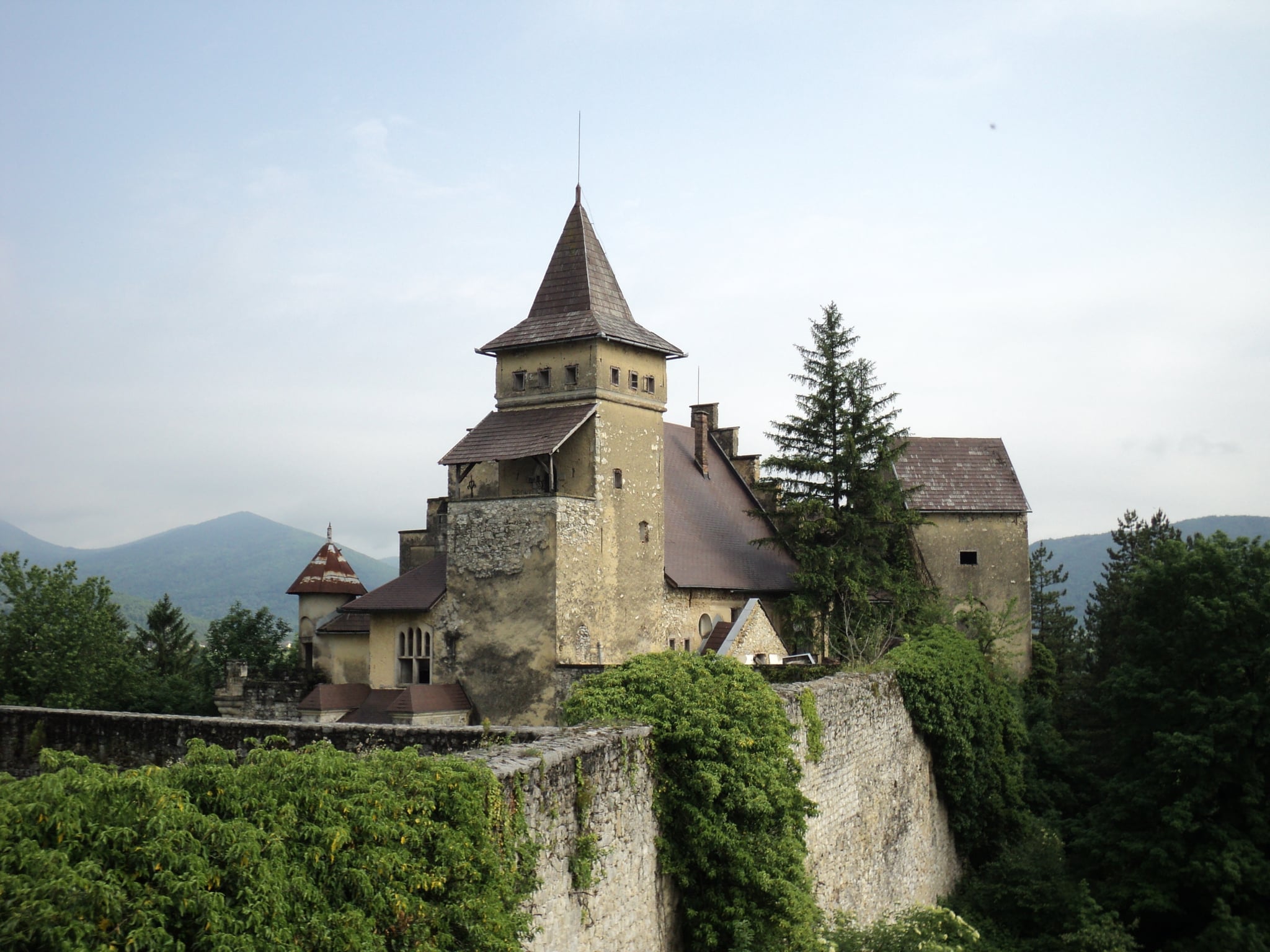
Bužim Castle, perched at 325 meters above sea level, is a prominent medieval hill fortress located in the municipality of Bužim, Bosnia and Herzegovina. Constructed in the 12th century, it ranks as the second-largest medieval castle in the Cazinska krajina region, surpassed only by the fortress of Bihać. This castle exemplifies the military and residential architecture of the High Medieval period, later adapted with Renaissance elements and Ottoman modifications, reflecting the complex historical transformations of the region.
Historical significance and ownership
The first recorded mention of Bužim Castle dates back to 1334, where it was referred to as Čava or Čavski grad, with the adjacent settlement known as Čave or Bužim. The castle's earliest known lord was Grgur Galles, who was granted control by King Ludovik of the Hungarian-Croatian kingdom in 1336. Over the subsequent centuries, Bužim Castle changed hands among several noble families, including the Blagajski, the Counts of Celje, the Frankopan family, the Mikuličić lineage, and ultimately the Keglević family around 1495.
The Keglević family maintained dominion over the castle for nearly four centuries. One of the most notable figures was Petar Keglević (1478–1554), who served as Ban of Croatia and captain of the strategic fortress of Bihać. His tenure underscored the castle's military and political importance during a period marked by increasing Ottoman incursions into the region.
Military role and conflicts
Bužim Castle played a critical role as a frontier fortress during the turbulent centuries of Ottoman expansion. It briefly fell to Ottoman forces in 1521 and again in 1564, illustrating the ongoing conflict between Christian kingdoms and the Ottoman Empire. The final and permanent Ottoman conquest occurred in 1576 under the command of Ferhad-Pasha Sokolović. Following this, the castle was garrisoned with approximately 50 horsemen and 130 infantry soldiers, serving as a vital military post within the Ottoman defensive network.
Despite repeated attempts by Christian forces to reclaim the fortress during the Great Turkish War (1685–1688) and other conflicts, Bužim remained under Ottoman control until the political reorganization of Bosnia and Herzegovina in 1878, when Austro-Hungarian administration was established.
Architectural features and fortifications
Medieval core and outer defenses
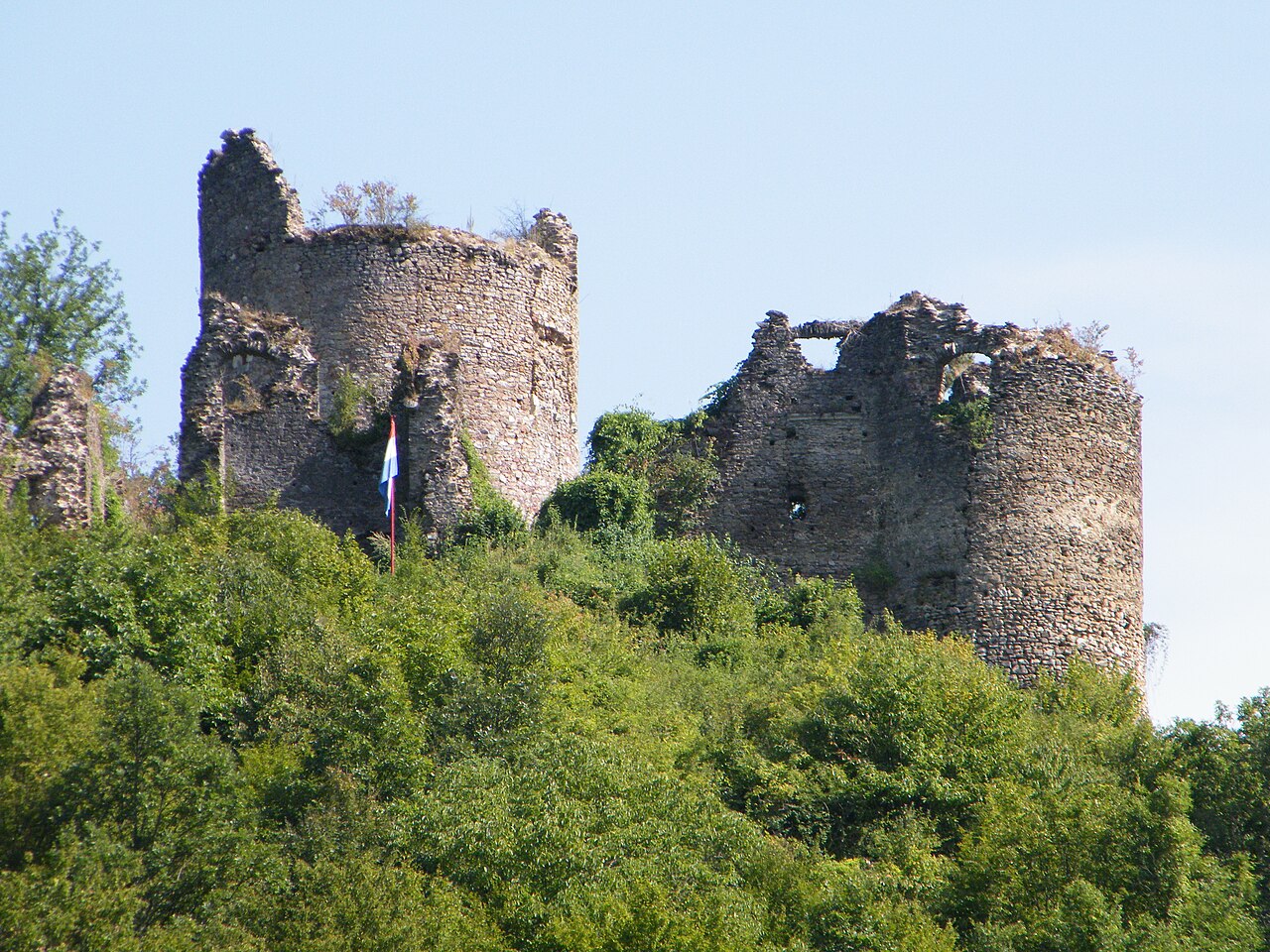
The castle’s structure covers approximately 7,267 square meters and comprises two primary sections reflecting different construction phases. The inner core is a compact square fortress fortified by tall, circular towers at each corner. These towers, built with traditional medieval stone masonry, provided elevated vantage points for surveillance and defense.
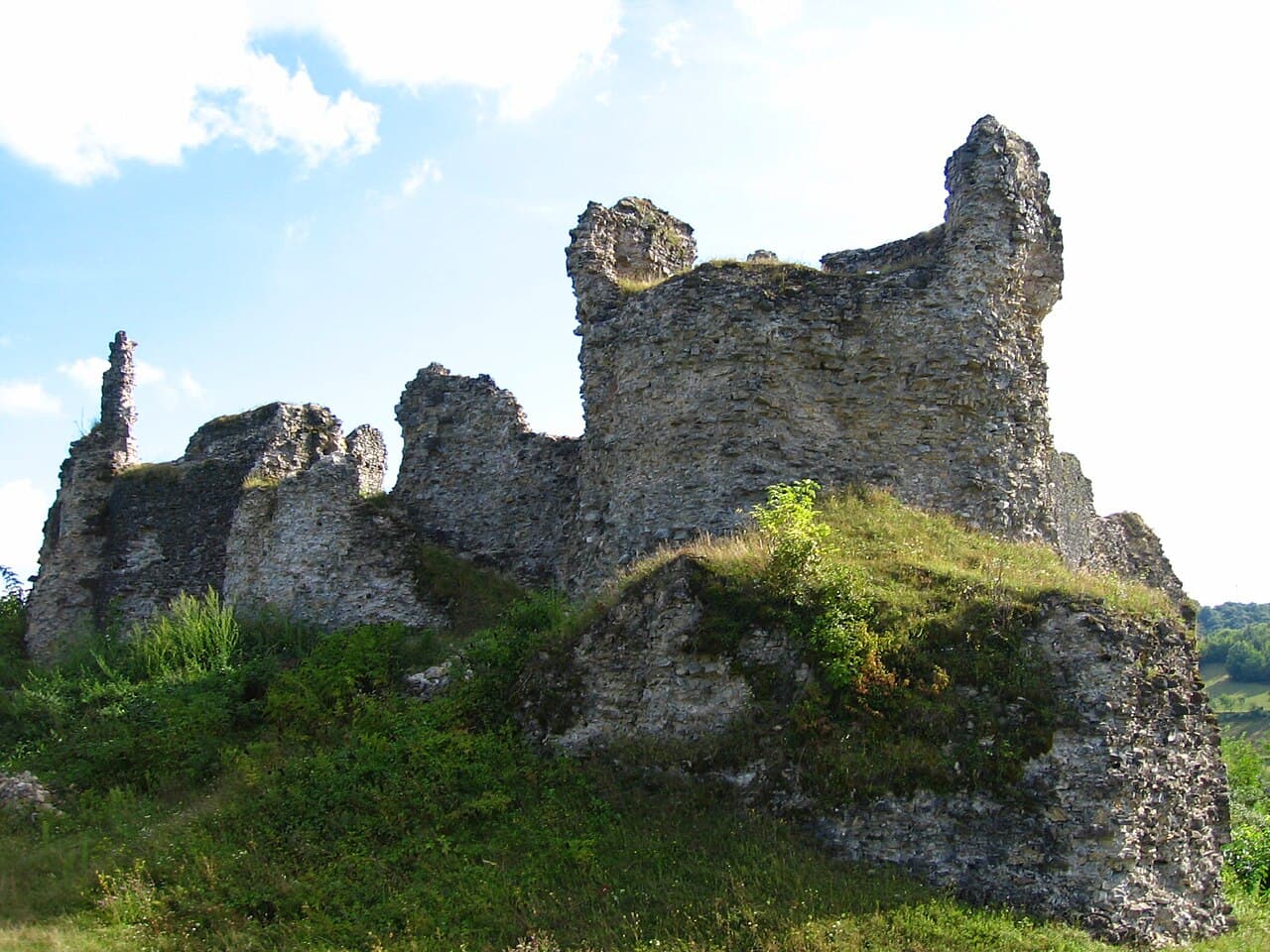
In response to the evolving nature of warfare, particularly the advent of artillery, a trapezoidal outer defensive wall was constructed in the late 15th century. Positioned 15 to 20 meters from the inner walls, this outer fortification measures roughly two meters in thickness, with remaining wall heights varying between five and eight meters. The northern and western sections of this outer wall remain nearly intact, while the southern and eastern walls are partially preserved or removed.
The outer defenses feature polygonal towers at their corners, which are lower than the inner towers, designed to accommodate cannon and firearm use. Both the walls and towers include embrasures or artillery ports, enabling defenders to mount cannons and firearms to protect the castle perimeter and inner fortress effectively. The inner towers were strategically arranged to create overlapping fields of fire, maximizing defensive coverage between the two lines of fortification.
Ottoman modifications and mosque
Following the Ottoman conquest, the castle's interior was adapted to serve new cultural and administrative functions. A prominent feature added within the older inner fortress was a large stone mosque, constructed with fine craftsmanship. This mosque symbolized the castle’s transformation into a center of Islamic worship and Ottoman governance.
Restoration efforts under Ottoman rule occurred notably in 1626 and 1833. The latter renovation upgraded the fortress's artillery to include 18 cannons and integrated Bužim Castle into the Bosanskokrupska Captaincy's military framework. Although the castle remained maintained into the early 19th century, it was eventually abandoned as an active military fortress by 1851.
Present condition and cultural heritage
Today, Bužim Castle stands as a national monument of Bosnia and Herzegovina, recognized for its layered historical significance and architectural heritage. The remains of the inner fortress with its distinctive square plan and rounded corner towers remain clearly visible, while the outer defensive walls and polygonal towers exhibit considerable preservation, especially on the northern and western flanks.
The castle's location near the confluence of the Bužimkovac and Pomojdan streams adds to its strategic and scenic value. Its preservation offers valuable insights into medieval military architecture, Renaissance-era adaptations, and Ottoman-era cultural transformations. Alongside the nearby old mosque, Bužim Castle continues to attract historians, architects, and visitors interested in the rich history of the Bosnian frontier.
Architectural significance in the region
Bužim Castle exemplifies the evolution of fortress design in the Balkans, demonstrating a transition from medieval stone fortifications to Renaissance artillery defenses and Ottoman cultural influences. The castle’s dual defensive lines reflect strategic responses to changing military technologies, particularly the introduction of gunpowder weaponry.
The integration of a mosque within the medieval fortress is a distinctive feature illustrating the Ottoman approach to re-purposing conquered sites for religious and administrative uses. This blend of architectural styles and functions makes Bužim Castle a unique monument representing centuries of cultural interplay and military history in Bosnia and Herzegovina.
Visitor information and accessibility
While Bužim Castle is primarily a historical ruin, it is accessible to visitors interested in exploring medieval fortifications and Ottoman heritage. The site offers panoramic views of the surrounding landscape and provides an educational experience about the region's complex past. Visitors are encouraged to explore the castle remains carefully, respecting the preservation efforts that protect this important cultural landmark.
Nearby attractions include the old mosque adjacent to the castle, which further enriches the historical context of the site. The municipality of Bužim provides additional cultural and natural points of interest, making the castle a worthwhile destination for history enthusiasts and tourists alike.
Frequently asked questions (FAQ)
- What is the historical significance of Buzim Castle?
- Buzim Castle is a significant historical landmark in Bosnia and Herzegovina, believed to have been built in the 14th century. It served as a strategic military fortification during various conflicts in the region and reflects the architectural styles of its time. The castle is a testament to the rich history and cultural heritage of Bužim and its surroundings.
- When was Buzim Castle constructed?
- Buzim Castle was constructed in the 14th century, although the exact date remains uncertain. It has undergone several renovations and restorations over the centuries to preserve its structure. The castle stands as a symbol of the medieval era in Bosnia and Herzegovina.
- Can I visit Buzim Castle?
- Yes, Buzim Castle is open to visitors who wish to explore its historic grounds and learn about its significance. Guided tours may be available, providing insights into the castle's history and architecture. It’s advisable to check in advance for any special events or guided tour availability.
- What are the opening hours of Buzim Castle?
- Buzim Castle typically opens to visitors from 9 AM to 5 PM, but these hours can vary depending on the season and special events. It's recommended to verify the current opening hours before planning your visit. This ensures you have ample time to explore the castle and its surroundings.
- Is it possible to access Buzim Castle by public transport?
- Yes, Buzim Castle is accessible by public transport, with bus services connecting the castle to nearby towns and cities. However, it may require some walking from the nearest bus stop to the castle entrance. Visitors are encouraged to plan their journey ahead of time for a smoother experience.
- What is the best time to visit Buzim Castle?
- The best time to visit Buzim Castle is during the spring and early autumn months when the weather is pleasant and ideal for exploring outdoor sites. Additionally, these seasons often have fewer tourists compared to the peak summer months. This allows for a more enjoyable and immersive experience at the castle.
- Are there any nearby attractions to visit along with Buzim Castle?
- Yes, there are several nearby attractions worth visiting, including the beautiful landscapes of the Una National Park and the historical sites in the town of Bihać. These locations offer opportunities for hiking, photography, and experiencing the natural beauty of Bosnia and Herzegovina. Combining your visit to Buzim Castle with these attractions can enhance your overall experience.
- What are the ticket prices for visiting Buzim Castle?
- Ticket prices for Buzim Castle are generally affordable, with discounts often available for students and seniors. It's best to check the official website or local tourist information for the most current pricing. This ensures you have the latest information before your visit.
Photo gallery

Information
Website
Visit websiteSources & official resources
Verify the information above using these authoritative references.
Loading map...
Visitor reviews
No reviews yet. Been here? Write the first review and help other travelers!
Write the first reviewVisited this castle? Share your experience
Your review helps other travelers and adds first-hand knowledge to our encyclopedia.