Himeji Castle
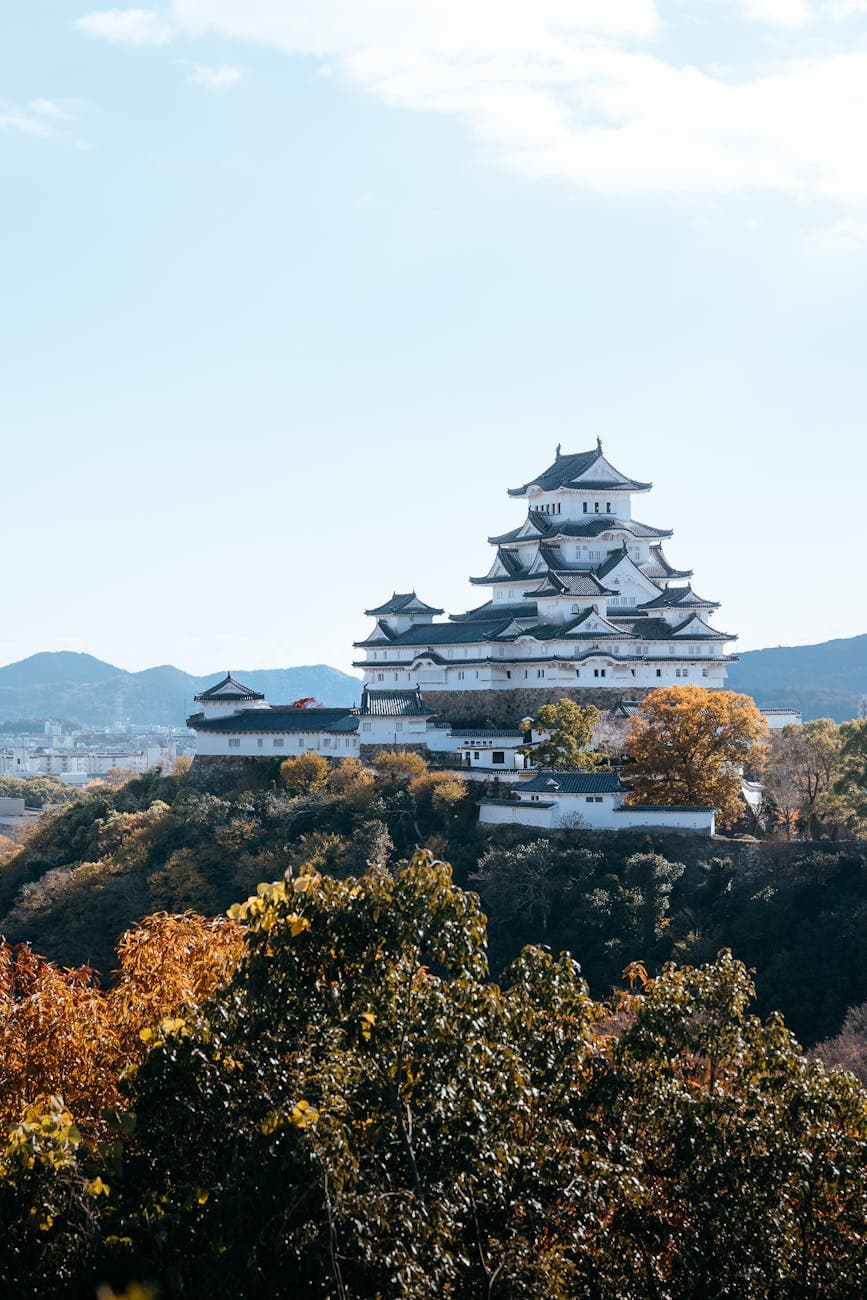
Himeji Castle, located in Himeji city within Hyogo Prefecture, Japan, stands as one of the most spectacular and well-preserved examples of traditional Japanese castle architecture. Known affectionately as Shirasagi-jo or "White Heron Castle" due to its brilliant white exterior and elegant structure resembling a heron taking flight, it is a symbol of Japan's feudal era and architectural ingenuity.
The castle's origins trace back to the early 14th century when a fortification was first established on the site by Akamatsu Norimura in 1333. His son later constructed the initial Himeyama Castle in 1346. This early fortification laid the groundwork for what would become one of Japan's most iconic castles. The castle gained significant prominence during the turbulent Sengoku Period, a time marked by social upheaval and near-constant military conflict.
Historical development through the Sengoku and Edo periods
In 1545, the castle underwent major renovations under Kuroda Shigetaka, enhancing its defensive capabilities and structural complexity. By 1580, the powerful warlord Oda Nobunaga had taken control of Harima Province, placing Himeji Castle under the stewardship of his retainer Toyotomi Hideyoshi. Hideyoshi remodeled the castle extensively, adding a small keep and strengthening its fortifications. Elements of Hideyoshi's construction, including stone walls and gates, were later incorporated into the castle's expanded form by Ikeda Terumasa.
Following the decisive Battle of Sekigahara in 1600, Ikeda Terumasa, an ally of Tokugawa Ieyasu, was rewarded with the Harima Province. Between 1601 and 1609, Ikeda Terumasa undertook a grand rebuilding project, constructing the imposing main keep (tenshu) and several smaller towers that define the castle's present-day silhouette. This reconstruction transformed Himeji Castle into a formidable fortress and an architectural masterpiece of the early Edo period.
Architectural features and defensive design
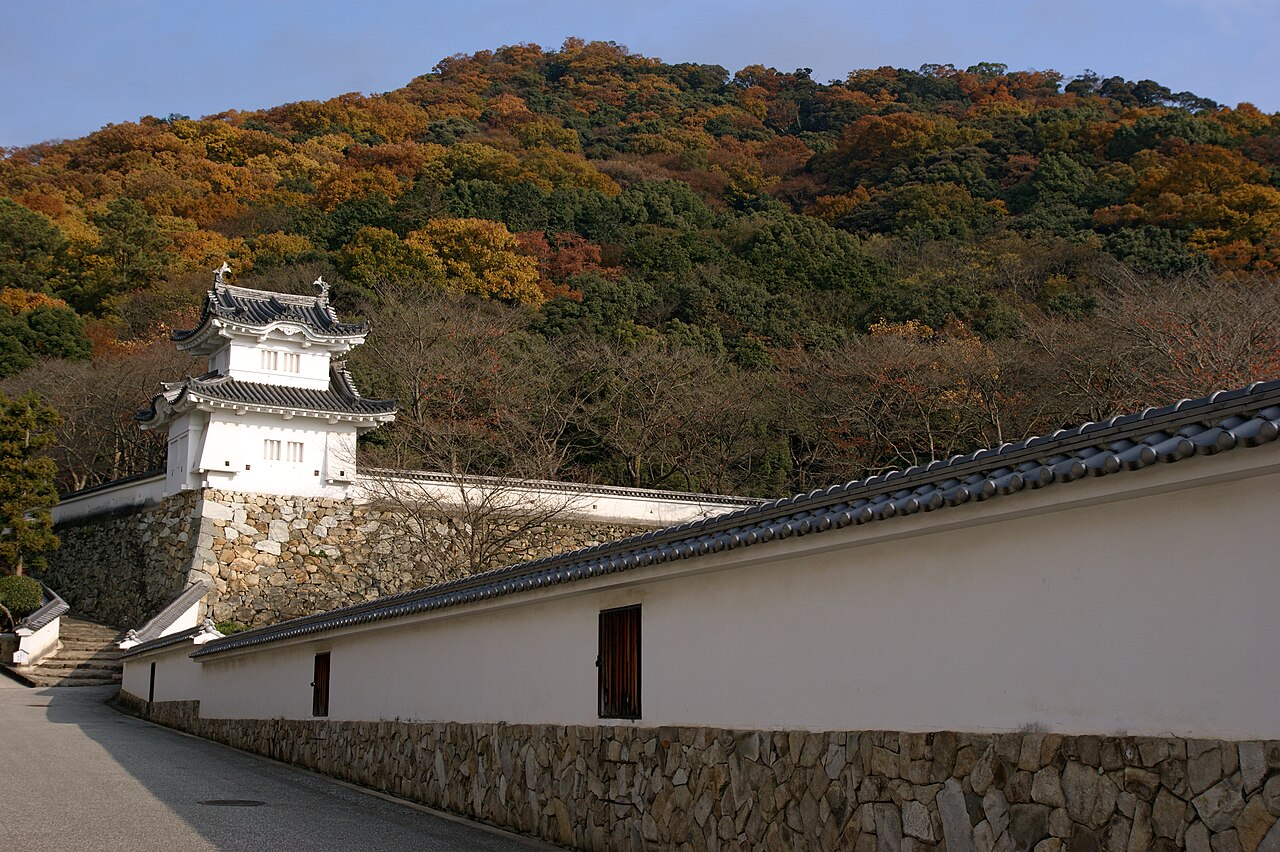
Himeji Castle is a prime example of a hill castle built on Himeyama hill, providing a strategic vantage point over the surrounding plains. Its complex layout includes a central main keep with five visible stories and three smaller keeps that are interconnected by a maze of defensive walls, gates, and baileys. The castle's white plastered walls not only contribute to its nickname but also serve a practical purpose in fire resistance.
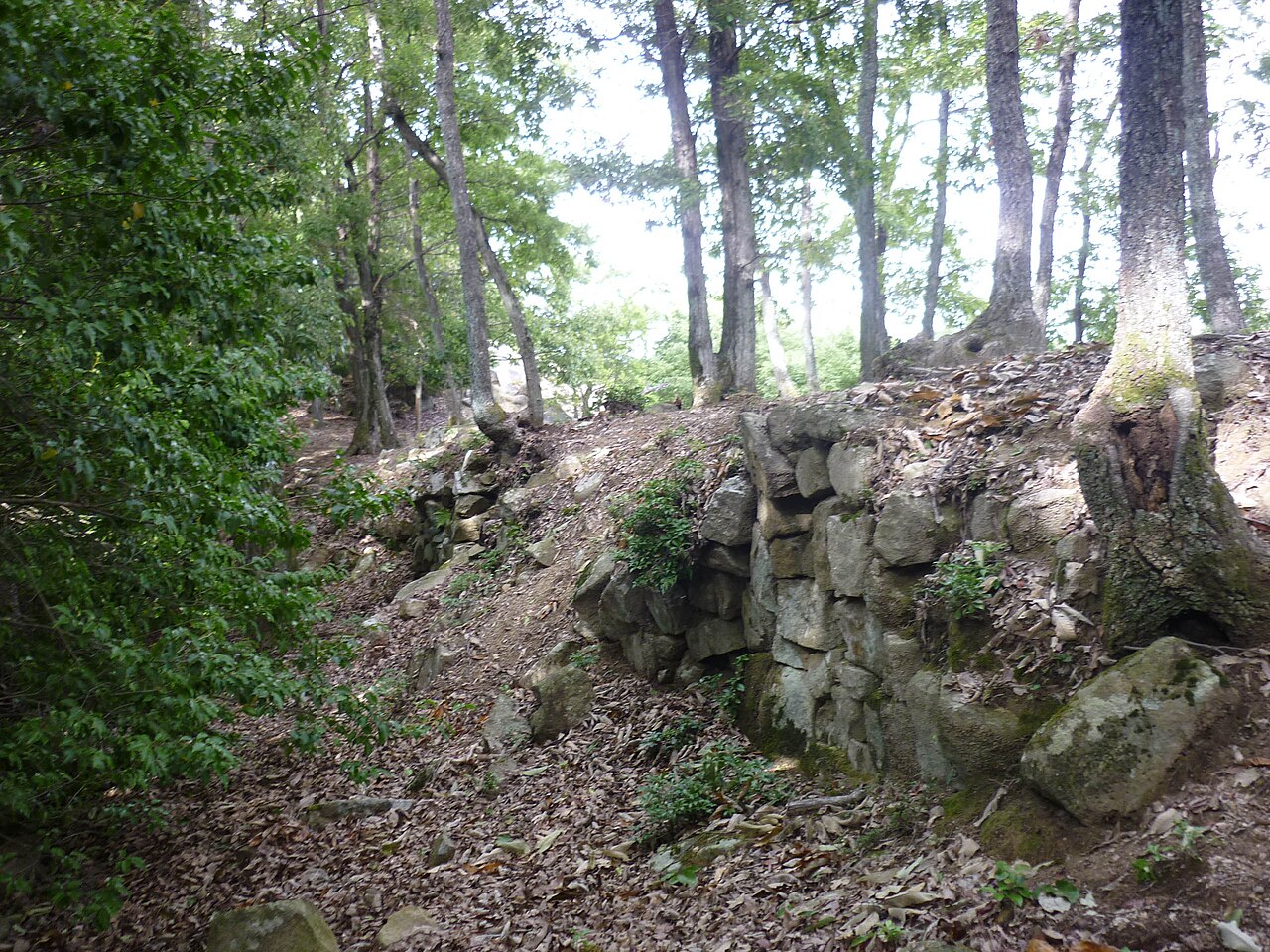
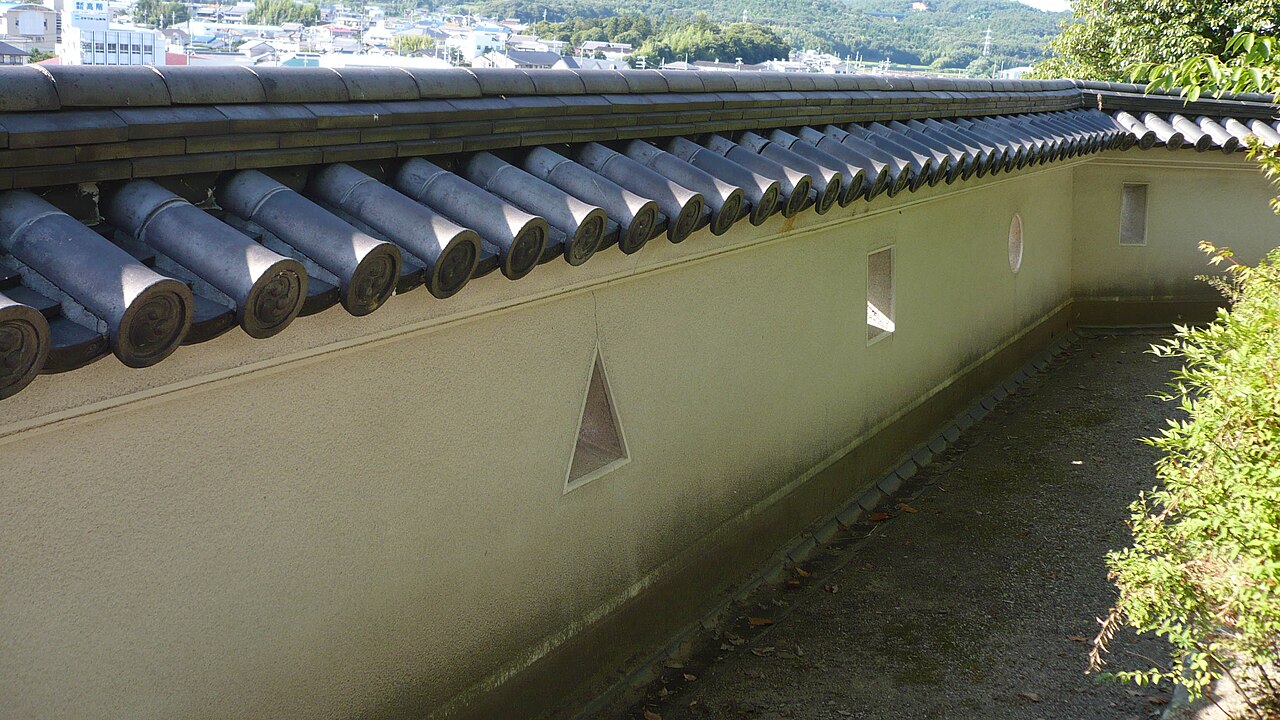
The castle's design incorporates multiple layers of defense, including steep stone walls, narrow pathways designed to confuse attackers, and numerous loopholes for archers and firearms. The intricate system of gates and baileys creates a labyrinthine approach that would have slowed and exposed any invading forces. This sophisticated defensive architecture showcases the military engineering skills of the period.
Main keep and towers
The main keep is the tallest structure within the complex, rising impressively with its elegant white facade and curved tiled roofs. It is supported by massive wooden beams and stone foundations, exemplifying the fusion of aesthetic beauty and structural resilience. The smaller towers serve both as watchtowers and secondary defensive positions, enhancing the castle's ability to withstand sieges.
Interior and accessibility
Unlike many castles that have been reconstructed or modernized, Himeji Castle retains much of its original wooden interior, allowing visitors to experience the authentic atmosphere of a feudal Japanese fortress. Visitors can freely explore the main keep and surrounding structures, walking through narrow corridors, staircases, and rooms that once housed samurai and lords.
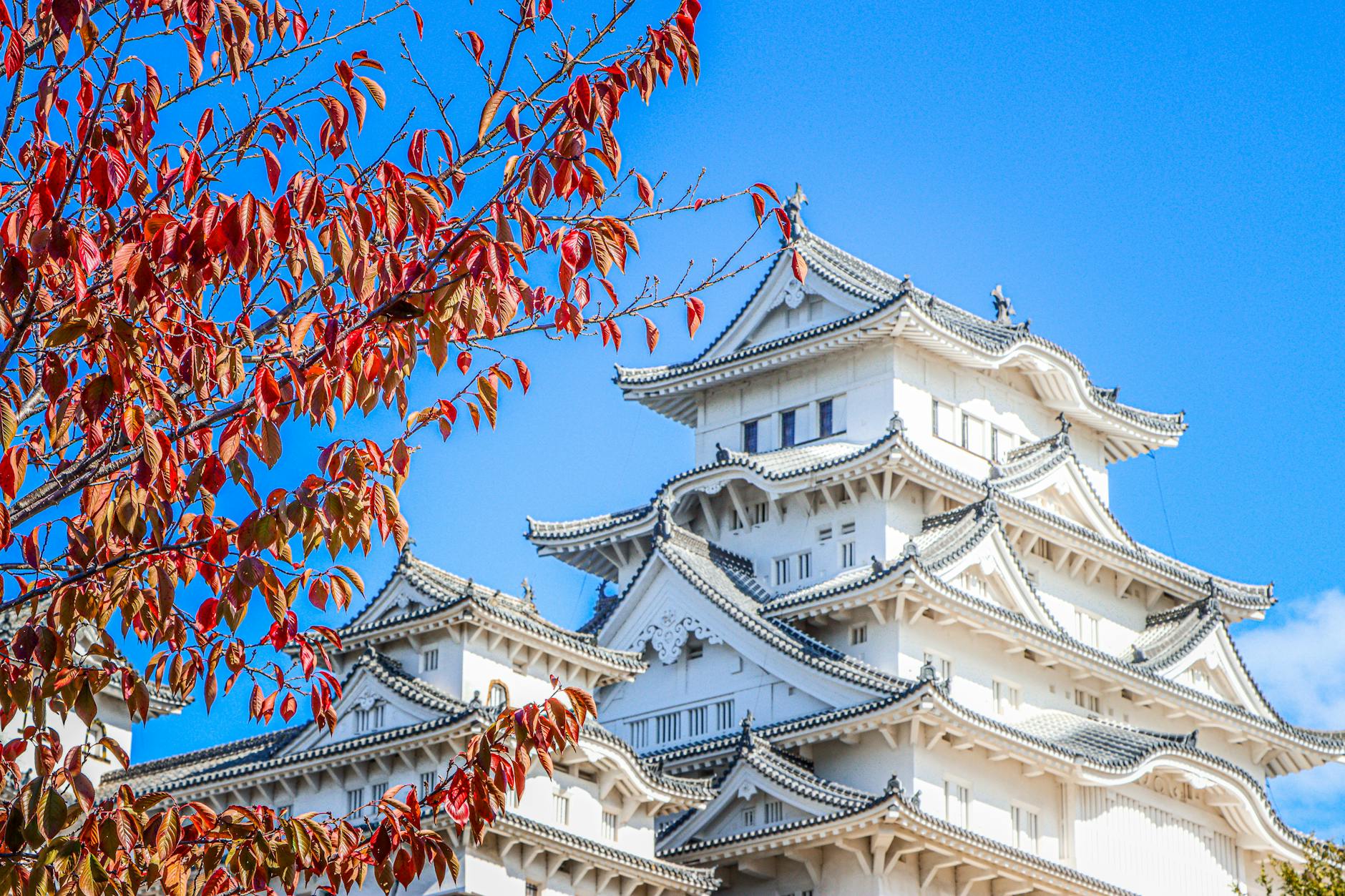
Photo by Andrea Orfino
Photo by Andrea Orfino
Preservation and cultural significance
Himeji Castle is renowned for its exceptional state of preservation. It has survived natural disasters, wars, and modernization efforts largely intact, making it a rare and invaluable cultural treasure. In 1993, UNESCO designated Himeji Castle as a World Heritage Site, recognizing its outstanding universal value as an architectural and historical monument.
The castle has also served as a filming location for numerous movies and television series, including the internationally acclaimed "Shogun" and Akira Kurosawa's "Kagemusha," further cementing its place in popular culture.
Visiting himeji castle and surrounding attractions
Today, Himeji Castle is one of Japan's most visited historical sites, attracting tourists from around the world. Visitors are encouraged to arrive early, especially on weekdays, to avoid crowds and fully appreciate the castle's grandeur. The castle grounds include multiple gates, walls, and moats to explore, as well as the nearby Koko-en gardens, a beautifully landscaped traditional Japanese garden offering a peaceful complement to the castle experience.
Visitors can also enjoy walking the outer moats or taking seasonal boat rides to view the castle's massive stone walls and defensive structures from the water. The city of Himeji offers convenient accommodations and a bicycle rental system, making it easy to explore the castle and its surroundings.
For those interested in deeper historical insight, volunteer English-speaking guides are available near the ticket office to provide informative tours. The castle occasionally hosts special exhibitions that open parts of the complex not usually accessible to the public, offering fresh perspectives on its history and architecture.
With its blend of exquisite architecture, rich history, and excellent preservation, Himeji Castle remains a must-see destination for anyone interested in Japanese culture and medieval fortifications.
Frequently asked questions (FAQ)
- What is Himeji Castle and why is it famous?
- Himeji Castle is a UNESCO World Heritage Site and Japan's most spectacular surviving feudal castle, dating back to 1609. Known as the "White Heron Castle" due to its brilliant white exterior and elegant architecture, it's considered the finest example of traditional Japanese castle construction. The castle has survived earthquakes, wars, and fires, remaining remarkably intact with its original wooden interior and defensive systems.
- When is the best time to visit Himeji Castle?
- The best time to visit is during spring (late March to early April) for cherry blossoms, or autumn (November) for stunning fall foliage. Weekday mornings are ideal to avoid crowds, especially during peak seasons when wait times can exceed 2-3 hours. Winter months offer fewer tourists and clearer views, though some outer gardens may be less vibrant.
- How much do tickets cost and what are the opening hours?
- Adult admission is ¥1,000 (approximately $7-8 USD), with a combined ticket for the castle and Koko-en Garden available for ¥1,050. The castle is open from 9:00 AM to 5:00 PM (extended to 6:00 PM in summer), with last entry one hour before closing. It's closed from December 29-30 each year.
- How do I get to Himeji Castle from major cities?
- From Osaka, take the JR Shinkansen (bullet train) to Himeji Station, which takes about 30 minutes. From Kyoto, the journey takes approximately 1 hour by Shinkansen. The castle is a scenic 15-20 minute walk north from Himeji Station, or you can take a local bus directly to the entrance.
- Can I explore the interior of Himeji Castle?
- Yes, visitors can explore the six-story main keep and climb to the top floor for panoramic views. Be prepared to remove your shoes and navigate steep wooden stairs (up to 60 degrees in places), which can be challenging for those with mobility issues. The castle interior features original construction details, defensive mechanisms, and historical exhibits.
Photo gallery

Photo by Lorenzo Castellino
Photo by Lorenzo Castellino


Information
Opening hours
Open 9am-5pm (6pm in summer), closed Dec 29-30; 1000 yen
Website
Visit websiteAddress
68 Honmachi
Featured in
Articles on the Castlopedia blog that feature Himeji Castle.

Sources & official resources
Verify the information above using these authoritative references.
Loading map...
Visitor reviews
Based on 1 review
Wojtek
Been there, and I think it looks amazing from the outside. It surprised me that inside it's almost empty. Nevertheless, it's definitely one of the most beautiful castles I've ever seen.
Visited this castle? Share your experience
Your review helps other travelers and adds first-hand knowledge to our encyclopedia.