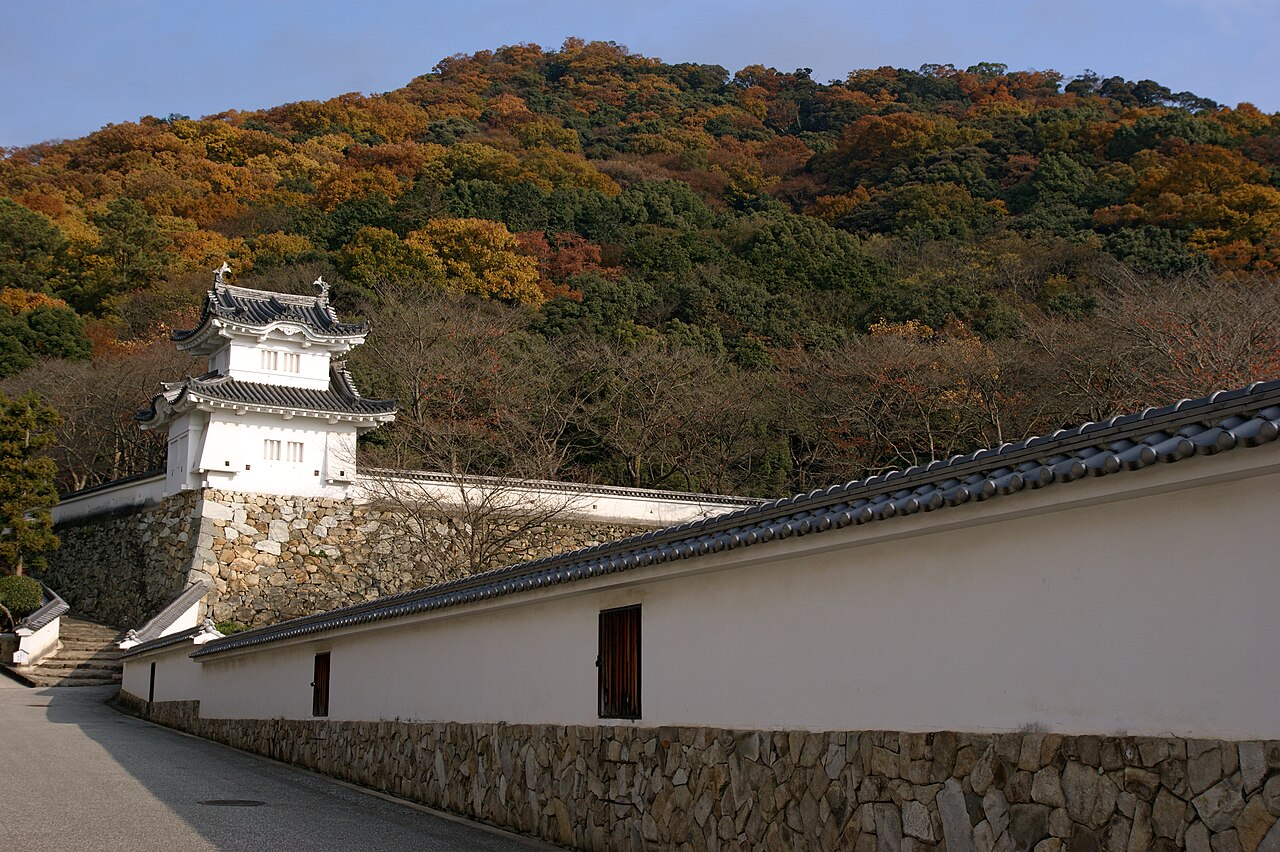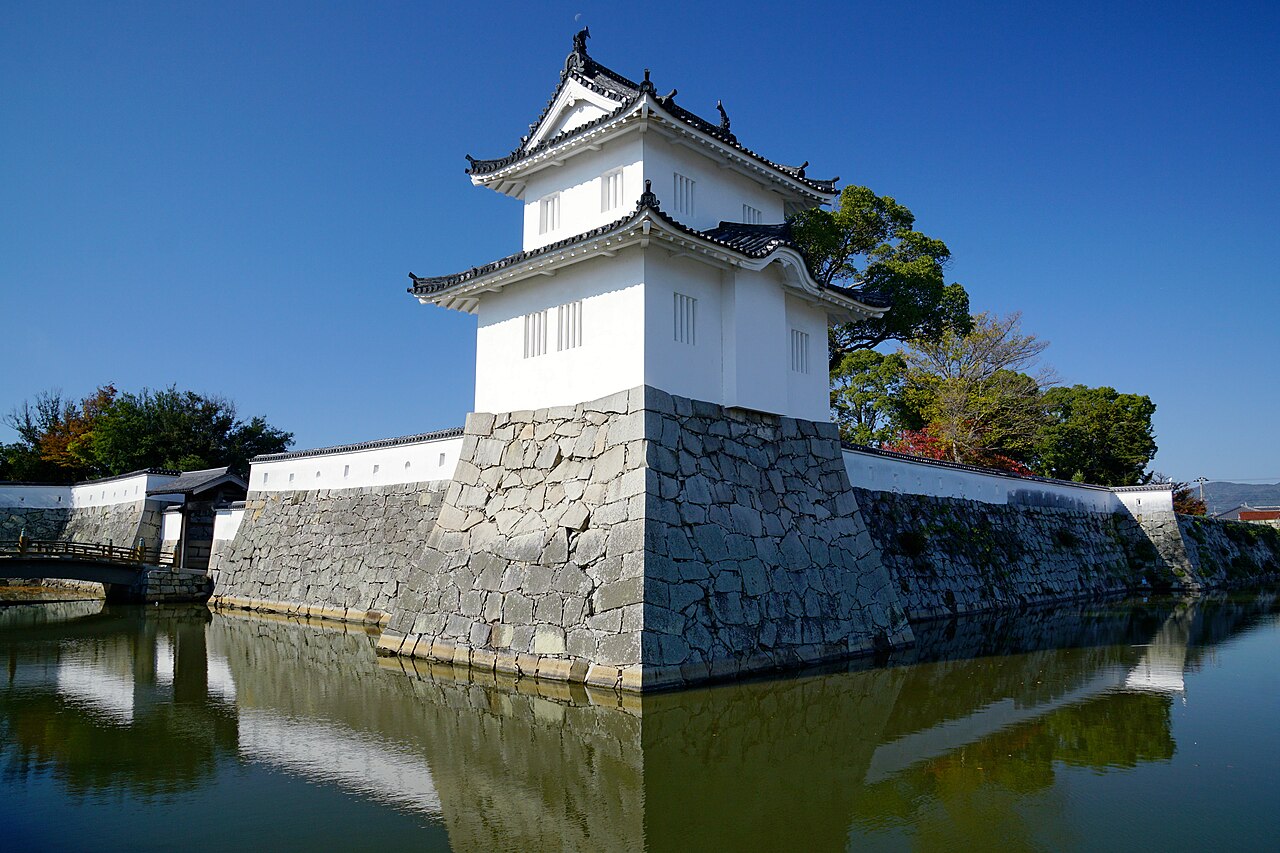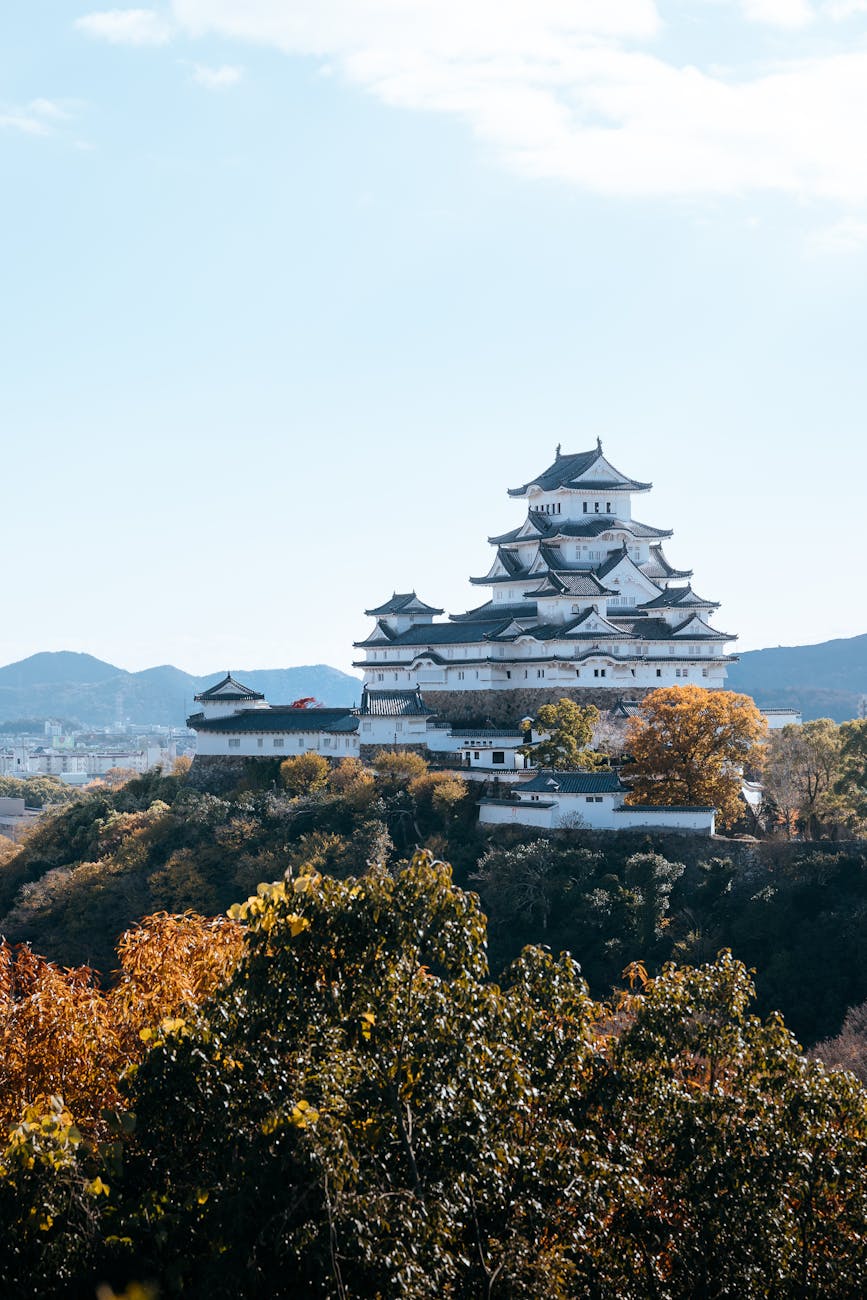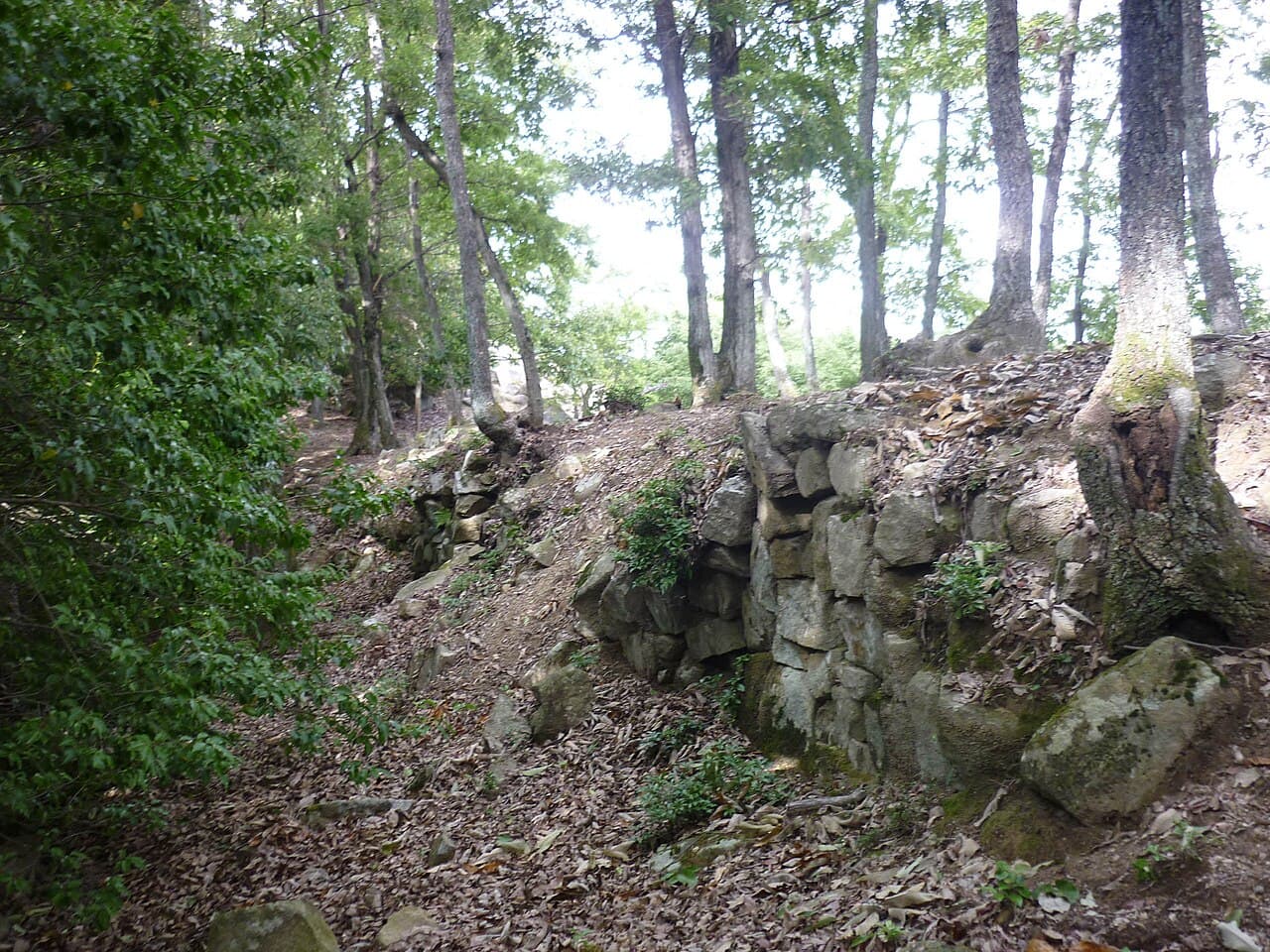
Kanjōsan Castle (感状山城, Kanjōsan-jō) is a historically significant Muromachi period castle located in Himeji, Hyōgo Prefecture, Japan. The castle now exists only as archaeological ruins, reflecting its long history and the passage of time. It is recognized as part of the Remains of Akamatsu-shi Castles, a collection of castle sites including Shirahata Castle and Okishio Castle, designated a National Historic Site since 1996.
Historical context and significance
Kanjōsan Castle was constructed during the Muromachi period (1336–1573), a time marked by political fragmentation and frequent military conflict in Japan. It served as a strategic stronghold for the Akamatsu clan, a powerful samurai family that played a crucial role in the politics and warfare of western Japan. The castle's location in Himeji placed it within a contested region, where control over fortifications was vital for maintaining influence.
The castle's ruins, along with those of Shirahata Castle and Okishio Castle, represent the military architecture and feudal power structures of the period. These sites collectively illustrate the defensive networks employed by the Akamatsu clan to secure their territories.
Architectural features and layout
Though now in ruins, archaeological studies have revealed aspects of Kanjōsan Castle's original design. The castle was primarily a hilltop fortress, utilizing the natural terrain for defense. Typical features included earthen ramparts, stone walls, and wooden structures adapted to the mountainous landscape.
The layout likely included multiple baileys (courtyards) separated by defensive walls and gates, with watchtowers positioned to oversee approaches. The use of natural topography such as ridges and slopes enhanced the castle's defensive capabilities.
The castle's decline and preservation
Like many Muromachi period castles, Kanjōsan Castle fell into disuse as political power centralized under the Tokugawa shogunate in the early Edo period (1603–1868). Over time, the wooden structures decayed and stone fortifications were dismantled or repurposed.
Today, the site is preserved as archaeological ruins and protected under Japanese cultural heritage laws. Excavations have helped uncover foundations and artifacts that provide insight into the castle's construction and historical context.
Visiting the site and cultural importance
Visitors to the Kanjōsan Castle ruins can explore the remains within a natural setting that reflects the castle's original strategic position. Informational signage and guided tours may be available to explain the site's history and significance.
The castle is an important cultural asset for Hyōgo Prefecture, contributing to the understanding of feudal Japan's military architecture and the legacy of the Akamatsu clan. Its designation as a National Historic Site ensures ongoing preservation efforts and public awareness.
Frequently asked questions (FAQ)
- What is the historical significance of Kanjōsan Castle?
- Kanjōsan Castle, built in the early 17th century, played a crucial role in the feudal system of Japan. It served as a strategic military base and residence for samurai, reflecting the architectural style and defensive techniques of the Edo period.
- When was Kanjōsan Castle constructed?
- Kanjōsan Castle was constructed in 1601 and completed in 1608. It was built during a time of peace in Japan, marking a shift from military fortifications to more ornamental designs.
- How do I get to Kanjōsan Castle?
- Visitors can access Kanjōsan Castle by taking a train to Himeji Station, followed by a short bus ride or a scenic walk. Public transport options are frequent, making it easy for travelers to reach the castle.
- What are the opening hours for Kanjōsan Castle?
- Kanjōsan Castle is typically open to visitors from 9 AM to 5 PM, with last entry at 4:30 PM. However, it's advisable to check for seasonal variations in hours or special closures before planning your visit.
- Is it possible to take guided tours of Kanjōsan Castle?
- Yes, guided tours are available at Kanjōsan Castle, providing visitors with in-depth historical insights and architectural details. These tours can enhance the experience and offer a deeper understanding of the castle's significance.
- Can I find nearby attractions while visiting Kanjōsan Castle?
- Absolutely! Nearby attractions include the famous Himeji Castle, a UNESCO World Heritage Site, and the beautiful Kokoen Garden. These sites are within a short distance and can easily be included in your itinerary.
- What is the ticket price for Kanjōsan Castle?
- The admission fee for Kanjōsan Castle is typically around 400 yen for adults, with discounts available for children and seniors. Tickets can be purchased on-site, and it's a good idea to bring cash as card facilities may be limited.
- When is the best time to visit Kanjōsan Castle?
- The best time to visit Kanjōsan Castle is during the spring cherry blossom season or the autumn foliage period. These seasons offer stunning views and pleasant weather, making your visit even more enjoyable.
- Is Kanjōsan Castle accessible for visitors with disabilities?
- Kanjōsan Castle is equipped with facilities to assist visitors with disabilities, including ramps and designated paths. However, certain areas may have limited accessibility due to the castle's historical architecture, so it's best to inquire in advance for specific needs.

Information
Loading map...
Visitor reviews
No reviews yet. Been here? Write the first review and help other travelers!
Write the first reviewVisited this castle? Share your experience
Your review helps other travelers and adds first-hand knowledge to our encyclopedia.